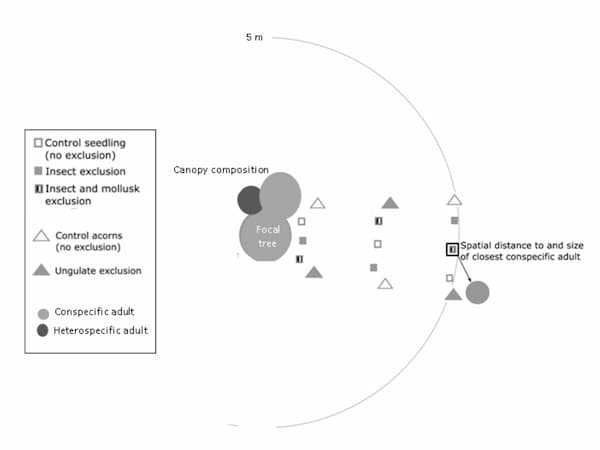
Close Encounters How mammals and molluscs attack oaks Foraging decisions of molluscs and mammals repulse seedlings from old adults. Alun Salt 28 Feb 2021
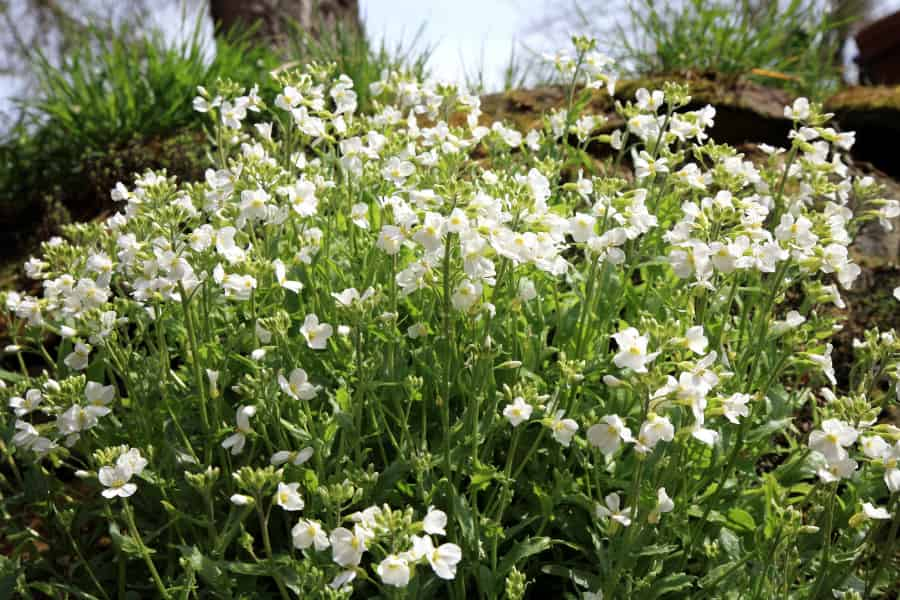
Close Encounters Do flowers produce scent when they’re not expecting visitors? The study demonstrates extensive variation in floral scent among populations of a geographically widespread species, Arabis alpina. Alun Salt 26 Feb 2021
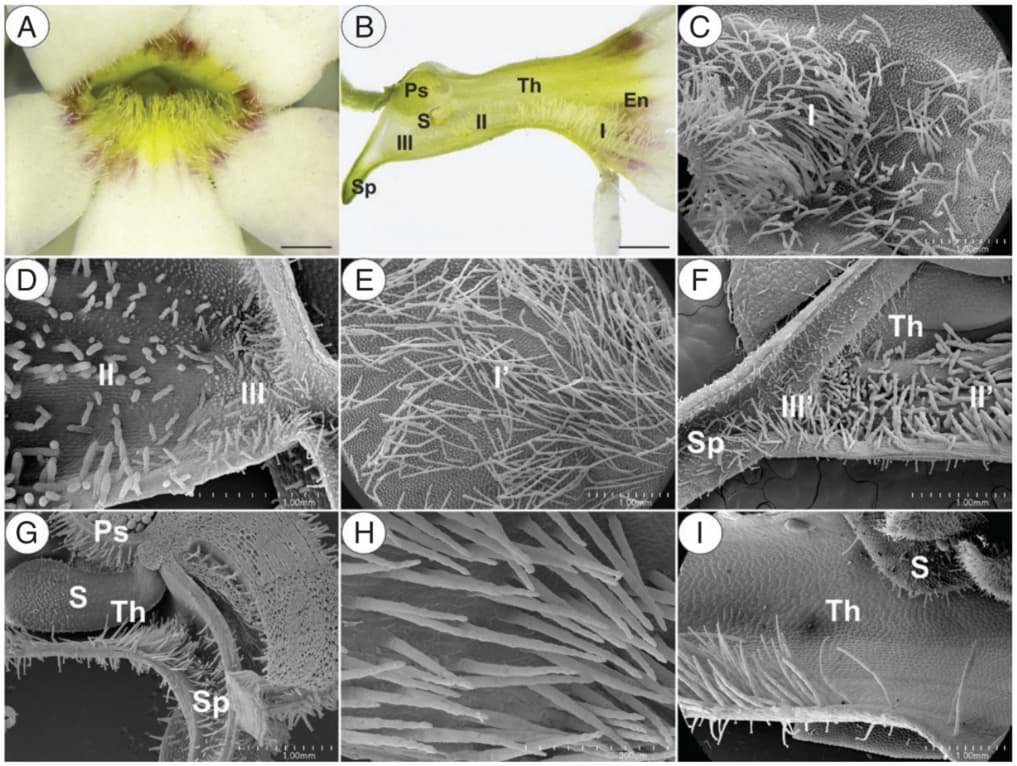
Close Encounters A carnivorous plant that feeds its pollinators Edible floral trichomes discovered in bee-pollinated Pinguicula species show carnivorous plants can feed insects as well as feed on insects. Laura Skates 23 Feb 2021
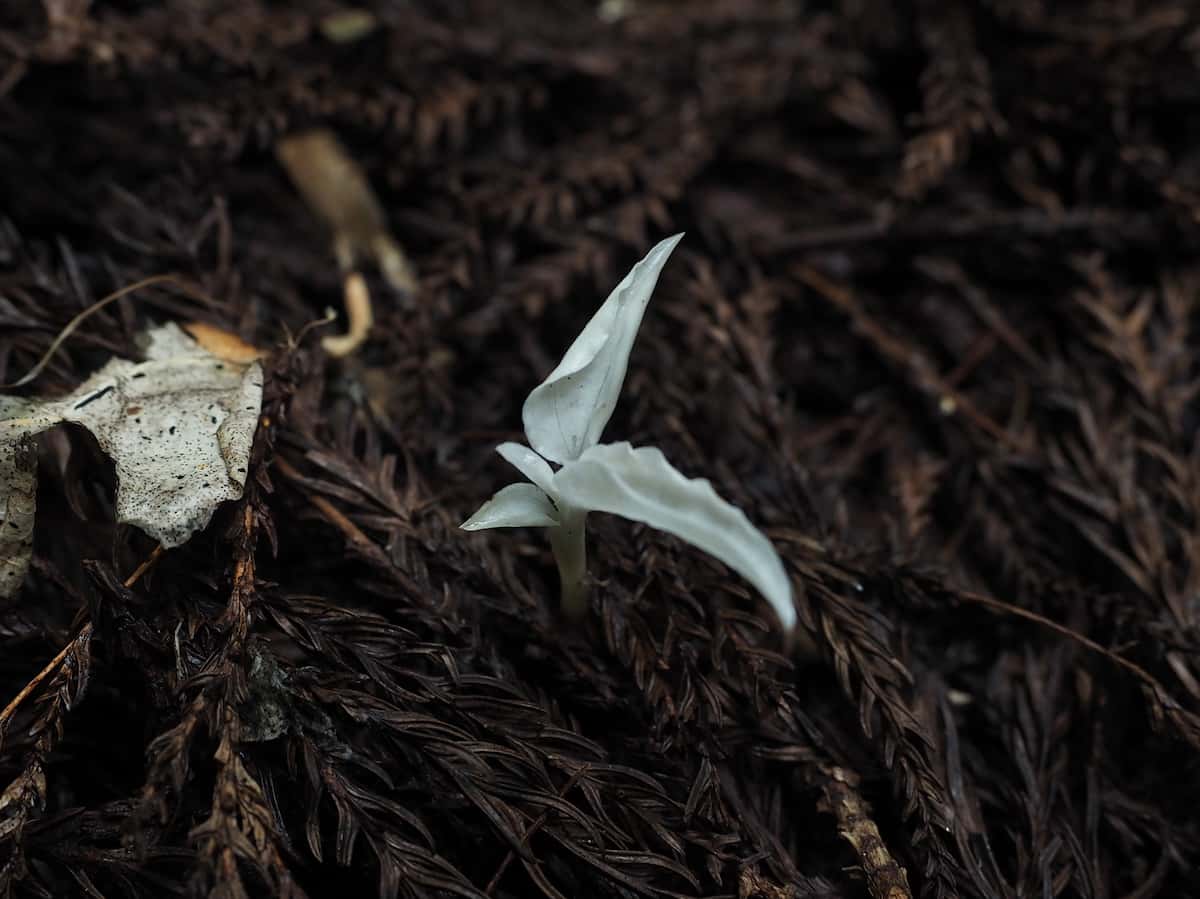
Close Encounters Hungry for fungi: green mycoheterotrophic plants are far more common than previously thought A surprising number of plants snack on fungi as well as sunshine. Laura Skates 12 Feb 2021
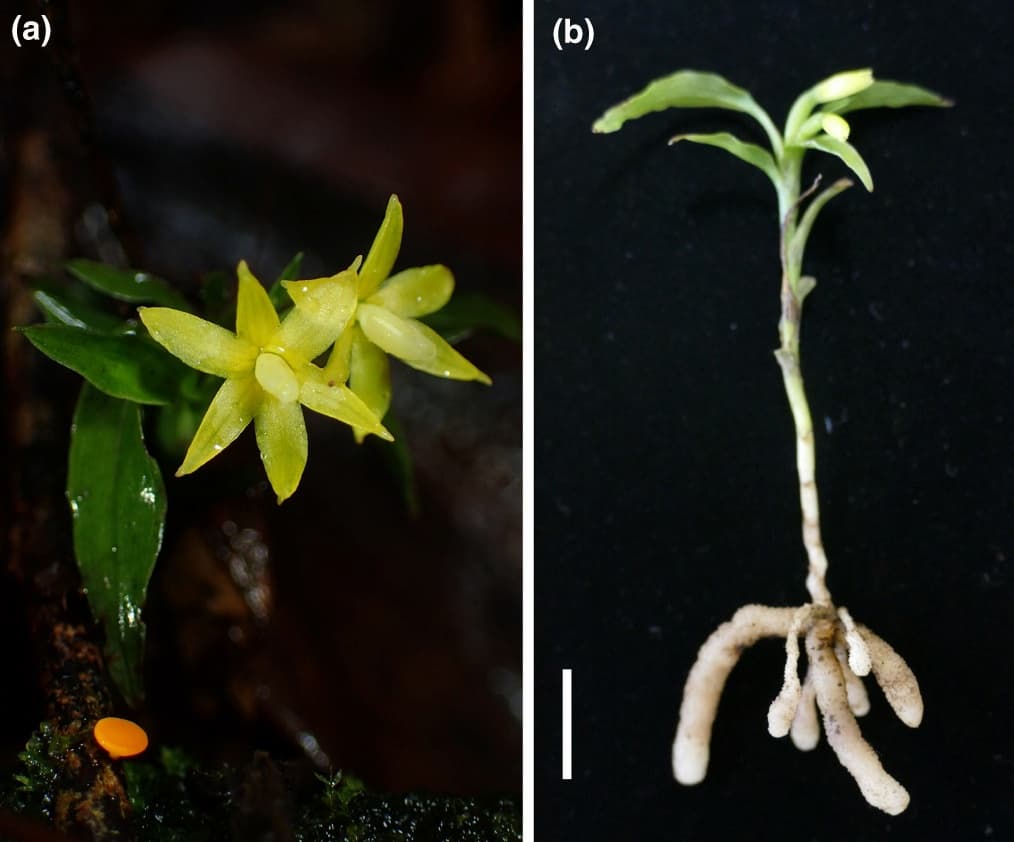
Close Encounters Basal orchid cheats on its fungal partner Apostasia nipponica is the first member of the early-diverging orchid clade found to be using this strategy. Erin Zimmerman 10 Feb 2021
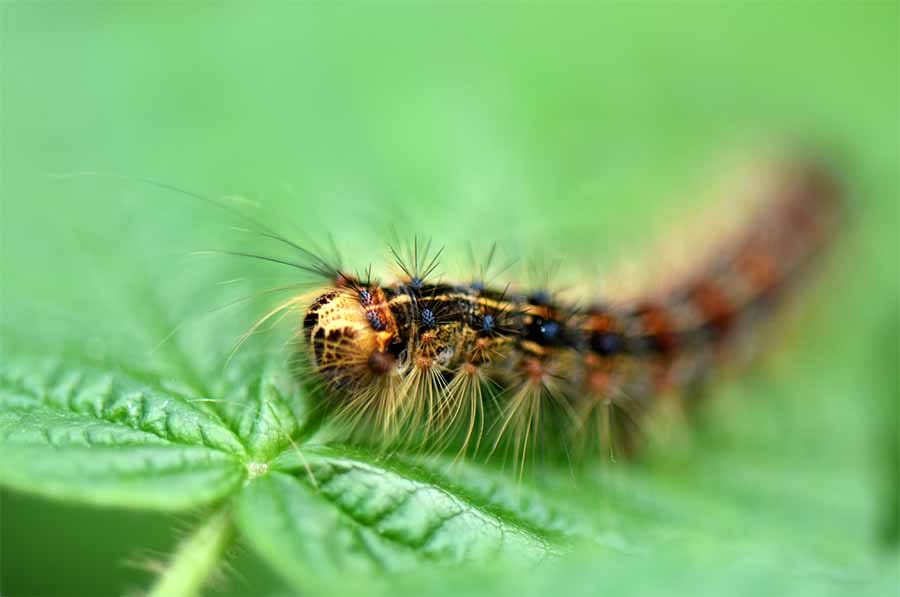
Close Encounters Connecting soil nitrogen and gypsy moth herbivory in a US oak forest Can a better understanding of ecosystem nitrogen cycling allow us to more accurately predict invasive insect outbreaks? William Salter 08 Feb 2021
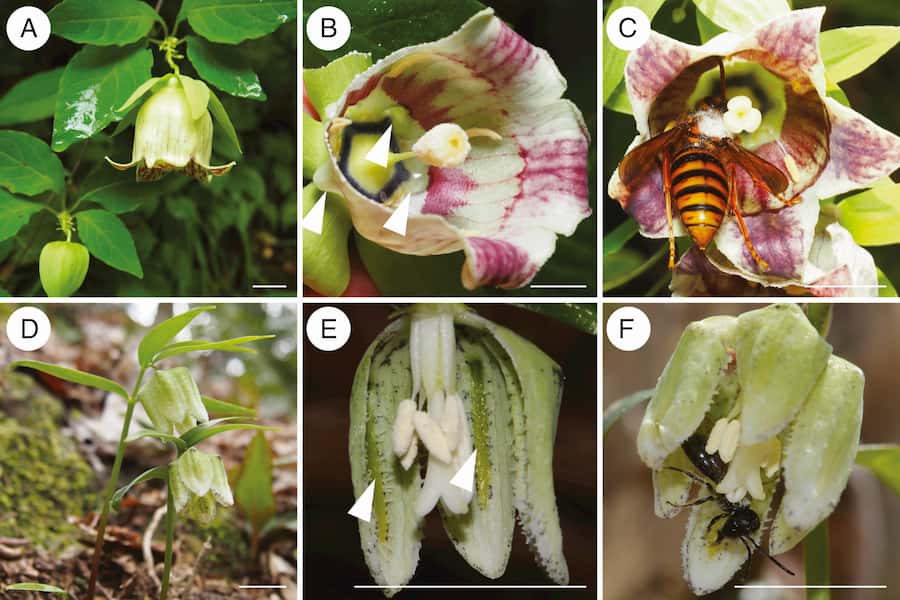
Close Encounters Slippery flowers help deter nectar-stealing ants A wax crystal coating causes ants to slip off, while hornet and bee pollinators can fly right in. Erin Zimmerman 12 Jan 2021
Close Encounters Fungal highways for P-solubilizing bacteria New study in New Phytologist reveals that nutrient-solubilising bacteria can travel on fungi hyphae if the fungi provides a source of energy. Juniper Kiss 06 Jan 2021
Close Encounters Crop diversity and semi-natural habitat a boon to yields as well as pollinators Greater proportions of semi-natural habitat surrounding fields increased bumble bee and honey bee densities. Erin Zimmerman 11 Dec 2020