Cells, Genes & Molecules
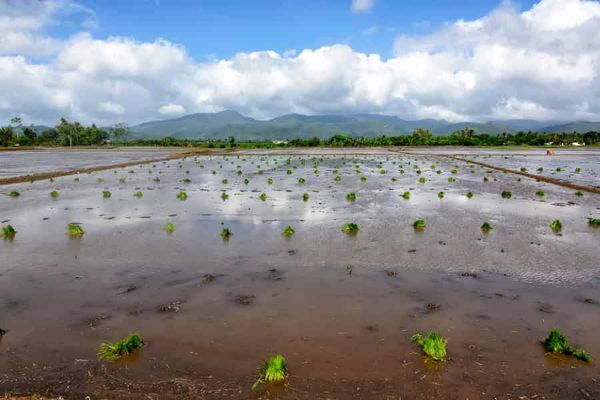
Tracking down the DNA for salt removal in a rice leaf sheath
The ability for salt removal at the leaf sheath level is considered to be one of the major mechanisms associated with salt tolerance in rice

Cells, Genes & Molecules
The ability for salt removal at the leaf sheath level is considered to be one of the major mechanisms associated with salt tolerance in rice
Cells, Genes & Molecules
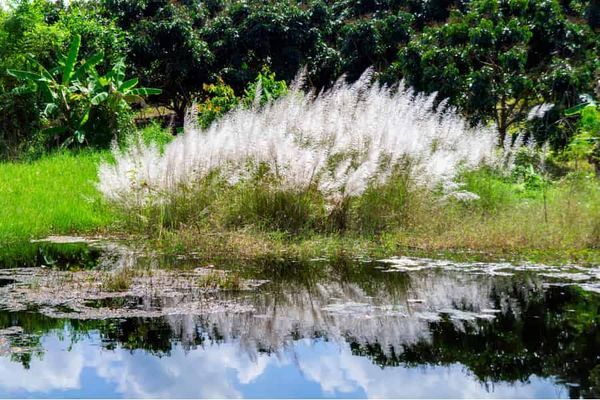
Compiling a genome of an Asian grass is already producing useful results for breeding.
Cells, Genes & Molecules
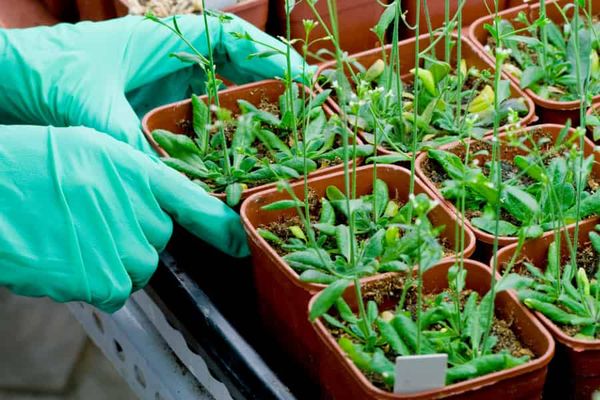
The mobile protein connected to the regulation of flowering in Arabidopsis also helps regulate endosperm development in the seed.
Cells, Genes & Molecules
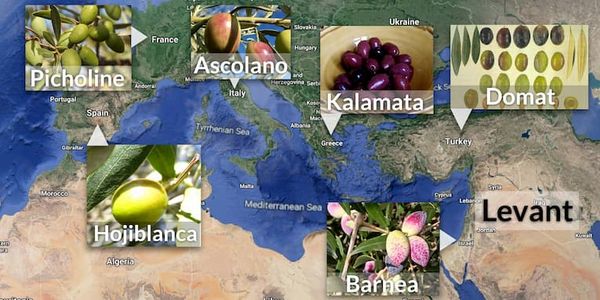
New study in the journal BMC Biology found that Mediterranean olives have almost as high genetic diversity as olive cultivars
Cells, Genes & Molecules
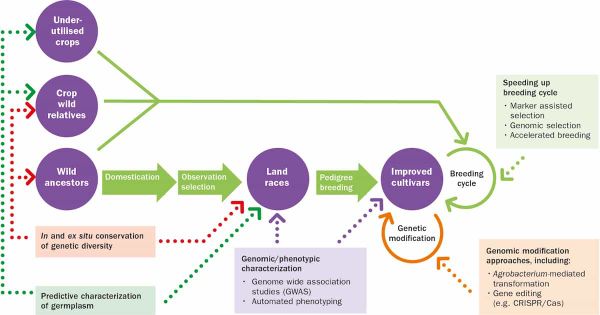
There is great potential for further utilizing the global genetic diversity to advance the common good.
Cells, Genes & Molecules
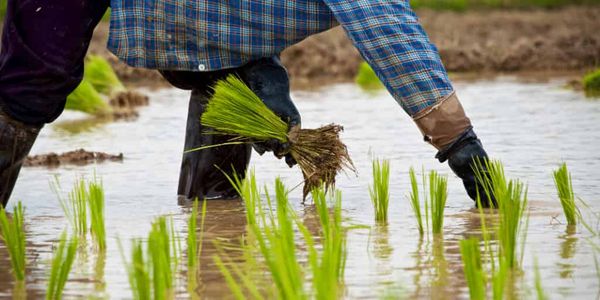
Submergence tolerance in rice is primarily attributed to SUB1 gene action, but other associated traits such as leaf gas film (LGF) thickness, leaf hydrophobicity, porosity and leaf density have been known to aid submergence tolerance in rice.
Cells, Genes & Molecules
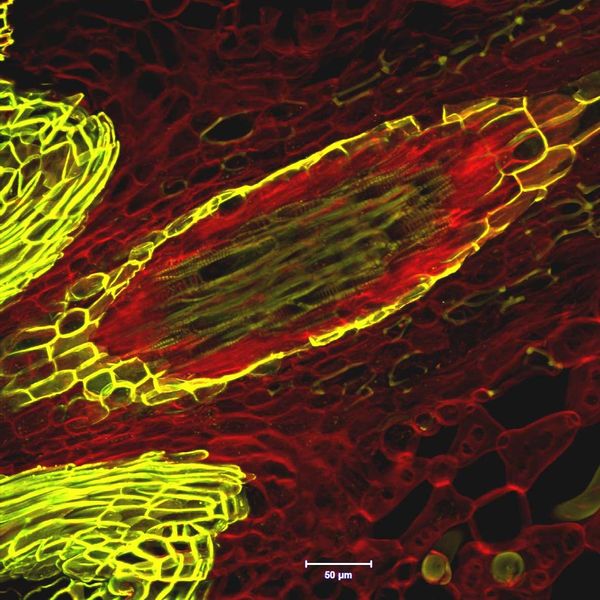
Microscopy methods developed in the 1960s are still commonly used in plant science today but new low-cost techniques offer big advantages.
Cells, Genes & Molecules
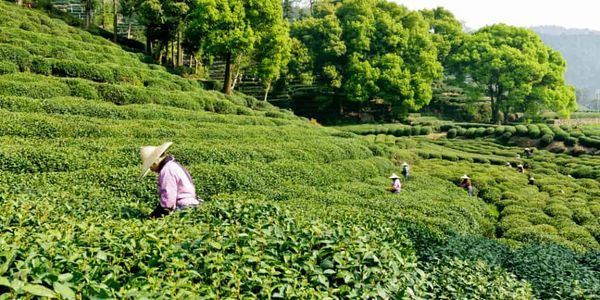
Camellia represents a group, where rDNA is subjected to a mixture of concerted and birth-and-death evolution.
Cells, Genes & Molecules
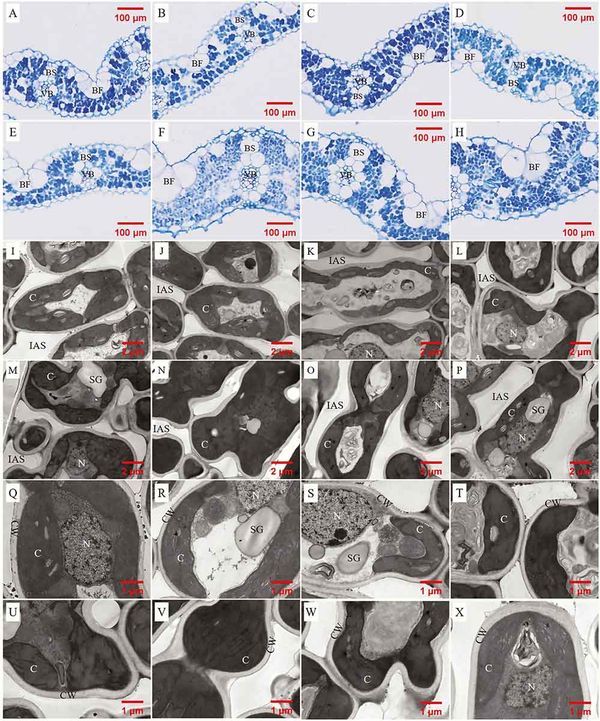
Do differences in structure and anatomy impact mesophyll conductance and photosynthesis of rice leaves?
Cells, Genes & Molecules
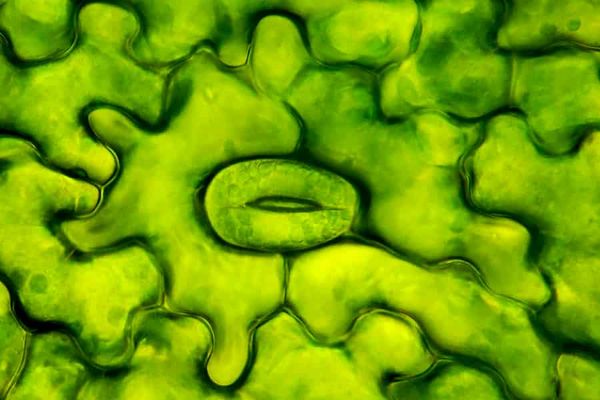
ssODNs are capable of inducing protection against pathogens through the activation of defence genes and promotion of stomatal closure.
Cells, Genes & Molecules
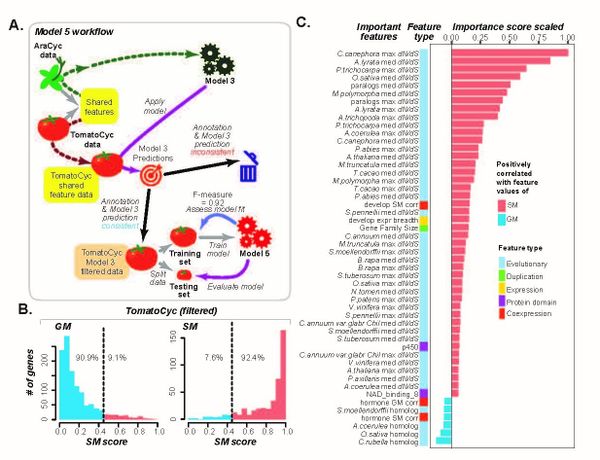
A new machine learning strategy allows genomic knowledge to be transferred from information-rich to information-poor species.
Cells, Genes & Molecules
Stomata close in response to increasing VPD but what is the mechanism responsible for this response?