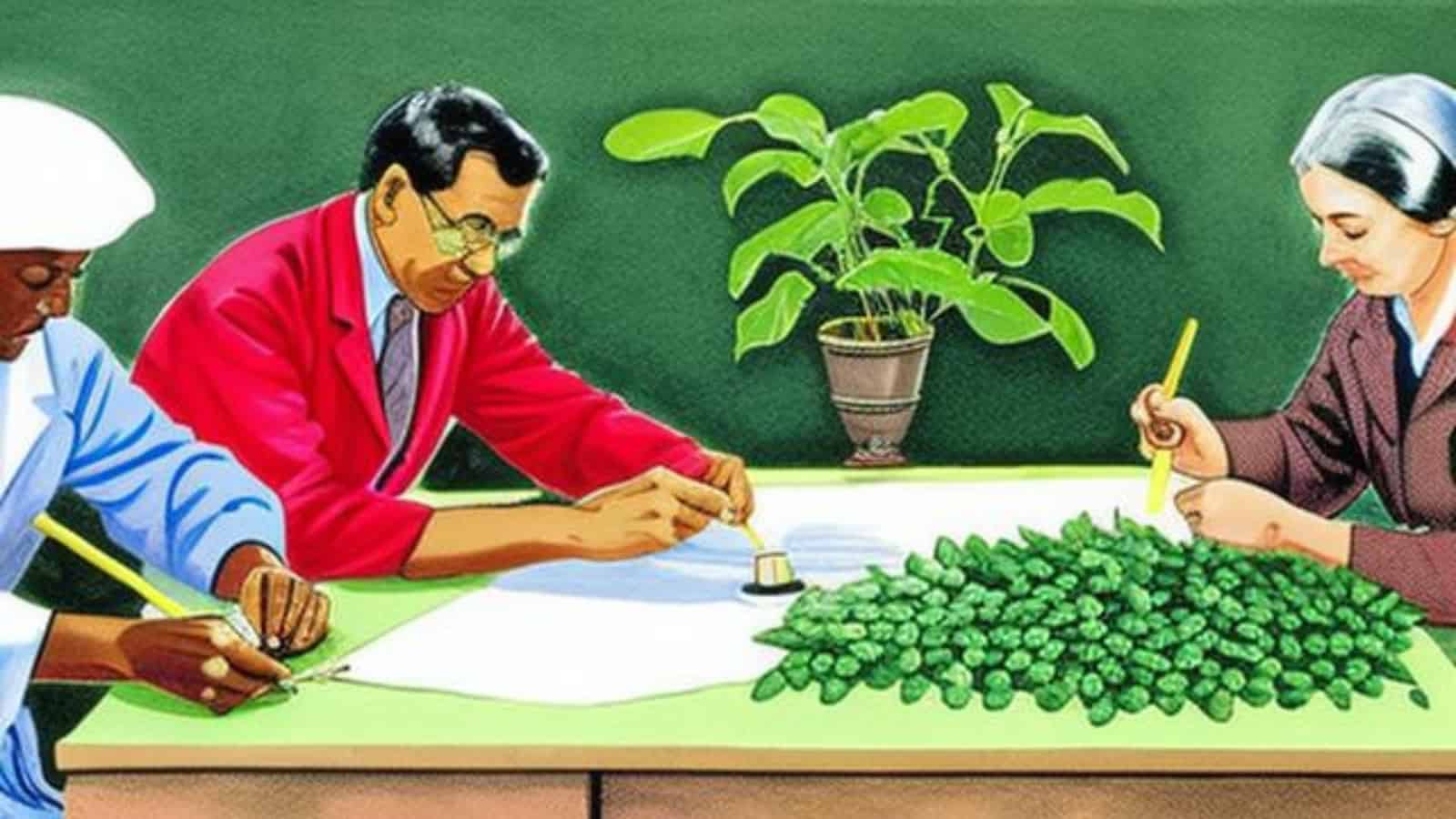
Since the release of the first plant genome in 2000, the field of next-generation sequencing applied to botanical species has bloomed and expanded from model organism (Arabidopsis thaliana) to crops, thus becoming a powerful tool to guide progress towards a more sustainable agriculture.
Scientists are exploring a new way to improve food security in the face of climate change by studying “feral crops” – wild plants that have escaped cultivation and continue to thrive without human intervention.
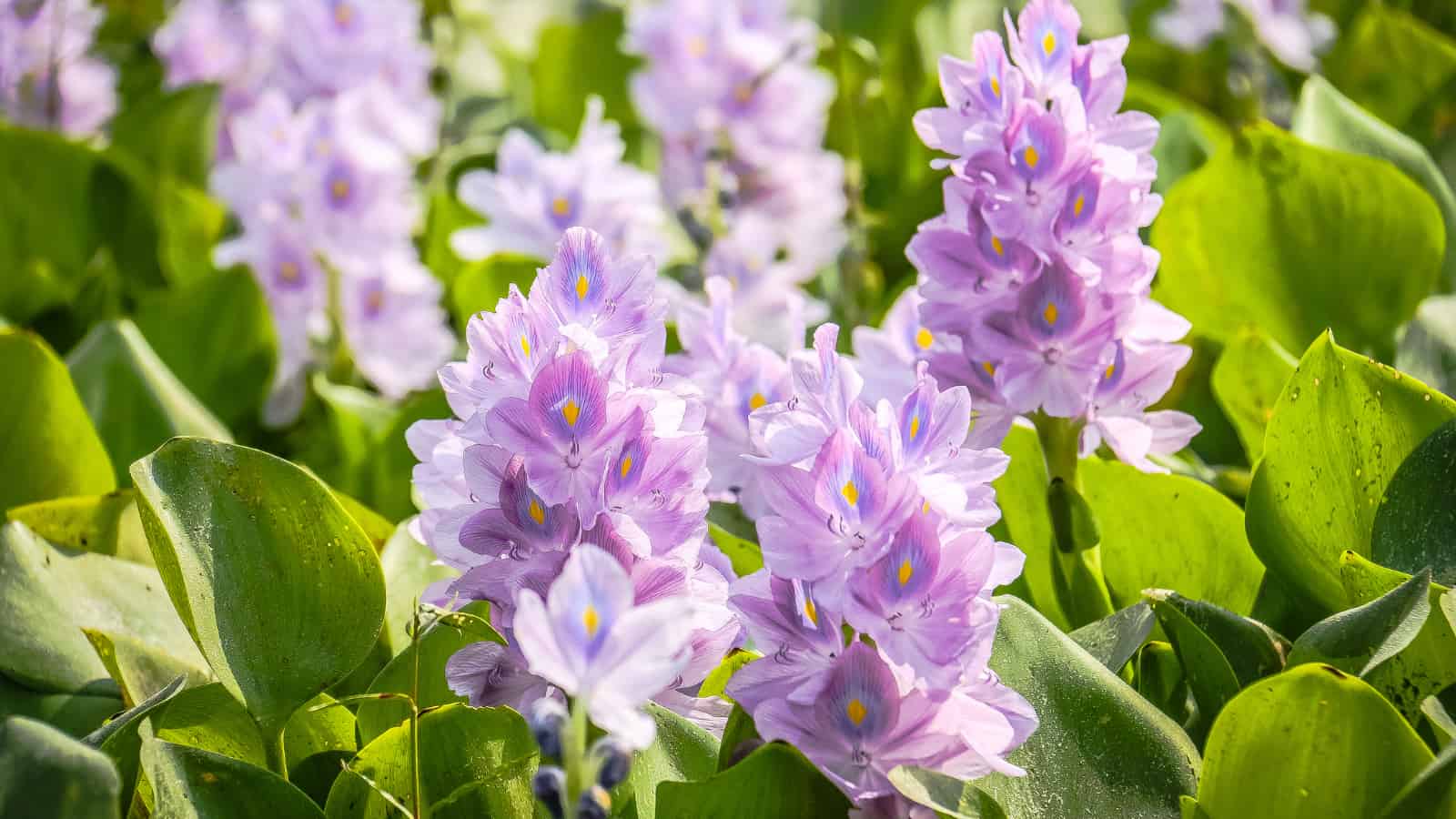
Water Hyacinths can help clean up polluted water when grown in artificial wetlands, but nanoplastic pollution could dramatically reduce their efficiency.
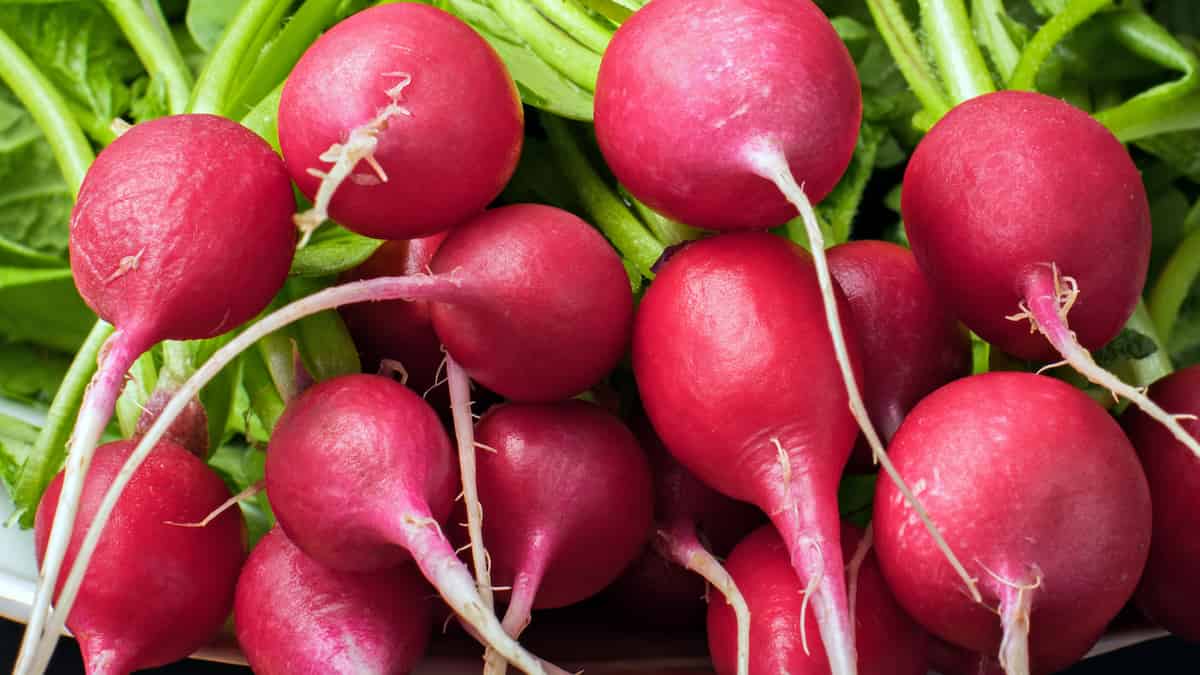
Scientists have discovered that the reason why some radish plants take longer to flower than others is that different copies of certain genes that control flowering time, can interact in complicated ways with each other, leading to differences in plant blooms.
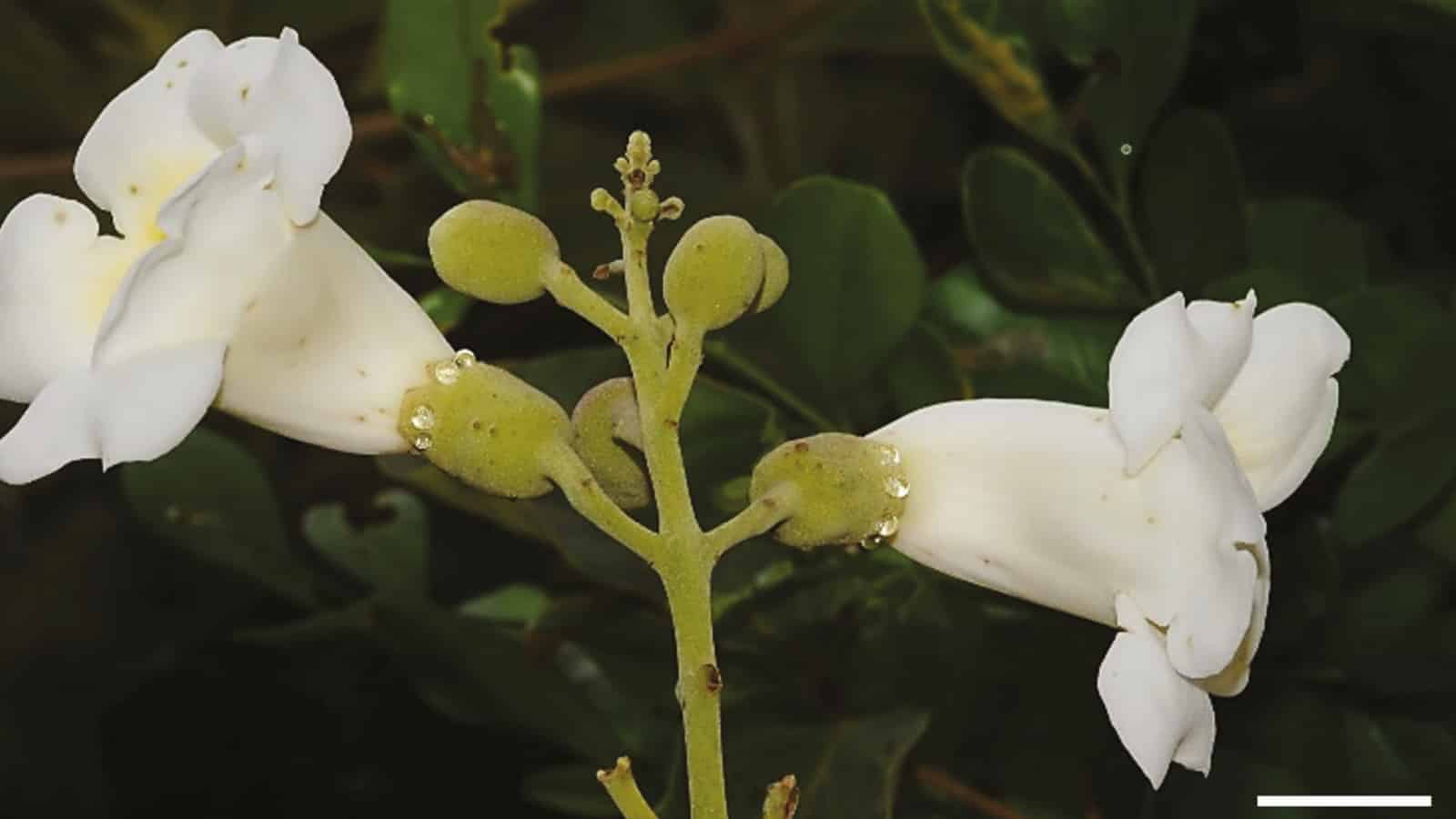
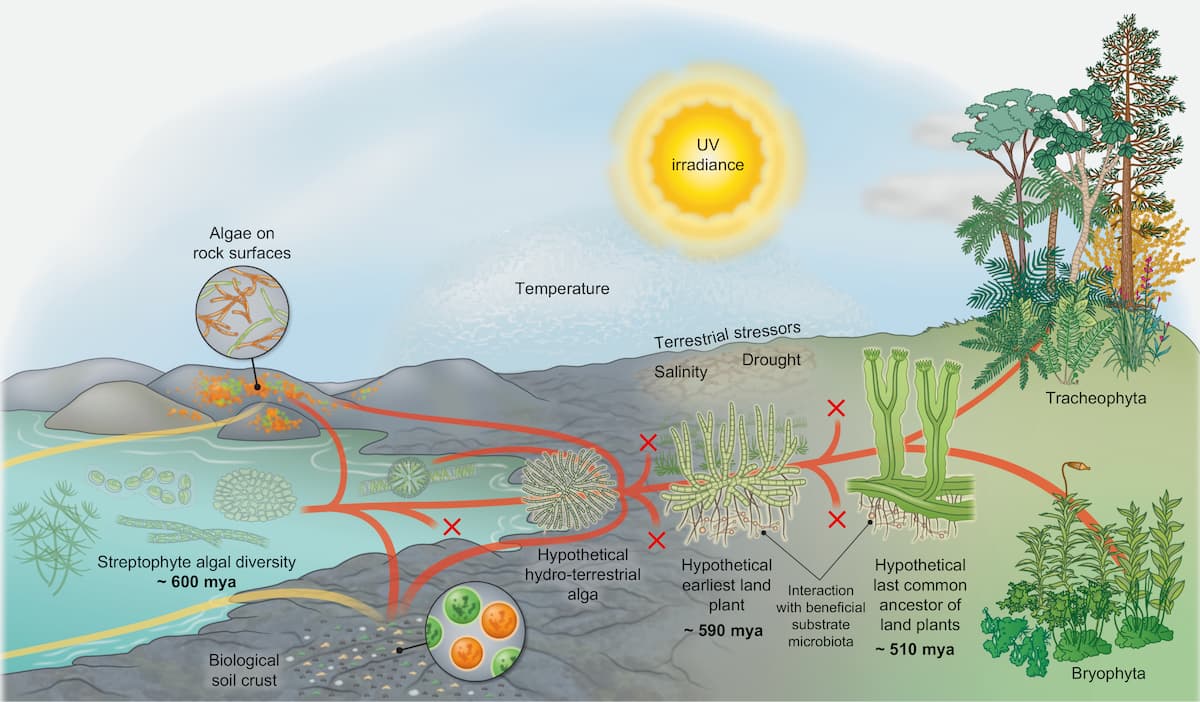
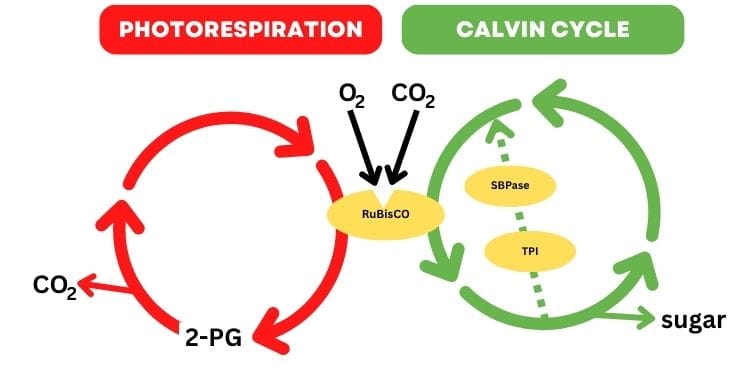
New research from the Federal University of Minas Gerais, Belo Horizonte (Brazil), sheds new light on the evolution of land plants, and specifically in one of the mechanisms underlying plant terrestrialization (the colonization of dry land).