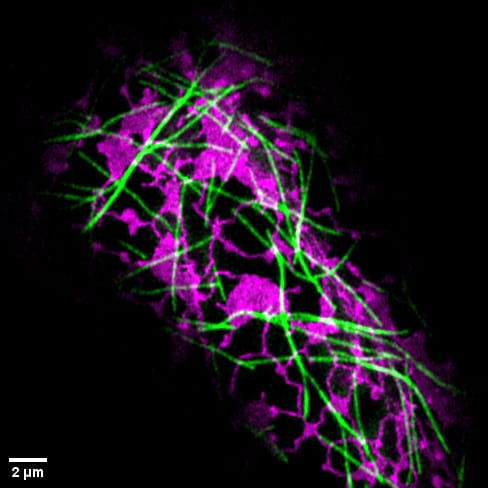
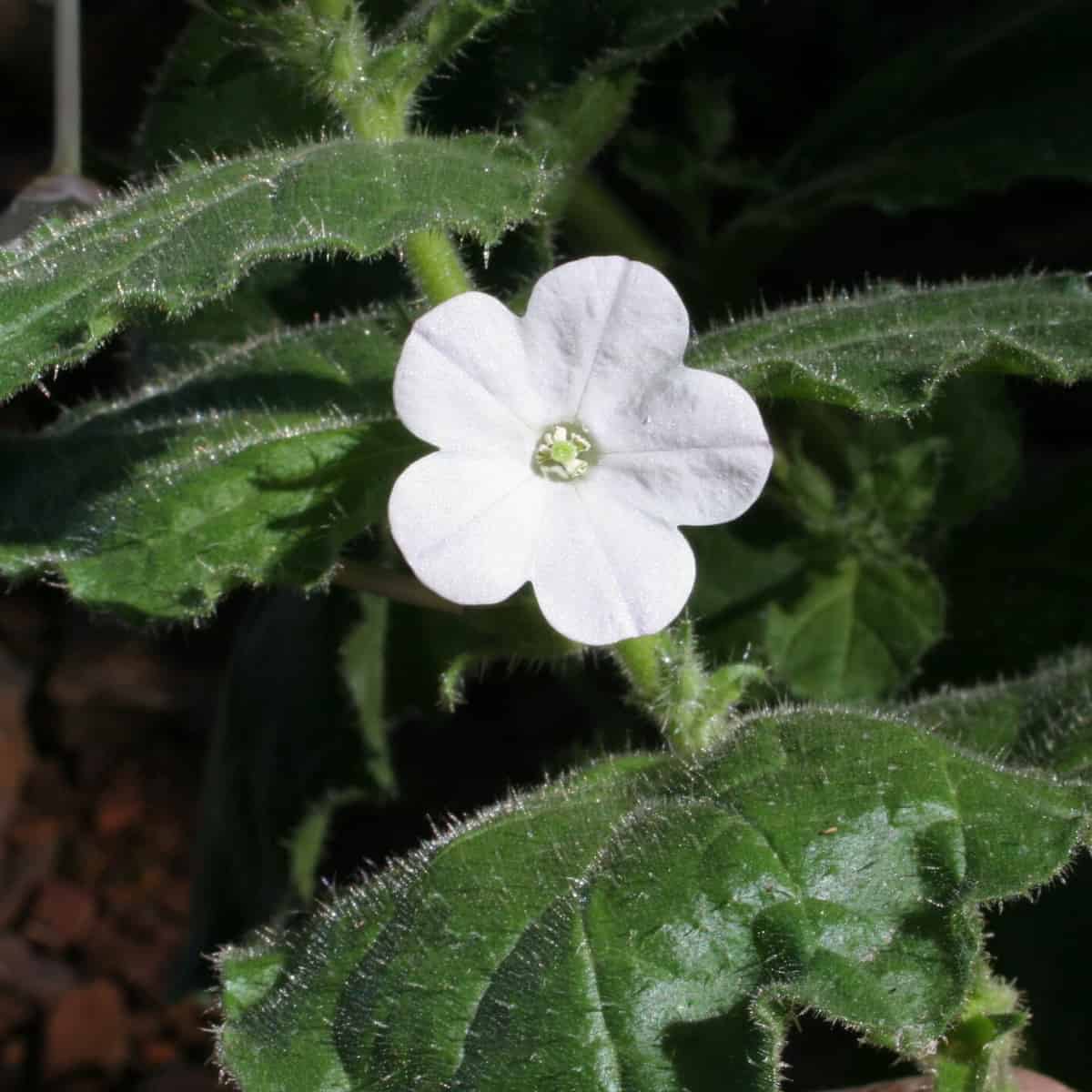
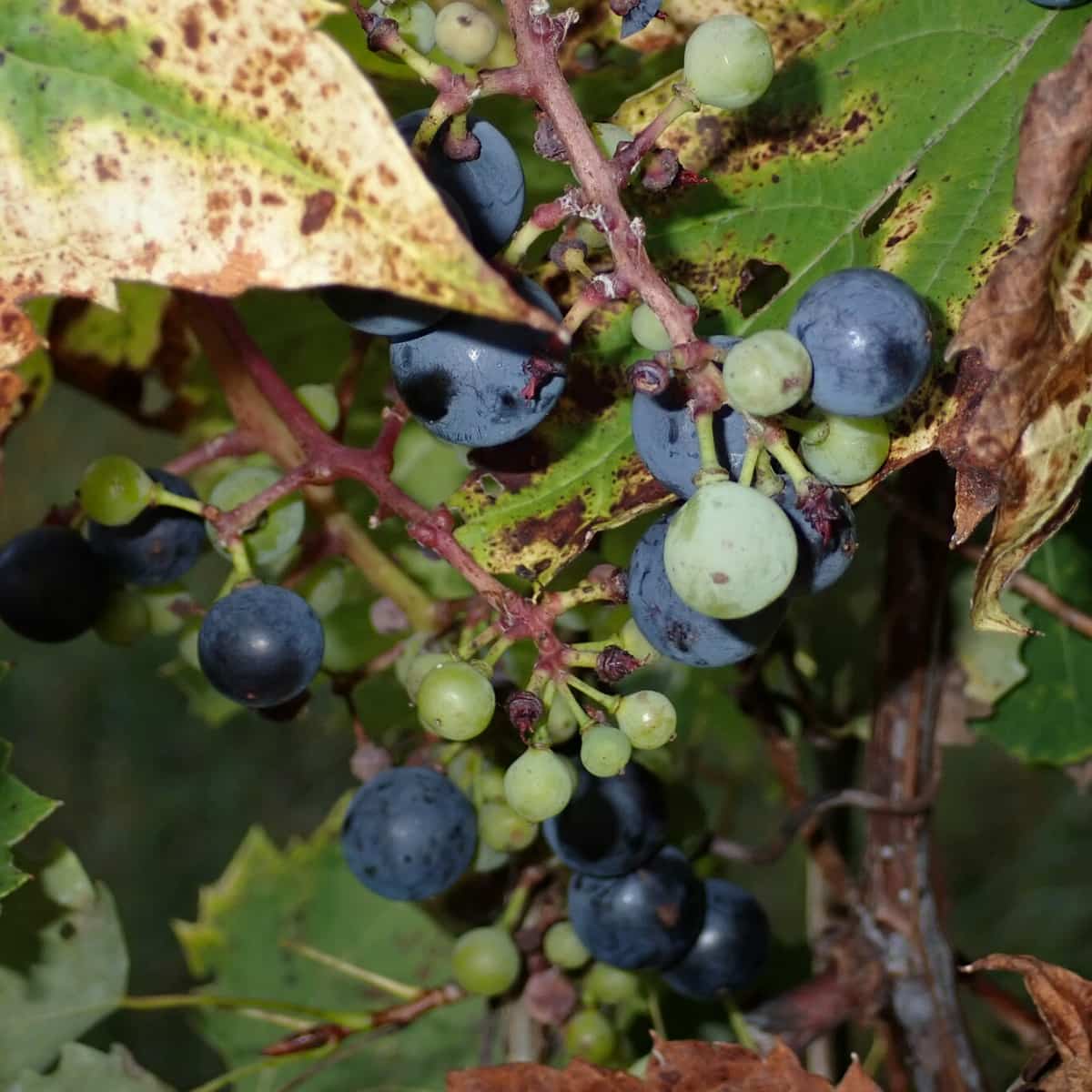
A new process could harness plants natural chemical prowess and allow them to become factories for producing complex molecules like antibodies and enzymes.
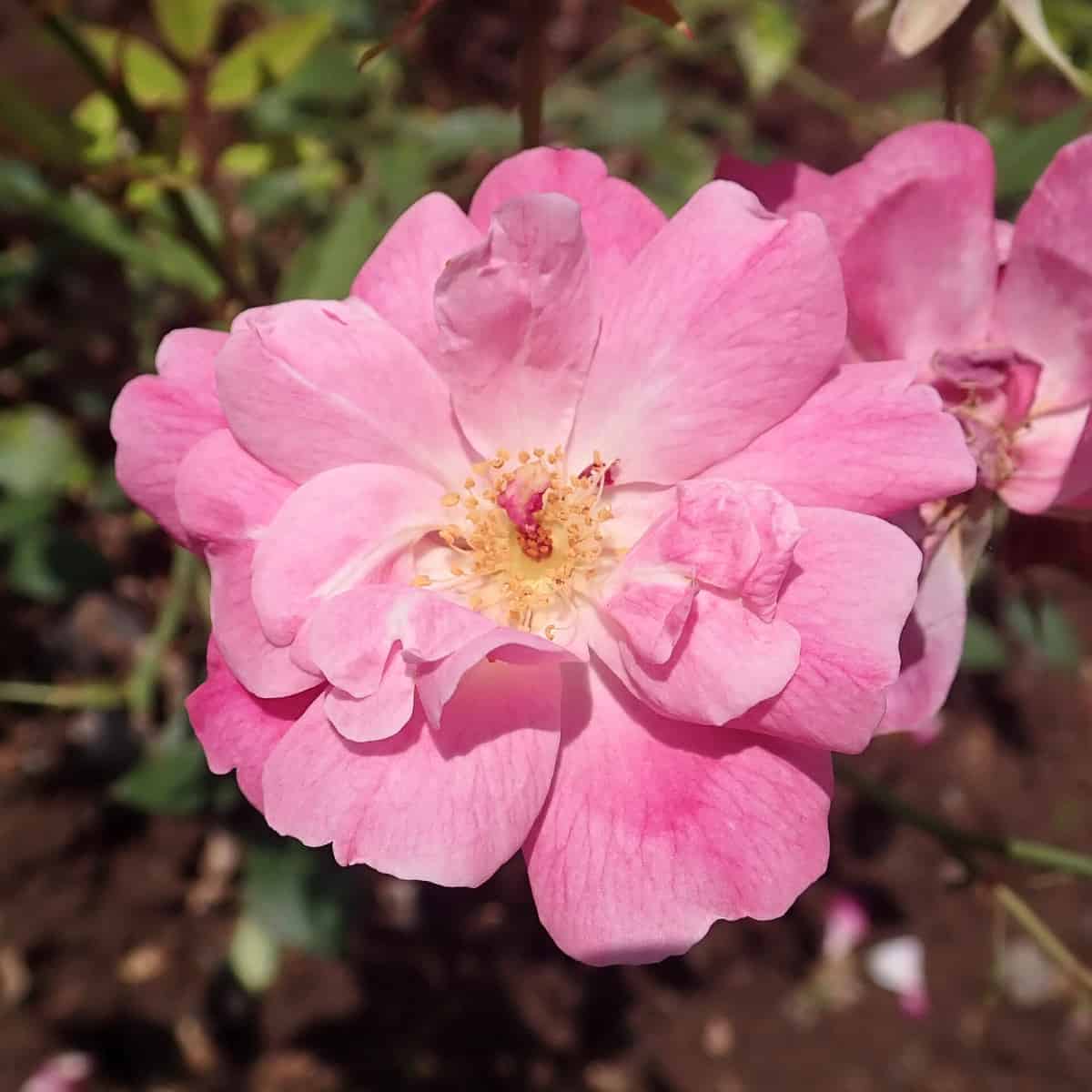
Scientists discovered that modern roses’ ability to flower repeatedly comes from a single genetic mutation in Chinese wild roses, and by tracing their family tree, they showed how hybridization with a few wild species created the roses we know today.
Viola metallophytes have evolved the rare capacity to tolerate toxic metals, allowing them to thrive in the harsh soils of Allchar, North Macedonia. Scientists now know that two closely related Viola species have evolved different tolerance mechanisms – opening up an interesting case of convergent e
Losing immunity receptor genes makes these crops more susceptible to disease, but wild relatives can be used to better understand these genes and help breed hardier crops.