Botany One
Read in
  • ZH
  • DE
  • EN
  • ES
  • FR
  • JA
  • PT
  • Home
  • Home
  • About Us
  • Archive
  • Hot Botany
  • Species Dashboard
  • Trading Card Generator
  • Manage email subscription

Tag

AoB PLANTS

No difference in the competitive ability of introduced and native Trifolium provenances when grown with soil biota from their introduced and native ranges

AoB PLANTS

No difference in the competitive ability of introduced and native Trifolium provenances when grown with soil biota from their introduced and native ranges

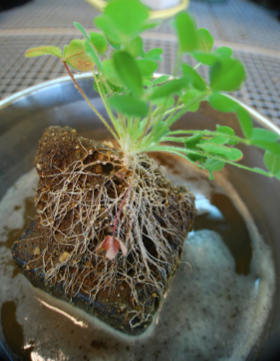
A new biogeographic study published in AoB PLANTS by Shelby et al. tested the evolution of increased competitive ability (EICA) hypothesis—a compelling explanation for why
AoBPLANTS · 25 Aug 2016

Attract them anyway – Benefits of large, showy flowers in a highly autogamous, carnivorous plant species

AoB PLANTS

Attract them anyway – Benefits of large, showy flowers in a highly autogamous, carnivorous plant species

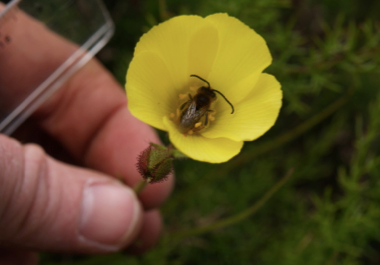
Despite being a highly autogamous or self-pollinating species, the carnivorous plant Drosophyllum lusitanicum (Drosophyllaceae) produces large, bright-yellow flowers. In a recent study published in

AoBPLANTS · 18 Aug 2016

Alien plant invasions and native plant extinctions: a six-threshold framework

AoB PLANTS

Alien plant invasions and native plant extinctions: a six-threshold framework

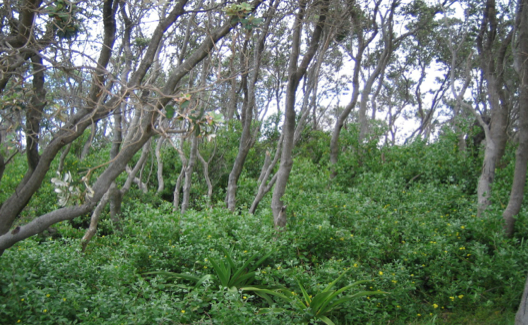
Currently there is debate around whether the outcome of alien plant invasions is the extinction of native plants. In a new study published in AoB PLANTS,

AoBPLANTS · 17 Aug 2016

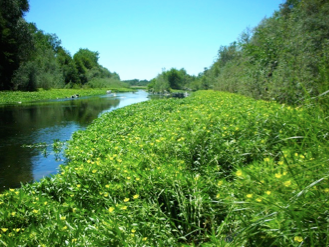
Trait responses of invasive aquatic macrophyte congeners: colonizing diploid outperforms polyploidy

AoB PLANTS

Trait responses of invasive aquatic macrophyte congeners: colonizing diploid outperforms polyploidy

Polyploidy (multiple copies of whole genomes) is over-represented in invasive plants and thought to promote their success in novel environments.  Understanding functional traits supporting colonization

AoBPLANTS · 16 Aug 2016

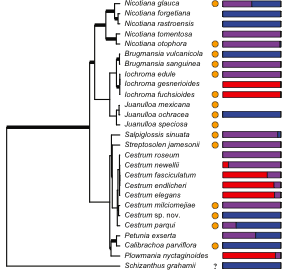
How to make a red flower: the combinatorial effect of pigments

AoB PLANTS

How to make a red flower: the combinatorial effect of pigments

Red flowers have evolved repeatedly across angiosperms and are frequently examined in an ecological context. However, less is known about the biochemical basis of red colouration

AoBPLANTS · 11 Aug 2016

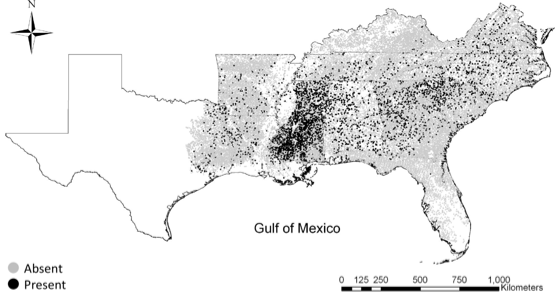
Range expansion of invasive shrubs: implication for crown fire risk in forestlands of the southern United States

AoB PLANTS

Range expansion of invasive shrubs: implication for crown fire risk in forestlands of the southern United States

Non-native plant invasions and changing management activities have altered the structure and composition of forests. Invasive shrubs and fire suppression have led to increased densification

AoBPLANTS · 9 Aug 2016

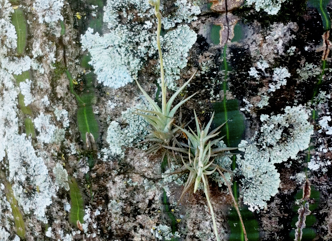
Host trait combinations drive abundance and canopy distribution of atmospheric bromeliad assemblages

AoB PLANTS

Host trait combinations drive abundance and canopy distribution of atmospheric bromeliad assemblages

Anyone interested in plants may already have asked themselves why some trees host a wide diversity and large numbers of epiphytes while others have none. This

AoBPLANTS · 4 Aug 2016

A global assessment of a large monocot family highlights the need for group-specific analyses of invasiveness

AoB PLANTS

A global assessment of a large monocot family highlights the need for group-specific analyses of invasiveness

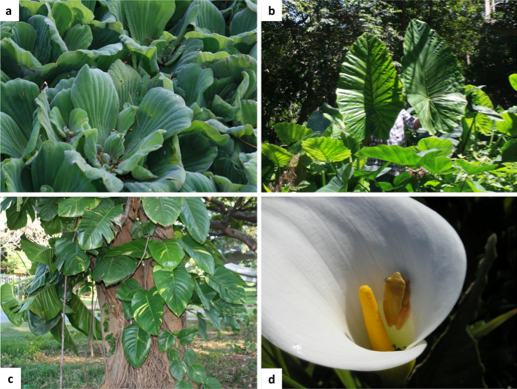
There are several emerging generalizations in invasion biology, but often the factors determining invasiveness are group-specific. Similarly to certain other plant families, Araceae species (arums

AoBPLANTS · 21 Jul 2016

Biomechanics and functional morphology of a climbing monocot

AoB PLANTS

Biomechanics and functional morphology of a climbing monocot

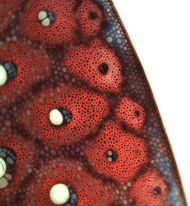
Climbing monocots can develop into large bodied plants despite being confined by primary growth. In a recent study published in AoB PLANTS, Hesse et al. measured

AoBPLANTS · 14 Jul 2016

Changes in composition, ecology and structure of high-mountain vegetation: a re-visitation study over 42 years

AoB PLANTS

Changes in composition, ecology and structure of high-mountain vegetation: a re-visitation study over 42 years

Mediterranean high-mountain ecosystems are increasingly threatened by climate change, causing biodiversity loss, habitat degradation and landscape modifications. In a new study published in AoB PLANTS,

AoBPLANTS · 28 Jun 2016

High levels of genetic diversity and population structure in an endemic and rare species: Implications for conservation

AoB PLANTS

High levels of genetic diversity and population structure in an endemic and rare species: Implications for conservation

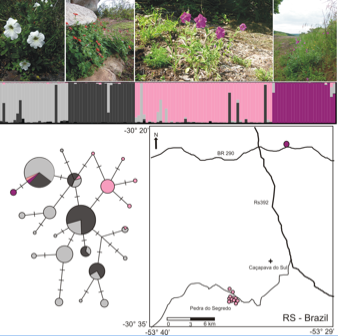
The analysis of genetic structure and variability of isolated species is of critical importance in evaluating whether stochastic or human-caused factors are affecting rare species.

AoBPLANTS · 23 Jun 2016

Phylogeography of a widespread species: Pre-glacial vicariance, refugia, occasional blocking straits and long-distance migration

AoB PLANTS

Phylogeography of a widespread species: Pre-glacial vicariance, refugia, occasional blocking straits and long-distance migration

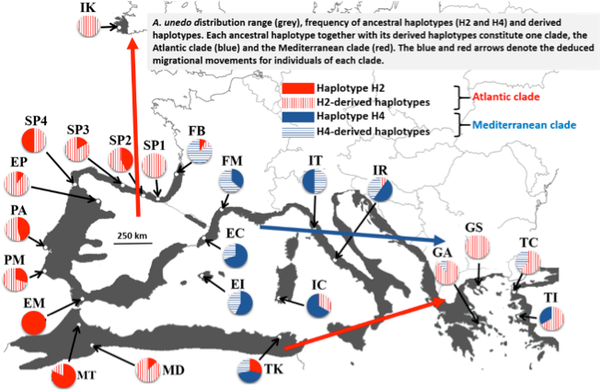
Phylogeographic studies give us the opportunity to reconstruct the historical migrations of species and link them with climatic and geographic variation. They are, therefore, a key

AoBPLANTS · 9 Jun 2016

← Newer Page 18 of 32 Older →

The week's plant science, in your inbox on Monday.

One email a week, from the nonprofit Annals of Botany Company. Unsubscribe any time.

Read in
  • ZH
  • DE
  • EN
  • ES
  • FR
  • JA
  • PT
  • Sign up
© The Annals of Botany Company