
It's another commemorative Sudoku Garden this week, celebrating the life of John Stevens Henslow who died on 16 May 1861. If you've ever walked through the Cambridge University Botanic Garden you've walked through one of his projects. As Professor of Botany he persuaded the university to move its cramped old physic garden out of the city centre to a new forty-acre site off Trumpington Road, then helped design the layout to teach the principles of plant classification through the planting itself. The garden opened to the public in 1846 and is essentially his idea made permanent, a working argument that gardens are for thinking with.
Henslow's other gift was treating plant variation as something to be measured rather than tidied away. Where most contemporaries collected pristine "type" specimens, he gathered whole populations and recorded the spread of forms within a species, work that quietly shaped how a generation of naturalists thought about what species actually were. This study of variation may have been critical to Darwin's study of differences in individuals, leading to his ideas of natural selection.
How to Play
Six plants fill each row
each column, each box of six
no bloom may repeat
Tap an empty cell
then choose your plant from below
watch the garden grow
Or pick a plant first
then tap the cells where it goes
faster hands plant more
Red borders will warn
when two alike share a line
rethink and replant
Ticked plants rest complete
all six placed in rightful soil
fewer choices left
The clock starts to run
the moment your first plant falls
how swift is your hand?
Select a plant, then tap cells
Two ways to play: Tap an empty cell then pick a plant, or select a plant below then tap cells to place it.
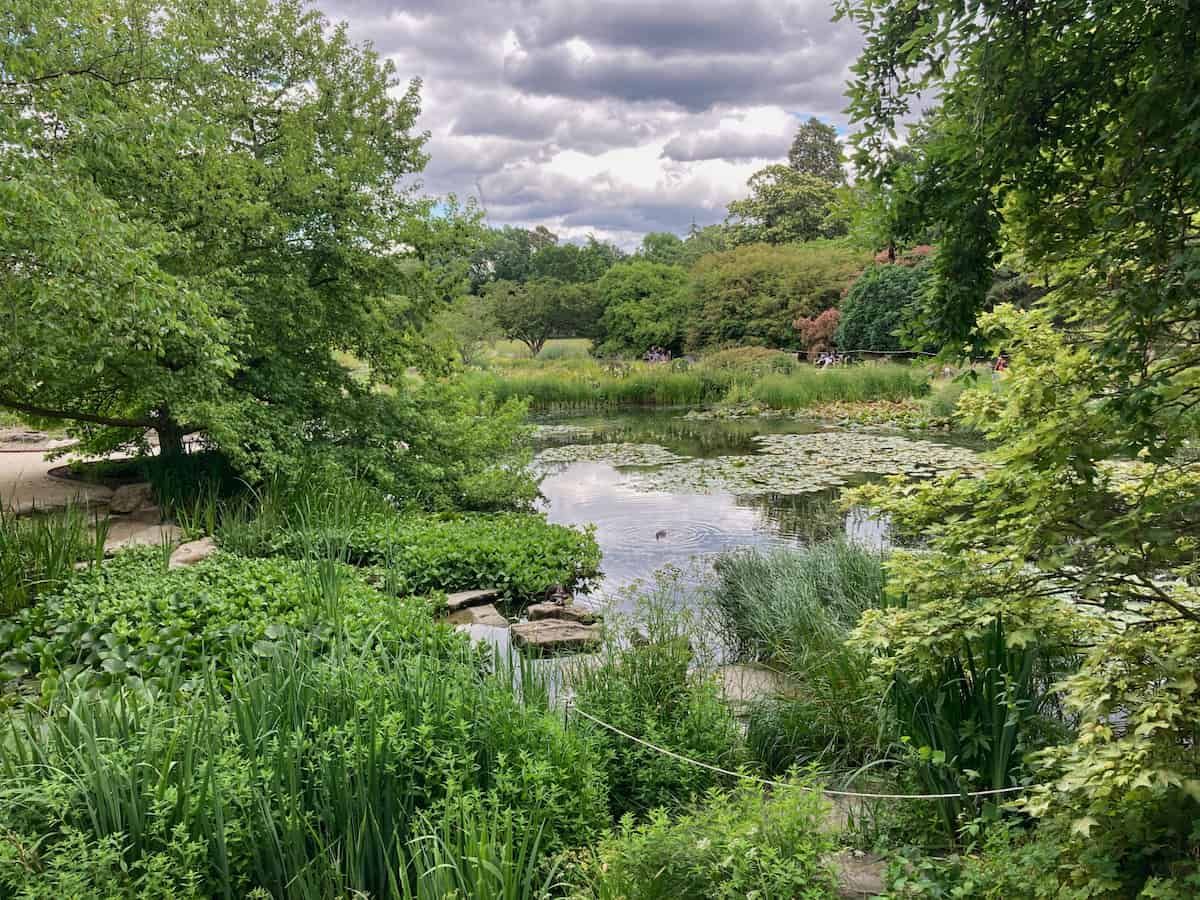
Cover image: By the lake in the Cambridge University Botanic Gardens by Julian Paren / Wikimedia Commons CC BY SA