
This week’s Sudoku Garden celebrates the life of Professor William Stearn, who died 25 years ago today. Stearn was born in 1911, and left school 15 years later, taking a job at Bowes & Bowes bookshop in Cambridge. It was here where he read his way into botany while working in the shop. He would go on to become one of the titans of the field.
Stearn's most famous book is Botanical Latin. Until very recently, every new species had to be described in Latin, a language most botanists had to wrestle with rather than read. His book became THE reference for getting it right, and even in an age of Google Translate it still turns up on working bookshelves.
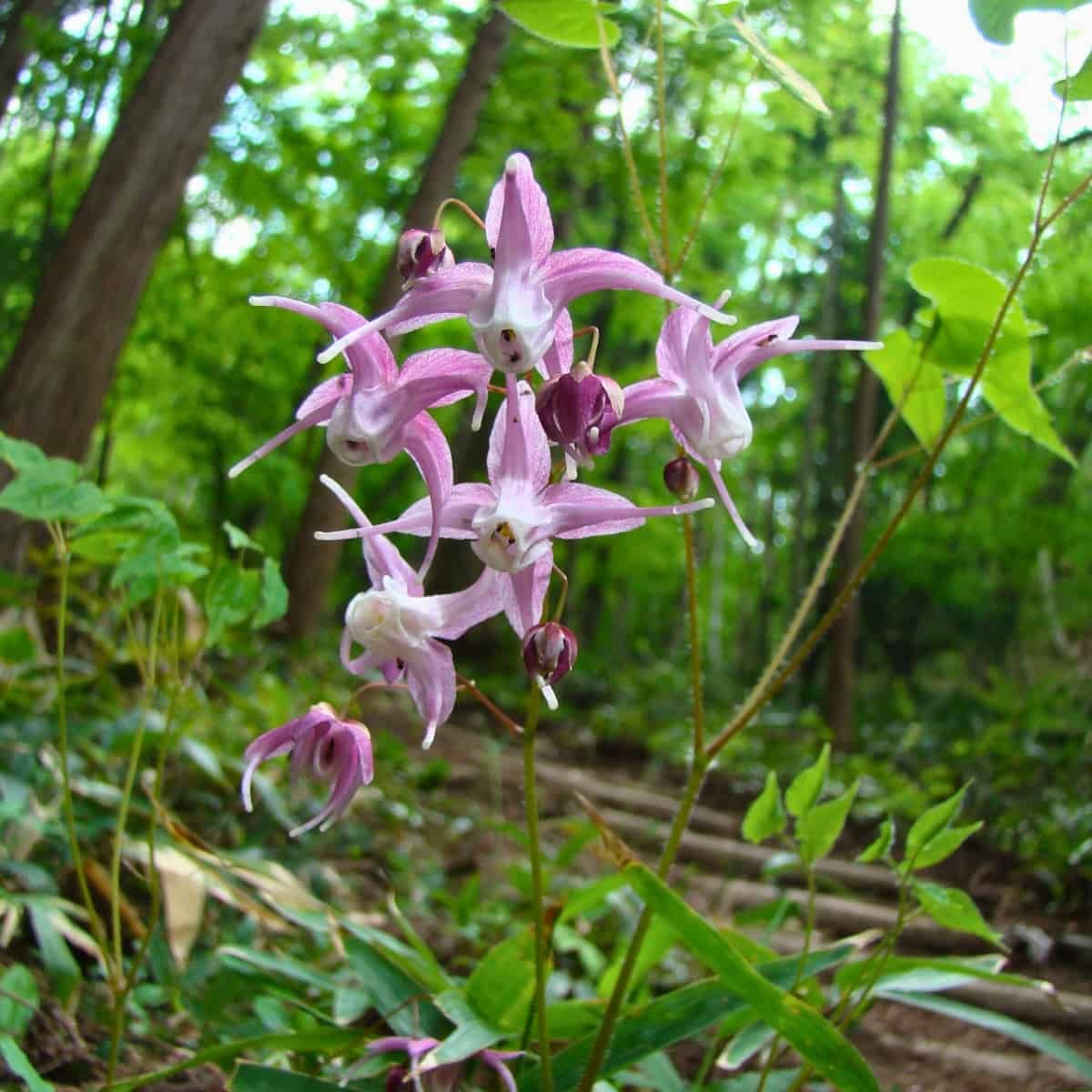
He also spent decades on the genus Epimedium, the woodland perennials with delicate spurred flowers, and his revisions still anchor the group today. In his honour, a cultivar bears his name. He also has some species named after him, though as a taxonomist he'd be the first to point out that several of those names have since been sunk as synonyms.
Even if you avoid Latin entirely and stick to gardener-friendly cultivar names, you're still using Stearn's work. He laid down the rules for how cultivated plants are catalogued, and the word 'cultivar' is in the International Code of Nomenclature for Cultivated Plants because he put it there. The boy who started by reading about botany at work ended up helping define how it was written.
How to Play
Six plants fill each row
each column, each box of six
no bloom may repeat
Tap an empty cell
then choose your plant from below
watch the garden grow
Or pick a plant first
then tap the cells where it goes
faster hands plant more
Red borders will warn
when two alike share a line
rethink and replant
Ticked plants rest complete
all six placed in rightful soil
fewer choices left
The clock starts to run
the moment your first plant falls
how swift is your hand?
Select a plant, then tap cells
Two ways to play: Tap an empty cell then pick a plant, or select a plant below then tap cells to place it.
Cover image: Epimedium grandiflorum by Michael Berardozzi / iNaturalist CC BY