
Here's a round up of the top 20 papers you've been sharing this week on Bluesky. Papers behind a paywall are marked 💰otherwise they're free to access at time of checking.
How this works
We scan posts by people on the Botany Auto list and pull out the entries with links to papers. Every time a paper gets a post written about it it gets 4 points. It gets 3 points for a repost and 1 point for a like.
We try to add people to the Botany Auto post, if they post about Botany (doesn't have to be links to papers) around 20% of the time or more. The belief is that because the list as a whole shares an interest in plants, it's this material that tends to rise to the top.
If you think you should be on the Botany Auto list, but aren't, please drop a message to @botany.one on Bluesky.
1. A chromosome-scale super-pangenome of the lichen genus Peltigera reveals genome architecture and expanded interaction repertoires shared across pathogenic and mutualistic fungi
Joisten-Rosenthal, V. et al. · bioRxiv
Here, we generated a chromosome-scale super-pangenome for the lichen-forming genus Peltigera, comprising 41 mycobiont assemblies representing eleven species, together with genomes of associated Nostoc and, in tripartite species, Coccomyxa photobionts. The mycobiont genomes revealed extensive variation in genome size, transposable element content, biosynthetic gene clusters, and lineage-specific gene content, with pronounced expansions in tripartite species.
Björn Usadel @usadellab.bsky.social · 1/8 on Bluesky
What if the genomic features we associate with fungal pathogens were also used by mutualists?
We assembled 41 scale lichen genomes across 11 Peltigera species, with 30 chromosome-scale and 5 T2T assemblies, revealing an unexpected genomic toolkit behind lichen symbiosis.
doi.org/10.64898/202...
2. AI, Comparative Advantage, and the Next Decade of Ecological Research
Drake, J.M. Ecology Letters
Science is a highly, but not wholly, competitive enterprise. Scientists give considerable weight to priority of discovery. Watson and Crick raced Pauling to the structure of DNA; Darwin hurried the Origin into print after Wallace's letter arrived from the Malay Archipelago. Yet science also depends on cooperation in ways that markets do not. Researchers share methods, publish negative results (at least in principle), and build openly on each other's work. This tension between competition and cooperation is part of what keeps the enterprise moving forward. It also means that the strategic landscape of research (who has an advantage, and why) shifts as tools and norms change.
Robert Fletcher @fletcherecology.bsky.social · on Bluesky
Really interesting take on the future of ecology in an AI world.
The take home: experiments and long-term studies will have increasing value.
@jdrakephd.bsky.social
doi.org/10.1111/ele.70427
3. Organelle positioning as a principle of metabolic regulation and stress tolerance
Fernie, A. R. et al. · The Plant Journal
Plants have evolved elaborate acclimation strategies to withstand adverse environments, involving all levels of their function and organization. While macroscopic movements through differential growth that enable the physical re-shaping and -positioning of organs have been a major field of study, the highly active dynamics of cell organelles within the immobile plant cell hold major unresolved questions. Here, we argue that the precise positioning of cell organelles is not only critical for cell division and development but also represents a fundamental principle in regulating cellular metabolism and underpinning effective responses to biotic and abiotic stresses.
Plant Energy Biology Lab @schwarzlanderlab.bsky.social · on Bluesky
Organelle positioning as a principle of metabolic regulation and stress tolerance 🌿🔋🍃
Looking ahead in this joint perspective 🔮 with the Fernie and Sonnewald labs
@theplantjournal.bsky.social
doi.org/10.1111/tpj.70987
4. Complete biosynthesis of psychedelic tryptamines from three kingdoms in plants
Berman, P. et al. · Science Advances
Psychedelic indolethylamines with therapeutic potential are naturally produced in plants, fungi, and animals. Here, we elucidated the complete N,N-dimethyltryptamine (DMT) biosynthetic pathway in hallucinogenic plant species traditionally used in shamanic rituals for spiritual healing. Leveraging the similarities in their chemical structures, we reconstructed in one plant assay the full biosynthetic pathways of five renowned natural psychedelics; psilocin and psilocybin found in mushrooms, DMT from plants, and bufotenin and 5-methoxy-DMT secreted by the Sonoran Desert toad.
Sophien Kamoun @kamounlab.bsky.social · on Bluesky
Magic benthi! 🍄 🌱
Psychedelic Nicotiana benthamiana wasn’t on my 2026 synbio bingo card.
science.org/doi/10.1126/...
5. Unprecedented Amazonian rainforests damage during the 2023–2024 droughts
Bai, H et al. · PNAS
The Amazonian rainforests account for around a quarter of global forest carbon stocks, and they are increasingly threatened by severe droughts, particularly the record-breaking and consecutive droughts of 2023–2024. Using long-term continuous satellite radar observations, this study shows that during the 2023–2024 droughts, satellite radar scatterometer signal of Amazonian rainforests reached its lowest level since 1992, suggesting substantial alteration in forest functioning, including forest moisture and biomass. Model projections indicate that the postdrought recovery of the 2023–2024 event will likely be the lowest of all major droughts recorded since 1992. These findings provide an assessment of the impacts of the most recent droughts for Amazonian rainforests and highlight their growing vulnerability to intensifying climate extremes.
Brian J. Enquist @bjenquist.bsky.social · on Bluesky
Unprecedented Amazonian rainforest damage during the 2023–2024 droughts.
“...these forests are approaching the limits of their preindustrial operating space.” 🧪🌾🌐
pnas.org/doi/abs/10.1073/...
6. Widespread ecological responses and cascading effects of the 2021 western North American heatwave
Baum, J. K. et al. · Nature Ecology and Evolution
Extreme weather events are increasing in frequency and intensity, but their ecological impacts remain less well understood than those of gradual climate change, largely owing to the challenge of studying unpredictable, short-lived events. The 2021 western North American heatwave is among the most extreme on record globally, yet a broad assessment of its ecological consequences is lacking. Here we synthesize meteorological, ecological, hydrological and wildfire data, along with process-based modelling, to quantify the heatwave and its impacts across the region. Our meta-analysis of 32 terrestrial and marine taxa reveals that over 75% were negatively impacted, but species responses ranged widely, from 99% declines to 89% increases.
James Bullock @jmbecologist.bsky.social · on Bluesky
As heatwaves are increasing in frequency, not only are humans affected, but wild species & ecosystems suffer too.
A timely paper on cascading ecological impacts of the 2021 North American heatwave.
nature.com/articles/s41559-026-02987-6
7. Evolutionary assembly of a unique purple-green photosymbiosis revealed by expanded ciliate diversity
Muñoz-Gómez, S. A., et al. · The ISME Journal
Symbioses are widespread in nature and have been the source of much evolutionary innovation. While some types of symbioses evolved multiple times across space and time (e.g., oxygenic photosymbioses or chemosymbioses), others are extremely rare. Purple photosymbioses are an example of such rare associations. Only two purple photosymbioses between heterotrophic eukaryotes and intracellular purple bacteria have been documented. This contrasts sharply with oxygenic photosymbioses which are very common in nature. What factors prevent the more frequent establishment of purple photosymbioses? To shed light on this question, we investigated the evolutionary history of the purple-green ciliate Pseudoblepharisma tenue (Spirostomidae) using a phylogenetic and comparative approach and newly discovered species and their symbionts.
ISEP @isepprotists.bsky.social · on Bluesky
New #ISEPpapers! Evolutionary assembly of a unique purple-green photosymbiosis revealed by expanded ciliate diversity.
academic.oup.com/ismej/advance...
#Protists #Bacteria #Ciliates #Symbiosis #Evolution #Microbes
8. Genome engineering of plant photosynthesis for carbon sequestration
Groover, E.D. et al. · Nature Reviews Bioengineering
Anthropogenic carbon emissions have destabilized Earth’s carbon cycle, triggering cascading effects on climate and biodiversity. Plant-based carbon dioxide removal (CDR) presents a scalable, economically viable path to atmospheric carbon sequestration through soil carbon deposition, dedicated biomass cultivation and strategic agroforestry. Although photosynthesis drives terrestrial carbon capture, effective CDR strategies demand genetic optimization of carbon assimilation, retention and storage. The regulatory landscape is restrictive towards transgenic crops yet permissive of genome editing, creating a window for intervention. Advances in CRISPR-based editing, computational plant trait prediction and delivery systems for gene-editing tools in planta enable precision engineering of plant phenotypes to increase photosynthetic efficiency and carbon sequestration capacity. In this Review, we map the molecular and physiological innovations required to realize plant-based CDR at climate-relevant scales. Beyond optimizing carbon capture itself, we examine strategies to engineer enhanced biomass accumulation, improve nitrogen and water use efficiency, and stabilize carbon storage in plant and soil systems. We further assess the opportunities, implementation challenges and the potential of deploying genome-edited crops as a cornerstone of global carbon management.
Global Plant Science Spotlight @plant-sci.bsky.social · on Bluesky
🌾🧬 Plant-based carbon removal needs better photosynthesis. CRISPR editing can boost carbon capture, biomass & storage stability. Regulatory window favours genome editing over transgenics.
A scalable tool for global carbon management. #plantscience
@natrevbioeng.nature.com
nature.com/articles/s44222-026-00453-3
9. Trans-kingdom delivery of aphid-derived small RNAs into Arabidopsis thaliana modulates plant immunity
Chen, J. et al. · bioRxiv
Herbivore insects are on an evolutionary tug-of-war with plants. An important part of the plant-herbivore insect interaction is the exchange of molecules, in particular proteins (in the form of effectors) and RNA. Among RNAs, small RNAs have been identified as important molecules shaping the communication between different pests/parasites and their host, but the role of these molecules in the interaction between aphids and plants is not well understood. Here, we explored the role of aphid-derived sRNAs in the interaction between Arabidopsis thaliana and the green peach aphid, Myzus persicae. Using sRNA sequencing, we identified a significant amount of bona-fide aphid-derived sRNAs within Arabidopsis tissues. Using immunoprecipitation followed by sRNA sequencing and degradome sequencing we determined that these sRNAs are incorporated into endogenous AGO proteins, in particular AGO1, and induce the cleavage of transcripts involved in the modulation of the immune response against the aphid. Our results indicate that aphid sRNAs attenuate the immune response of Arabidopsis thaliana and can improve aphid performance. In addition, we identified that aphid-derived sRNAs are commonly injected into other aphid-host combinations. Accordingly, our work indicates that aphid-derived sRNAs are active players in aphid-host interactions.
Chenxin Li, PhD @chenxinli2.bsky.social · on Bluesky
Trans-kingdom delivery of aphid-derived small RNAs into Arabidopsis thaliana modulates plant immunity.
From:
biorxiv.org/content/10.64898/...
#PlantScience
10. Phylogenetic diversity of flowering plants declines across the growing season in Rocky Mountain wildflower communities
Veldhuisen, L. N. et al. · International Journal of Plant Sciences 💰
International Journal of Plant Sciences @ijpsjournal.bsky.social · on Bluesky
Phylogenetic diversity of flowering plants declines across the growing season in Rocky Mountain wildflower communities.
@leahveldhuisen.bsky.social, Brian J. Enquist, Katrina M. Dlugosch
journals.uchicago.edu/doi/abs/10.1086/...
#PlantScience
Journal of Integrative Plant Biology @jipb.bsky.social · on Bluesky
Zhang et al. report that in Populus, #gravity, not mechanical strain, redirects auxin and initiates tension #wood formation, revealing how #trees sense orientation, reshape their structure, and adapt to their #environment.
doi.org/10.1111/jipb.70325
@wileylifesci.bsky.social
#PlantScience
Journal of Experimental Botany @jxbotany.bsky.social · on Bluesky
💧 REVIEW 💧
Lipid droplets (LDs) are dynamic organelles central to carbon and energy homeostasis 🔬
Here, Blot et al. examine how cells remodel the protein and lipid composition of LDs, and direct their subcellular location to fulfil their functions 📍
doi.org/10.1093/jxb/eraf501
#PlantScience 🧪
13. Using herbarium collections to study genetic responses to global change - New Phytologist
New Phytologist @newphyt.bsky.social · on Bluesky
#Viewpoint: Using herbarium collections to study genetic responses to global change.
Eckert et al.
📖 doi.org/10.1111/nph.70454
#LatestIssue #PlantScience
@lucaseckert.bsky.social
@cameronso.bsky.social
14. A critical window of maternal temperature effects on weedy rice seed dormancy - Annals of Botany
Gabriela Auge @gabyplantbio.bsky.social · on Bluesky
Our recently published paper is free to read for a few weeks, check it out!
academic.oup.com/aob/advance-...
Facundo Romani @fromani.bsky.social · on Bluesky
Glad to see Anna's final PhD paper as a pre-print. Marchantia as a bioproduction chassis not only for markers but also for useful proteins. #PlantScience #SynBio
biorxiv.org/content/10.64898/...
Botanical Society of America @botsocamerica.bsky.social · on Bluesky
Turning a new leaf: PhenoVision provides #LeafPhenology data at the global scale.
New in #AppsPlantSci by @er1ngrady.bsky.social, @djli.bsky.social, @rdinnager.bsky.social, et al.
doi.org/10.1002/aps3.70067
@inaturalist.bsky.social
@floridamuseum.bsky.social
#botany #citizenscience #computervision
Arthur Gessler @arthurobuntspecht.bsky.social · on Bluesky
🌳 Tree mortality in 🇫🇷 France rose 1.5–4× (2015–2023). 500k+ trees analysed; warmer winters & springs are top drivers. Even wet springs increase mortality risk via ‘structural overshoot’. Seasonal climate combos matter more than single extremes. #forests #climatechange
nature.com/articles/s41467-026-74613-9
18 A receptor kinase complex refines cambium activity in Arabidopsis - PNAS
Peter Etchells @peteretchells.bsky.social · on Bluesky
Really pleased to see Qing He’s work out in its final form.
My group had previously shown that PXY-mediated regulation of cambium development had an ERECTA-mediated influence, but we didn’t understand the mechanism. 🧵
pnas.org/doi/epdf/10.1073/...
19. Bridging data silos to holistically model plant macrophenology - New Phytologist
Global Plant Science Spotlight @plant-sci.bsky.social · on Bluesky
🌿📊 Phenological data from herbaria, citizen science, observatories, and remote sensing remain siloed. Harmonisation through common schemas and metadata standards could unlock deeper understanding of climate responses. #plantscience
@newphyt.bsky.social
doi.org/10.1111/nph.70249
Botanical Society of America @botsocamerica.bsky.social · on Bluesky
#AppsPlantSci special issue “Branching out: Resolving plant evolution through phylogenetic networks” is online!
Thanks to editors Claudia Solís-Lemus & George Tiley for curating this issue.
Check out the intro doi.org/10.1002/aps3.70065
#botany #plantscience #phylogenetics #evolution #bioinformatics
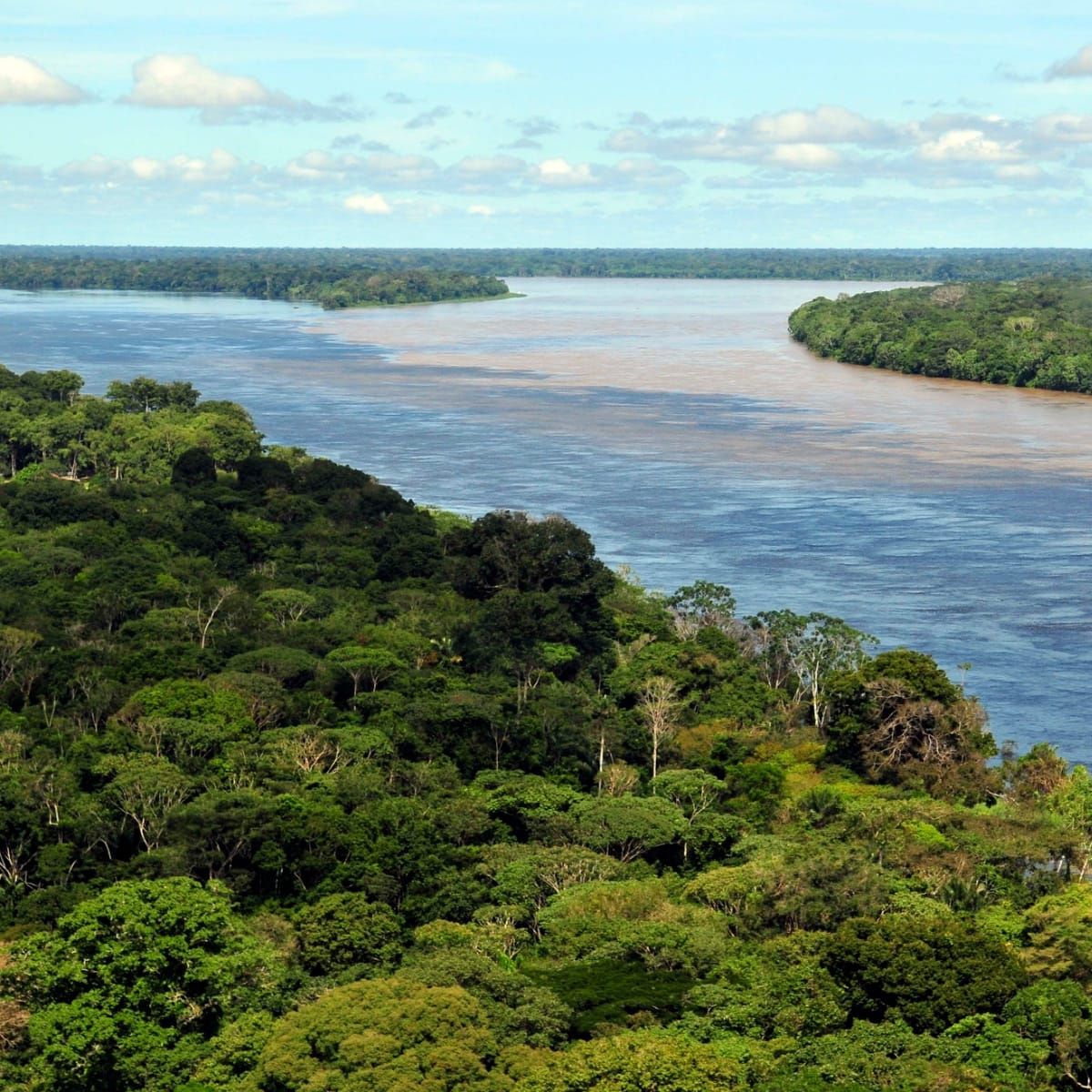
Cover image: Aerial view of the Amazon Rainforest, near Manaus, the capital of the Brazilian state of Amazonas. Phoyo by Neil Palmer/CIAT (Wikimedia Commons, CC BY-SA 2.0)



.jpg?ref=botany.one#/media/File:Amazon_CIAT_(2).jpg)