

Plants are incredibly diverse, and so are botanists! In its mission to spread fascinating stories about the plant world, Botany One also introduces you to the scientists behind these great stories.
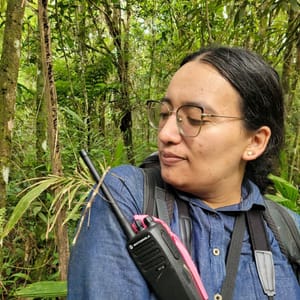
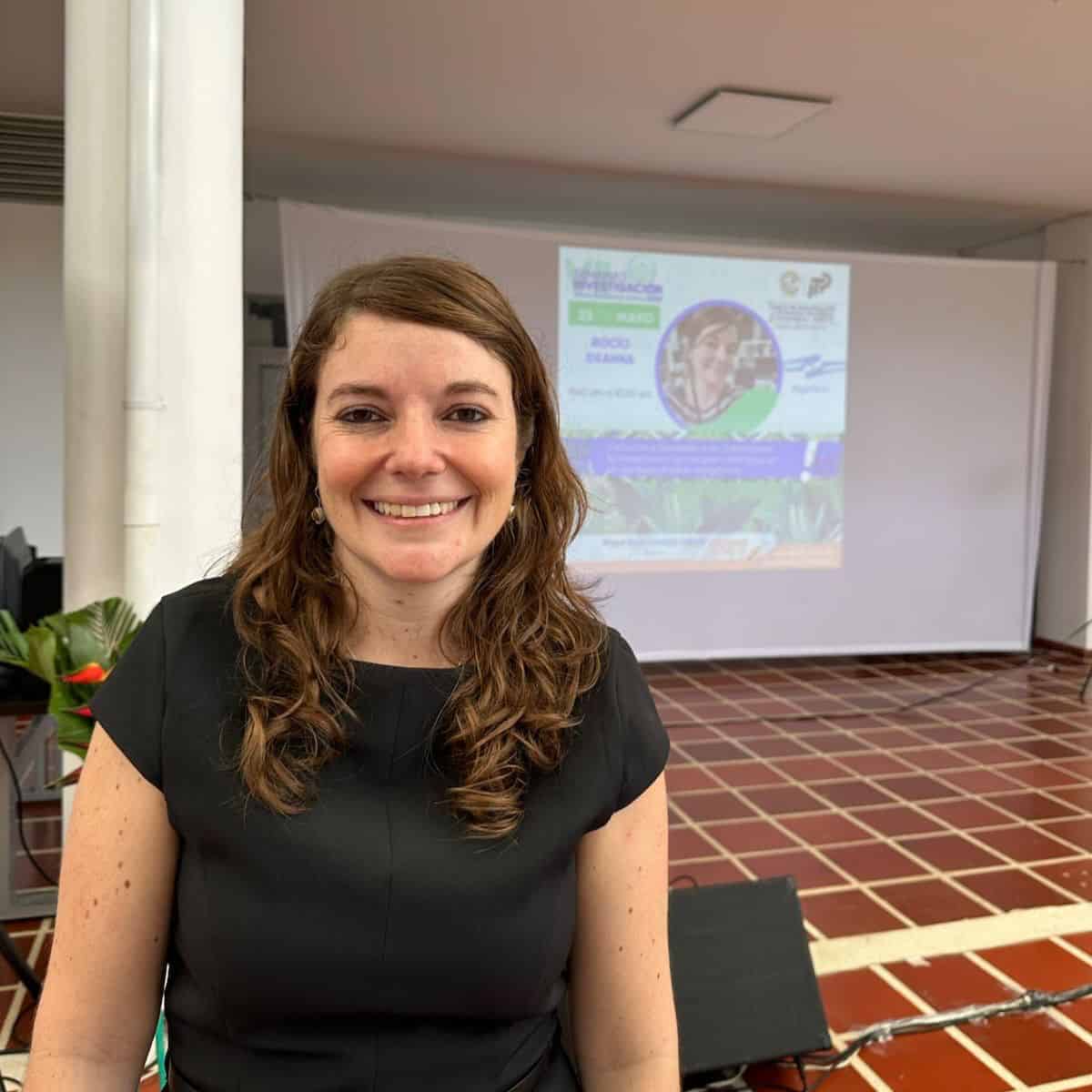
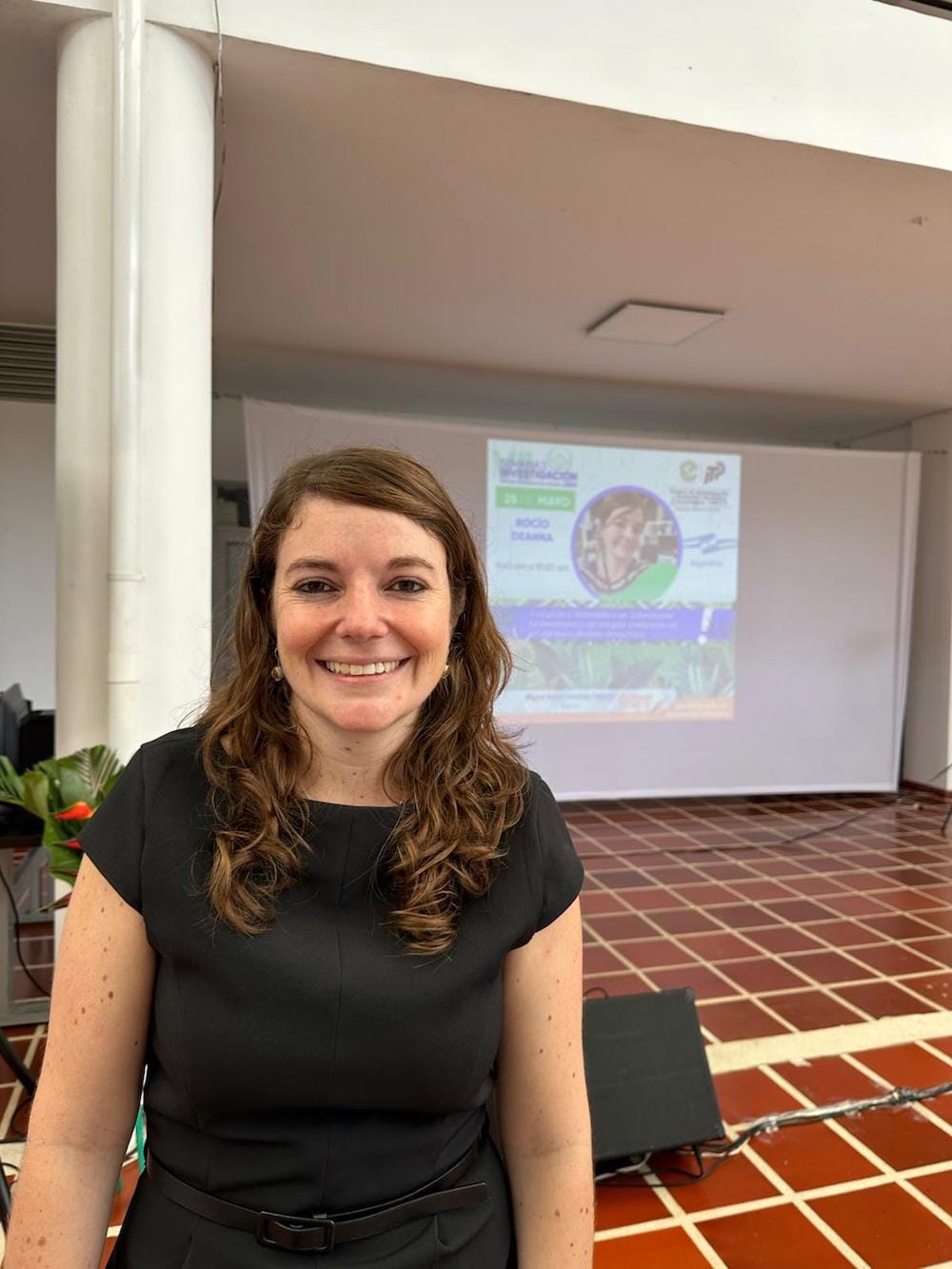
Today, we have Dr Rocío Deanna, a botanist with a focus on systematics and evolution of the nightshades, the Solanaceae plant family. She is currently a Marie Skłodowska-Curie Postdoctoral Researcher at the Finnish Museum of Natural History in Helsinki, Finland. Deanna’s research focuses on understanding the evolutionary history and classification of this fascinating plant family, particularly the Physalideae tribe, which includes genera like Physalis, Deprea, and Withania. She is especially interested in how Solanaceae species have diversified over time and across regions and her work integrates phylogenetics, taxonomy, biogeography, and evolutionary morphology to uncover their evolutionary history. Deanna also have a strong interest in paleobotany, particularly the fossil history of angiosperms, as well as in chromosomal evolution and how it shapes plant diversity. You can follow her work through her website, or connect with her on Bluesky at @rociodeanna.bsky.social for field photos and research updates.
What made you become interested in plants?
My interest in plants started early, but it really took root during my biology undergraduate studies in Córdoba (Argentina). I was fascinated by how plants have evolved such a wide range of forms, strategies, and ecological roles—how some can thrive in the harshest deserts while others dominate humid tropical forests. Their resilience and the ways they interact with their environment captivated me.
As I was starting my doctoral journey, I realized that plants aren’t just beautiful or useful, they’re essential to life on Earth. They provide structural and functional foundations for ecosystems, regulate biogeochemical cycles, and form the primary trophic level in most food webs. The more I learned about their adaptations, especially in biodiversity hotspots like the Andes or the Amazon, the more I wanted to understand the mechanisms behind that diversity. That curiosity turned into a passion for systematics and evolution, and it’s what continues to drive my research today.
What motivated you to pursue your current area of research?
What drew me to plant systematics and evolution was the desire to understand the patterns and processes that generate and maintain plant diversity. I was fascinated by how different lineages within a single plant family—like Solanaceae—could evolve such a wide range of morphological traits, ecological strategies, and biogeographic distributions. Studying systematics gave me the tools to ask big evolutionary questions using both living species and fossils.
Equally important has been the influence of my mentors. I’ve had the privilege of working with researchers who not only shared their knowledge generously but also empowered me to find my own voice in science. They encouraged my curiosity, supported my ideas, and showed me that it’s possible to make meaningful contributions when integrating evidence. I’m deeply grateful for their support— their guidance gave me the confidence to pursue my own research questions.
What is your favourite part of your work related to plants?
What I love most about my work is the diversity of tasks it involves. One day I might be deep in the cloud forest, collecting specimens, chemical compounds, and ecological data. The next, I’m in the lab extracting DNA, analyzing morphological characters, or running evolutionary analyses. That combination of field exploration and quiet lab/computer work really suits me, it keeps my days dynamic and intellectually fulfilling.
I also find a lot of joy in sharing discoveries. Whether it’s writing a scientific paper, giving a talk, or having a casual conversation about plants, seeing other people become curious or excited about plant diversity and evolution makes everything more meaningful. It reminds me that this work goes beyond data. It’s about connection, curiosity, and uncovering the incredible complexity of nature.
Are any specific plants or species that have intrigued or inspired your research? If so, what are they and why?
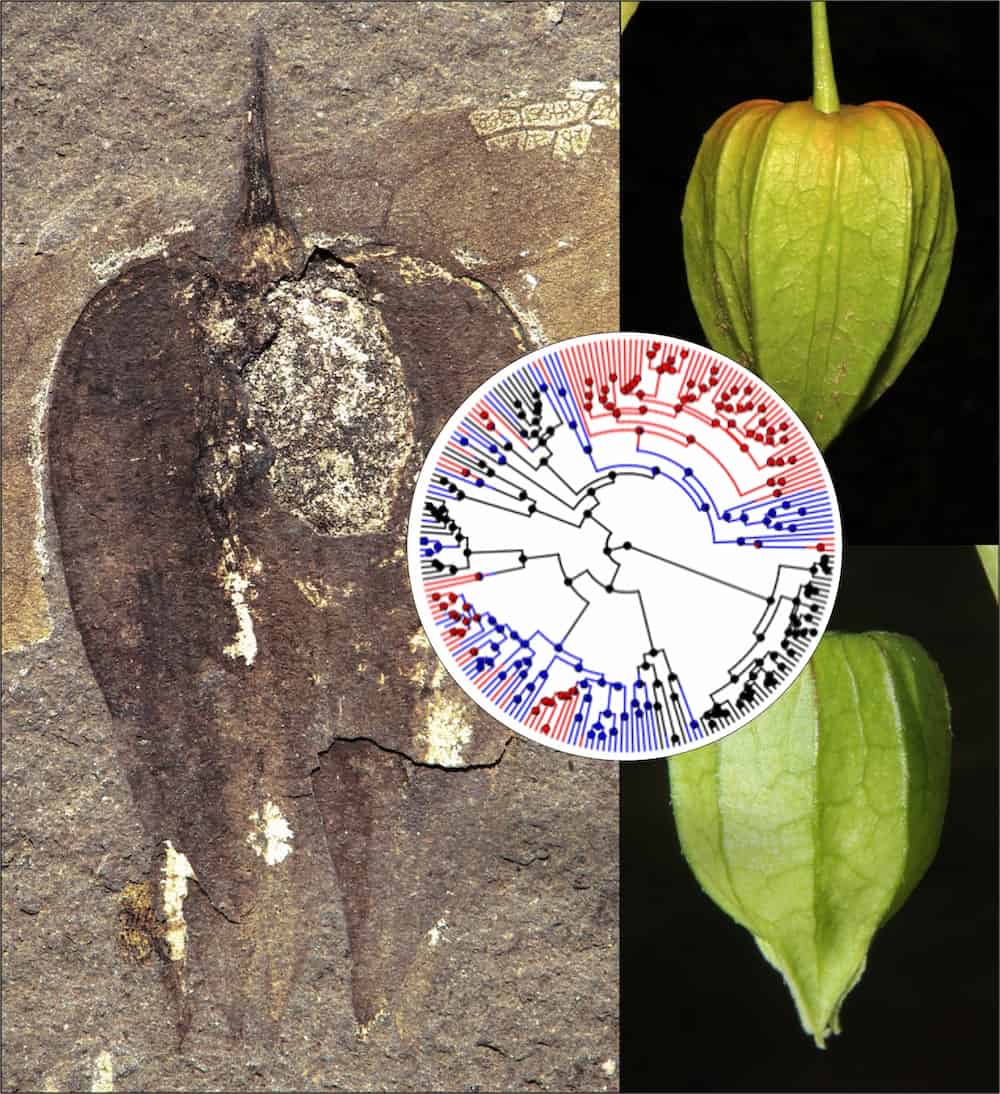
Curiously, one plant species that inspired my research is a fossil, Physalis infinemundi, an early-Eocene fruit of the Solanaceae family that was discovered in the Patagonia Argentina. When I first encountered it, I was struck by how remarkably well-preserved its features were, especially the inflated calyx that hinted at evolutionary affinities with extant genera like Physalis and Deprea, the physaloids! It felt like a direct message from the past, offering clues about morphological traits that still play a role in living relatives today.
Studying Physalis fossils sparked my curiosity about how certain reproductive structures evolve and persist across lineages, and how fossils can inform our understanding of modern diversity. These fossils were a bridge between systematics, evolution, and biogeography. It helped me realize how much paleobotany can enrich our interpretation of evolutionary patterns in extant taxa, especially within complex and diverse groups like the Solanaceae.
Could you share an experience or anecdote from your work that has marked your career and reaffirmed your fascination with plants?
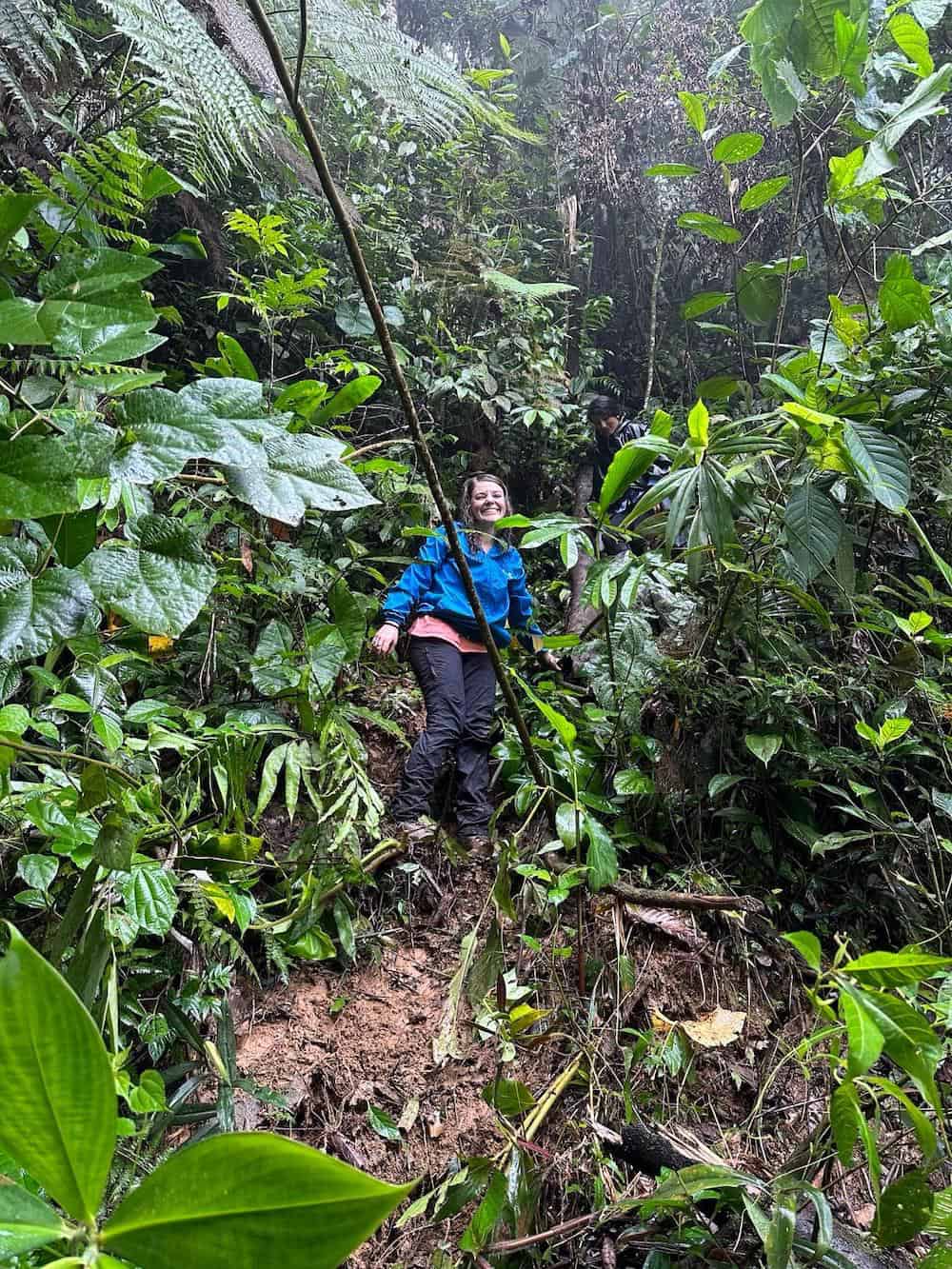
One experience that had a deep impact on me was my very first field trip to the tropical forest in Peru. I went in with incredibly high expectations—it was my first time doing fieldwork— and I was excited to finally see the plants I had studied in herbarium sheets. But as soon as we got there, reality set in. The fieldwork was difficult, access was limited, and locating the species we needed proved much more challenging than I’d imagined.
Thankfully, I was lucky to be working with exceptional local botanists, whose experience and deep knowledge of the region were crucial. Together, we navigated the challenges and managed to achieve most of our goals species for the expedition. Despite the adversity, what stayed with me was the sheer scale and richness of the tropical forest.
What advice would you give young scientists considering a career in plant biology?
My biggest advice is to stay curious. Botany is a vast and rich field, and it takes time to find your niche. It’s okay not to have everything figured out at the beginning. Follow the questions that genuinely excite you, and don’t be afraid to explore different paths, from ecology to genetics to paleobotany.
Also, build strong relationships. Science is never done in isolation, and the mentors, collaborators, and peers you connect with will shape your journey in powerful ways. Be open to learning from everyone—especially local experts in the field, whose knowledge is invaluable but sometimes under-recognized.
And finally, don’t underestimate the value of slowing down. Whether you’re in the lab, the field, or working with herbarium material, taking time to observe and think leads to better questions and deeper insights. There’s a lot of pressure to move fast, publish constantly, and chase metrics, but botany is full of quiet discoveries. Sometimes, the most meaningful progress comes from simply paying close attention.
What do people usually get wrong about plants?
People often underestimate plants because they don’t move or make noise. There’s this misconception that they’re passive or “less complex” than animals, when plants are incredibly dynamic, adaptable, and sophisticated. They’re constantly interacting with their environment, sensing light, chemicals, even hormones! And making decisions about growth, defense, and reproduction in real time.
I also think people miss just how central plants are to life on Earth. They’re not just background scenery, they’re the foundation of most food webs, climate regulators, and biogeographic patterns. Without them, the world as we know wouldn’t exist. Once you start paying attention to plants, you realize they’re anything but boring, they’re quietly extraordinary!
Carlos A. Ordóñez-Parra
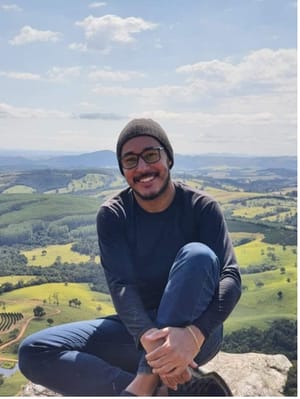
Carlos (he/him) is a Colombian seed ecologist currently doing his PhD at Universidade Federal de Minas Gerais (Belo Horizonte, Brazil) and working as a Science Editor at Botany One and a Communications Officer at the International Society for Seed Science. You can follow him on BlueSky at @caordonezparra.