


The Annual Conference of the Association for Tropical Biology and Conservation (ATBC) is one of the most renowned academic events for plant scientists working in tropical ecosystems. Botany One interviewed Dr. Ramiro Aguilar, a speaker at one of the symposia sponsored by the Annals of Botany journal, to learn more about his fascinating research on pollination and ecological disturbances.
Aguilar is a Researcher at the Multidisciplinary Institute of Vegetal Biology in Córdoba, Argentina. His research habitat loss and fragmentation and other anthropogenic disturbances on pollinators, sexual reproduction and the genetic variability and structure of flowering plants. Aguilar aims to generate both basic and applied knowledge in ecology and conservation biology of plant-animal interactions and their importance in the dynamics of plant populations in human-altered ecosystems. You can know more about his research at his personal website.
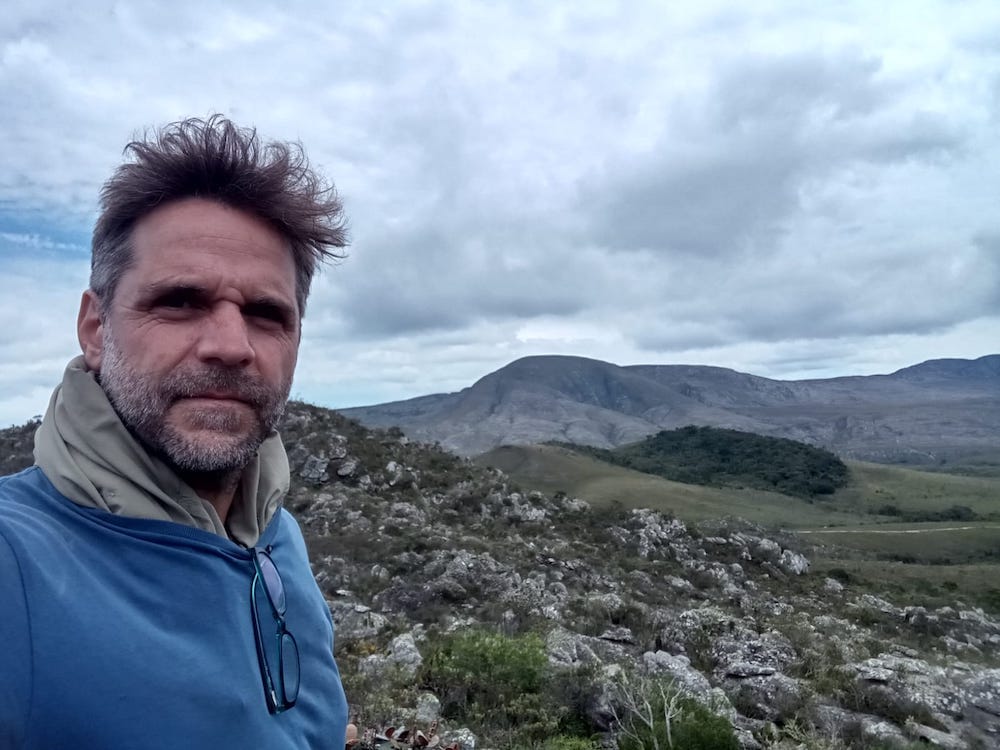
What made you become interested in plants?
Plants are sessile organisms for most of their life cycle, and their only opportunities to move genes across the landscape occur during pollination and seed dispersal. These critical processes are largely mediated by animals, highlighting the fundamental role of plant–animal interactions in shaping both the evolutionary trajectories and ecological dynamics of plant populations. Understanding how these mutualisms respond to human-driven environmental change is essential for predicting the long-term persistence of plant species. This question sparked my initial interest in studying plant–animal interactions.
What motivated you to pursue your current area of research?
My research focuses on understanding how large-scale human disturbances—such as habitat loss, wildfires, and biological invasions—affect plant-animal interactions and, in turn, the demographic and genetic processes of native plant populations. A particular motivation has been identifying how these changes threaten mutualistic interactions like pollination and seed dispersal, and how that cascades into reduced reproductive success and genetic diversity.
What is your favourite part of your work related to plants?
One of the accomplishments I’m most proud of is contributing to our understanding of how anthropogenic land-use changes affect plant reproduction and genetic diversity at the global scale. Through systematic literature reviews and quantitative syntheses, we demonstrated that these changes reduce pollination, male and female reproductive success, and genetic diversity in flowering plants. I find it deeply meaningful to produce work that not only reveals fundamental ecological patterns but also informs conservation strategies.
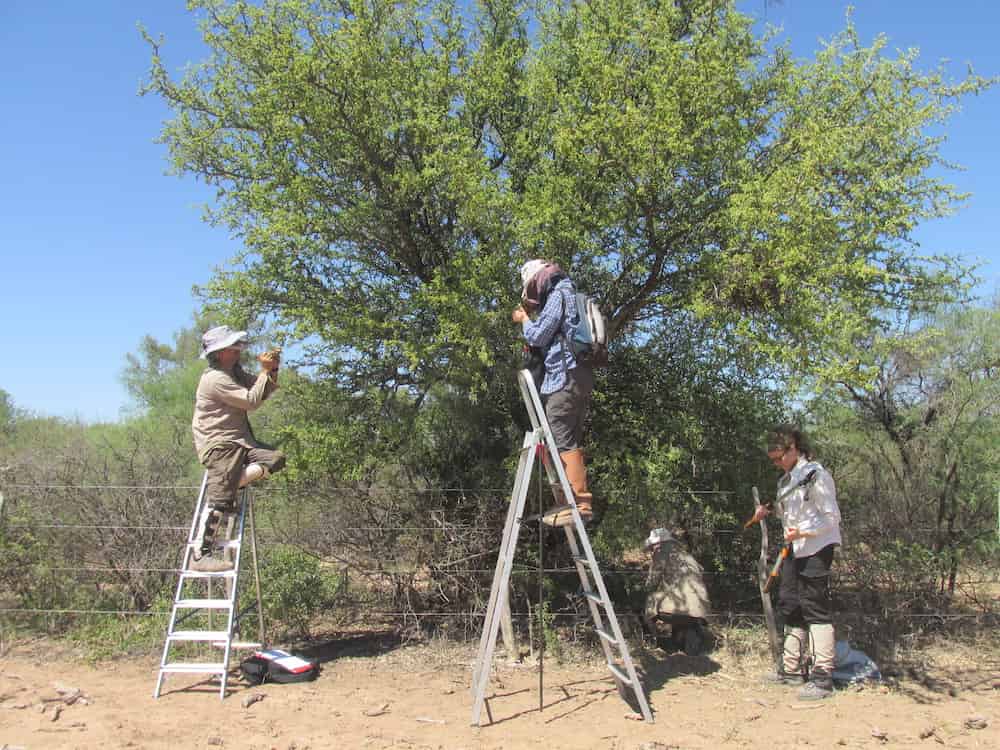
Could you share an experience or anecdote from your work that has marked your career and reaffirmed your fascination with plants?
While not presented as a personal anecdote, one key discovery that stands out is our work showing that a plant’s compatibility system plays a critical role in its vulnerability to habitat loss. For instance, strictly self-incompatible species—those that require outcross pollen to set seed—are more negatively affected by habitat fragmentation due to their strong dependence on pollinators. This insight has not only shaped my understanding of plant reproduction but also underscored the importance of fieldwork and literature synthesis in revealing big-picture ecological patterns.
What advice would you give young scientists considering a career in plant biology?
Field observation is essential for truly understanding your study system and generating new questions that might not emerge otherwise. During fieldwork, it’s important to dedicate enough time to carefully observing the environment and surroundings in order to notice what often goes unnoticed. Many new discoveries in plant science are still waiting to be revealed to the naked eye. Patience and keen observation are invaluable skills for any plant science student.
What do people usually get wrong about plants?
I would like the world to understand that plants are the most incredible organisms on Earth. They are the planet’s primary source of energy—through photosynthesis, they convert sunlight into chemical energy, forming the foundation of nearly every food web and producing the oxygen we breathe. Beyond that, plants regulate climate, cycle nutrients, prevent erosion, and shape entire ecosystems. Studying plants is not just a branch of biology—it is essential for understanding how the living world functions and how to protect it. I believe that if more people truly understood these facts, it would foster a greater respect for nature and a deeper commitment to environmental stewardship.
Carlos A. Ordóñez-Parra
Carlos (he/him) is a Colombian seed ecologist currently doing his PhD at Universidade Federal de Minas Gerais (Belo Horizonte, Brazil) and working as a Science Editor at Botany One and a Communications Officer at the International Society for Seed Science. You can follow him on BlueSky at @caordonezparra.