

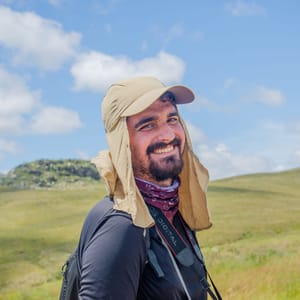
Plants are incredibly diverse, and so are botanists! In its mission to spread fascinating stories about the plant world, Botany One also introduces you to the scientists behind these great stories.
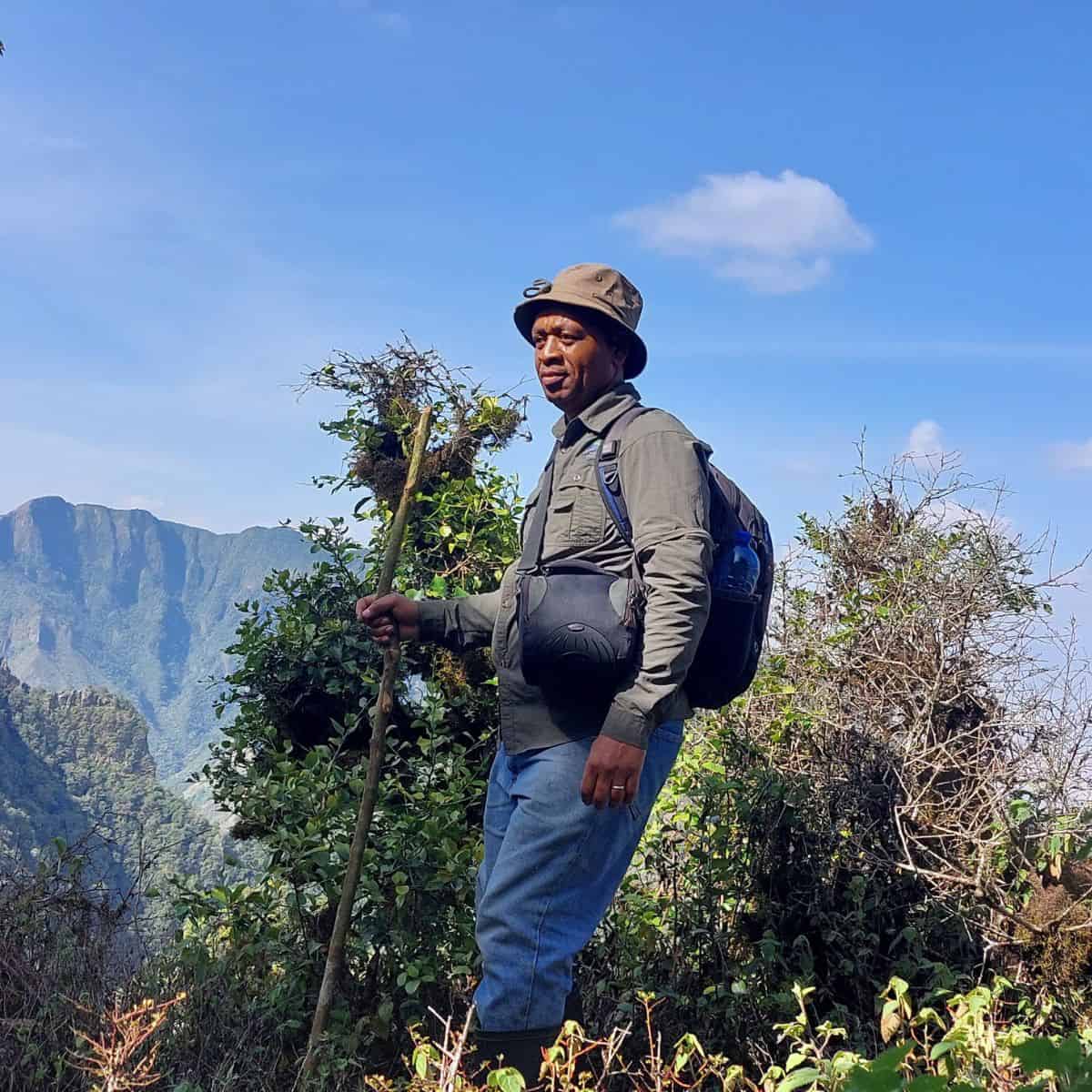
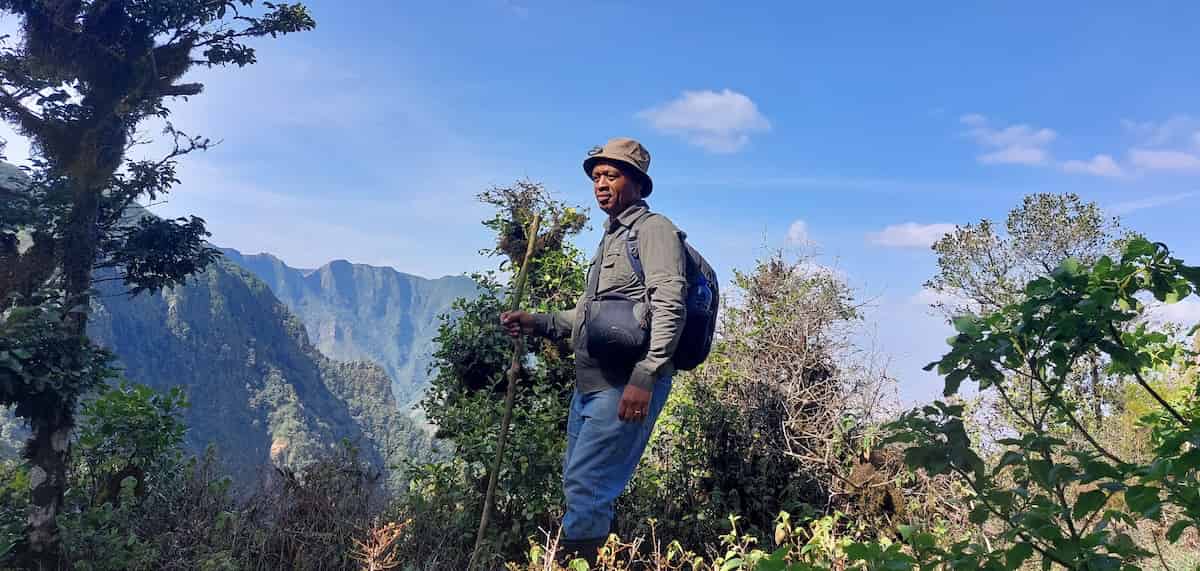
Today, we have Dr Paul M. Kirika, the Curator of the East African Herbarium, the most extensive herbarium collection in tropical Africa, which is part of the National Museums of Kenya.
What made you become interested in plants?
I grew up in a rural village where I interacted with nature at a young age, herding cows on our family land, which included grasslands and natural vegetation. We would play by catching insects, observing the flowers they visited, eating wild fruits, and enjoying the sweet scent of some flowers, which we’d rub on our palms and apply to our clothes. We also went fishing and swimming in a nearby river. All of this helped me develop a love for nature early on.
What motivated you to pursue your current area of research?
I was greatly influenced by my father, who worked as a parataxonomist and technologist at the East African Herbarium (EA). He had collaborated with renowned botanists such as P. J. Greenway, Jan Gillett, and B. Verdcourt. The people he had worked with and impacted also encouraged me to pursue a career in botany. Although I initially enrolled in a commercial college to study accounting after high school—and even passed all the initial exams—I decided to quit and take up a field assistant job at EA. The work, which involved fieldwork, collecting, preserving, and identifying plant specimens, was fulfilling and solidified my decision to become a botanist.
What is your favourite part of your work related to plants?
As a curator at the East African Herbarium, I oversee the day-to-day running of the institution and care for the collections. This includes curation, digitisation, collaborative projects, specimen exchange, and administrative reporting. It’s incredibly rewarding to work at a place with such rich botanical history and to contribute to the preservation and study of East Africa’s plant biodiversity.
5. Are any specific plants or species that have intrigued or inspired your research? If so, what are they and why?
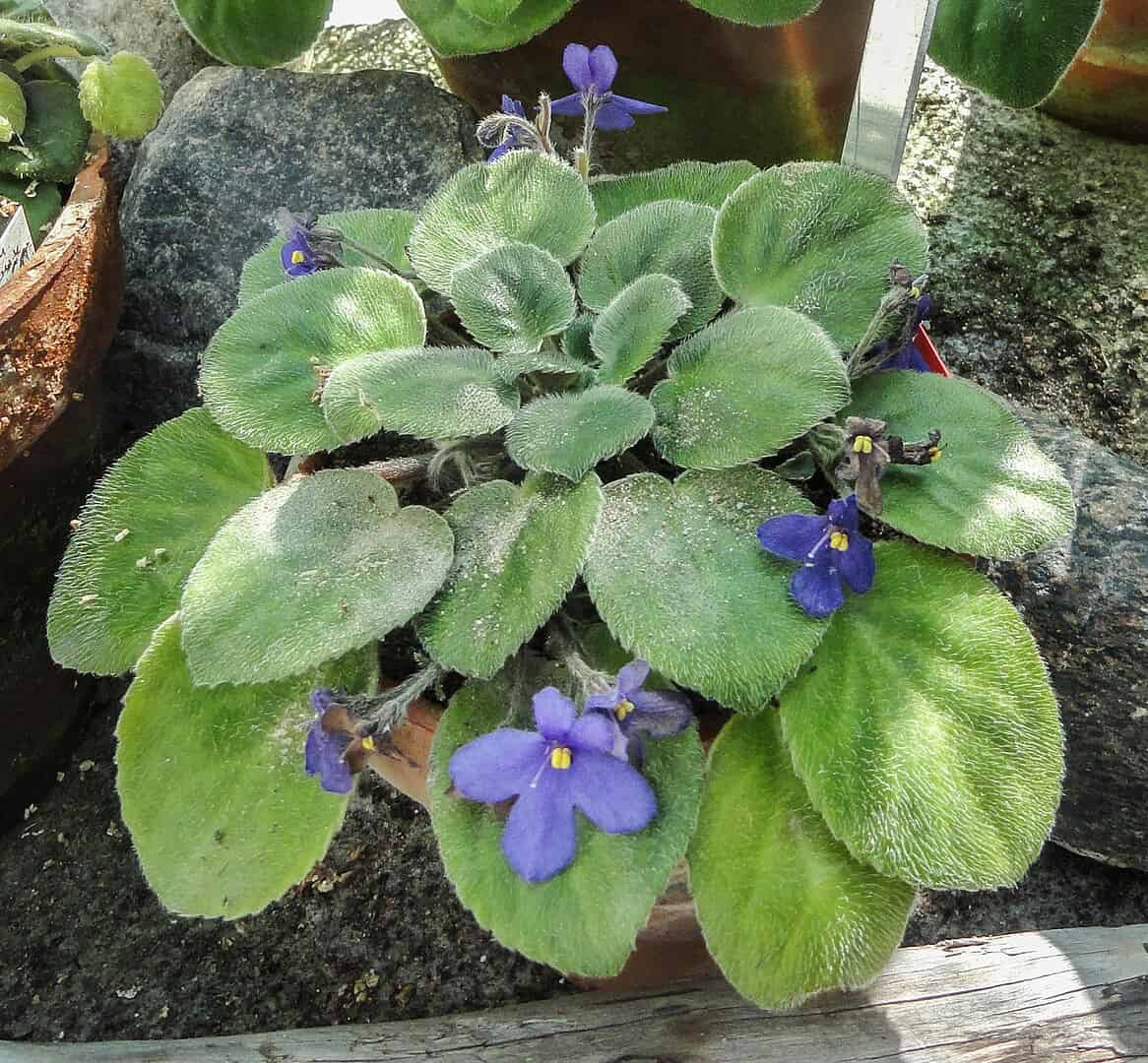
The East African Herbarium houses many fascinating specimens. Some that stand out include rare orchids, African violets like Saintpaulia teitensis, and unique succulents such as Euphorbia cussonoides, E. tanaensis, Aloe ballyi, and A. kulalensis. There are also remarkable trees like Gigasiphon microsiphon, Vangueriopsis shimbaensis, Cola porphyrantha, and Combretum tenuipetiolatum. Working with these rare and often endangered plants is both inspiring and important for conservation.
Could you share an experience or anecdote from your work that has marked your career and reaffirmed your fascination with plants?
One of my proudest accomplishments has been the discovery and description of new lichen species. Additionally, I’ve helped prepare local field guides to assist nature enthusiasts in identifying local plants and appreciating the flora they encounter. Contributing to both scientific knowledge and public education has been deeply fulfilling.
What advice would you give young scientists considering a career in plant biology?
A career in botany is incredibly rewarding but requires patience as you build up the necessary knowledge and experience. Stay focused and committed, and don’t be discouraged by challenges—botany is a field where curiosity and perseverance truly pay off.

Carlos A. Ordóñez-Parra
Carlos (he/him) is a Colombian seed ecologist currently doing his PhD at Universidade Federal de Minas Gerais (Belo Horizonte, Brazil) and working as a Science Editor at Botany One and a Communications Officer at the International Society for Seed Science. You can follow him on BlueSky at @caordonezparra.