Cells, Genes & Molecules
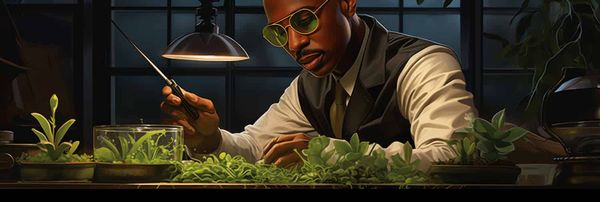
Plants Feel Touch in Their Veins
New research reveals plant leaf veins act as autonomous touch sensors, firing off rapid electrical signals when mechanically stimulated.

Cells, Genes & Molecules
New research reveals plant leaf veins act as autonomous touch sensors, firing off rapid electrical signals when mechanically stimulated.
Ecosystems
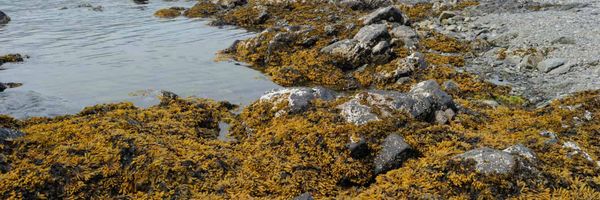
A recent study finds seaweeds are getting weaker under ocean acidification, threatening these foundational coastal species.
News in Brief
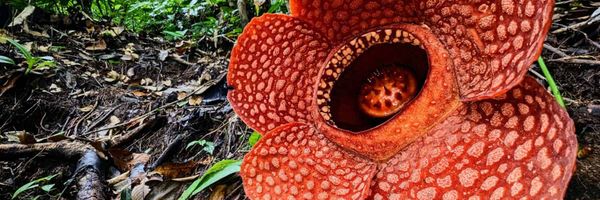
The iconic giant Rafflesia flowers are disappearing at an alarming rate, according to new research published in Plants, People, Planet.

News in Brief
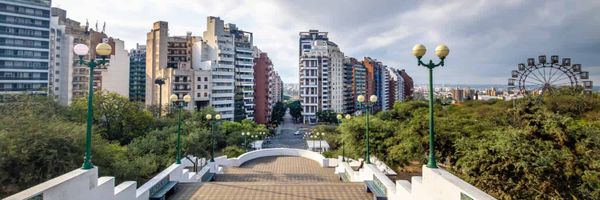
Getting reacquainted with nature could be as easy as a walk in your local park, thanks to a new concept for creating informal botanical gardens throughout cities.
Ecosystems
If you want your urban garden to be buzzing with bees, scientists say floral evenness is crucial – mix up your blooms instead of planting just a few dominant species.
Ecosystems
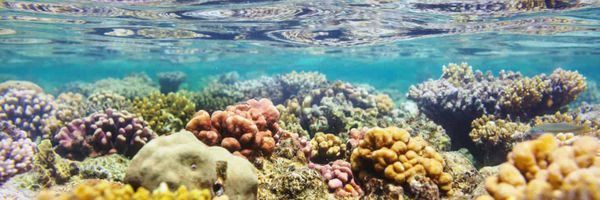
Darwin’s longstanding puzzle about reef productivity sparked ongoing research that reveals the complex dynamics sustaining coral symbioses and entire reef ecosystems.
Computational Models
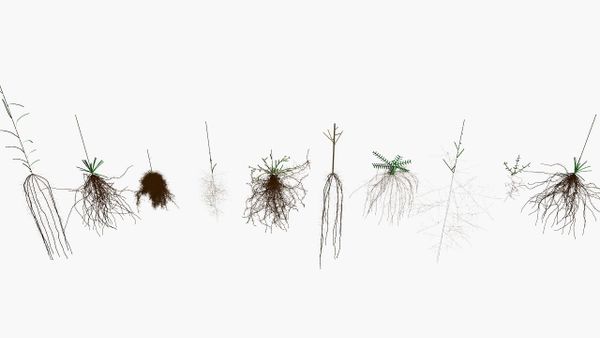
Computational model may help unravel the complex processes of drought tolerance.
Plants & People
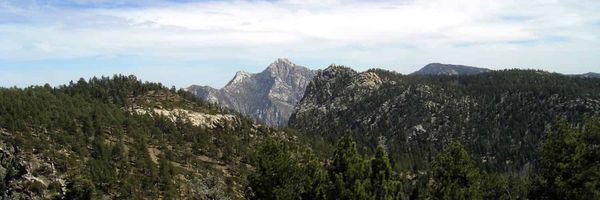
The Sierra San Pedro Mártir’s pine forests thrive on the fires that recycle nutrients, but fire suppression threatens this unique Mexican ecosystem.
Ecosystems
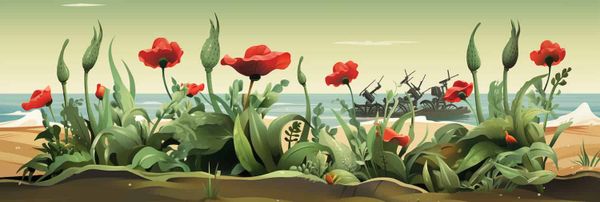
A new study finds native island plants are more likely to go extinct when threatened by invasive cousins from the same family tree.
Close Encounters
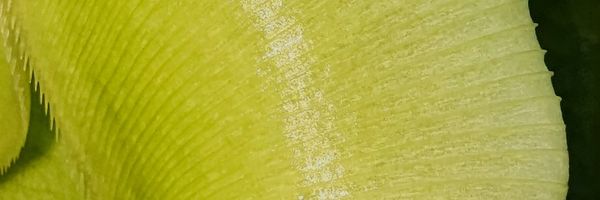
A novel approach uniting maths, physics, and biology has uncovered how diverse rim shapes in carnivorous pitcher plants relate to strategies for catching different insect prey.
Cells, Genes & Molecules
Scientists uncover how the amount of DNA and number of chromosome sets make certain plants genetic supervillains when they invade new regions.

Cells, Genes & Molecules
Scientists find that common floral compounds become more toxic to butterflies at higher temperatures, complicating projections of climate change impacts.