Taxonomy & Evolution
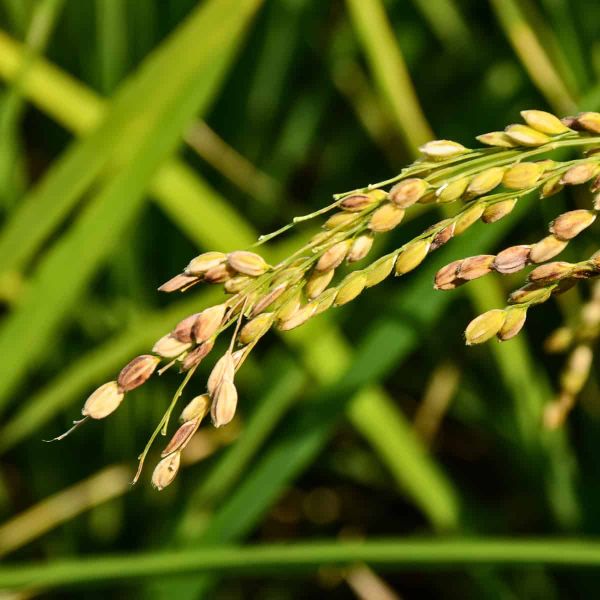
How Rice Plants Evolve to Pollinate Themselves
Some rice plants have evolved special flower traits to fertilize themselves instead of relying on the wind, helping them survive and reproduce more easily.

Taxonomy & Evolution
Some rice plants have evolved special flower traits to fertilize themselves instead of relying on the wind, helping them survive and reproduce more easily.
Ecosystems
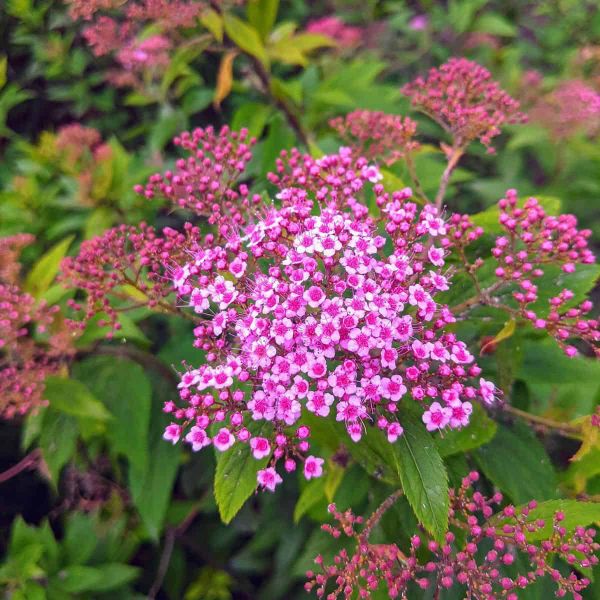
Researchers discover how invasive plants use colour to compete with native plants for pollinators.

News in Brief
A withering houseplant can tug at our heartstrings just like a suffering animal, showing how emotions could help save plant species.
Growth & Development
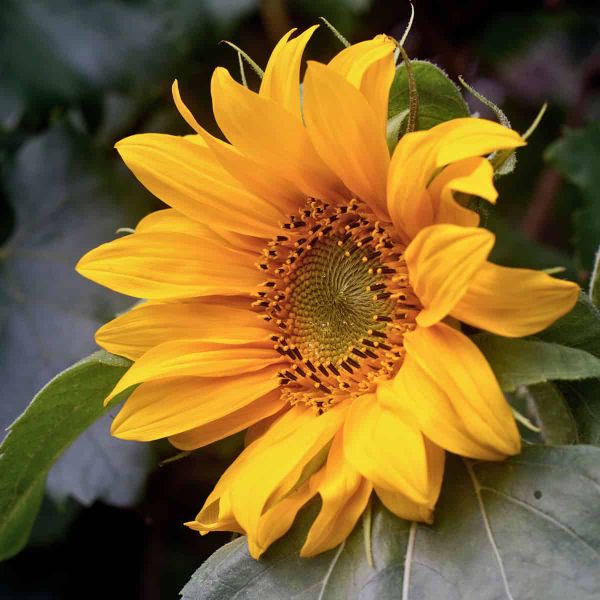
Plants must carefully time their life cycle events, such as germination and flowering, to their environment. But with changing climate and warmer weather, some plants are adapting to their new realities better than others.
Ecosystems
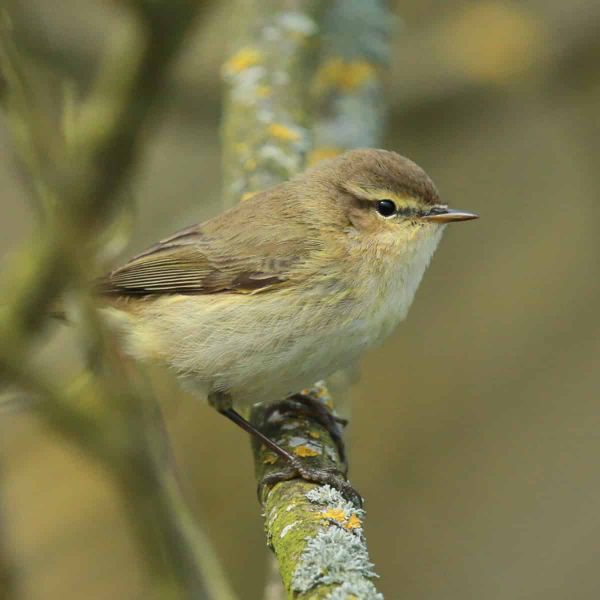
Tiny grains of pollen are revealing the secret lives of birds, acting as natural tracking devices that tell scientists where they have been.
Close Encounters
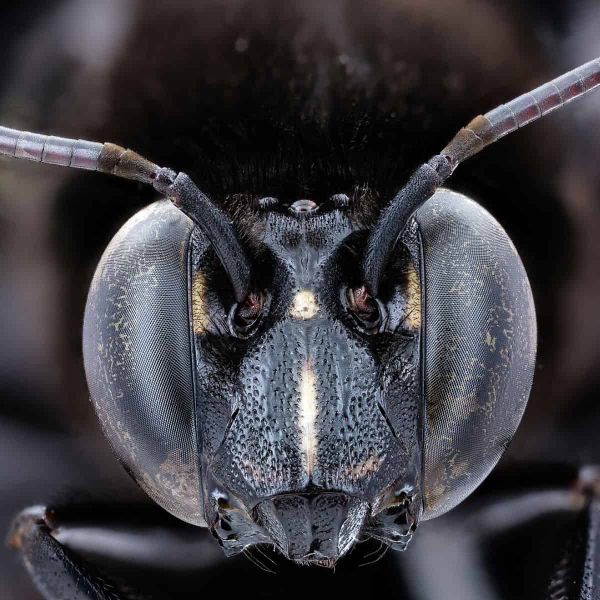
Discover how orchid bees use surprising, non-floral sources to create perfumes that attract mates in the tropical forest.
Close Encounters
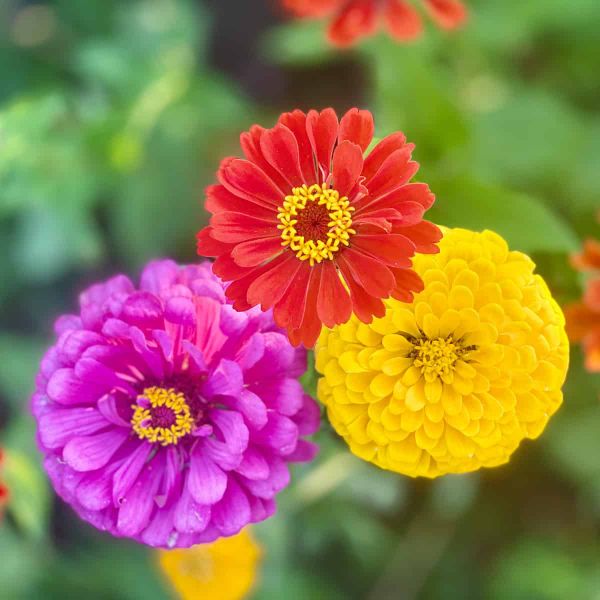
What humans see in a flower is nothing like the multi-stage sensory journey that guides insects to blooms.
News in Brief
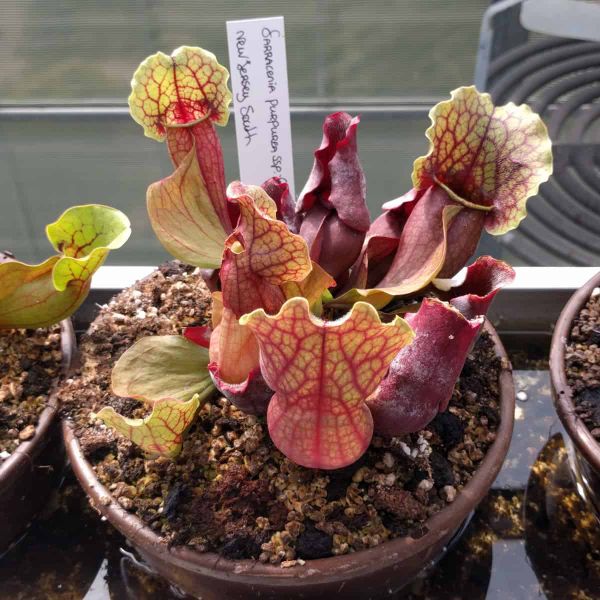
Pitcher plants may be using red colouration to warn potential pollinators away from their traps.

Cells, Genes & Molecules
Mareike Jezek shares the latest advances on epigenetic changes in trees – changes that “allow” plants to prepare their offspring for the environments they might face.
Cells, Genes & Molecules
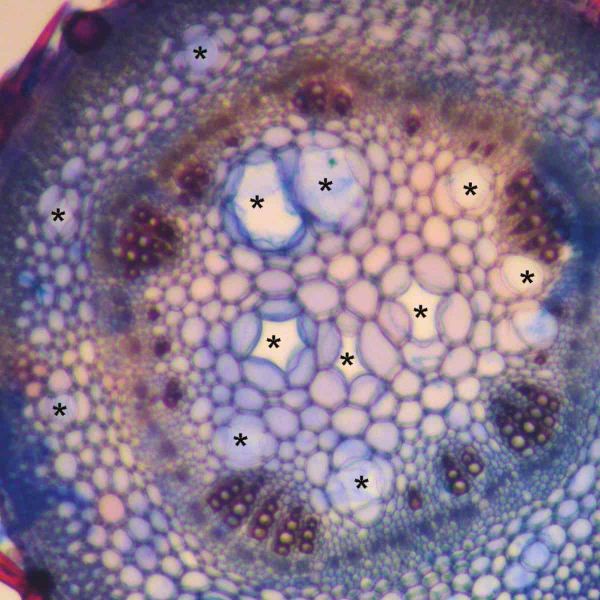
Deep in the cells of a pink-flowered Brazilian plant, researchers have found unexpected living highways of connected cells.

The Week in Botany
A weekly roundup of the news and papers you’re sharing on social media.

News in Brief
My guess: Professor Plum, in the LuEsther T. Mertz Library, with the suspicious green bottle.