annals-of-botany
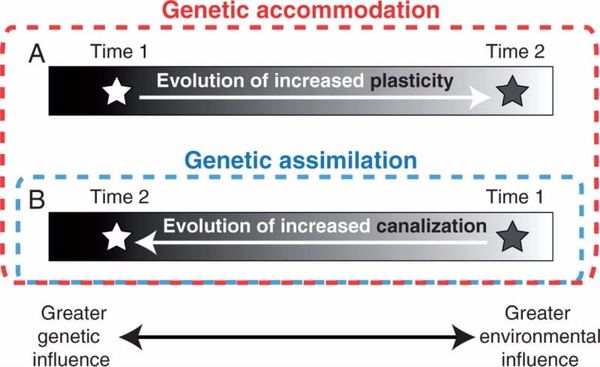
Genetic assimilation and the evolution of novelty
Most, if not all, organisms possess the ability to alter their phenotype in direct response to changes in their environment, a phenomenon known as phenotypic plasticity.

annals-of-botany
Most, if not all, organisms possess the ability to alter their phenotype in direct response to changes in their environment, a phenomenon known as phenotypic plasticity.
Plant Cuttings
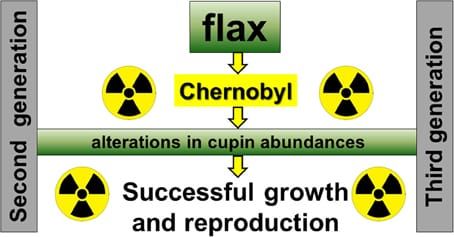
First, we ought to say what cupins are: cupins are proteins, part of a so-called superfamily that includes enzymes and non-enzyme polypeptides. Since the
annals-of-botany
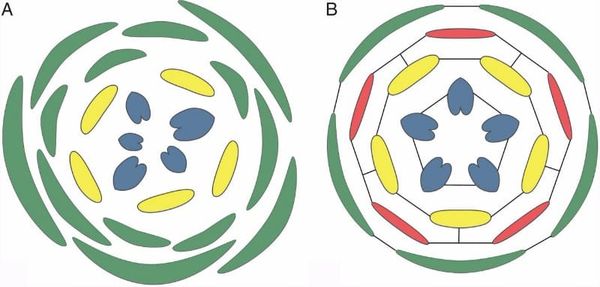
The two very species-rich families Apocynaceae and Orchidaceae contain the most complex flowers in the angiosperms. Although they are not related they show a number
annals-of-botany
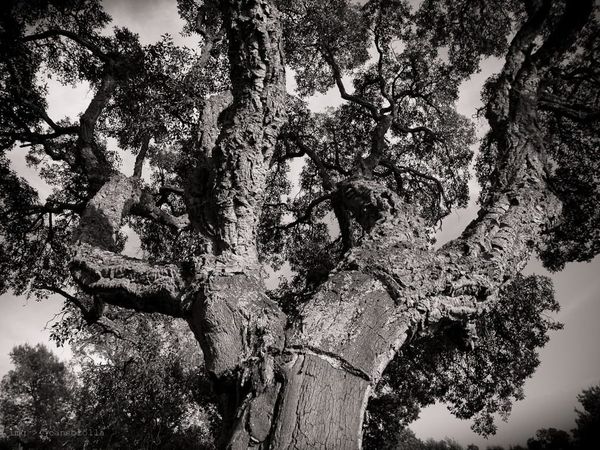
Quercus suber is an extremely important forest species in European Western Mediterranean regions, due to its ecological value and economic potential, allowing local sustainable use of
annals-of-botany
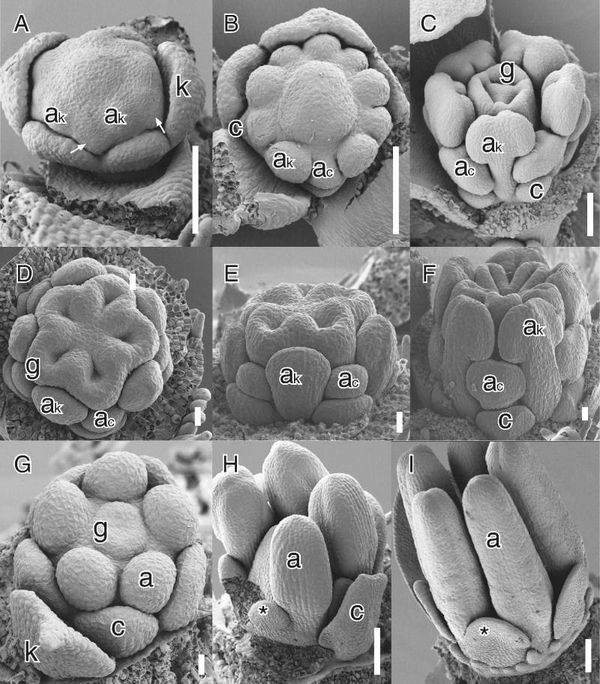
Obdiplostemony, the two-whorled stamen configuration with outer stamens in alternisepalous position, has been a controversial condition for a long time. Ronse De Craene and Bull-

annals-of-botany
Biological systems face constant perturbations, yet often manage to produce invariable developmental phenotypes. Developmental robustness is a property observed across phyla and recent work in yeast,

Uncategorized
There’s a change of personnel at AoB Blog. We sadly say goodbye to Alan Cann, our Internet Consulting Editor. You can still follow him at
annals-of-botany
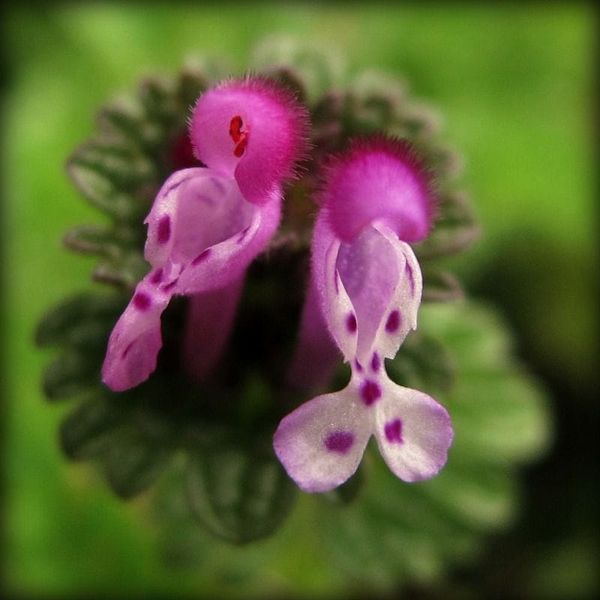
Cleistogamous plants have the ability to produce closed obligately selfing flowers, and open potentially outcrossed flowers. Flower proportion is known to vary in response to reliable
annals-of-botany
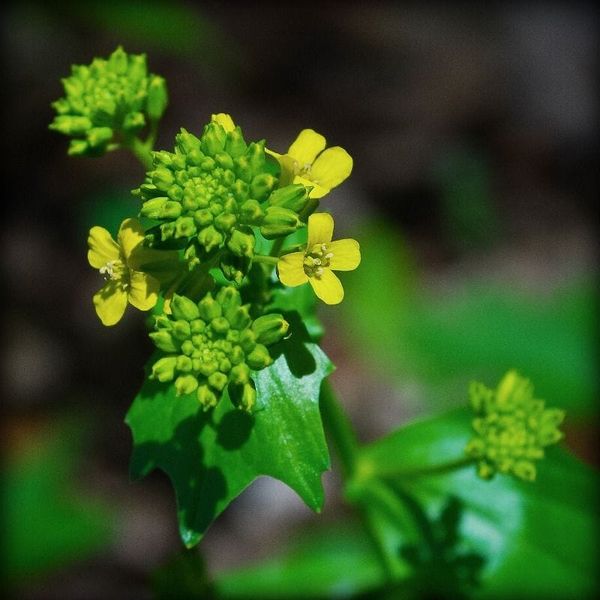
Senescence is the process of losing fitness when growing old, and is shaped by the trade-off between maintenance and reproduction that makes reproduction more unsure
annals-of-botany
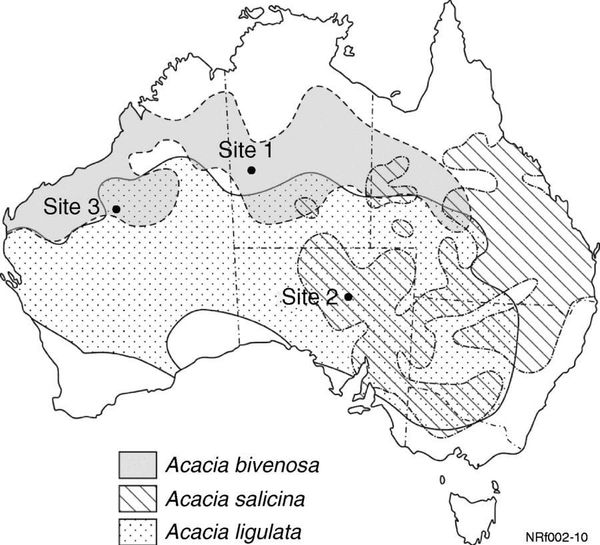
Thiophores, which are typically desert gypsophytes, accumulate high (2–6 % S dry weight) sulphur concentrations and may possess unique tolerance to environmental stress factors, e.g.
annals-of-botany
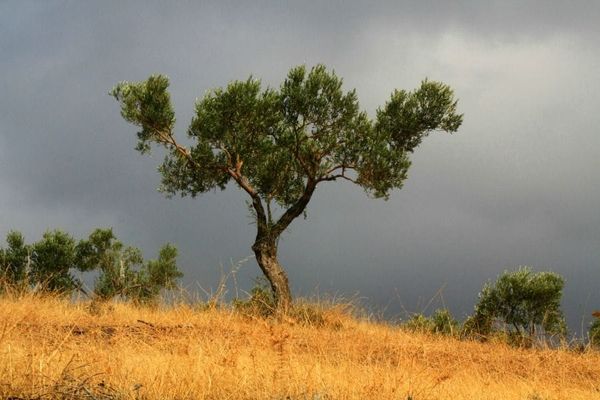
Isolated trees subjected to high irradiance and concomitant stress may adjust leaf phenotypes across the tree crown. The plasticity in structural traits such as leaf angles
AoB PLANTS
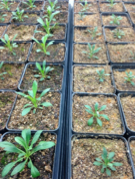
Offspring phenotypes may be altered by environments that their parents lived in.These environmentally-induced trans-generational effects may be mediated by epigenetic mechanisms such as