Uncategorized
Plant Records: The (Almost) Invisible Giant
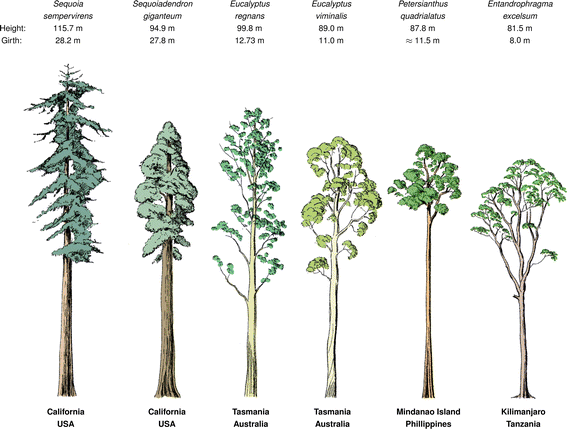
Name: Tiama African Mahogany Scientific name: Entandrophragma excelsum Known for: Being freakishly good at hiding despite its size Record broken: Height There was a surprising article

Uncategorized
Name: Tiama African Mahogany Scientific name: Entandrophragma excelsum Known for: Being freakishly good at hiding despite its size Record broken: Height There was a surprising article
Notes from the Editor
As the year draws to a close, we have been working hard behind the scenes to make AoBBlog ready for 2017. The biggest changes have been
AoB PLANTS
Metapopulations are a central concept in ecology and conservation biology, however estimating key parameters such as colonization rates presents a substantial obstacle to modeling metapopulations in
Growth & Development
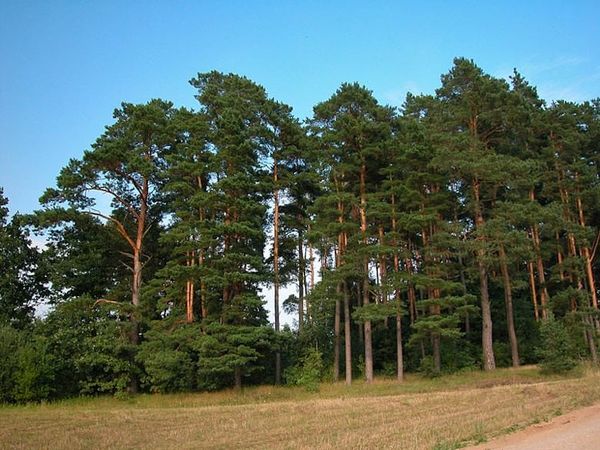
With climate change, trees will experience an increased frequency of stress events (i.e. drought, heat stress) causing both direct effects (e.g. CO2 uptake through
AoB PLANTS
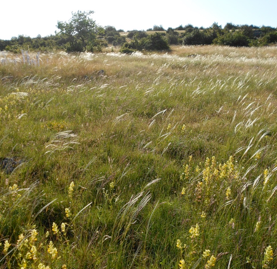
Despite their recognised ecological value, relatively little is known about the nutritional value of species-rich rangelands for herbivores. In a recent study published in AoB
Plant Cuttings
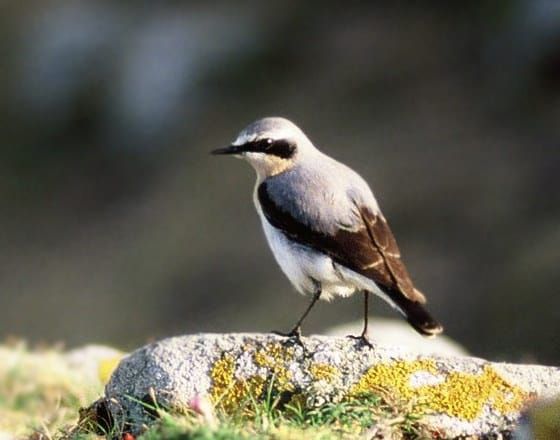
One of the Grand Challenges – and, arguably, the Holy Grail – of plant research at present is an attempt to improve the photosynthetic efficiency of plants. Somewhat
annals-of-botany
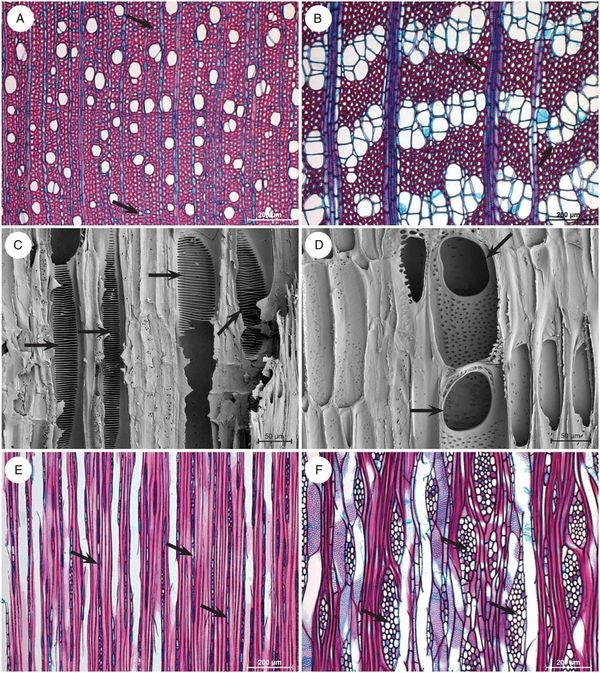
Flowering plants with simple vessel perforations have evolved from species bearing scalariform perforations but there is a scarcity of integrative studies explaining why these transitions in
Uncategorized
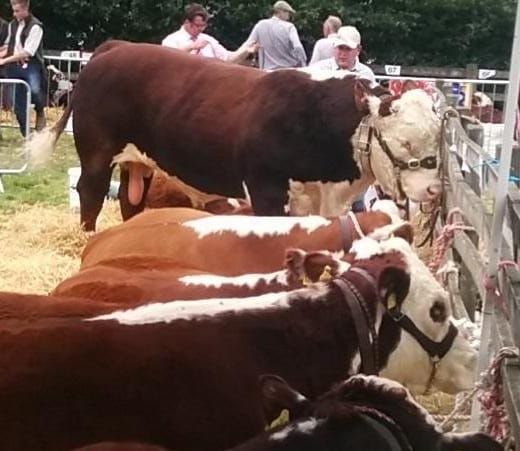
Almost all the milk we drink will come from cows whose father’s sperm was frozen. It is quite likely that their father himself was an
AoB PLANTS
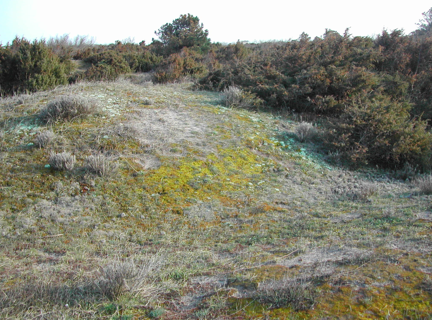
The monitoring of biodiversity has focused mainly on the species level. However, researchers and land managers are making increasing use of complementary assessment tools that address
Uncategorized
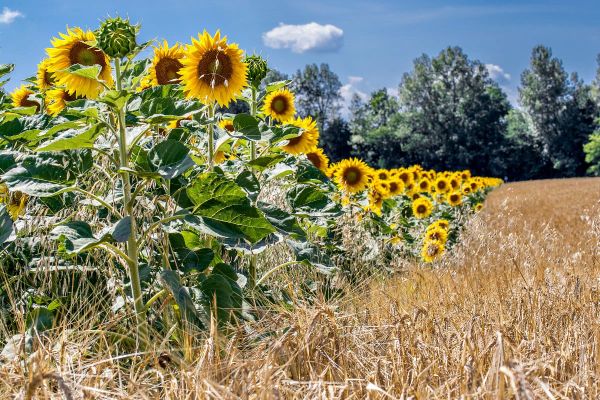
There’s been advances in knowing how sunflowers track the sun, but botanists are still arguing over why. And, to make things confusing, they could all be right.
AoB PLANTS
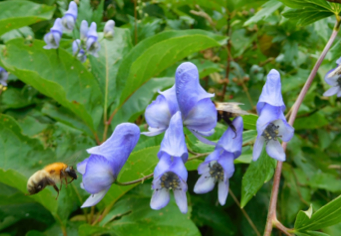
Nectar-foraging pollinators respond flexibly to the reward condition of floral patches. In a new study published in AoB PLANTS, Nakamura and Kudo compared foraging behaviours
Plant Cuttings
We at Cuttings HQ hate waste. So, when, and rather belatedly, spring-cleaning the Cuttings’ archives in August 2016, I unearthed a news item penned for