Plant Cuttings
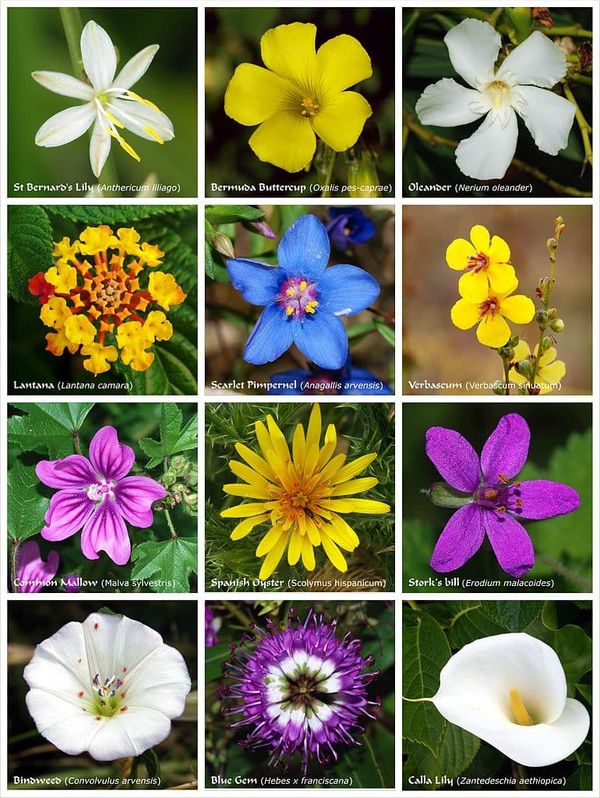
Flowers (it’s what angiosperms are all about!)
Although one shouldn’t, it is easy to accept that flowers (the defining feature of the angiosperms, the flowering plants) are ‘just there’ and get on

Plant Cuttings
Although one shouldn’t, it is easy to accept that flowers (the defining feature of the angiosperms, the flowering plants) are ‘just there’ and get on
AoB PLANTS
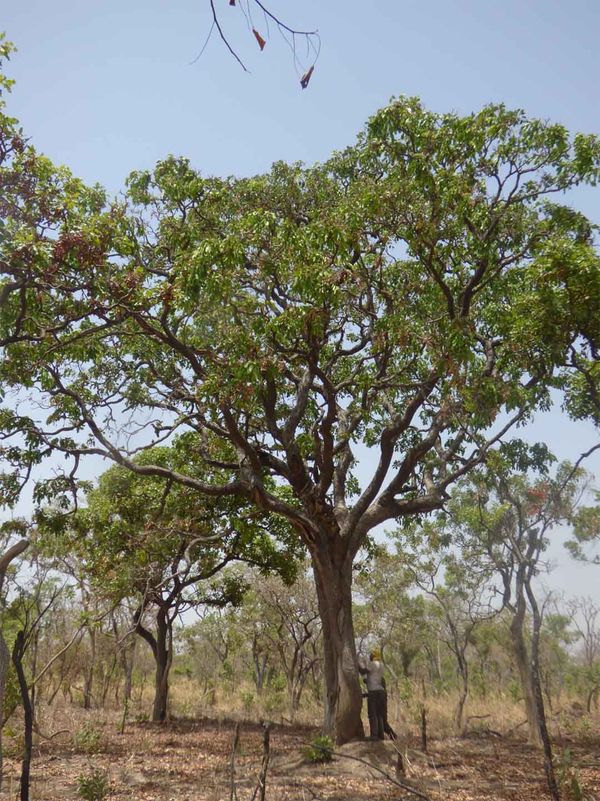
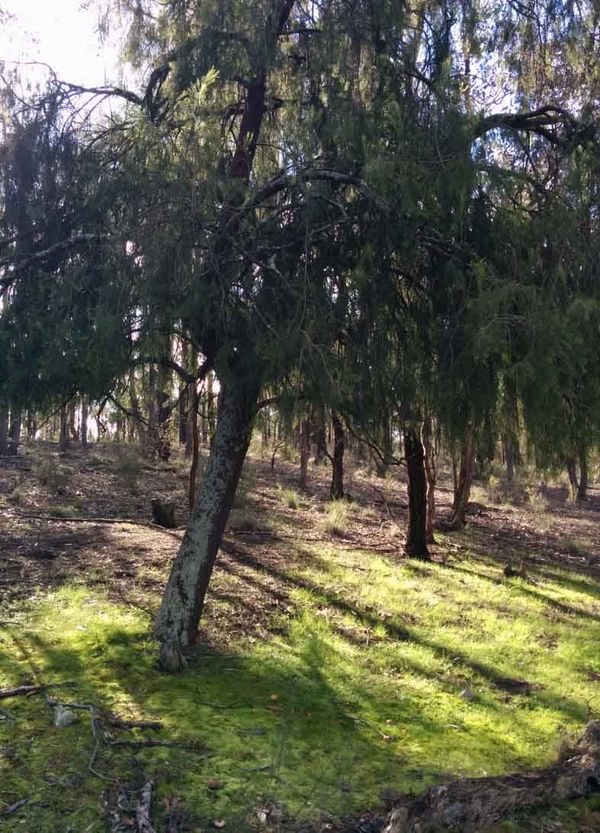
Understanding how trees mediate the effects of chronic anthropogenic disturbance is fundamental to developing sustainable forest management strategies. Several tree species in Africa are repeatedly defoliated
featured
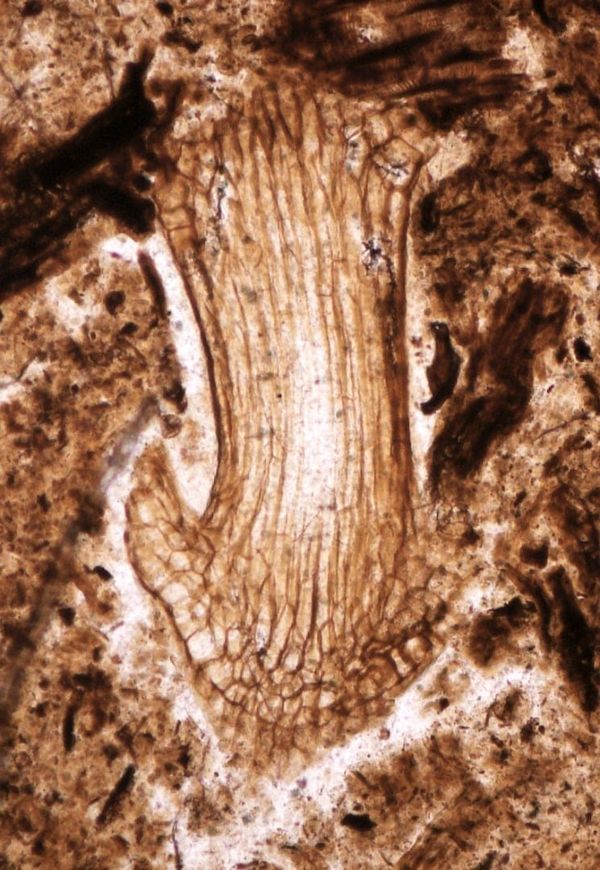
Tiny 135-million-year-old moss fossils found in rocks from western Canada preserve exquisite anatomical details. These fossils open an unexpected window on moss evolution,
annals-of-botany
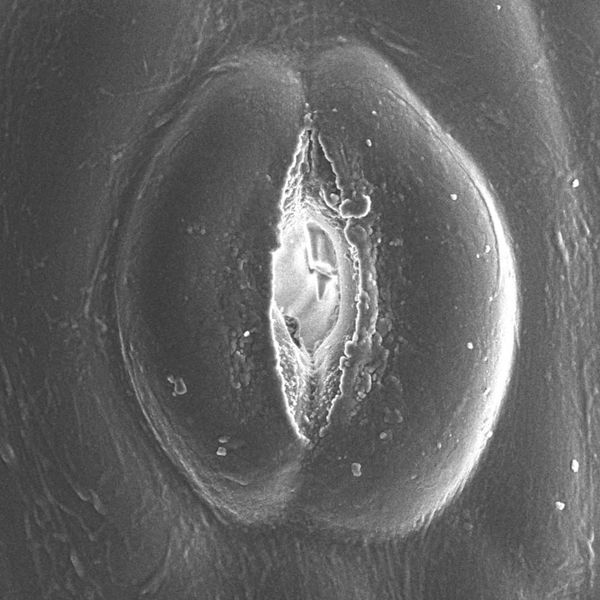
Stomata, pores in the plant epidermis that regulate gas exchange, are a key innovation that enabled freshwater algae to colonize Earth’s landmasses some 500 Mya.
annals-of-botany
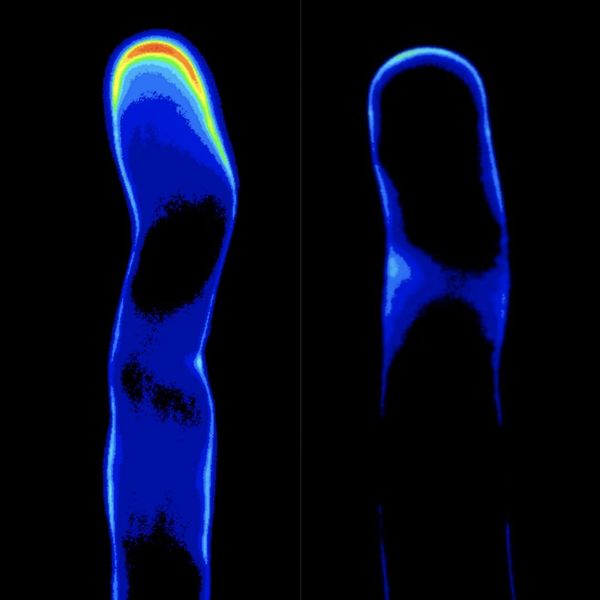
Pollen tubes are rapidly growing, photosynthetically inactive cells that need high rates of energy to support growth. Energy can derive from internal and external storage sources.

Reviews
Sunflowers by Stephen Harris 2018. Reaktion Books Ltd. Stephen Harris’ Sunflowers isn’t about sunflowers. OK, correction, it is, but it’s not just about sunflowers.
AoB PLANTS
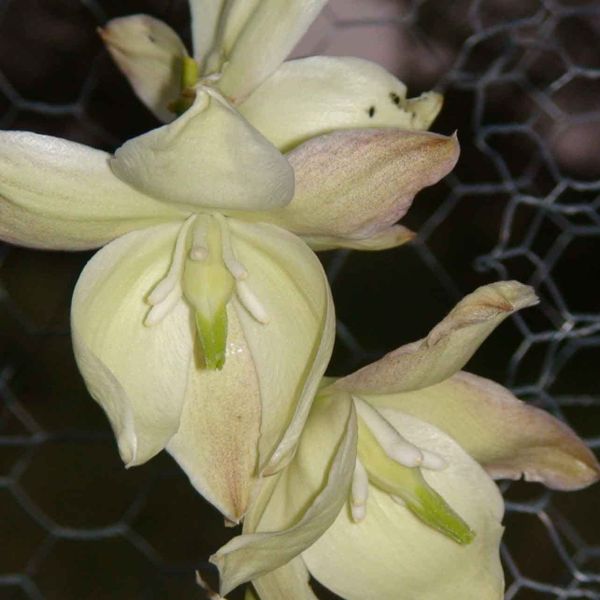
Both intrinsic and extrinsic plant processes affect the fate of flowers along an inflorescence in sequentially flowering plants. In a study recently published in AoB PLANTS,
annals-of-botany
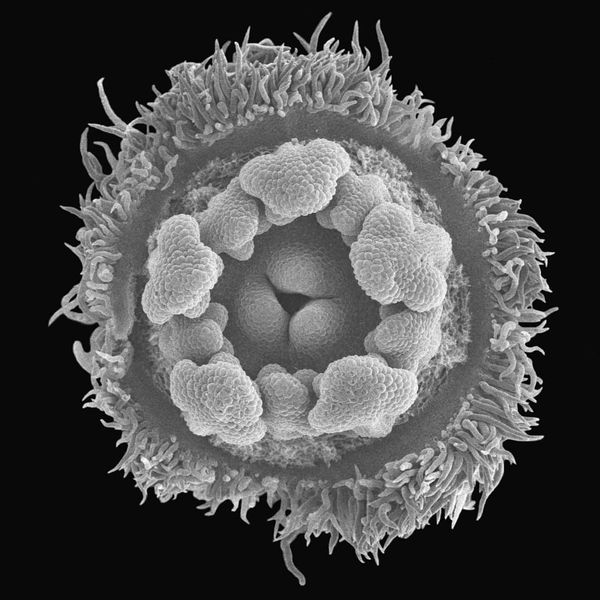
Camptotheca is endemic to China and there are limited data about the breeding system and morphogenesis of the flowers. Camptotheca is thought to be related to

Plant Cuttings
Great things are possible when disciplines that may be studied separately and distinctly are brought together. For example, and famously, when botany, zoology, bacteriology, mycology, protistology,
AoB PLANTS
Nutrient cycling is greatly influenced by dominant plants that contribute high amounts of leaf litter to soils; however, less-dominant and rare species can play key

Uncategorized
Who do we follow on Twitter? Here’s why we follow people and why we don’t.
annals-of-botany
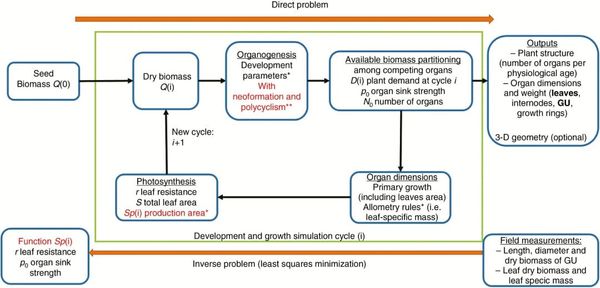
Trees can adapt their architecture in response to climate change by adjusting growth processes such as leaf neoformation and polycyclic growth. Tondjo et al. present work