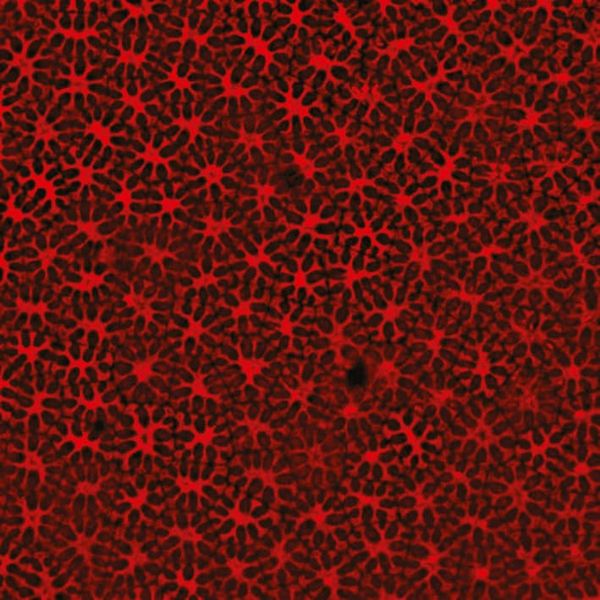
annals-of-botany
Pea seed testa and its role during the establishment of physical dormancy
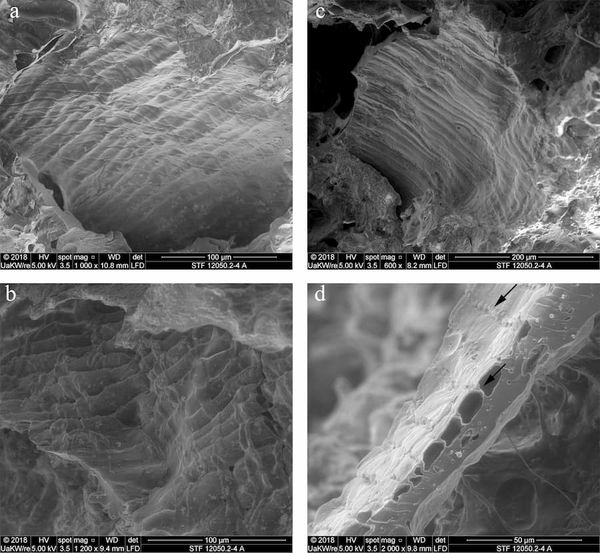
A water-impermeable testa may act as a barrier to seed imbibition, imposing dormancy. Janská et al. test six pea accessions of contrasting dormancy type for

annals-of-botany
A water-impermeable testa may act as a barrier to seed imbibition, imposing dormancy. Janská et al. test six pea accessions of contrasting dormancy type for

annals-of-botany
How long can a genebank keep seeds? New research looks into the variability of seed longevity in Indica rice.
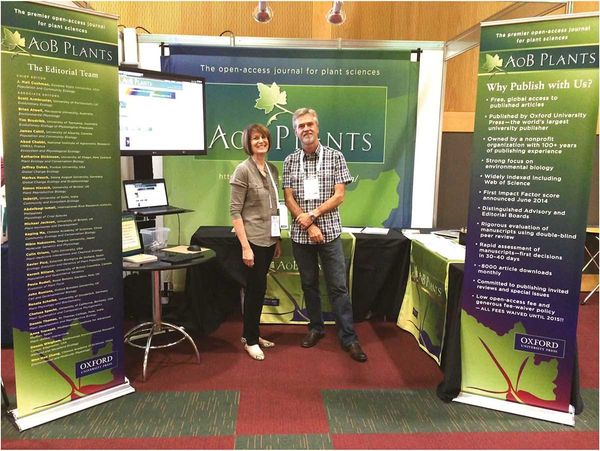
AoB PLANTS
All actively managed journals continually undergo self-analysis as they strive to improve their performance but it’s rare for the outcomes to be widely shared.
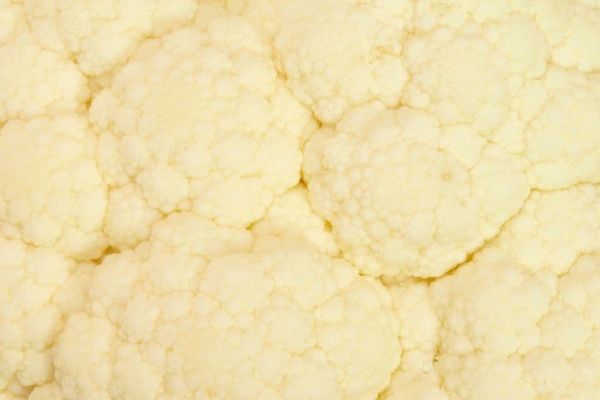
annals-of-botany
Plants rely on stiff cells walls for support. But these same cell walls have to be flexible to grow when required. Nguyen-Phan and Fry examine
annals-of-botany
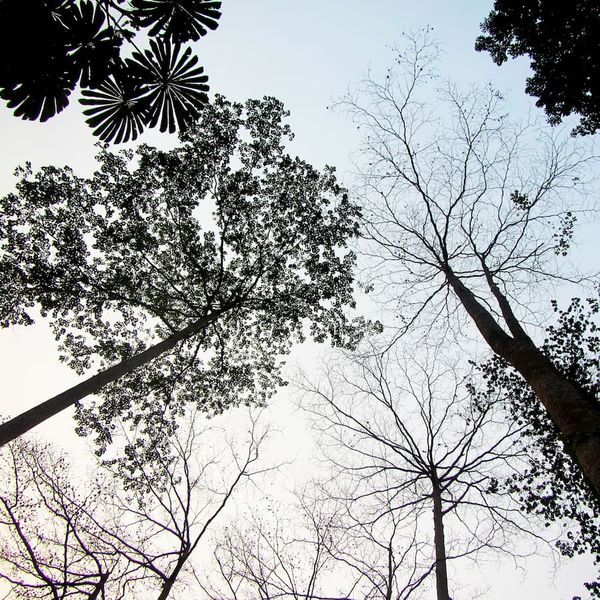
Do tree rings mark the beating of the seasons over time, or is it more complicated than that?
in silico Plants
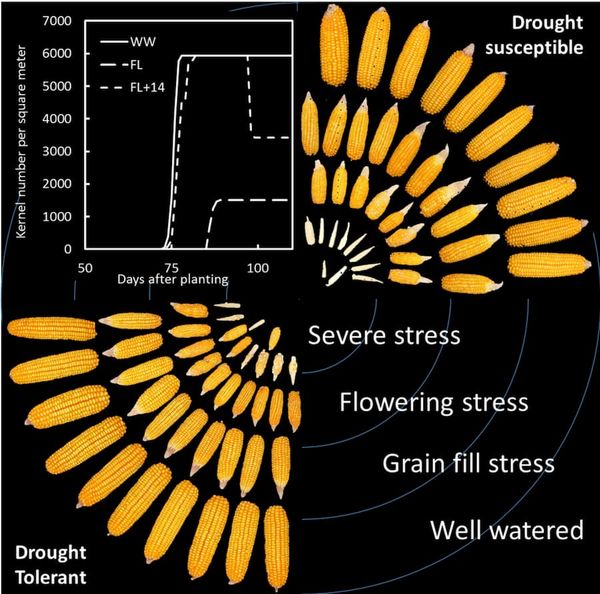
Reproductive failure in maize has long been studied in plant science. Now, for the first time, it has been quantitatively synthesized.

annals-of-botany
Rising sea levels mean increased salinity for plants on the shore, but how well do coastal plants cope with salt? New research says they’re surprisingly bad at it.
News in Brief
A ‘bread-like object’ with a hole in it illustrates a gap in our knowledge of prehistoric cuisine.
annals-of-botany
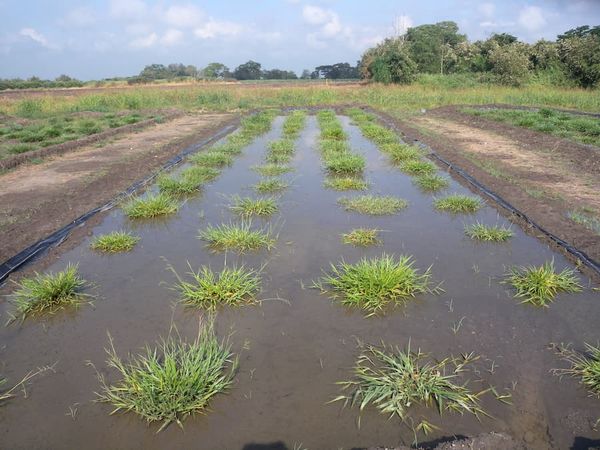
Often the perennial C4 grass Urochloa humidicola is planted on infertile acidic and waterlogging-prone soils of tropical America. But what effect does that waterlogging have
annals-of-botany
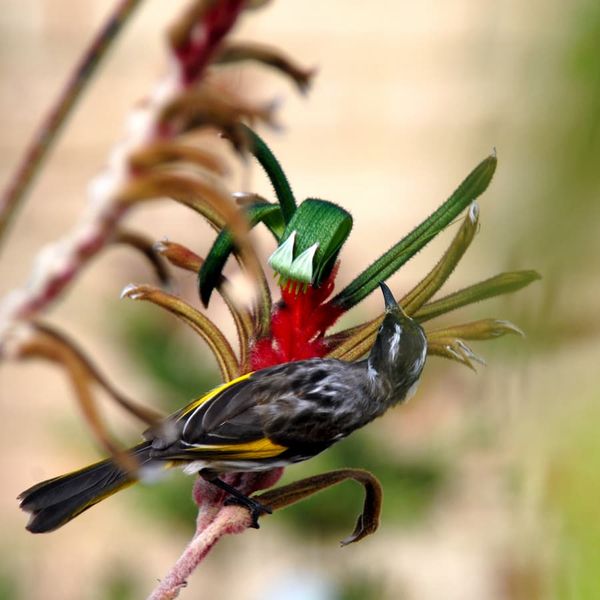
Where does the best pollen for reproduction come from? For Anigozanthos manglesii it comes from surprisingly close neighbours.
in silico Plants
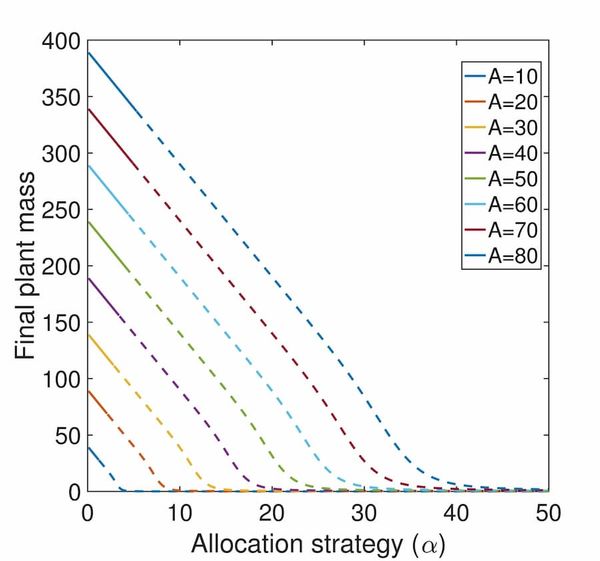
A new model allows researchers to understand the consequences of different carbon allocation strategies for plant growth.
AoB PLANTS
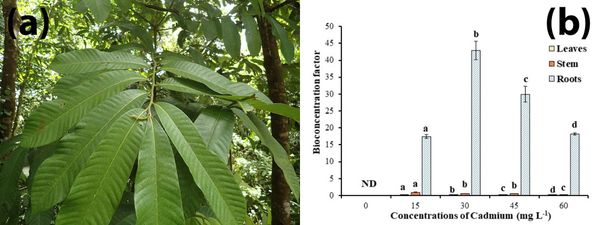
Cadmium is a non-biodegradable and easily absorbed, translocated and accumulated element in plant tissues. This means that it is highly available to plant root systems