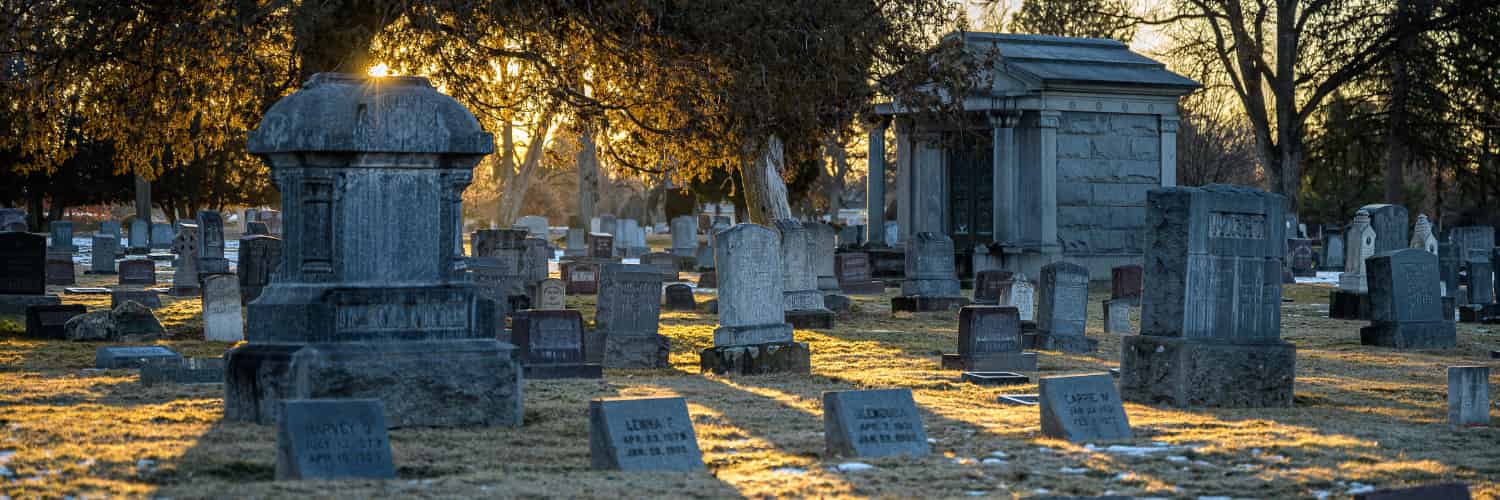



Imagine trying to establish a nature reserve in your city where endangered plants grow freely, birds sing undisturbed, and rare insects buzz about. It might seem like an impossible to task. However, such a place might already exists. A meta-analysis of 70 papers by Itescu & Jeschke, published in Conservation Biology, reveals that cemeteries play a crucial role in preserving urban biodiversity. The findings indicate that cemeteries could provide a key element of green space in urban planning.
Cemeteries are a public place for privacy
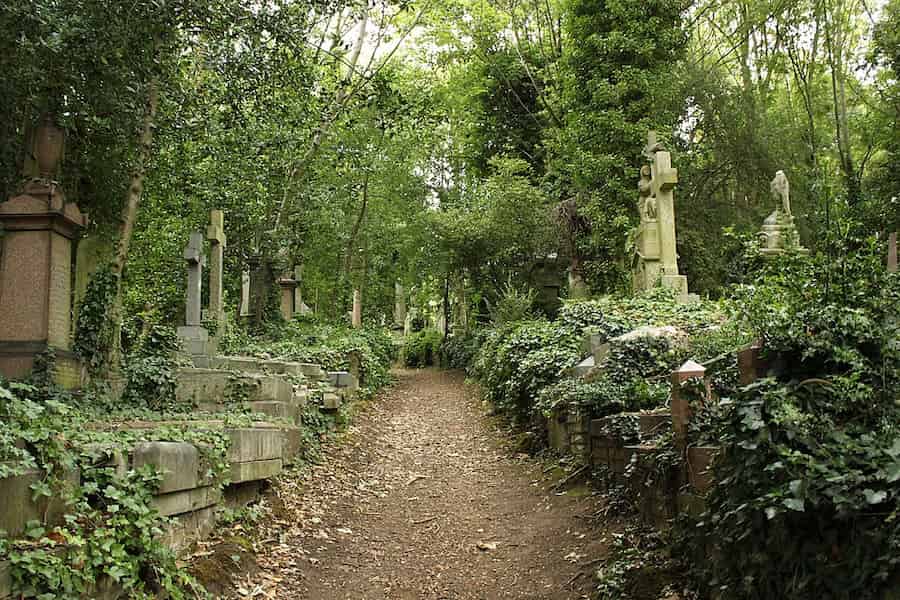
At first glance, cemeteries might seem grey and lifeless, their rows of headstones standing in solemn tribute to those who’ve passed. While they’re public spaces, the presence of burials makes them sites of private grief, encouraging visitors to pass through quietly and respectfully. This very quality, however, creates a unique environment where nature can thrive undisturbed.
Cemeteries are more than just final resting places for the departed, they’re vibrant green spaces in the heart of our cities. Often spanning several hectares, these pockets of tranquillity offer a stark contrast to the surrounding urban sprawl. Trees line peaceful pathways, wildflowers bloom between gravestones, and manicured lawns stretch out under open skies. In many cities, cemeteries represent some of the largest continuous green spaces available, rivalling public parks in size and ecological importance.
But just how important are cemeteries for urban biodiversity? To answer this question, researchers Yuval Itescu and Jonathan Jeschke conducted a global study. didn’t just look at cemeteries in isolation. They examined cemeteries in 50 cities across 27 countries, spanning every inhabited continent.
The biologists compared the biodiversity in cemeteries to that found in other urban green spaces, including parks, botanical gardens, and even remnants of natural areas within cities. This way, they could understand the unique role that cemeteries play in preserving urban biodiversity.
Cemeteries prove a surprising source of life
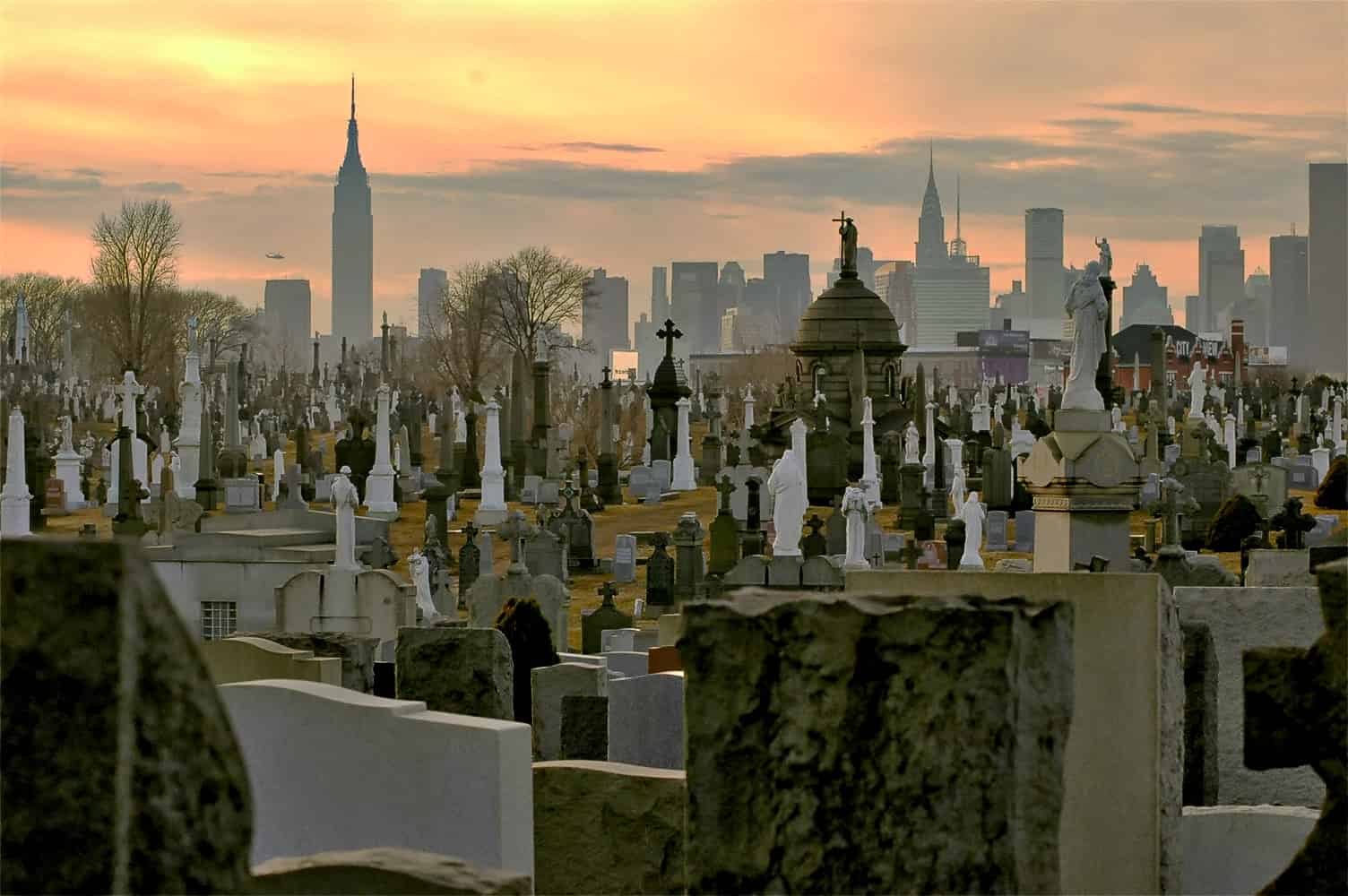
When Itescu and Jeschke tallied up the species in cemeteries around the world, the results were eye-opening. While people come to cemeteries to remember, they also crucially leave them. It’s by humans leaving these locations that Nature is able to move in, making them bustling hubs of life that often rival other urban green spaces.
A Rich Tapestry of Life
How do cemeteries stack up against other urban green spaces when it comes to the sheer number of species? The answer might surprise you. Despite not being created with biodiversity in mind, the study found that cemeteries are neck-and-neck with urban parks in terms of species richness. While they may not match the diversity found in botanical gardens (which are designed to showcase a wide variety of plant species), cemeteries hold their own against most other urban green spaces.
This means that the local cemetery down the street might be home to as many different types of plants and animals as your favourite city park. From tiny insects to colourful birds, from resilient wildflowers to towering trees, cemeteries are veritable Noah’s Arks of urban biodiversity.
Native Species Haven
Perhaps the most exciting finding is the high proportion of native species found in cemeteries. In a world where invasive species often dominate urban environments, cemeteries stand out as refuges for local flora and fauna.
The study revealed that cemeteries host a higher percentage of native species compared to botanical gardens and other institutional green spaces. This is crucial because native species are often better adapted to local conditions and play vital roles in the ecosystem. They provide the right kind of food and shelter for local wildlife, maintaining the delicate balance of urban ecology.
Unique Residents
While cemeteries may not have the highest number of unique species compared to some other urban green spaces, they do harbour species that are rarely found elsewhere in cities. These cemetery specialists have adapted to the unique conditions found in these peaceful plots.
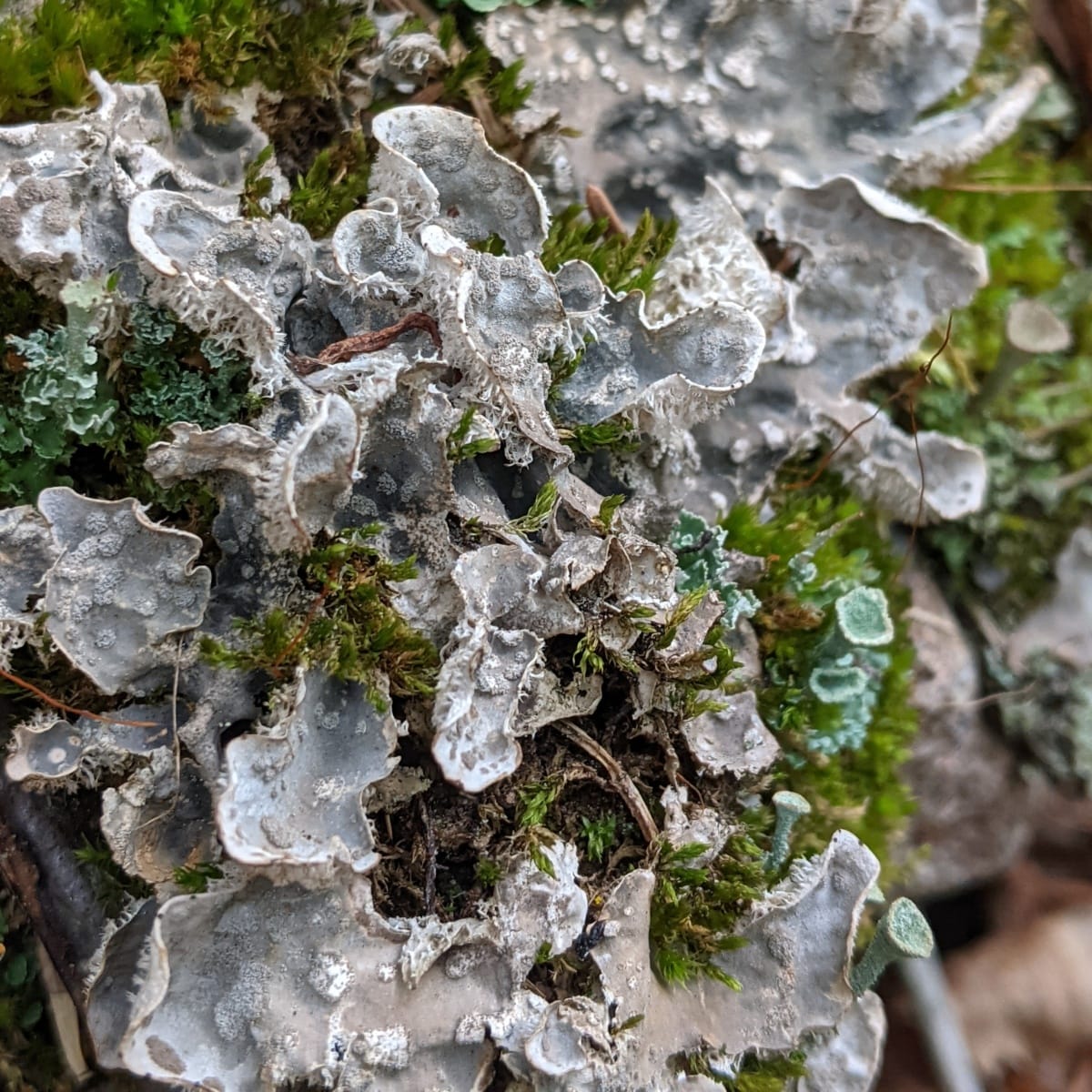
For instance, certain types of mosses and lichens thrive on old tombstones. Particular species of birds might prefer the quiet, tree-lined alleys for nesting. Trees left to decay can provide habitats for specialist invertebrates.
These unique species contribute to the overall biodiversity of our cities and underline the irreplaceable role that cemeteries play in urban ecosystems. They’re not just duplicates of what we find in parks or gardens – they’re distinct biological communities that add to the rich tapestry of urban life.
Why Cemeteries are Biodiversity Hotspots?
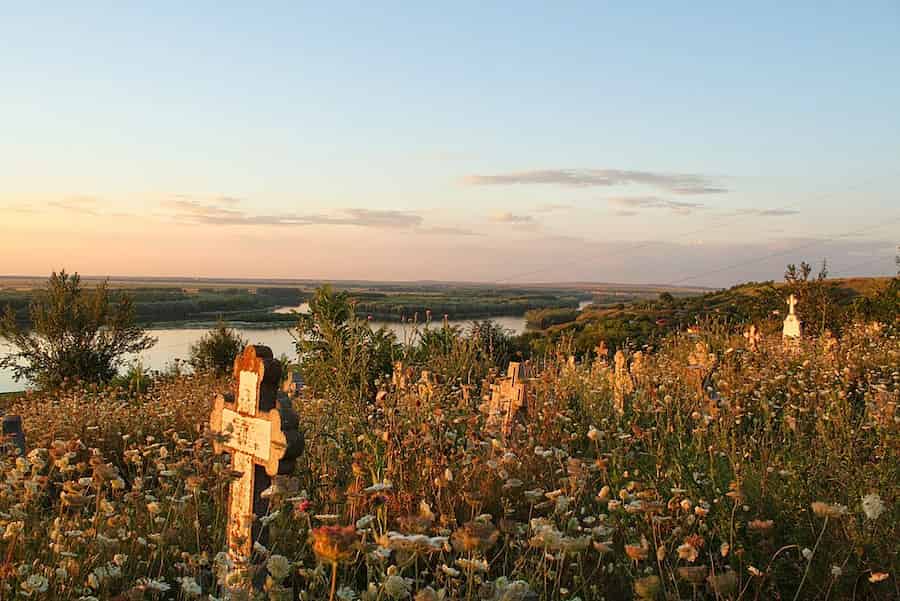
So, what makes cemeteries such unexpected havens for urban wildlife? It turns out they have a unique combination of features that create the perfect conditions for biodiversity to flourish.
1. The Minimal Disturbance Factor
Unlike bustling city parks or busy streets, cemeteries are islands of tranquility in the urban sea. They see far less human foot traffic, and the visitors they do get tend to be quiet and respectful. While people many ramble anywhere through parks, movement through a cemetery tends to be along very specific routes. This minimal disturbance is a huge plus for wildlife.
At night, when the gates close to human visitors, cemeteries transform into nocturnal ecosystems unseen elsewhere in the city. The lack of artificial lighting makes them ideal habitats for night-active species like bats, moths, and owls. It’s a hidden nightlife that most city dwellers never get to witness.
2. Diverse Habitats
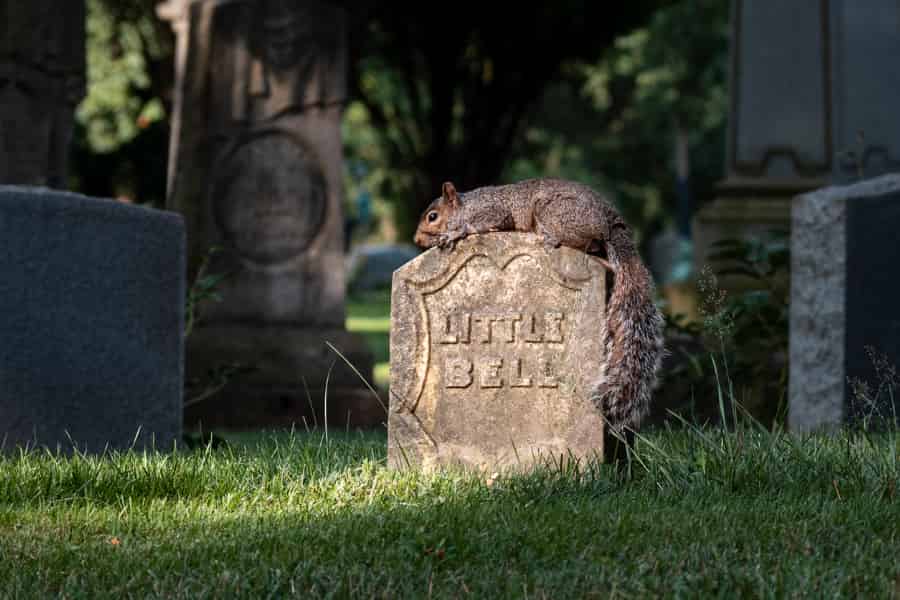
Cemeteries offer a surprising variety of habitats in a relatively small area. Open, grassy areas between graves are perfect for small mammals and insects. Scattered trees provide homes for birds and squirrels. Stone monuments and mausoleums provide cool, damp spaces perfect for mosses and lichens. This mix of open spaces, vegetation, and structures creates a mosaic of habitats that can support a wide range of species.
3. Long-term Protection
In our rapidly changing urban environments, cemeteries offer something rare: stability. While other green spaces might be repurposed or developed, cemeteries are usually protected by cultural norms and often by law. This long-term stability is golden for biodiversity.
This long-term stability allows ecosystems to develop and thrive undisturbed over decades or even centuries. It’s not uncommon to find ancient trees in cemeteries, their gnarled branches offering homes to countless birds, insects, and small mammals. You don’t shift a cemetery without a lot of paperwork and planning.
4. The Role of the Dead in Cemeteries
In addition to the features above that could be recreated anywhere with sufficient determination, cemeteries have an extra ingredient. Cemetery soil is special. Scientists call it “necrosol.” Thanks to the decomposing remains, this soil is often rich in organic matter and nutrients. This nutrient-rich soil supports a wide variety of plant life, which in turn supports insects, birds, and other animals. It’s a stark reminder of the cycle of life.
Saproxylic species, species that use dead wood, such as beetles or fungi, can also be found in cemeteries. Trees can be left in cemeteries to develop hollows for nesting birds or simply decay more often than in places with a greater human presence.
It’s the combination of these factors – peace and quiet, habitat diversity, long-term stability, and rich soil – that makes cemeteries biodiversity hotspots.
There’s diversity in the biodiversity
Ironically, there is a tendency to consider biodiversity as a single category. Itescu and Jeschke’s study reveals that it’s bit more complicated than that. They find that biodiversity varies between plants and animals.
One of the most striking differences is in the native species. In cemeteries, around 97% of the animal species were native, while only 47% of plant species were native. This is not so surprising when you remember that people bring plants to graves to commemorate the dead, but rarely (intentionally) bring invertebrates or mammals. The animals have to bring themselves.
Mobility explains another difference in biodiversity. There are more species of plant that are found uniquely in cemeteries, 27%, than animals, 19%. For contrast, Itescu and Jeschke found that 16% of animals were unique to urban parks and 33% of plants were unique to parks. Why should cemeteries have comparatively fewer unique species than parks?
One reason for the greater diversity of plants in parks is that parks are planted for, among other things, plants. In contrast, cemeteries are for humans, and this brings its own features. Itescu and Jeschke write: “In cemeteries, the planted species diversity is typically restricted by religious or cultural traditions.”
“In cemeteries, planted species are more similar across sites because there is a tendency to plant specific species with symbolic meanings or aesthetic function, whereas the choices for ornamental vegetation in different parks are more diverse. In this context, one important difference between animals and plants in urban green spaces is that plantings introduce many non-native plants into these areas, whereas the vast majority of animal species are native.”
The Future of Cemetery Conservation
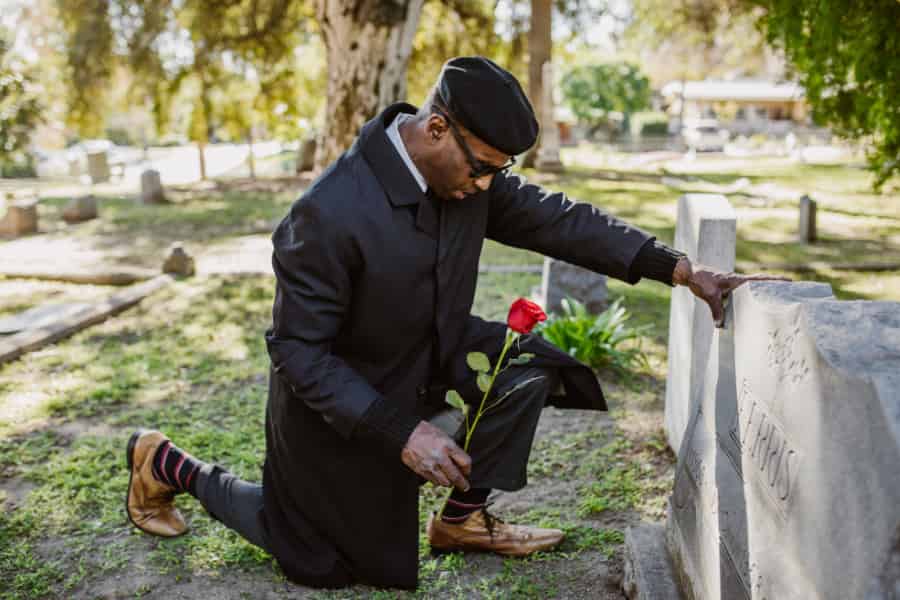
As our cities grow and green spaces shrink, the conservation potential of cemeteries is becoming increasingly clear. These often overlooked urban oases aren’t just peaceful resting places for the departed—they’re vibrant ecosystems with a crucial role to play in preserving urban biodiversity.
Yet these spaces still aren’t fully understood. Itescu and Jeschke write: “To fully realize the conservation potential of cemeteries, it is important to evaluate and understand the factors that shape their biota. Importantly, the current extent of available data on biodiversity in cemeteries is limited, and the patterns we detected, while providing interesting and potentially important insights, should be interpreted with caution.”
One problem they identified was a bias in recording species. “[V]ascular plants were surveyed and reported at much coarser taxonomic groupings than animals, which impeded fine-resolution analyses of plant patterns.” They also lament the lack of data on many taxonomic groups, highlighting problems recording fishes, reptiles, amphibians, many invertebrate groups, nonvascular plants, and fungi.
Nevertheless, they conclude: “Given their long-term survival due to cultural and religious significance, cemeteries should receive special attention in conservation and sustainable urban design plans.”
However, unlocking the full conservation potential of cemeteries will require a delicate balancing act. These are, after all, culturally significant spaces that serve important social and emotional functions. Any conservation efforts must respect this dual role.
READ THE ARTICLE
Itescu, Y. and Jeschke, J.M. (2024) “Assessing the conservation value of cemeteries to urban biota worldwide,” Conservation Biology: the journal of the Society for Conservation Biology. Available at: https://doi.org/10.1111/cobi.14322.





.jpg?ref=botany.one)