

Plants are incredibly diverse, and so are botanists! In its mission to spread fascinating stories about the plant world, Botany One also introduces you to the scientists behind these great stories.
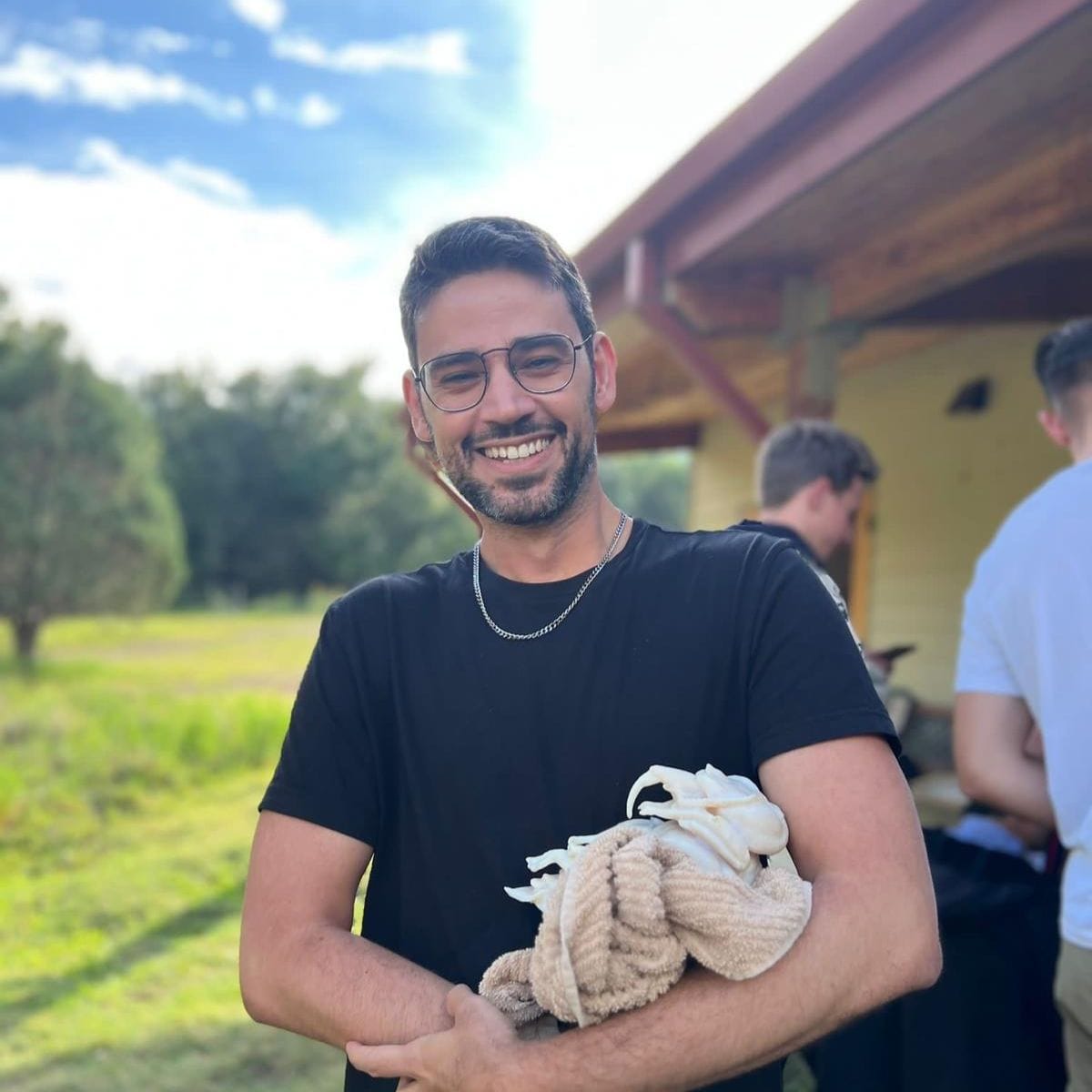
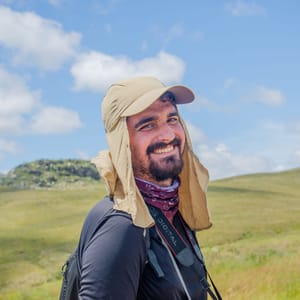
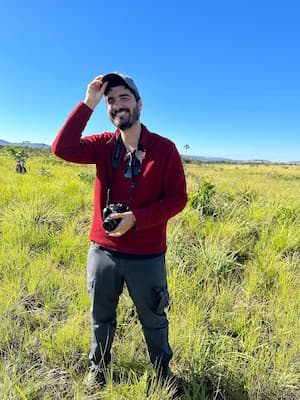
Today, we have Dr Liedson Carneiro is a Brazilian pollination ecologist, recently appointed as an Assistant Professor at Southwestern Oklahoma State University (United States). Carneiro’s research interests spans from floral biology and evolution to plant-pollinator interactions and crop pollination. You can follow his research at his personal website.
What made you become interested in plants?
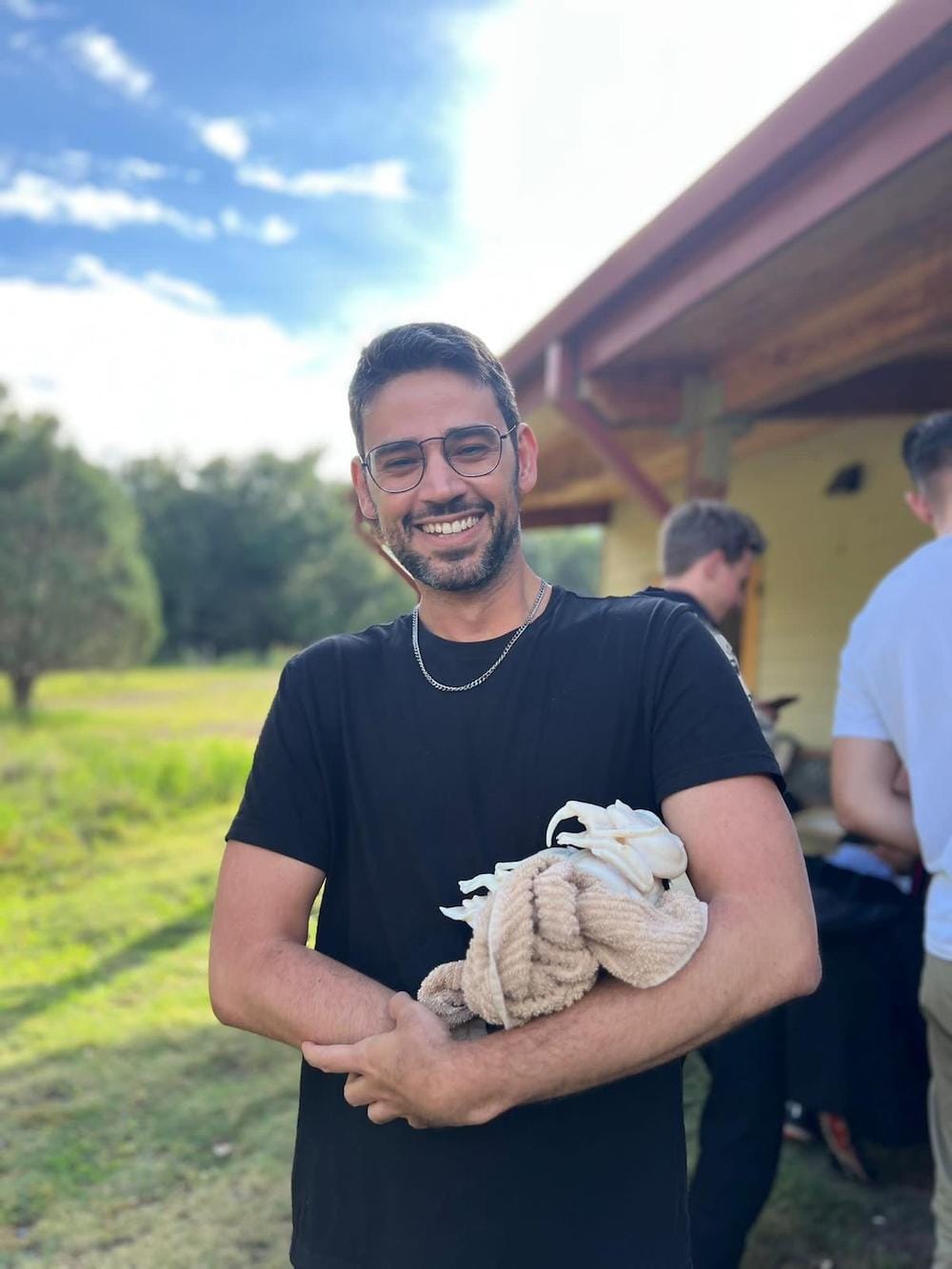
My interest in plant–pollinator interactions began during my undergraduate studies, when I first realized how fascinating plant reproduction is. I was initially drawn to floral morphology and plant taxonomy, but I quickly became more interested in how flowers function. That curiosity deepened when I explored an entomological collection and discovered the incredible diversity of bees and other pollinators. One of the first people who opened my eyes to the beauty of floral diversity was Prof. Dr. Rita Baltazar Lima (in memoriam), whose undergraduate classes left a lasting impression on me. My passion grew even more as I learned how pollinators, through their behavior and morphology, can shape floral traits.
What motivated you to pursue your current area of research?
During my doctoral research, I worked across large spatial scales in seasonal tropical environments, especially dry forests. I focused on floral oil systems and pollinator-mediated selection, and it was then that I came to appreciate how dynamic and context-dependent pollination systems are. In recent years, I’ve expanded my research to the community level, incorporating network theory, broad field data collection, and increasingly sophisticated ecological analyses. This integrative approach has helped me better understand both the fine-scale mechanisms and larger-scale patterns that structure these interactions. To this day, I remain deeply motivated by the beauty, complexity, and relevance of plant–pollinator interactions. Today, my research stands on three strong pillars—evolutionary ecology, community ecology, and applied ecology—all contributing to a more comprehensive understanding of pollinator-mediated processes.
What is your favourite part of your work related to plants?
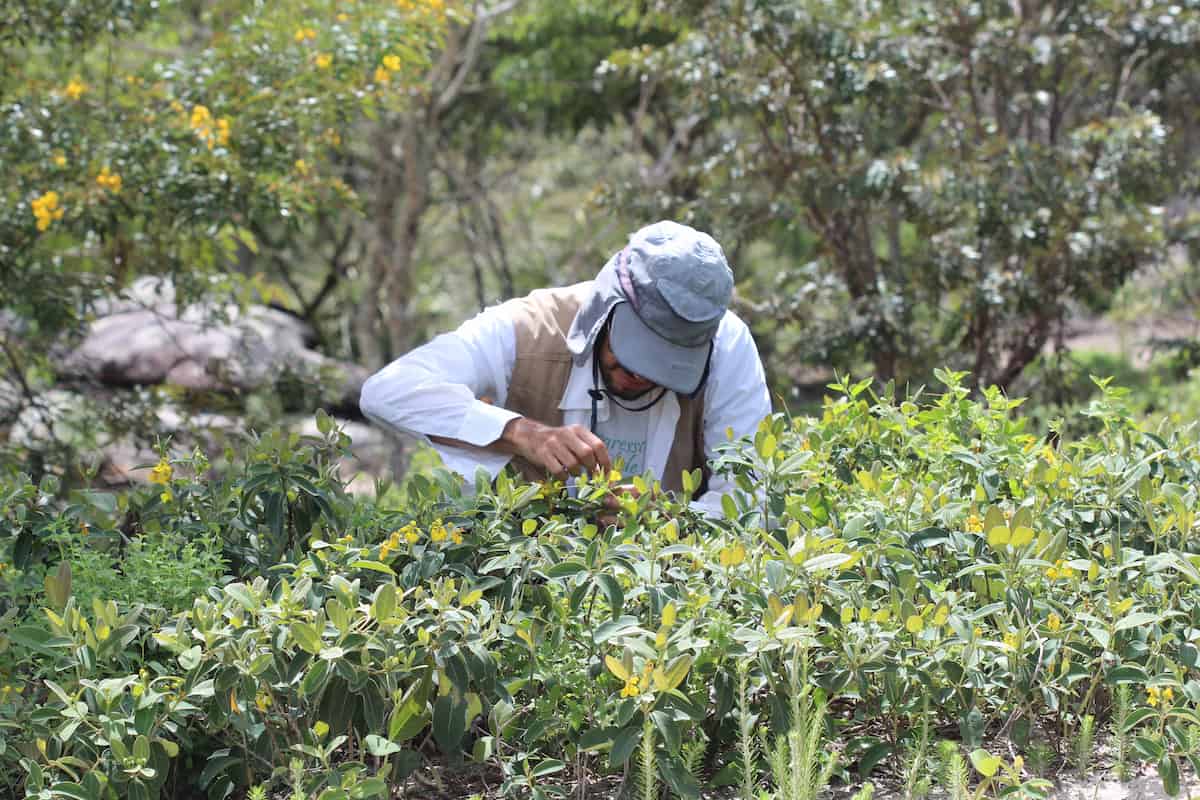
What I enjoy most is observing flowers and bees in their natural environments. Whether in dry tropical forests, Californian serpentine seeps, or agricultural landscapes, I find it deeply rewarding to watch how flowers function: how they open, what rewards they produce, and how they interact with visiting animals. These firsthand observations of natural history have shaped my scientific thinking and continue to ground the questions I ask.
I also enjoy uncovering patterns that aren’t immediately visible in the field. Collecting data, analyzing ecological and evolutionary trends, and designing experiments that reveal hidden dynamics in plant–pollinator interactions are intellectually exciting. There’s something uniquely satisfying about revealing how pollinators influence floral diversity, shape plant communities, and contribute to ecosystem services like food production.
What advice would you give young scientists considering a career in plant biology?
I believe it’s essential to build a strong foundation in natural history. Observing organisms in their environments and understanding their traits and behaviors sharpens your intuition and helps you ask meaningful questions. But natural history alone isn’t enough. It’s equally important to design solid sampling strategies, collect precise data, and develop a good grasp of statistics and modeling. These tools help uncover patterns and support well-grounded conclusions.
Engaging with both classical and contemporary literature is also crucial. Scientific progress is not linear—it moves in spirals. Revisiting old hypotheses with new tools and perspectives is often where innovation occurs.
Seek diverse mentorship throughout your training. Different mentors will expose you to varied perspectives, approaches, and skills in these research fields, all of which will enrich your development. Don’t be afraid to leave your comfort zone, whether that means learning unfamiliar methods or working in challenging environments. You will adapt, and it’s important to remember that perfectionism has no place in nature. Growth comes through trial, error, and persistence. Finally, be patient and celebrate small victories. Evolutionary ecology and pollination biology are fields with deep theoretical roots and urgent real-world relevance. Whatever your focus, your work matters and can make a lasting impact.
Carlos A. Ordóñez-Parra
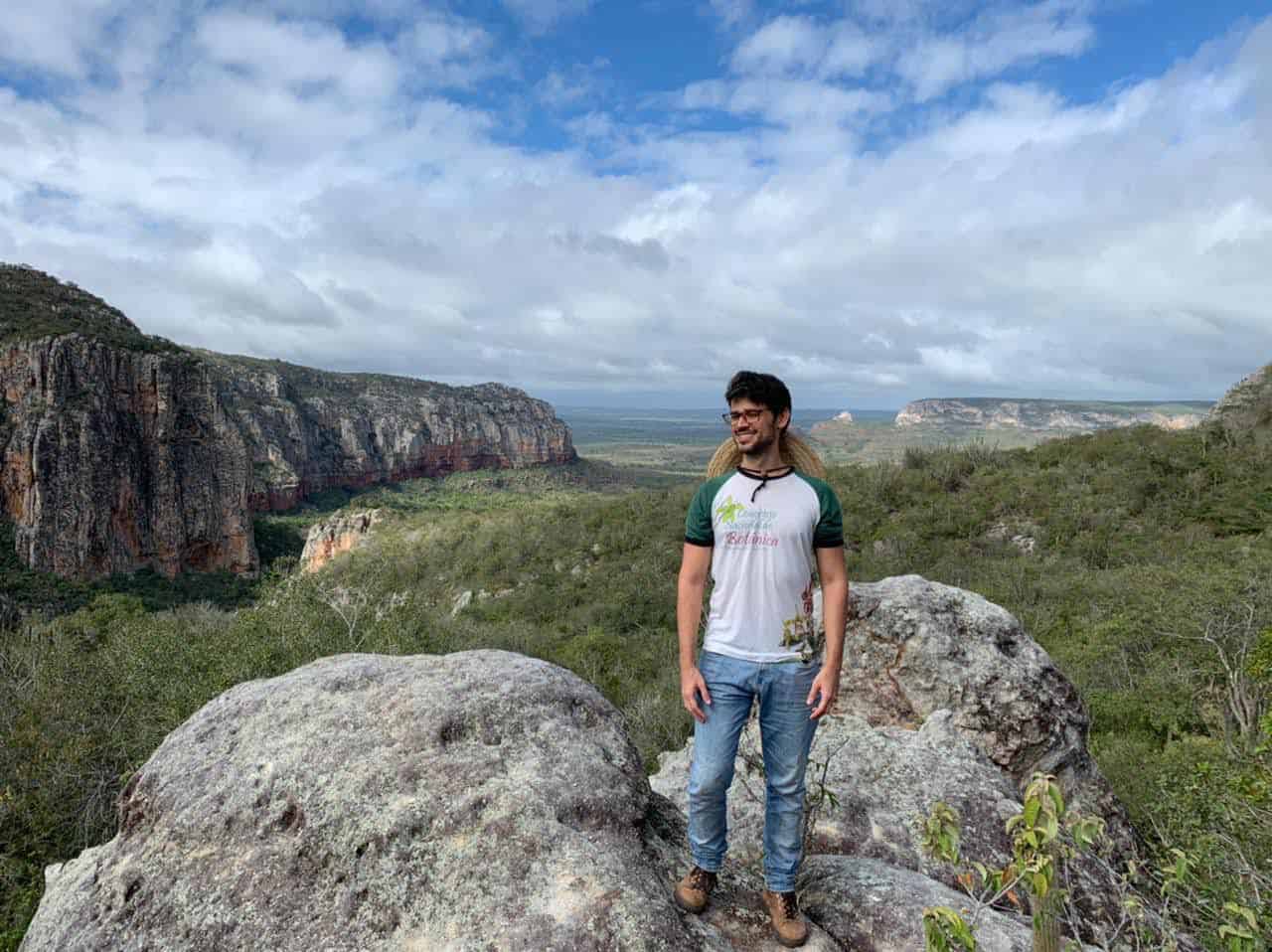
Carlos (he/him) is a Colombian seed ecologist currently doing his PhD at Universidade Federal de Minas Gerais (Belo Horizonte, Brazil) and working as a Science Editor at Botany One and a Communications Officer at the International Society for Seed Science. You can follow him on BlueSky at @caordonezparra.