

Plants are incredibly diverse, and so are botanists! In its mission to spread fascinating stories about the plant world, Botany One also introduces you to the scientists behind these great stories.
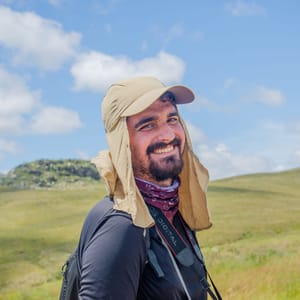
Today, we have Dr Kenji Suetsugu a plant ecologist and a professor at Kobe University in Japan. His research focuses on the unique relationships between plants and other organisms within their environment. Specifically, Suetsugu investigates plants that have completely abandoned photosynthesis, relying instead on partnerships with fungi—scientifically known as mycoheterotrophic plants. He is deeply fascinated by how these remarkable plants interact with their fungal partners belowground and with insects aboveground, such as the pollinators that assist in their reproduction.
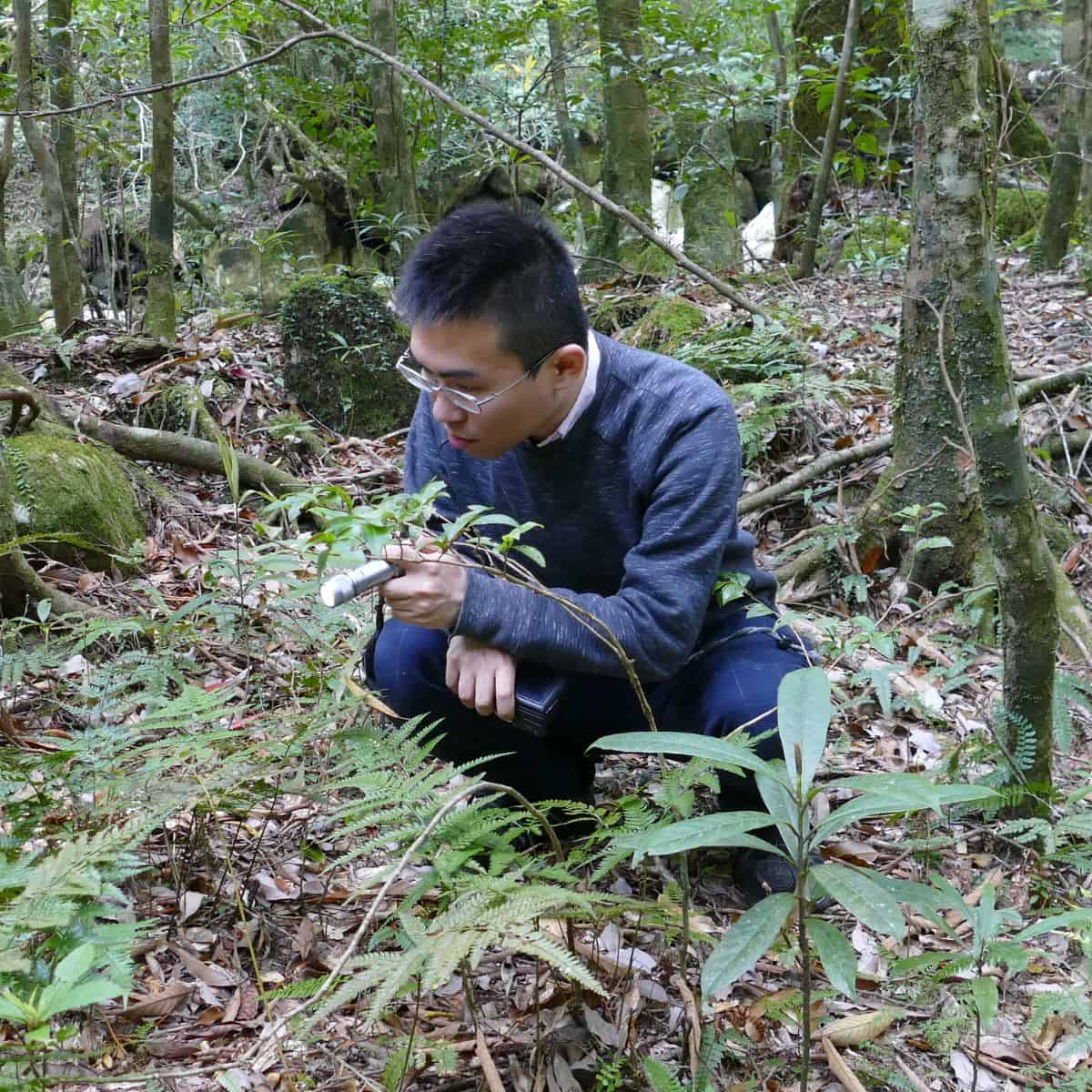
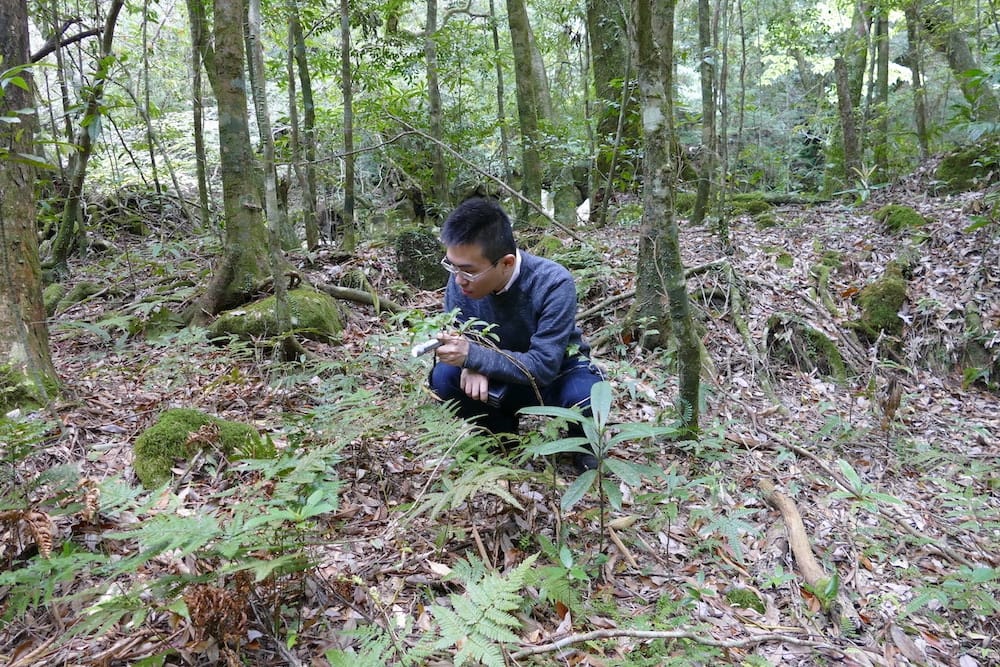
Much of his research is strongly field-oriented, often spending extended periods in forests, carefully observing and documenting plants in their natural habitats. Suetsugu firmly believes that major discoveries often arise from simple field observations, even within well-studied ecosystems. Over the years, this hands-on approach has yielded significant results: he has identified new species hidden in plain sight and uncovered unexpected biological phenomena, such as the ability of stick insect eggs to survive passage through bird digestive systems. At its core, his work is driven by a lifelong passion for exploring nature’s hidden stories, combining the curiosity of childhood with the rigor of scientific inquiry.
What made you become interested in plants?
I have been fascinated by living organisms since early childhood. As a young child, I was far more captivated by animals and plants than by toys. I would spend hours observing insects in the yard or engrossed in illustrated nature books, rather than playing with the latest gadgets. In Japanese, the names of many organisms are written in katakana, one of our phonetic alphabets. In fact, I learned to read katakana before mastering the standard hiragana script, driven by a desire to understand the names of the creatures and plants depicted in those books.
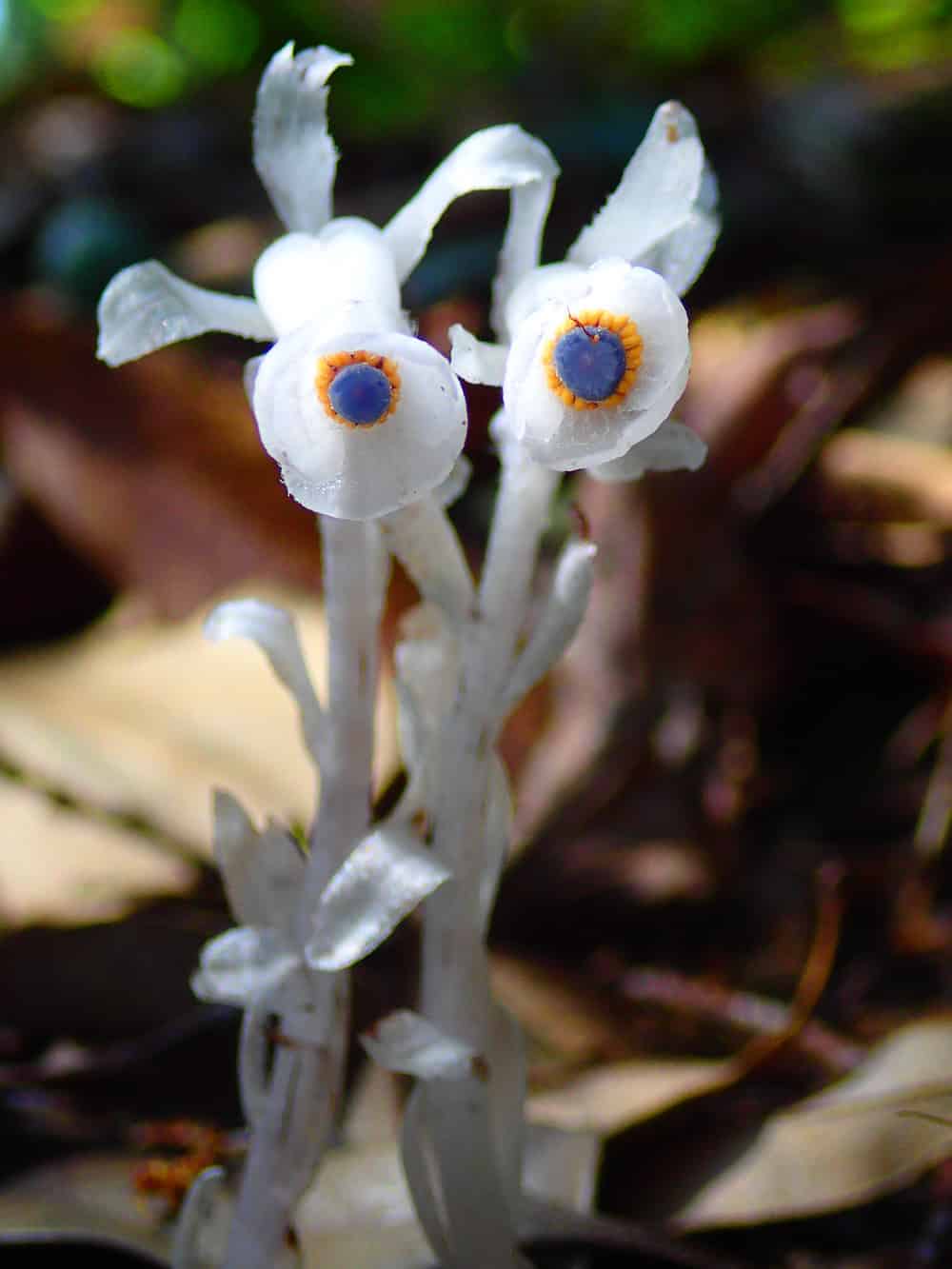
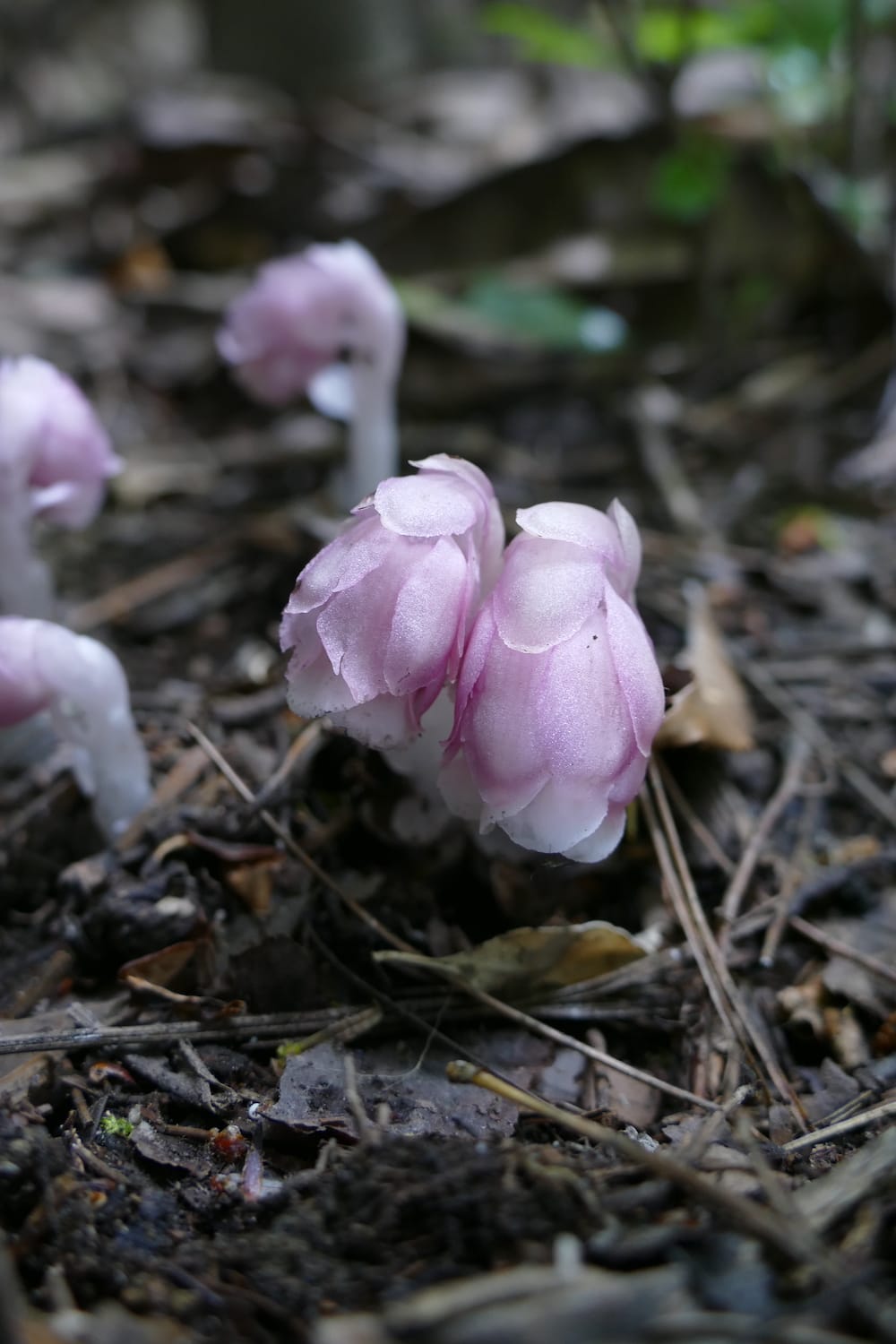
One of my most memorable early encounters was with Monotropastrum humile, commonly known as the “ghost plant” or locally as the “silver dragon” plant. I vividly recall discovering a cluster of these ghostly white plants during a forest walk in early elementary school. With no green leaves, they appeared otherworldly. I was astonished to learn that this plant does not photosynthesize, instead relying entirely on fungi in the soil for its nutrition. Finding something so extraordinary growing in familiar woods filled me with awe and deepened my desire to unravel the mysteries of nature.
What motivated you to pursue your current area of research?
My first encounter with a non-photosynthetic plant occurred in early elementary school, when I discovered the pure-white Monotropastrum humile in a nearby forest. The sense of wonder it evoked has remained with me ever since. Upon entering university, I chose to focus my research on non-photosynthetic plants, as abandoning photosynthesis forces them into remarkable symbiotic relationships with fungi and insect pollinators. I was especially captivated by the complexity of their lifestyles. Unlike typical plants, these species cannot produce food from sunlight, relying entirely on symbiotic partnerships—extracting nutrients from soil fungi and often depending on specialized insects for pollination or seed dispersal.
Studying these plants allowed me to explore a broad range of biological interactions simultaneously, from plant–fungus partnerships to plant–insect relationships. Mycoheterotrophic plants serve as a crossroads where diverse organisms meet and interact, sometimes cooperatively, sometimes antagonistically. One aspect that particularly intrigued me was their role as “cheaters” within mutualistic networks, obtaining nutrients from fungi without reciprocation. This twist in their biology made them all the more compelling as subjects of ecological and evolutionary research.
What is your favourite part of your work related to plants?
My favorite aspect is the thrill of uncovering hidden ecological interactions through careful field observation. Because plants exist through constant interactions with other organisms, studying plants inevitably leads to investigating the broader web of life.
One case where botanical research crossed into entomology stemmed from my interest in seed dispersal mechanisms. I began wondering whether similar processes could occur with insects, using stick insects as a model. Their eggs are remarkably seed-like, possessing a hard shell and a size comparable to plant seeds. Many plants rely on birds to disperse their seeds, with birds consuming fruits and later excreting the intact seeds far from the parent plant. I hypothesized that if a bird consumed a stick insect carrying eggs, the eggs might survive passage through the digestive system, much like seeds.
To test this, we conducted feeding experiments with birds and stick insects. Remarkably, we found that some stick insect eggs could survive digestion and hatch successfully after excretion. This discovery overturned the assumption that predation represents an evolutionary dead-end for insects. For these flightless insects, being transported inside birds opens opportunities to colonize distant locations otherwise inaccessible. Although it may not be a pleasant journey from the insect’s perspective, it offers the species remarkable new avenues for dispersal.
Are any specific plants or species that have intrigued or inspired your research? If so, what are they and why?
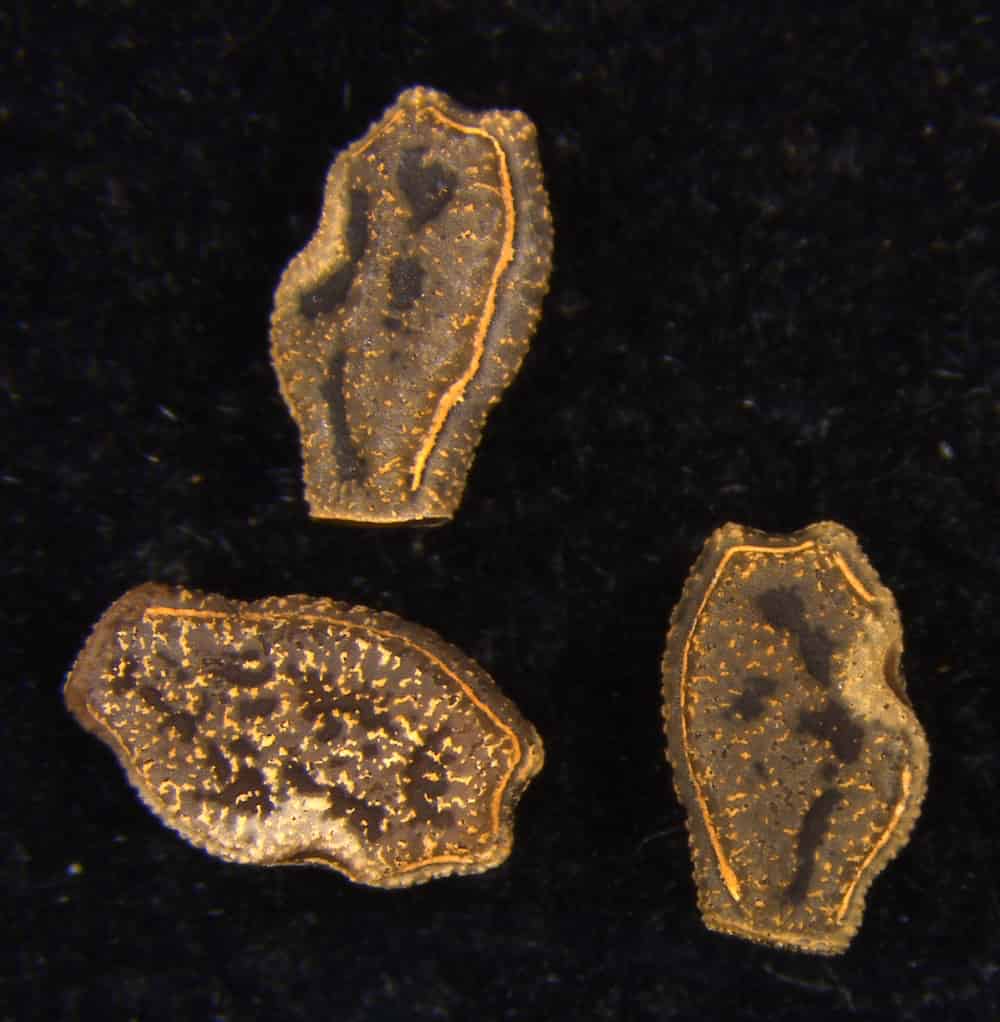
One of the most exciting milestones in my career was the discovery of a completely new plant species related to the organism that first inspired me to become a botanist: the ghost plant. For decades, Monotropastrum was considered a monotypic genus, comprising a single widespread species, Monotropastrum humile, across East and Southeast Asia. Although individuals with a rosy-pink hue rather than the typical white were occasionally observed, they were generally regarded as mere color variants. I was skeptical and began investigating these pink forms about twenty years ago.
This led to a two-decade-long investigation involving the collection of ghost plant specimens from Japan, Taiwan, and other regions, and the comparison of their genetic profiles as well as subtle morphological, ecological, and phenological traits. Ultimately, the evidence was unequivocal: the pink form was not simply a color variant, but a distinct species that had been hiding in plain sight. We named it Monotropastrum kirishimense, after the Kirishima region of Japan where it was first recognized.
The opportunity to formally describe a new species of the very plant that had first sparked my interest in botany was an indescribable joy. Interestingly, while Monotropastrum humile can associate with a wide range of fungal partners, the late-flowering, reddish Monotropastrum kirishimense parasitizes a single species of Russulaceae that Monotropastrum humile does not utilize. In the biological world, it is well known that shifts in food sources can drive speciation. When populations of a species adapt to different food resources, their offspring often cannot thrive on both, leading to reproductive isolation. In the case of Monotropastrum, the “food” is fungi, and it appears that divergence in fungal associations may have driven the emergence of this new species.
Could you share an experience or anecdote from your work that has marked your career and reaffirmed your fascination with plants?
One of the most striking moments in my career occurred during a survey of Gastrodia foetida in a shaded hillside forest. I noticed fruit flies entering the flowers and depositing eggs inside the wilted petals. Intrigued, I examined the leaf litter beneath the plants and discovered tiny larvae feeding on fallen floral tissue. I realized I was witnessing the first documented case of nursery pollination in orchids, a system where plants provide brood sites for insects in exchange for pollination services. This discovery reaffirmed my fascination with plant biology in multiple ways. First, it highlighted how even a thoroughly studied family like Orchidaceae can harbor entirely novel ecological strategies. Second, it demonstrated how simple curiosity and field observation can overturn long-standing assumptions. Finally, it captured what I love most about my work: chasing faint clues with minimal equipment, and occasionally emerging with discoveries that cast familiar organisms in a completely new light.
Fieldwork, to me, is the backbone of biological discovery. In my experience, extraordinary discoveries often lie hidden within familiar local woods and gardens. For example, the discovery of Monotropastrum kirishimense did not arise from an unexplored jungle, but from careful study of ghost plants in ordinary Japanese forests that botanists thought they already understood. Similarly, the stick insect dispersal insight came from connecting common phenomena—birds, insects, and seeds—observable even in backyards. In short, groundbreaking work often requires neither elaborate equipment nor far-flung expeditions, but rather careful attention to the subtle details in nature and the willingness to question familiar assumptions.
What advice would you give young scientists considering a career in plant biology?
My advice to budding botanists (or any young scientist) is to stay curious and get out into nature as much as possible. There is so much still unknown out there – even in your backyard – so never assume that everything has been figured out. If some organism or question fascinates you, don’t be afraid to pursue it, even if it seems obscure or challenging. Often, the most surprising breakthroughs come from following those “odd” curiosities.
It’s also important to be patient and persistent, because nature doesn’t reveal her secrets on our schedule. I spent two decades uncovering that new plant species – it was absolutely worth the effort, but it required long-term dedication. Similarly, not every field day will yield an amazing discovery, but each hour of observation builds understanding. Another piece of advice is to keep an open, interdisciplinary mind – sometimes insights from one area of biology can help answer puzzles in another (my seed dispersal idea for stick insects is a good example). Finally, remember to enjoy the process and keep that childlike sense of wonder alive. If you love what you’re doing, you’ll find the motivation to push through difficulties, and you’ll inspire others along the way.
What do people usually get wrong about plants?
A mistake I often encounter is the idea that plants are passive, silent objects merely growing toward the light. In reality, plants are dynamic organisms that sense their surroundings, adjust their chemistry and morphology, and even ‘‘choose’’ partners in complex symbioses. My studies of mycoheterotrophic orchids show that some ‘‘cheat’’ on their fungal hosts, tapping into underground networks without reciprocating. Pollination research such as studies of flies breeding in Gastrodia flowers, reveals that plants can recruit and manipulate animals in remarkably sophisticated ways.
Another misconception is that photosynthesis defines all plant life. The existence of fully mycoheterotrophic species challenges that view: these plants survive in total darkness by relying entirely on fungi. People also tend to overlook the hidden microbial communities in the rhizosphere that shape plant health, nutrition and evolution. Recognizing these hidden interactions is essential if we wish to understand how plants truly live and adapt.
Carlos A. Ordóñez-Parra
Carlos (he/him) is a Colombian seed ecologist currently doing his PhD at Universidade Federal de Minas Gerais (Belo Horizonte, Brazil) and working as a Science Editor at Botany One and a Communications Officer at the International Society for Seed Science. You can follow him on BlueSky at @caordonezparra.