

Plants are incredibly diverse, and so are botanists! In its mission to spread fascinating stories about the plant world, Botany One also introduces you to the scientists behind these great stories.
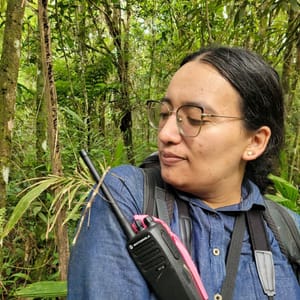
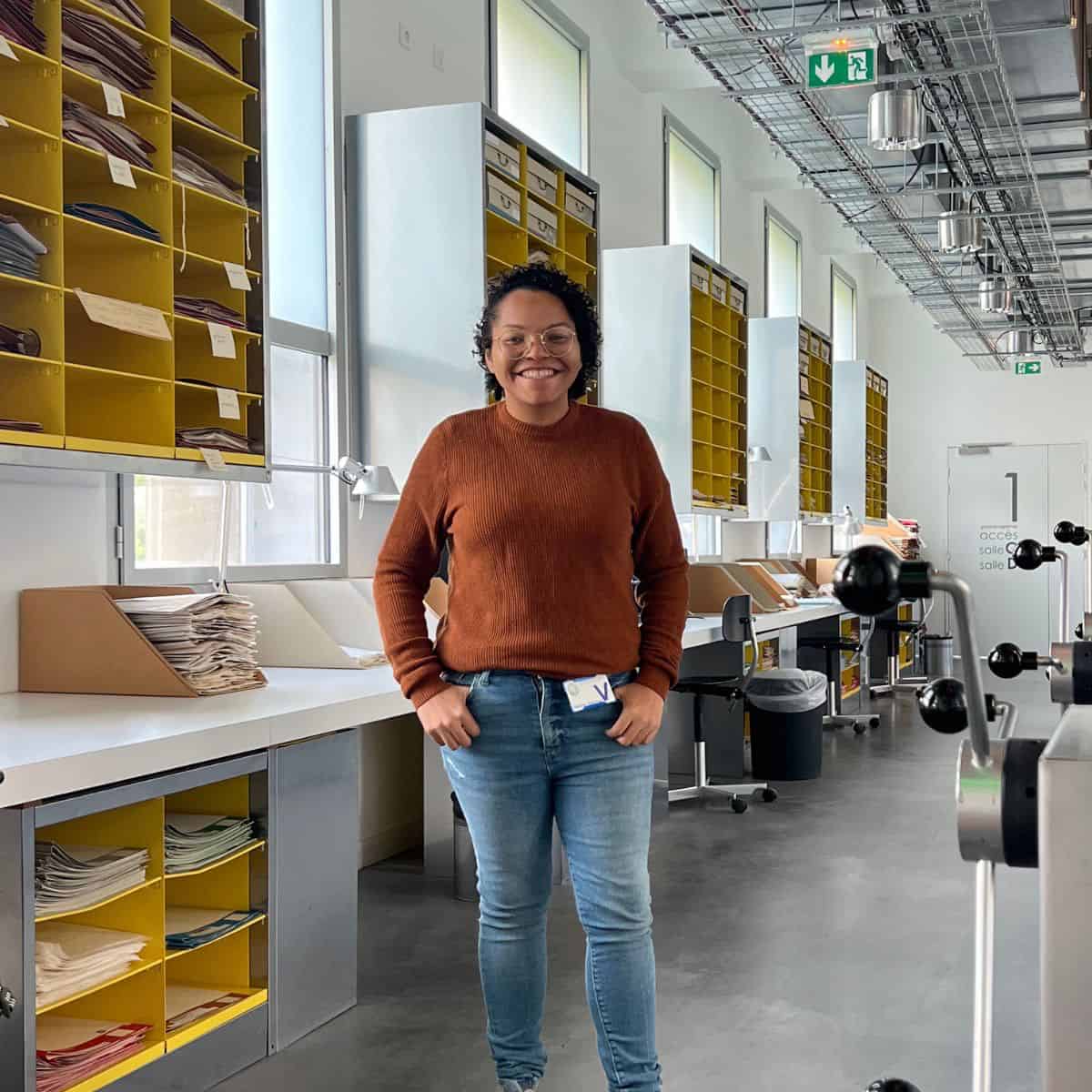
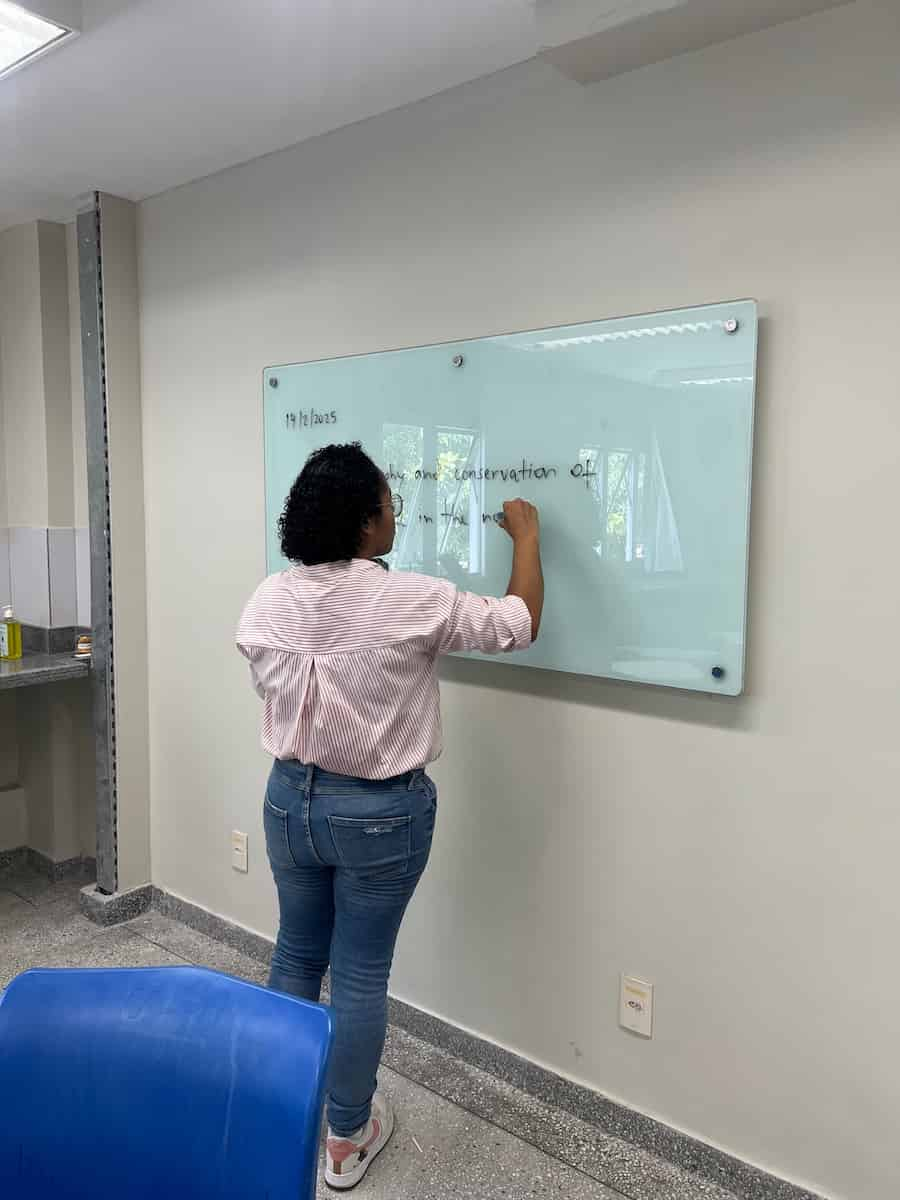
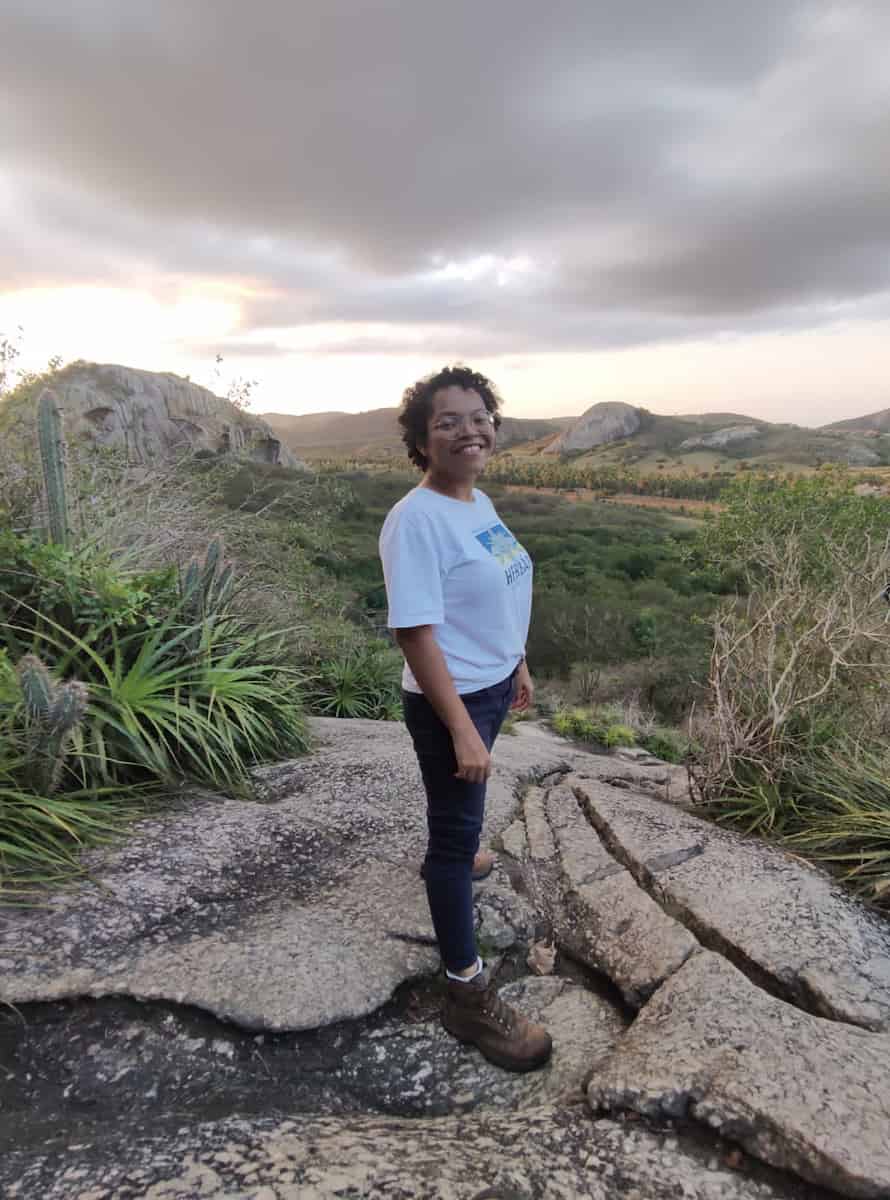
Today, we have Gláucia Silva a PhD in Systematics and Evolution from Universidade Federal de Rio Grande do Norte (UFRN) in Brazil. She holds an B.Sc. in Biology, a specialization in Sciences and Mathematics Teaching; and a Master’s Degree in Systematics and Evolution, all from UFRN. Silva is passionate about plant taxonomy, conservation, ecology and botany education, and her work is related to the taxonomical diversity, conservation, and phytogeography of Passiflora of the Caatinga domain and applications in botany teaching. Silva work in the North-eastern region of Brazil with fieldworks to collect Passiflora samples, visiting herbaria and analysing data, with the ultimate goal to understand how many Passiflora species occur, live and function in this rich phytogeographic domain and its secondary vegetations.
At her brand-new botany teaching lab, she navigates towards cognitivism, constructivism and a few of humanism-learning theories, meaningful learning, multiple intelligences, methods and strategies for botany education. When she is not working, Silva enjoys dancing, build Lego botanicals sets, play video games, travelling, cooking, and going to the beach. You can follow her work on Passiflora species at Instagram.
What made you become interested in plants?
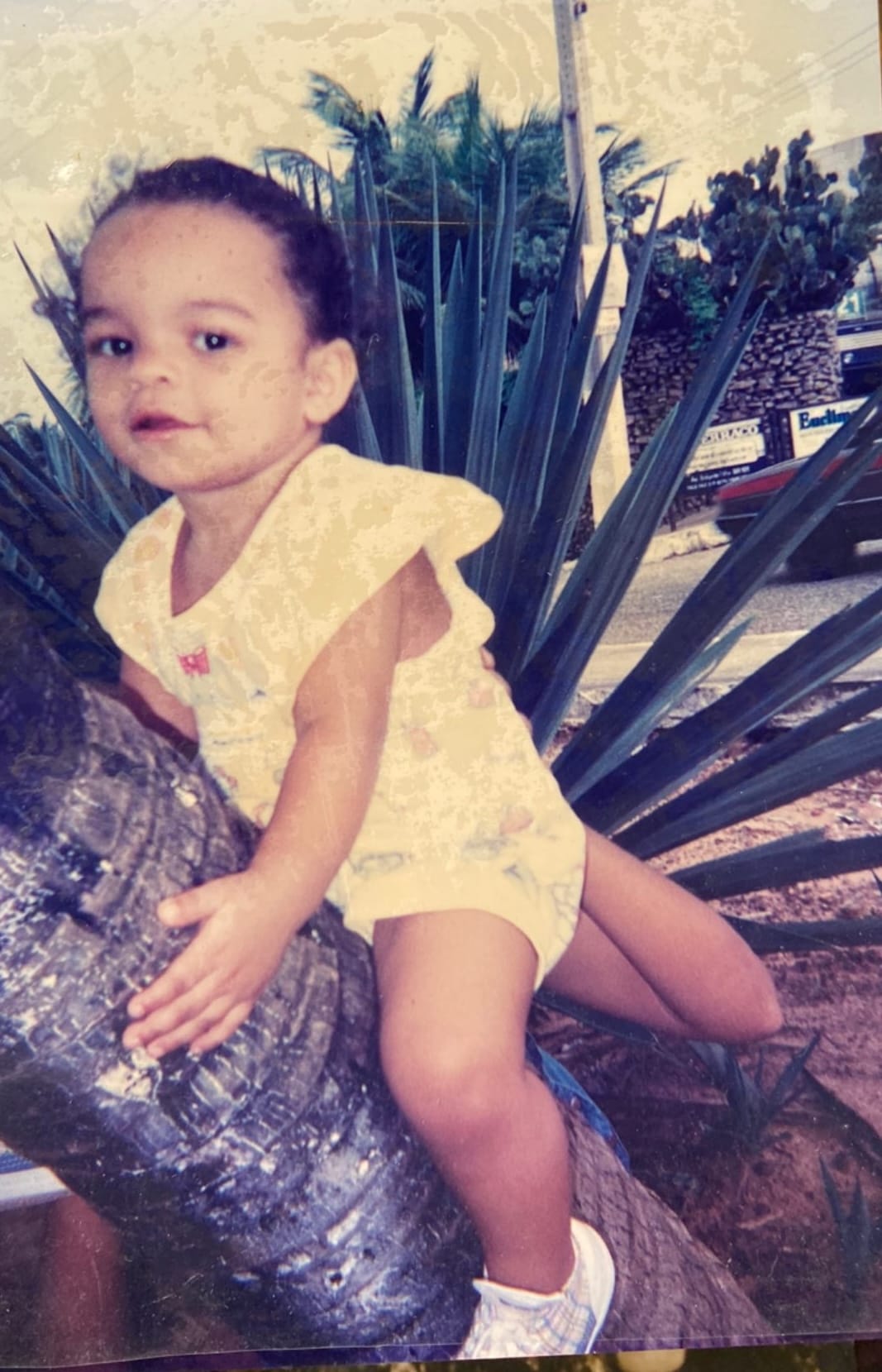
If I look at my childhood photographs, I’m always close to a plant. My aunties used to take me to gardens in Barcelona when I was a kid. According to my grandmother, I always liked plants so it wasn’t a surprise to my family when I became a botanist. I remember asking my teachers with 6 years old: “How did a coconut tree put water inside a coconut? Why is the water tasty?”. As a teenager, my grandmother planted a Jambo tree in our backyard, I love jambo fruit, and I cried when my grandfather cut the Jambo tree without consulting us. How plants live in different environments, differentiate, evolve, interact with each other and other organisms, their survival strategies combine with evolutionary development always fascinated me.
What motivated you to pursue your current area of research?
I arrived at the UFRN’s Systematic Botany laboratory in 2017, our main lines of research were systematics, taxonomy and conservation. In 2019, I began my own taxonomy project and considered Orchidaceae or Asteraceae. However, a peer already worked with orchids and each student needed to choose a different family. Thus, I found the stunning passion flowers: smart, beautiful, interesting and complex.
Sometime after, I noticed people’s hatred towards plants and it bothered me. I saw how damaged botany education was. After realizing that is not actually “hate”, I also dedicate myself to understand people’s emotions towards plants and how I could help them overcome their plant awareness disparity (PAD).
I started creating botany teaching strategies and methods to connect people with plants; if PAD is about not noticing plants, what could we do to help people actually notice them? If plants do not trigger the same cognitive processing like what is mobile and colourful, is it possible to change this brain developed “pattern”? How?
Well, I am really proud to be a part of – officially – adding a new line of research to our laboratory: Botany education and environmental education.
What is your favourite part of your work related to plants?
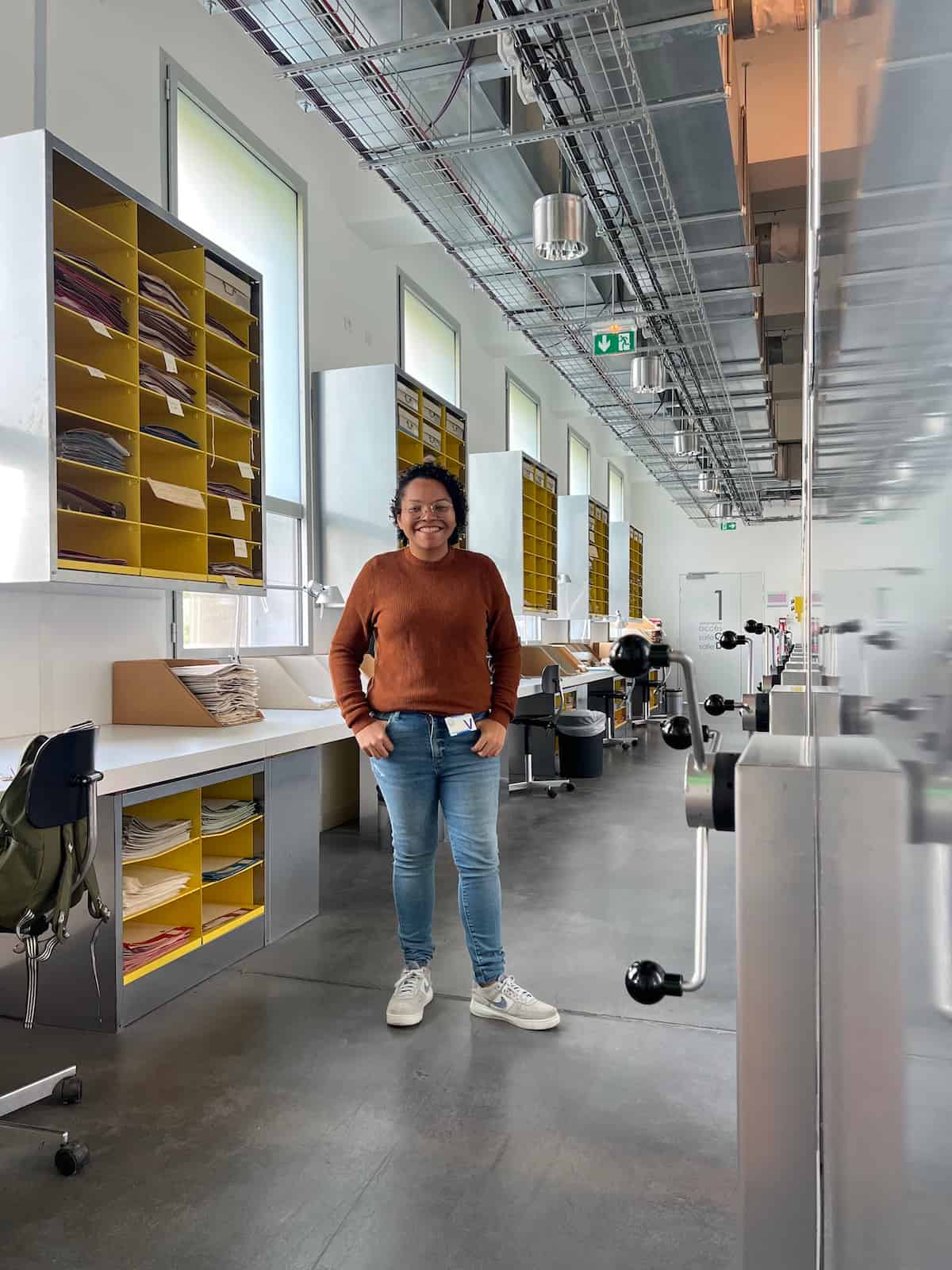
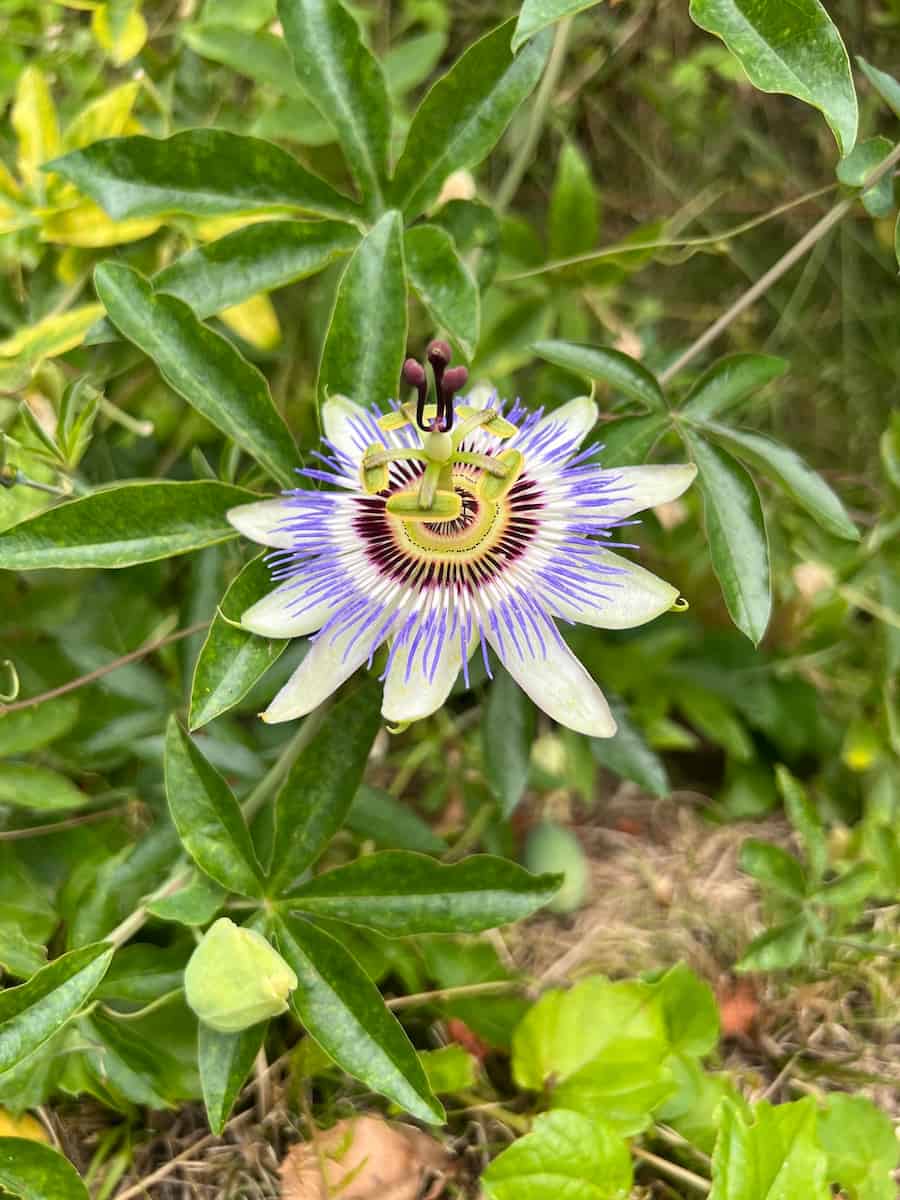
Two things: First, fieldwork and visiting new herbaria. Seeing a Passiflora I never saw before, following them through the years, noticing patterns and differences, ecological interactions, evolutionary developments. Last year, I was in Spain and saw one of my favourite passionflowers for the first time: Passiflora caerulea, no flower or fruits. Weeks later, I went to the National Museum of Natural History in Paris to analyse Passiflora samples, and found the same species with flowers in the city, plus one Passiflora incarnata, the type species for the Passiflora genus, also for the first time. It touched me deeply.
Seeing people and students’ eyes shining when they start to notice plants and find them interesting after a botany teaching intervention, like the “Taylor Swift method”. “I do not hate plants any more, teacher”, is something that I often listen after our interventions. The truth is, they never “disliked” plants! They just did not notice them, and it is my absolutely pleasure to create and present tools that help people see plants everywhere, in everything.
Are any specific plants or species that have intrigued or inspired your research? If so, what are they and why?
I always loved the vanilla orchid, sunflowers, lotus flower and mangaba; they taught me about patience, time and resilience, respecting processes, surviving in different environments. I have a Brazilian endemic vanilla orchid in my backyard, a gift from that peer that studied Orchidaceae, she’s 7 years old and never flowered. It started to really grow this year, I still believe in her and that I’ll see a flower one day. Besides that, the passionflowers also intrigue and inspire me with their fantastic co evolutionary dynamics, they are my true botanical love.
Could you share an experience or anecdote from your work that has marked your career and reaffirmed your fascination with plants?
During Covid-19 pandemic, I taught botany online for a high school class. In 2023, I met some of those students in person unexpectedly. They recognized me and called me: “The plant teacher who teaches botany using a blonde singer”, or while introducing me to family members: “She was my botany teacher during pandemic, now I like plants”, then started to update me about some of the plants they had at home.
I heard sentences like: “Prof, I still remember what is a bryophyte and a gymnosperm”, “We have ferns at home now”, “Do you remember my mango tree?”, “We planted a passionfruit”, or “I remember your classes when we find passionflowers on the beach”.
Seeing them still interested in plants, noticing plants and their surroundings, even studying non biology related courses (also their parents confirming that their interest in plants is wider since our classes), it’s absolutely incredible and priceless. I’m glad to keep contact with some of them. Well, as someone who always fought against PAD, all of this may be little for some botanists but for me is huge, it keeps my heart warm, gives me hope and strength.
What advice would you give young scientists considering a career in plant biology?
Look for something that you are really passionate about in Botany, what makes your heart beat faster; revisit yourself, be resilient, and choose wisely your advisors and laboratory to have a proper environment. I have a good relationship with my peers, and an incredible relationship with my advisors: Dr. Leonardo Versieux, Dr. Ana Carolina Mezzonato, and Dr. Aline Mattos. They give me advice; they care about my health and if I am happy. Sometimes they believe in me more than I believe in myself.
If you allow me extra advice: look for hobbies, see friends that do not work in the academia; if possible, go to therapy, and exercise your body. It is important to breathe and disconnect sometimes. The academic career is not simple or easy, we are always overloaded with work. This is why taking a time is important to not combust.
Lastly, when things get hard, remember what makes your heart beat faster and what makes your eyes shine in Botany. The good thing is: hard times fly like a bee when we approach a flower. This is what makes me keep going during hard times, and to have a healthy relationship with academia, botany and myself.
What do people usually get wrong about plants?
That plants are useless, boring and they do not play an important part in the survival of the planet. Plants are smart and social, without them there is no life. We – science teachers, botanists – play a key role in how students and people see plants, we are botany’s business card. It is our responsibility and duty to show plants with kindness, respect and interest.
Carlos A. Ordóñez-Parra
Carlos (he/him) is a Colombian seed ecologist currently doing his PhD at Universidade Federal de Minas Gerais (Belo Horizonte, Brazil) and working as a Science Editor at Botany One and a Communications Officer at the International Society for Seed Science. You can follow him on BlueSky at @caordonezparra.