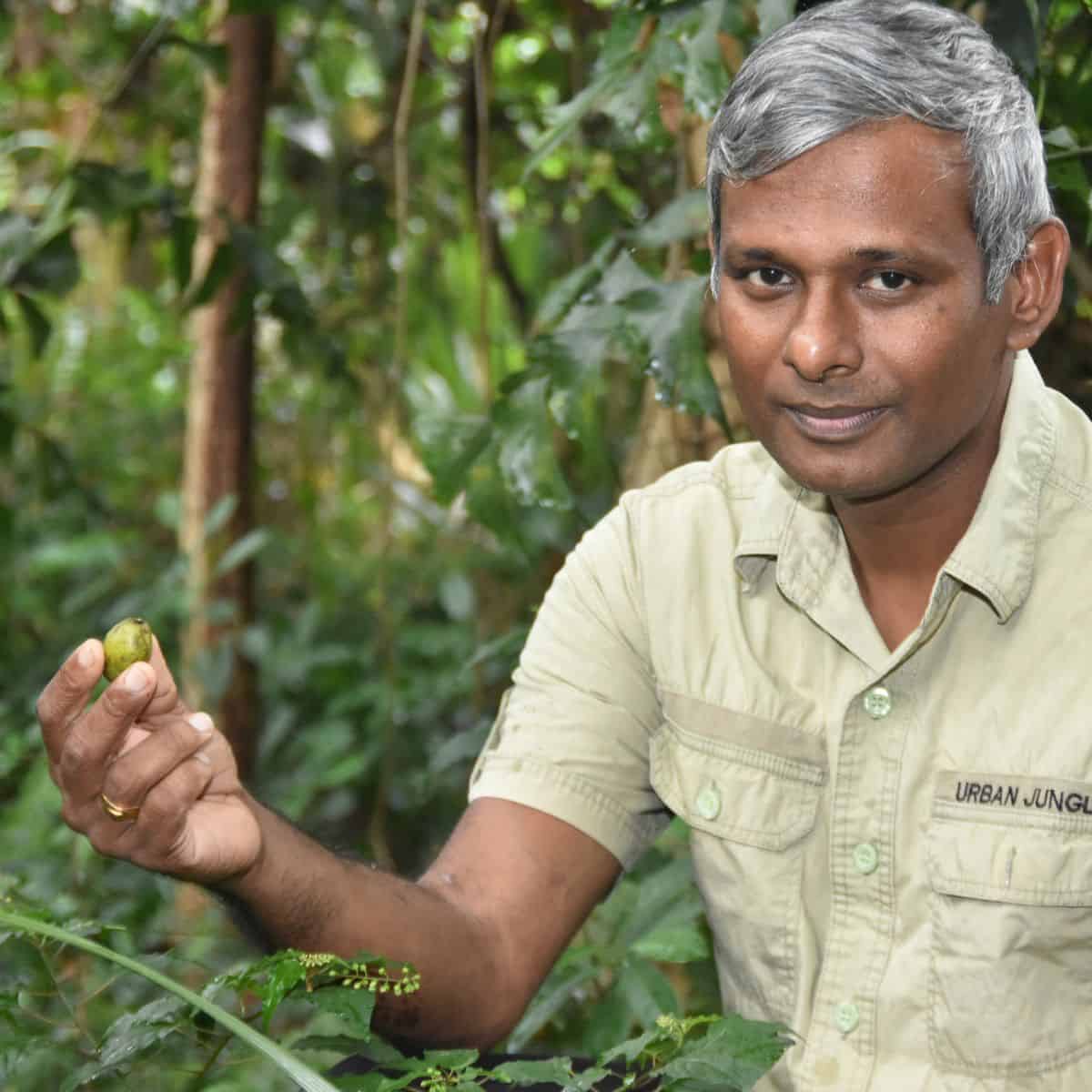


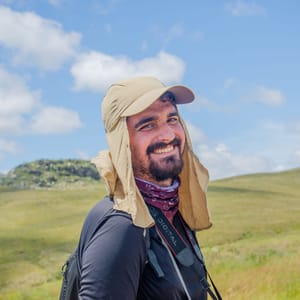
Today, we have Dr Gehan Jayasuriya, a Professor in the Department of Botany at the University of Peradeniya, Sri Lanka. Jayasuriya is a dedicated seed ecologist, who was mentored by the the esteemed mentorship of Professors Jerry and Carol Baskin at the University of Kentucky, USA. Since returning to Sri Lanka in 2009, he has been actively engaged in numerous seed biology studies on native plants, contributing to their conservation and supporting ecosystem restoration projects. Additionally, Jayasuriya is involved in research on mangrove ecosystems in Sri Lanka.
Research projects conducted in at Jayasuriya’s laboratory focus on the seed germination ecology of several groups, such as legumes, and from various ecosystems, including rainforest, mangroves and tropical montane forests; generating valuable insights into their germination requirements and seed storage behavior. His specific research interests lie in exploring the ecological significance of seed physical dormancy and physiological epicotyl dormancy in tropical plant species. More recently, he has been engaged in seed biological studies on medicinal plants of Sri Lanka, aiming to generate essential information for their propagation.
As a pioneering seed ecologist in Sri Lanka, Jayasuriya has played a pivotal role in mentoring many young seed scientists. Consequently, numerous seed scientists are now actively researching the seeds of local flora in various institutes across the country, further advancing the field of seed biology in Sri Lanka.
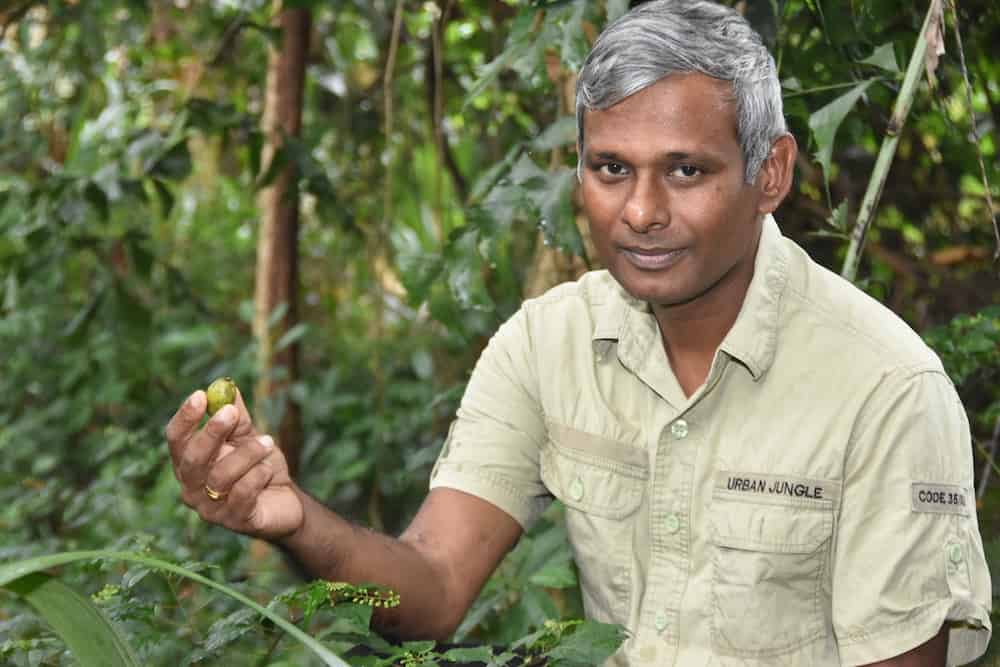
What made you become interested in plants?
I have been a nature enthusiast since childhood, likely influenced by my uncle, whose hobby was birdwatching. During my secondary school years, I actively participated in the school nature society, engaging in activities such as ecosystem excursions, birdwatching, turtle conservation, and nature awareness projects. These experiences deepened my fascination with ecosystems like lowland rainforests and mangroves, which were located near my hometown.
Initially, my interest in nature began with birdwatching, which strengthened my connection to the environment. While multiple factors contributed to my passion for plants, one defining moment stands out, a television program aired by the national broadcasting corporation of Sri Lanka on the “Sinharaja” Rainforest, the country’s largest virgin rainforest reserve. In this program, two eminent plant ecologists, Professors Nimal and Savitri Gunatilleke, discussed their research on rainforest plants in Sri Lanka. This exposure, during my high school years, sparked my curiosity about plant ecology. Inspired, I began reading their research and that of other plant ecologists in Sri Lanka. Additionally, I started visiting rainforests regularly, immersing myself in their biodiversity, which further deepened my passion for plant biology.
What motivated you to pursue your current area of research?
I believe this happened by chance. I was selected to pursue a special degree in Botany at the University of Peradeniya, Sri Lanka. As part of the degree requirements, I had to conduct a research project under the supervision of an academic staff member in the Department of Botany. At that time, there were only a few ecologists in the department, and since I was keen on researching plant ecology, I chose one of them as my mentor. Prof. G.A.D. Perera, my mentor, suggested several research topics, and I was particularly interested in studying seed germination in selected dry zone forest species in Sri Lanka. While conducting the literature review for this project, I realized that significant knowledge gaps existed in the seed biology of not only Sri Lankan wild species but also tropical wild plants in general. Since this research was part of my undergraduate degree, my focus remained on seed germination ecology. For this project, I had to refer to the work of Professors Jerry and Carol Baskin. Their research fascinated me and sparked a dream of joining their laboratory for my postgraduate studies. That dream became a reality in 2005, anchoring me firmly in the field of seed ecology.
What is your favourite part of your work related to plants?
I believe the most fulfilling aspect of my career is that I am doing what I love—working in nature. My research requires me to travel across diverse ecosystems in Sri Lanka and occasionally to other countries. These journeys bring me closer to nature, rekindling the same fascination I had as a child. Although traveling and staying in remote areas can sometimes be challenging, I feel incredibly fortunate to witness the hidden treasures of nature that most people never get to see. These field visits not only immerse me in nature but have also revived my childhood hobby of birdwatching. As a result, I always strive to accompany my research students on field visits, ensuring I never miss an opportunity to experience the wonders of the natural world.
Are any specific plants or species that have intrigued or inspired your research? If so, what are they and why?
Several plant species have inspired my research, but among them, Ipomoea lacunosa stands out as the primary focus of my Ph.D. studies. The remarkable ability of its seeds to precisely detect and respond to environmental changes in temperature and moisture fascinated me. The physically dormant seeds of I. lacunosa sense environmental conditions and regulate dormancy accordingly. Dormant but sensitive seeds of this species break dormancy when exposed to temperatures above 30°C in a highly moist environment (> 60% RH). However, if the same temperature conditions occur in a dry environment (< 60% RH), the seeds become highly dormant, remaining insensitive to dormancy-breaking cues. This mechanism enables the seeds to time their germination perfectly, ensuring favorable conditions for seedling establishment.
Another intriguing genus is Derris, whose seed ecology I studied in three Sri Lankan species. Each species occupies a distinct habitat and has evolved unique germination strategies adapted to its microenvironment. Derris parvifolia, a forest species that disperses its seeds at the beginning of the wet season, produces seeds that are ready to germinate immediately upon dispersal. Derris scandens, which inhabits freshwater marshlands, produces physically dormant seeds with water-impermeable seed coats. This adaptation prevents germination during dispersal, allowing seeds to travel via water. Meanwhile, Derris trifoliata, a mangrove species, produces physiologically dormant seeds, likely as an adaptation to detect lower salinity conditions before germination. These species exemplify the intricate relationship between seed dormancy and habitat conditions, a central theme in my research.
Could you share an experience or anecdote from your work that has marked your career and reaffirmed your fascination with plants?
My PhD research aimed to describe the “water gap” in the physically dormant seeds of the Convolvulaceae family, focusing on Ipomoea lacunosa, a weed in U.S. corn and soybean fields. The first step was to identify the water gap by determining an effective dormancy-breaking treatment.
I collected I. lacunosa seeds and subjected them to various treatments, incubating them at 15, 20, 25, 30, and 35°C. However, none of the untreated or treated seeds germinated, confirming their deep dormancy. After months of failure and exhausting my initial seed supply, I collected another batch just before winter. This time, seeds incubated at 35°C germinated, revealing they were non-dormant, rendering them unsuitable for my study. Frustrated, I nearly discarded the batch, but an imbibition test at 25°C showed that these seeds are dormant. Upon closer inspection, I noticed two distinct seed colors: brown and black. I hypothesized they might behave differently and tested them separately. Surprisingly, both germinated 100% at 35°C while remaining dormant in imbibition tests at 25°C.
Then, it struck me; I had conducted the germination test at 35°C but the imbibition test at 25°C. This led me to hypothesize that the seeds were indeed dormant, but dormancy was alleviated at 35°C while remaining intact at 25°C. Germination experiments across a full range of temperatures confirmed my hypothesis and also revealed that early and late seed collections had different dormancy levels. This breakthrough transformed my PhD research, uncovering sensitivity cycling in physically dormant seeds. These findings provided new insights into seed dormancy mechanisms and earned me the honor of presenting as a plenary speaker at the 3rd Seed Ecology Conference in Salt Lake City, Utah, in 2010.
What advice would you give young scientists considering a career in plant biology?
Plant science is a fascinating field of research that connects us deeply with nature, especially when field studies are involved. Being in nature not only enriches scientific understanding but also reduces stress and revitalizes the mind. However, despite these benefits, plant field researchers are becoming increasingly rare worldwide at a time when the world urgently needs more experts to address emerging environmental challenges. With over 25 years of experience in plant science research, I have cherished every moment of this journey. It has been a source of endless discovery and fulfilment. That is why I strongly encourage young scientists to pursue plant science with passion and dedication.
To excel in plant science, one must cultivate keen observational skills and remain open to the wonders of nature. But beyond this, integrity is paramount, not just in plant science but in all fields of research. Always report what you observe, even when the results do not align with your initial hypotheses. Often, the most unexpected findings lead to the most groundbreaking discoveries. When observations challenge your existing story, embrace them; they might reveal an even more fascinating truth.
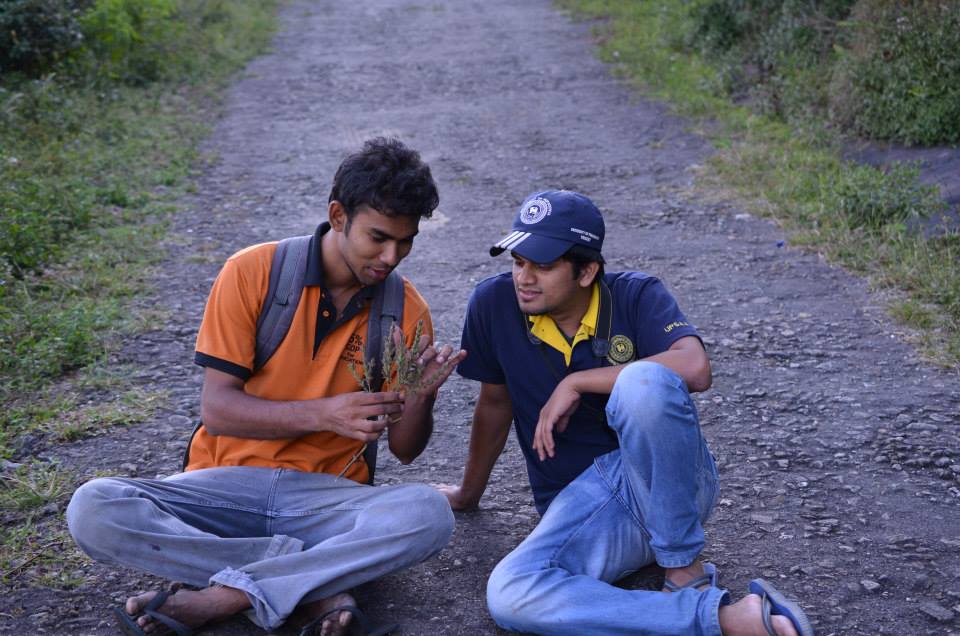
What do people usually get wrong about plants?
Most people fail to recognize that plants are just as fascinating as animals. While nature-watching hobbies like bird-watching, butterfly-watching, and even reptile-watching are popular, plant-watching is often overlooked. Many assume that plants lack the dynamism of animals simply because they do not move. However, few appreciate the incredible challenge plants face, remaining rooted in one spot while continuously harnessing energy from sunlight to sustain life.
From a conservation perspective, a common misconception is that the stunning plants found in natural ecosystems can be easily grown in home gardens. Visitors to nature reserves often attempt to collect seeds or plant materials, slipping them past the watchful eyes of reserve guards, believing they can successfully cultivate them at home. What they fail to realize is that these plants depend on highly specific microenvironmental conditions that are not replicated in home gardens. As a result, such attempts are often futile. Moreover, many of these plants may be rare or threatened species, and unauthorized collection can further endanger their survival.
Carlos A. Ordóñez-Parra
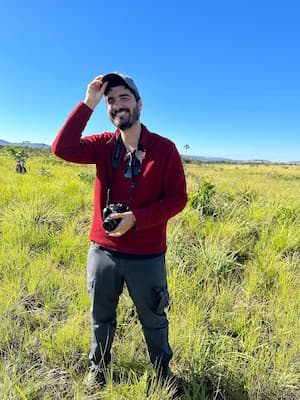
Carlos (he/him) is a Colombian seed ecologist currently doing his PhD at Universidade Federal de Minas Gerais (Belo Horizonte, Brazil) and working as a Science Editor at Botany One and a Communications Officer at the International Society for Seed Science. You can follow him on BlueSky at @caordonezparra.