

Plants are incredibly diverse, and so are botanists! In its mission to spread fascinating stories about the plant world, Botany One also introduces you to the scientists behind these great stories.
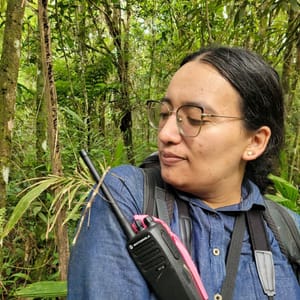
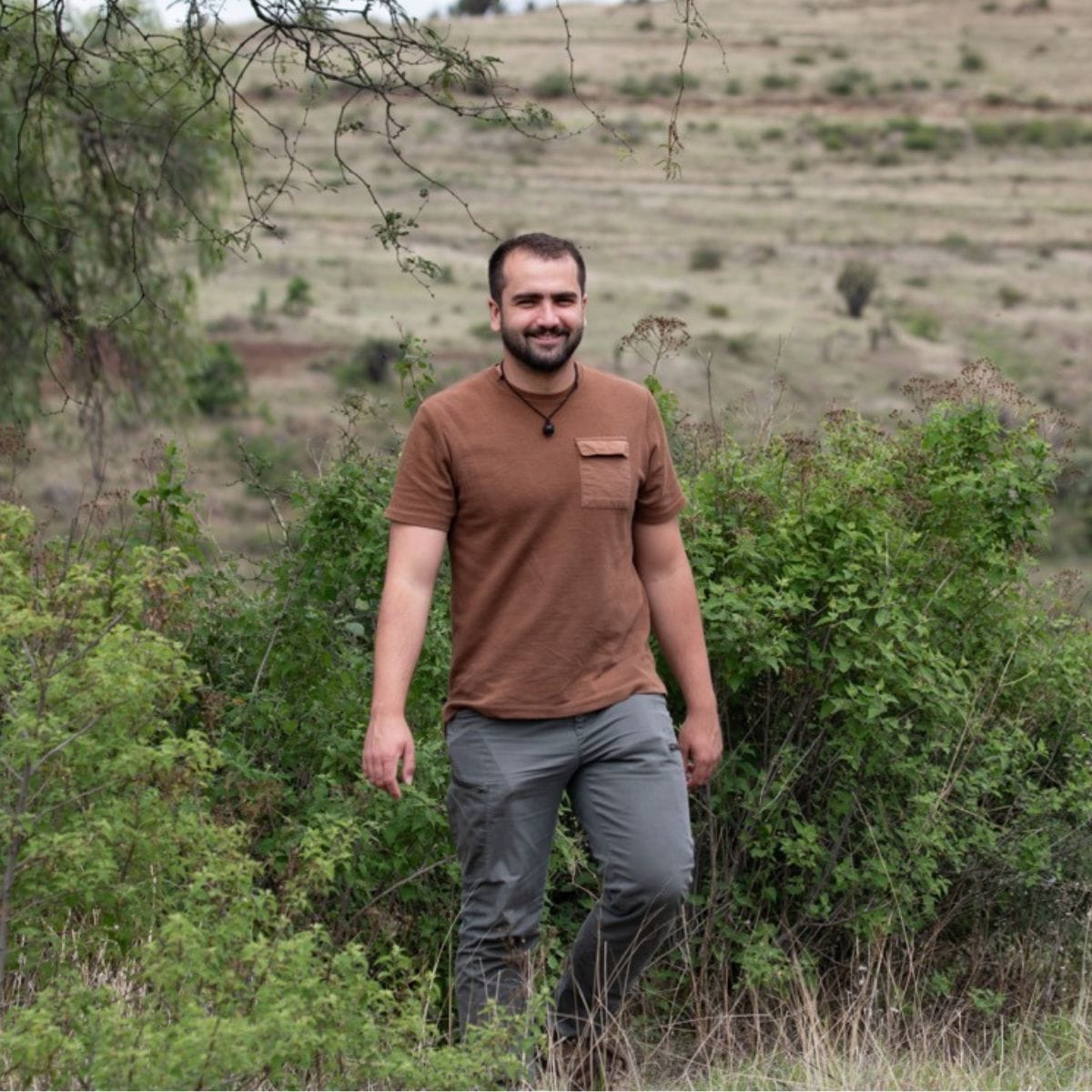
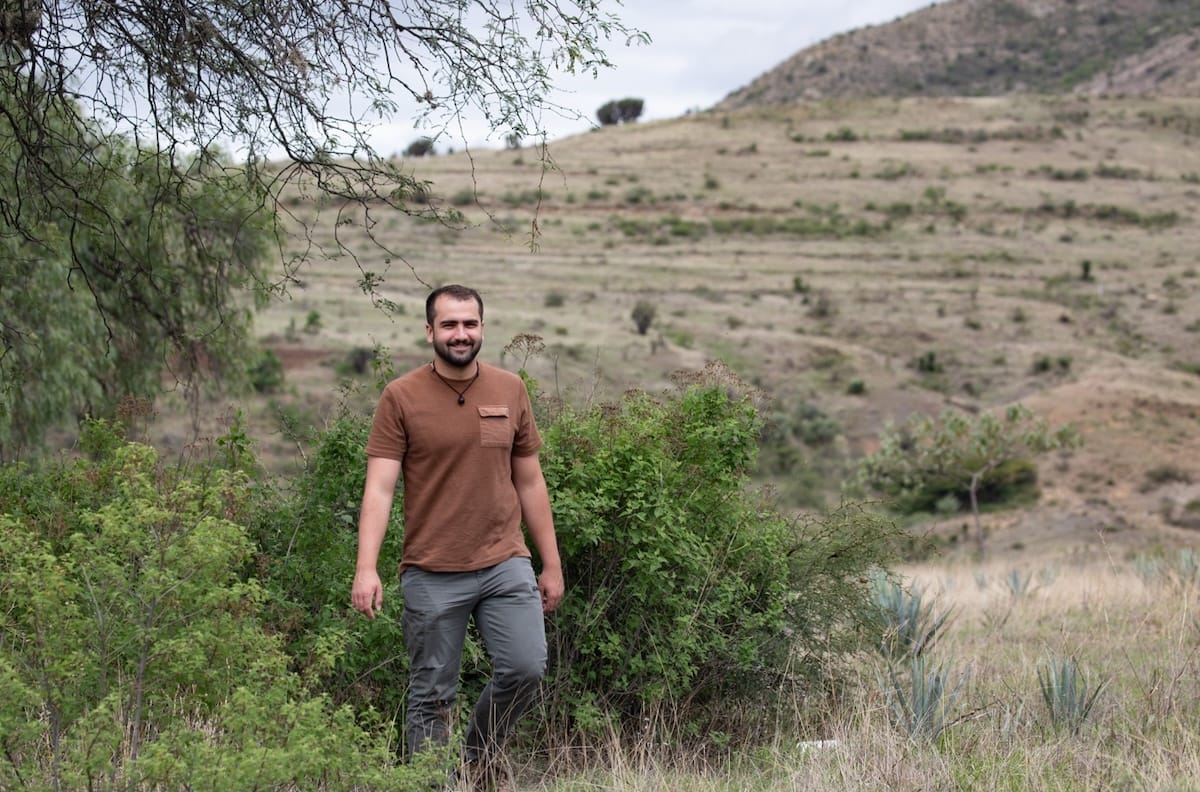
Today, we have Francisco Navarro-Rosales, early career fire ecologist and PhD candidate at the University of Oxford. Francisco’s work focuses on the effects of altered fire regimes on the savannas of the Brazilian Cerrado as well as the effect of drought on tropical rainforests in Borneo. He aims to link long-term field monitoring data with patterns of change and plant functional traits. Overall, he is interested in topics such as plant-fire interactions, fire management, the effects of disturbances on ecological dynamics, and land abandonment and rewilding. Francisco is a graduate from The University of Edinburgh and completed his MSc in Biodiversity Conservation and Management also at the University of Oxford. He is collaborating with the Universidade do Estado de Mato Grosso, Brazil, and the AMAP Lab in Montpellier, France. You can follow more of his work at @navarrosales.bsky.social.
What made you become interested in plants?
My interest in plants comes from my family. My grandparents grew up in rural areas. Having directly relied on nature for sustenance, they passed on a deep respect for the environment and encouraged me to learn about the different trees and plant species I could find around me. As I progressed through University, I also became increasingly specialised in plants due to a matter of scientific practicality. First, plants are the primary producers and principal components of land ecosystems, providing the bases for trophic interactions, structure and functioning. Second, plants are much easier to measure and study in comparison to animals and other living organisms (at least for me, since I am a bit scared of behavioural complexity and qualitative data). But deep inside, I feel really fascinated by the richness and beauty of plants: how they can take so many different forms and complex structures, adapt to such a range of environments, and sustain hugely diverse ecosystems and living organisms.
What motivated you to pursue your current area of research?
Wildfires have always been a part of the natural environment of Southern Spain, where I grew up. Although curious about plant adaptations to fire and frustrated by the news of forests burning every summer, I never put much thought into the role of fire in ecosystems beyond that of a serious disturbance. But my mind changed after living in Australia. During the third year of my bachelor’s degree I had the chance to take an exchange at the University of Queensland in Brisbane. After enrolling in the Fire Ecology course, I spent a semester learning about fire regime attributes and their ecological consequences, as well as fire management strategies, planning and policy. The concept of fire as a multifaceted ecosystem process permeated my experience at UQ. I was in Australia during the catastrophic 2019–2020 bushfire season, which burnt across almost 20 million hectares and affected even those of us living in major cities. After returning to Europe, I knew I wanted to specialise into fire ecology. Meeting my current supervisor, Dr Imma Oliveras Menor, at an Oxford lecture, gave me the perfect chance to become involved in the study of fire regime impacts on ecosystems, this time in Brazil.
What is your favourite part of your work related to plants?
I would say I have two favourites. The first one is getting to know the plant community I work with. I think every ecologist develops some sort of personal link with their system of study. I particularly love identifying and recognising the species around me (not just while working but also during my free time). I like to learn what their defining characteristics are, how they are related to one another taxonomically, or if they interact ecologically. Essentially, getting to know them better, like friends.
The second one, is being able to make sense out of the complex ecological patterns using data and statistical analysis. There is nothing more satisfying than getting an ecologically-reasonable result out of a large dataset, which I guess also reflects a better understanding of the community.
Are any specific plants or species that have intrigued or inspired your research? If so, what are they and why?
Although I am really inspired by the coexistence of plants in rich communities, there is always a particular species that stands out from the rest of them. In my native Spain, I have always been intrigued by the holm oak (Quercus ilex, known as ‘encina’ in Spanish). Holm oak is an evergreen oak with small sclerophyllous leaves. Although described as medium to large tree, it has huge phenotypic plasticity, and can form dense maquis thickets or a spiny matt of shrubs. Overall, it is a keystone species in Mediterranean woodlands, and has huge economic, historical and cultural importance. You can even eat its acorns, but you should make sure to find a ‘good/sweet’ tree!
In my Cerrado savanna field site, I am particularly fascinated by Tachigali paniculata (‘carvoeiro’), a generalist species of leguminous tree that is extremely fast-growing and acts as a driver of forest expansion into open areas where fire is excluded. The species is generally vulnerable to fire, but is able to respond to low levels disturbance with disproportionately fast rates of growth and reproduction. Tachigali’s ‘weirdness’ has inspired my second doctoral study, focusing on how productivity responses to fire regimes are mediated by plant functional traits.
Could you share an experience or anecdote from your work that has marked your career and reaffirmed your fascination with plants?
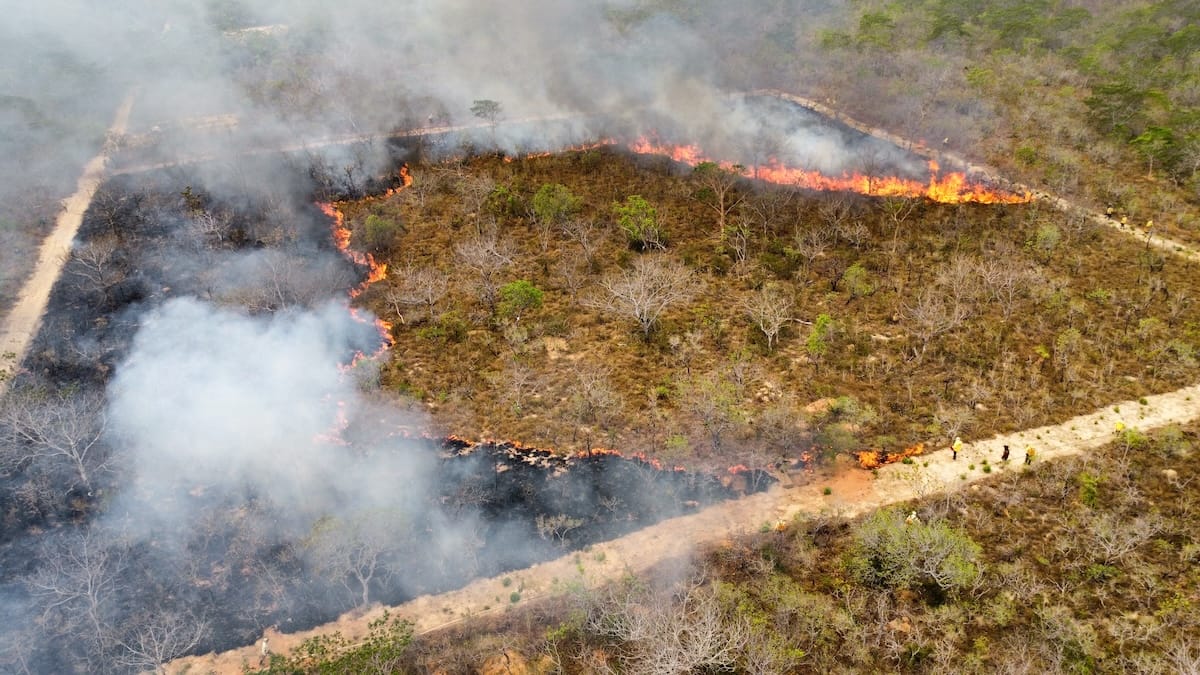
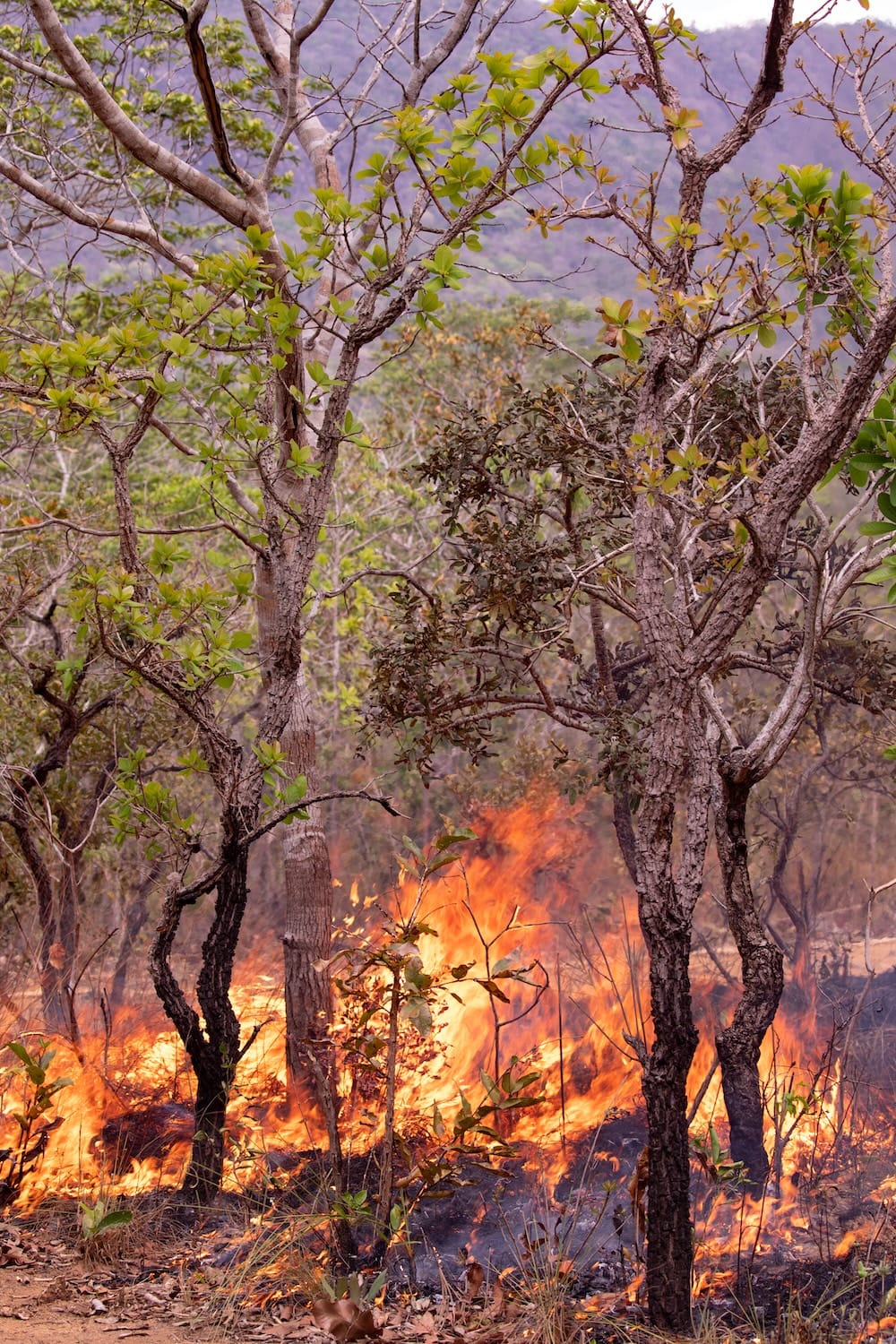
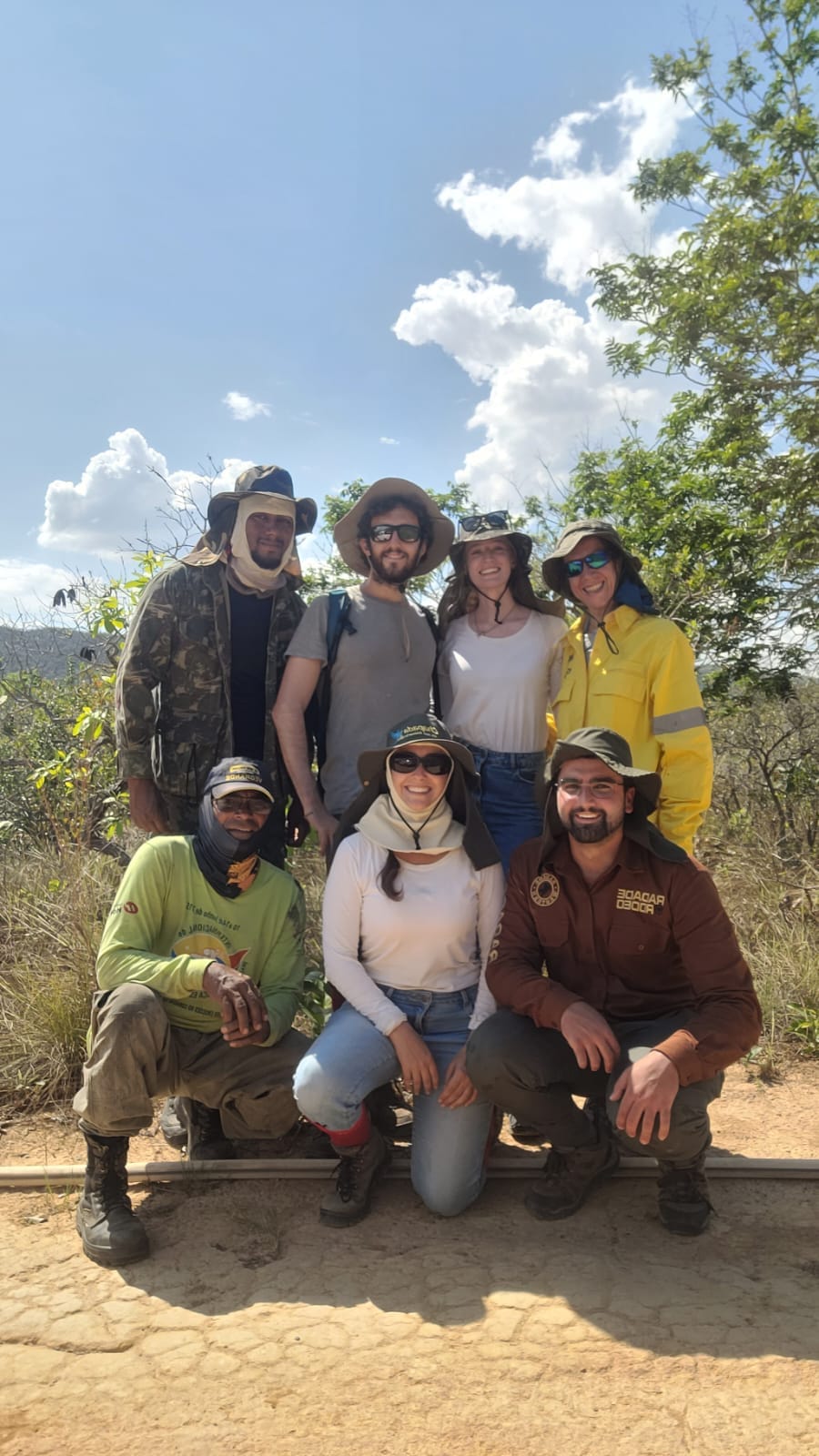
I would say the experience that most reaffirmed my fascination with plants and motivated me to keep working in fire ecology was taking part in a prescribed burn for the first time. My PhD research is part of the CERFogo project (coordinated by Dr Imma Oliveras Menor), which makes use of prescribed burns to monitor ecosystem responses to fire in the Cerrado. Since 2018, a multidisciplinary team of firefighters, researchers and land managers comes together every year to burn the plots, and I have had a chance to join 2023 onwards. What most impressed me about these burns (and still impresses me) is the raw power of fire, and the ability of Cerrado vegetation to recover after burning. Even at a safe distance, and covered in protective gear, the heat and smoke are unbelievably intense, almost unbearable. Still, after a few days, plants that have been put through hell are already flowering and resprouting. It amazes me how fast and successfully some species respond to burning, and makes me wonder what mechanisms are allowing them to thrive after being literally burnt alive.
What advice would you give young scientists considering a career in plant biology?
My main advice for young plant scientists would be to explore your interests, and try out different topics and disciplines. Before focusing on fire ecology, I was also interested in plant pathology and plant palaeontology (and who knows if I will revisit those topics in the future?). Science should be fun, and one should stay open to ideas and subjects that interest you and excite you. I would also recommend young biologists to get as much fieldwork and practical experience as possible, especially earlier on. Although remote sensing, open science and data sharing are allowing for more efficient research across scales, a solid understanding of the ecology and functioning or a species/community requires scientists to go out into the field and get their hands dirty. Fieldwork gives you confidence and provides useful transferable skills that you can apply not only in other ecosystems, but also in other aspects of your life. Personally, I keep learning new things every time I return to the field.
What do people usually get wrong about plants?
Many people think of plants are fragile, passive organisms vulnerable to disturbance, predation and environmental change. Indeed, plants cannot move in the way many animals do, making them unable to escape danger and migrate towards more favourable conditions. Instead, they have to rely on adaptive strategies allowing them to withstand damage in situ, and adapt to change on a generational basis. Although much of the processes determining population dynamics and disturbance history might rely on chance events, plants have actually developed very successful strategies allowing them to tolerate stressors and thrive after disturbances. In terms of fire, for example, plants have developed traits that promote survival post-fire (e.g., bark protection, energy storage and resprouting) and population recovery after burning (fire-induced flowering, fire-resistant seedbanks). In comparison we can just run away from the flames! I think this is clear proof that plants are very underestimated and deserve some well-earned recognition.
Carlos A. Ordóñez-Parra
Carlos (he/him) is a Colombian seed ecologist currently doing his PhD at Universidade Federal de Minas Gerais (Belo Horizonte, Brazil) and working as a Science Editor at Botany One and a Communications Officer at the International Society for Seed Science. You can follow him on BlueSky at @caordonezparra.