

Plants are incredibly diverse, and so are botanists! In its mission to spread fascinating stories about the plant world, Botany One also introduces you to the scientists behind these great stories.
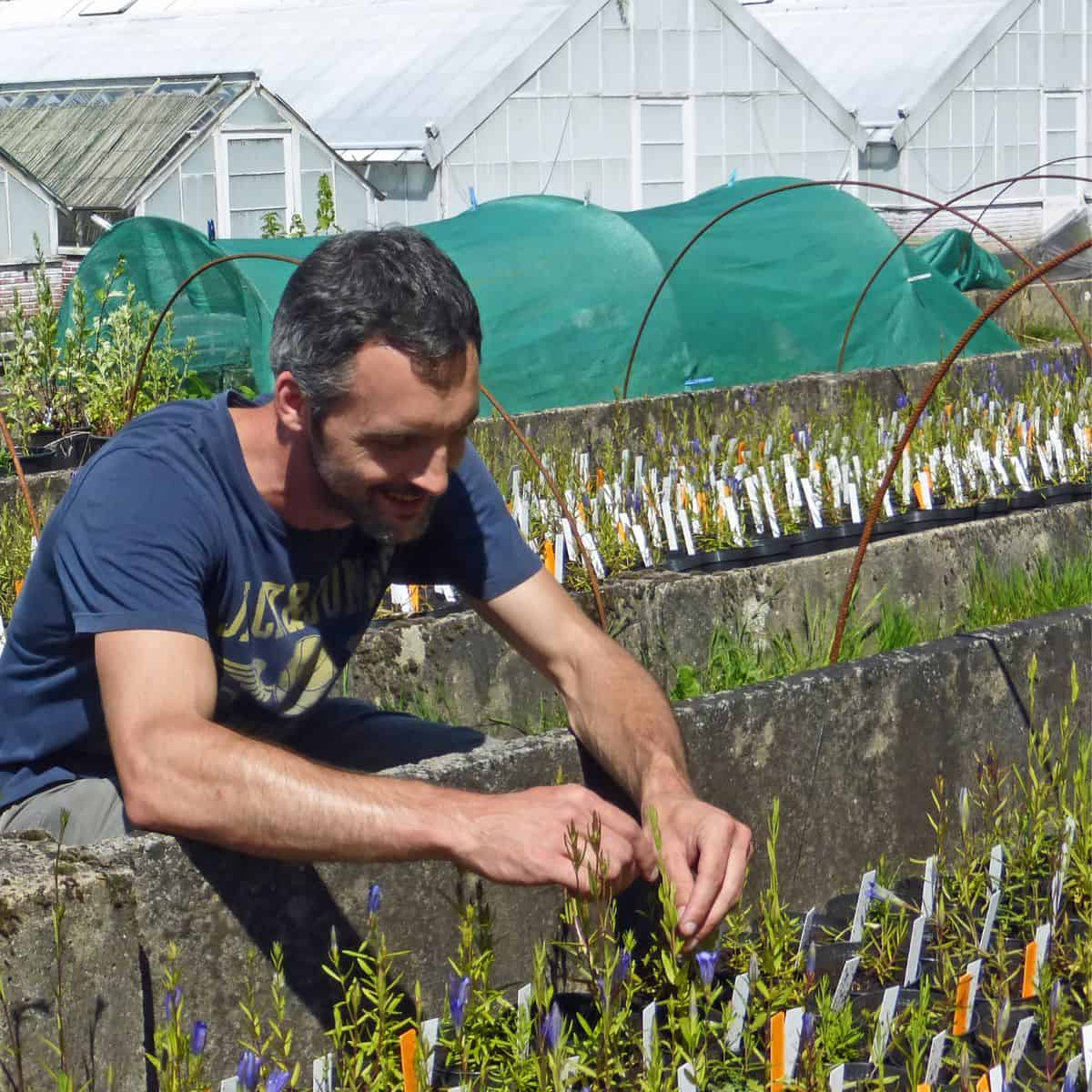
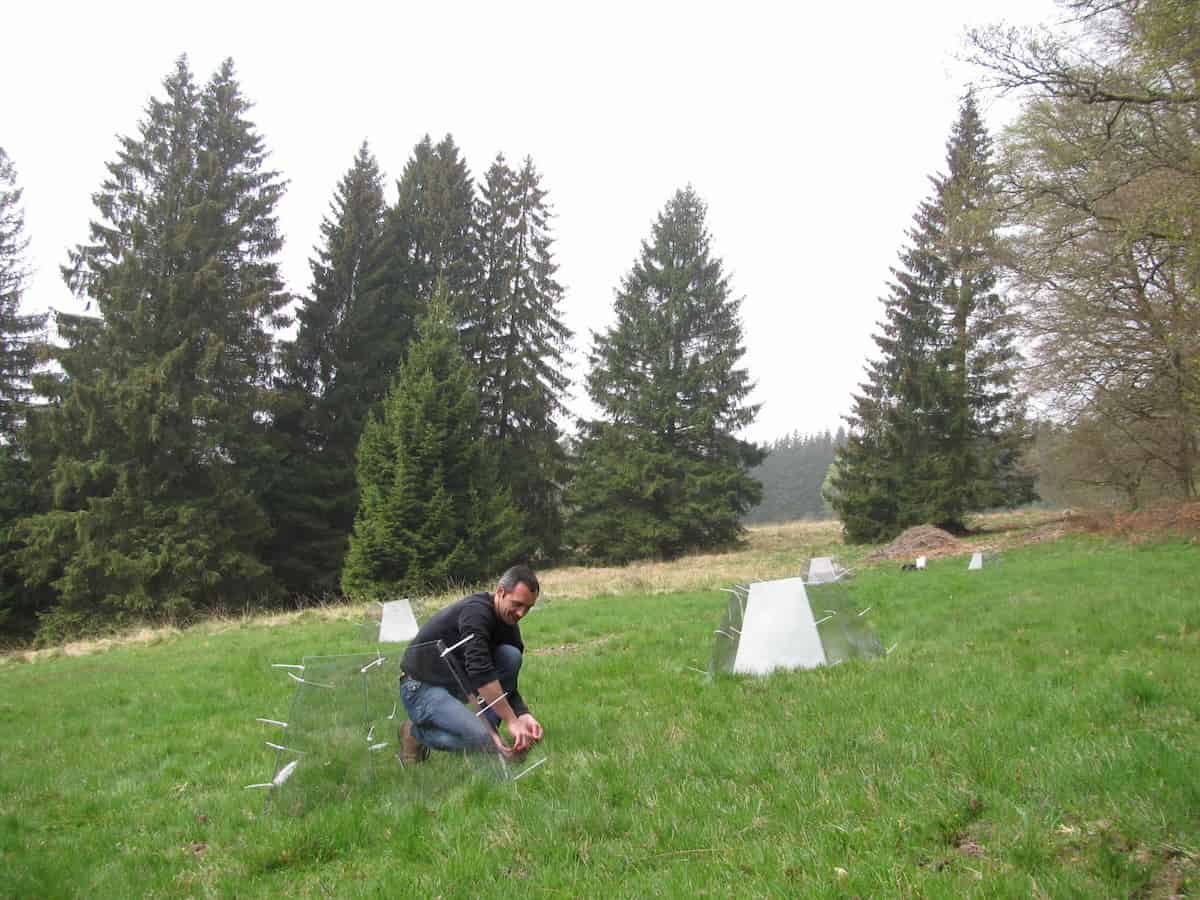
Today we have Dr Filip Vandelook, the Scientific Director at Meise Botanic Garden, a research institute focused on discovering, studying and protecting plants, fungi and algae. Although he has a broad interest in all aspects of plant sciences, Vandelook’s research focuses on two main topics: macroevolution and ecology on the one hand, and the valorisation and conservation of crop wild relatives on the other. His PhD research focused on the germination ecology of temperate herbs, which evolved into a study of seed eco-evolution across flowering plants. At Meise Botanic Garden, Vandelook and his colleagues are also very active in exploring and valorising the diversity of genetic resources in Central Africa, where we provide a lot of effort in training and capacity building.
What made you become interested in plants?
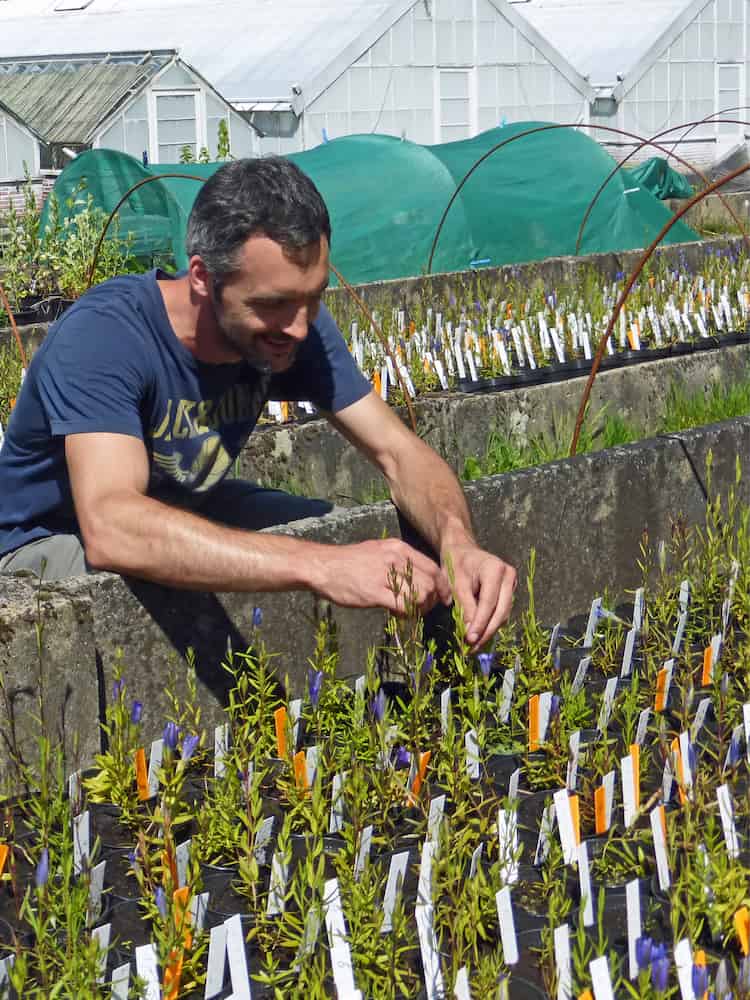
I’ve always known that I wanted to be a biologist. Throughout primary and secondary school, I had an interest in animals and dinosaurs, although I also performed my first seed sowing experiments in that period. I also remember that I was interested in figuring out the difference between sweet and sour cherries in primary school. However, my interest in plants became really clear at the KU Leuven where Prof. Erik Smets and Prof. Jozef Van Assche inspired me. What attracted me the most at the time was the fact that you could easily perform all kinds of experiments without your research objects running, flying or swimming away.
What motivated you to pursue your current area of research?
Since I’m mainly interested in understanding how the living world works, the study system doesn’t matter too much. Since I was given a teaching assistant position at the lab of Prof. Van Assche, who was studying seed ecology, it seemed logical to me to also focus on seeds. This was also a very active research field at that time, with the works of Carol and Jerry Baskin. So instead of sowing seeds and waiting for them to grow into seedlings as I did in secondary school, I could start studying what triggered seeds to germinate and how this was related to species ecology and evolutionary history. While I started studying triggers at the individual species level, I became more and more attracted to understanding the overall evolutionary processes. This interest pushed me into the fields of community phylogenetics and comparative methods.
What is your favourite part of your work related to plants?
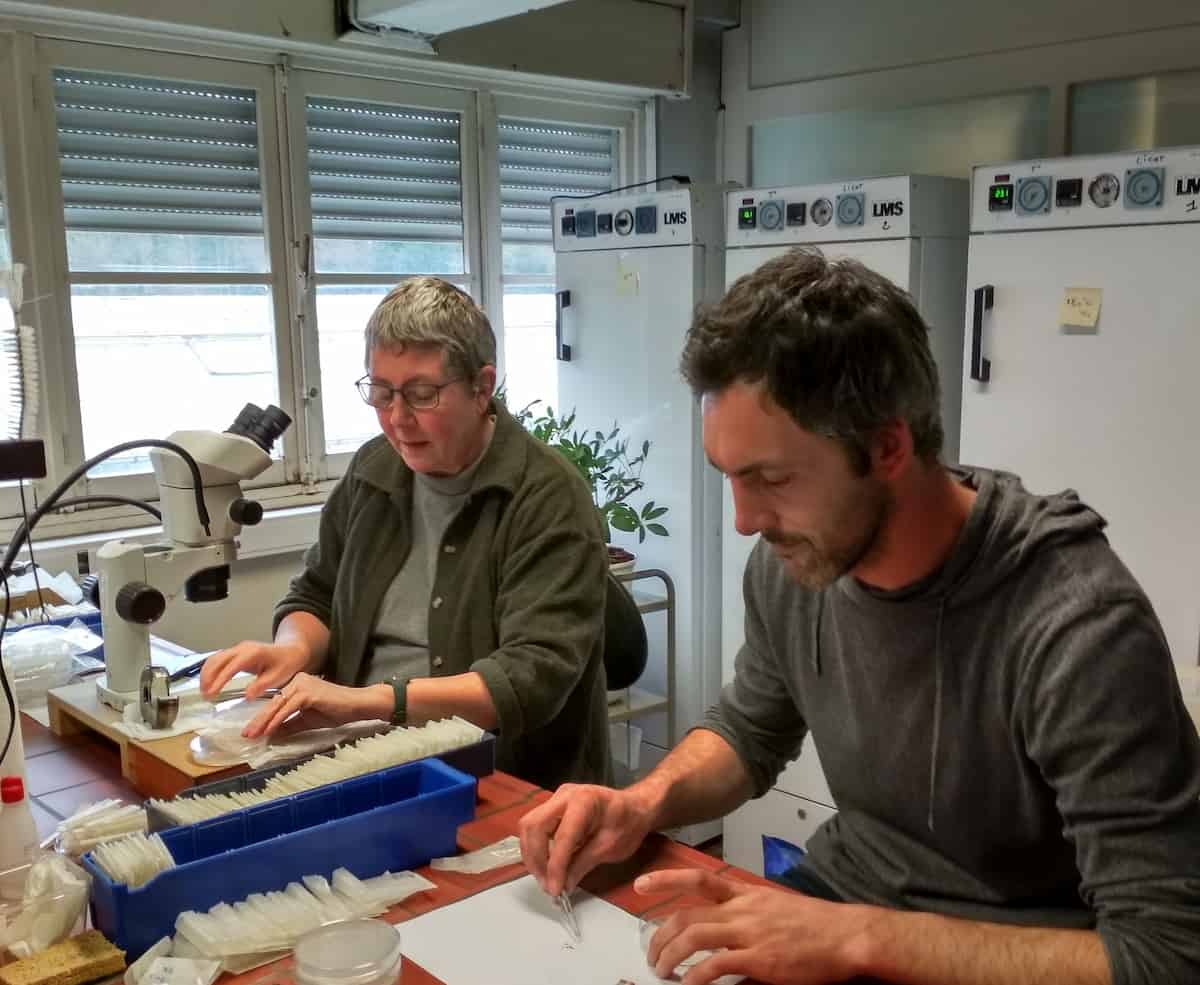
I do like experimenting with plants a lot, but inspiring people about the diversity and ‘inventiveness’ is by far the favourite part. Every year, I guide many visitors through the vast collections in our institute and no matter how much time is available, we are always late. There are so many wonderful things to learn about the living world, and people quickly realise that plants are much more than grasses and shrubs you put in your garden. Plants are also essential for human health and well-being, which people don’t always realise until they see the vanilla orchid climbing, coffee berries ripening on a shrub, and we tell them that bananas are not shrubs but giant weeds.
Are there any specific plants or species that have intrigued or inspired your research? If so, what are they and why?
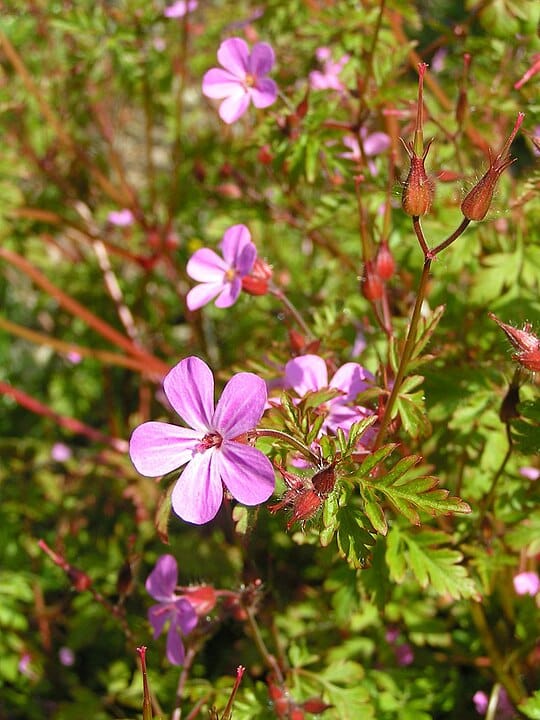
Perhaps it is not the most noticeable species, but Geranium robertianum, also known as Herb Robert, is certainly very interesting from an ecological strategy perspective. The species grows both in some of the most ruderal sites, such as pebble beaches and railroads, and in forests, which are much more predictable in terms of climate. Interestingly, the seeds of Geranium robertianum can detect in which of these two environments they find themselves and regulate germination timing accordingly. Seeds of this species also have a water-impermeable seed coat, which they inherited from their ancestors. To me, it demonstrates the ingenious nature of organisms, exploring all options of the adaptive landscape without prejudice, a landscape that, in the case of Geranium robertianum, with its water-impermeable seeds, is vastly different from that of species with a permeable seed coat.
Could you share an experience or anecdote from your work that has marked your career and reaffirmed your fascination with plants?
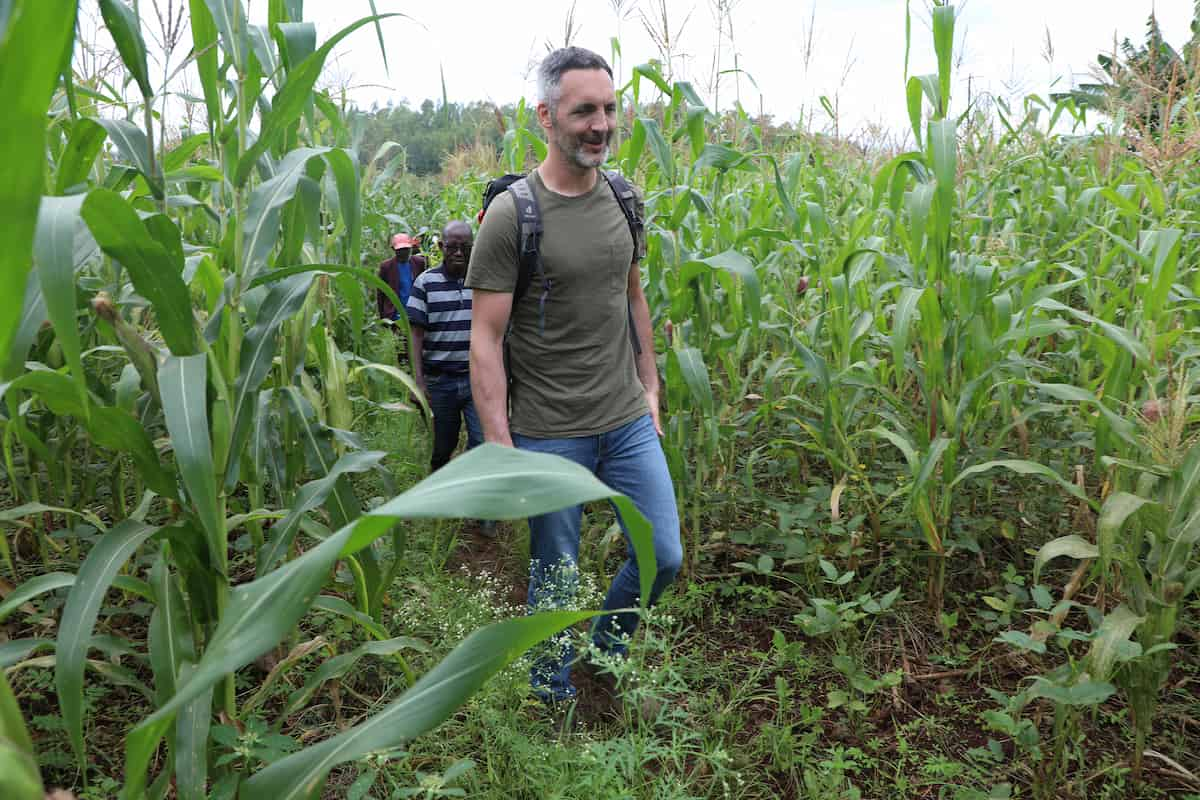
In the early stages of my career, I focused on temperate species and their ecological interactions. When I started working at Meise Botanic Garden, I had the opportunity to do fieldwork in the Democratic Republic of the Congo, where a whole new world of tropical ecology opened up to me. Not only are there different ecological processes at work in the tropics, but there is also a huge unknown diversity of plants that we are losing in front of our eyes. The expedition was specifically aimed at discovering unexplored coffee genetic resources in the Congo basin rainforest and resulted in the discovery of unknown Coffea species. It shows how much work we still have to explore and understand the diversity of plants, even for economically very valuable genera such as Coffea.
What advice would you give young scientists considering a career in plant biology?
The main requirements to pursue a career in plant biology are persistence and creativity. Doing research is actually not that complicated, as there are so many things still to be uncovered. Let yourself be amazed, and the research questions will pop up like mushrooms in autumn. These questions can keep you busy for an entire career. A second advice is to reach out to the public and share your knowledge and amazement. You cannot just work in a lab or office without any accountability.
What do people usually get wrong about plants?
I guess in general there is quite a bit a plant blindness as compared to knowledge about animals. We all know about the big five and endangered animals, but much less is known about endangered plants, except for Orchids, which are an entire plant family. Specifically in the area of seed ecology, a widespread misconception is that some seeds have to be eaten by animals before they can germinate. This misconception comes from the idea that the extinction of the Dodo bird has led to the extinction of an endemic tree species in Mauritius. This was later refuted, but the misconception remained. Digestion of fruits and seeds by birds and animals contributes to dispersal, but much less to germination.
Carlos A. Ordóñez-Parra
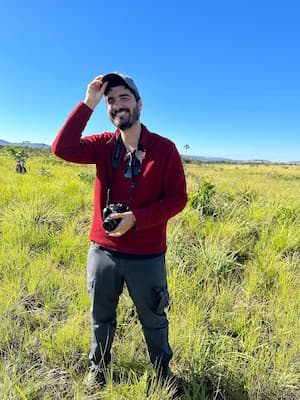
Carlos (he/him) is a Colombian seed ecologist currently doing his PhD at Universidade Federal de Minas Gerais (Belo Horizonte, Brazil) and working as a Science Editor at Botany One and a Communications Officer at the International Society for Seed Science. You can follow him on BlueSky at @caordonezparra.