

A key structural adaptation of vascular plants was the evolution of specialised vascular and mechanical tissues, innovations likely to have generated novel cell wall architectures. Ferns cannot produce secondary tissues and therefore modify their primary tissues.

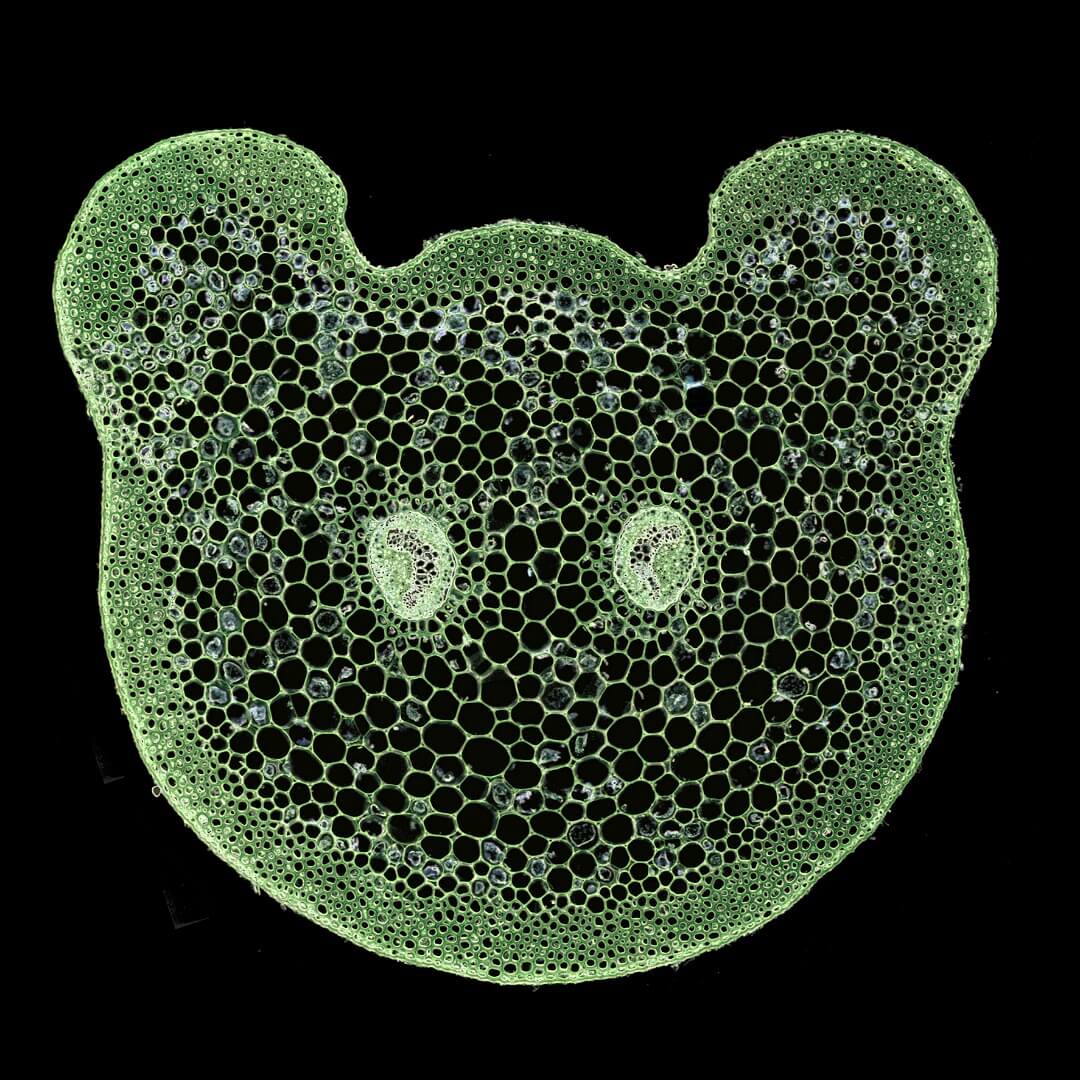
Collenchyma is a strengthening tissue typically found in angiosperms. A similar tissue occurs in the petiole of the fern Asplenium rutifolium. Leroux et al. integrate immunocytochemical and anatomical data with nano-indentation and wide-angle X-ray diffraction to investigate the in situ cell wall (ultra)structure and composition of this tissue. Their findings indicate that the fern’s apparantly collenchymatous tissue is in fact made of sclerenchyma cells that mimic the properties of collenchyma, and have the potential to increase in hardness through sclerification. These results support the view that collenchyma tissues do not occur in ferns and most likely evolved in angiosperms.