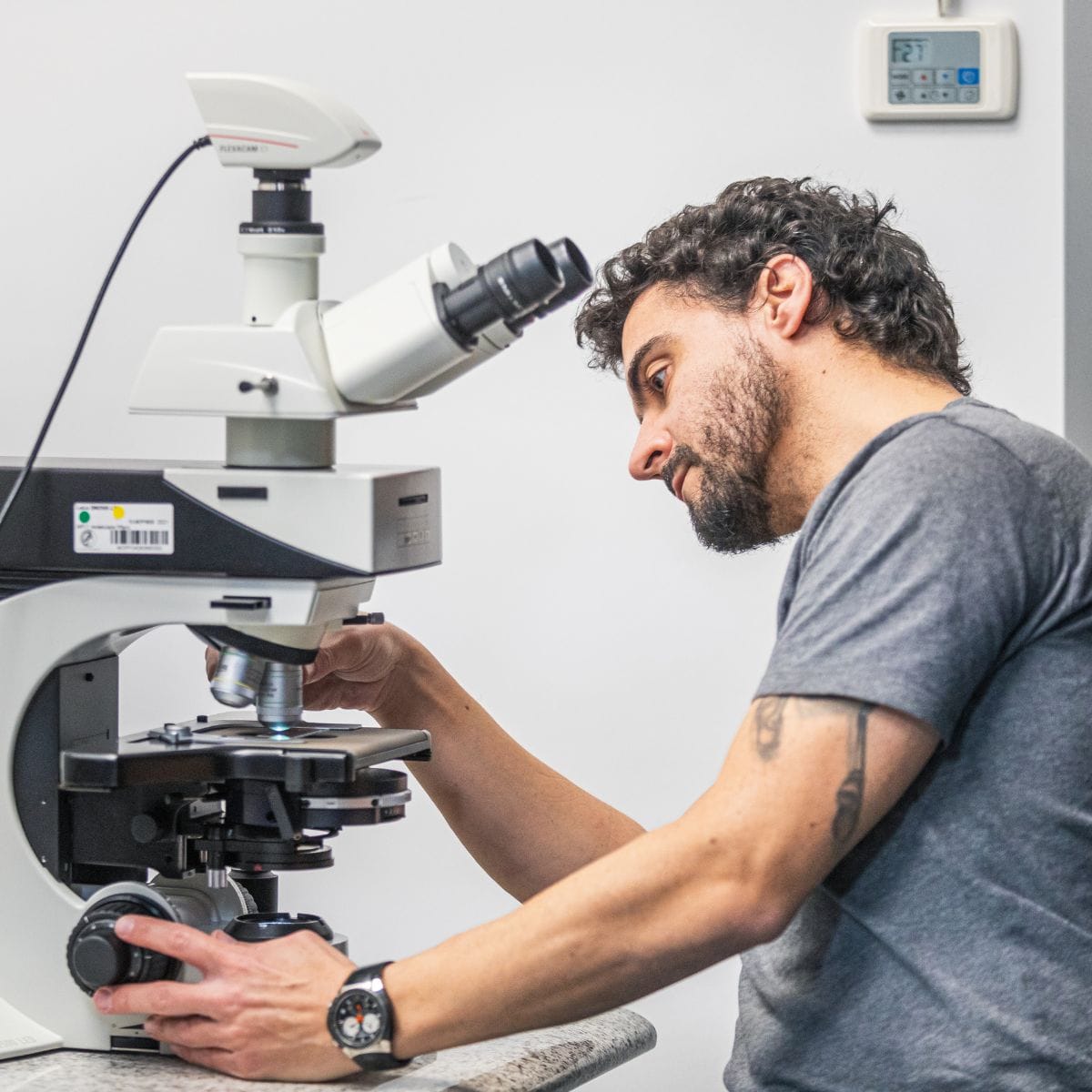


Plants are incredibly diverse, and so are botanists! In its mission to spread fascinating stories about the plant world, Botany One also introduces you to the scientists behind these great stories.
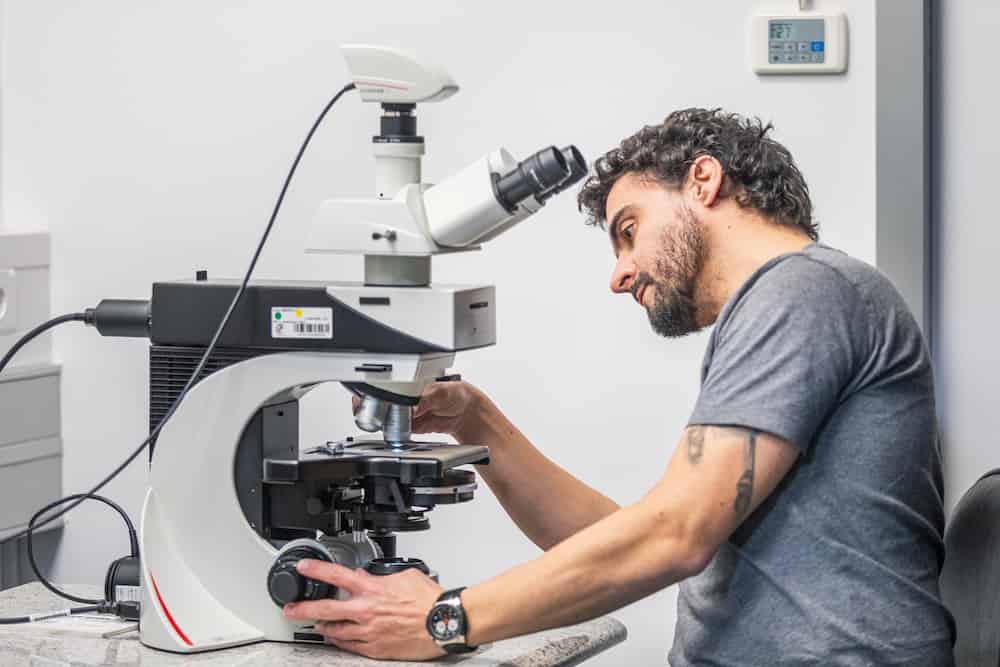
Today, we have Dr. Duarte Figueiredo, a group leader at the Max Planck Institute of Molecular Plant Physiology, in Germany. Originally from Portugal, Figueiredo completed his undergraduate and PhD studies there, focusing on abiotic stress signalling in rice. Seeking a change in research direction, he then moved north to Uppsala, Sweden, for a postdoctoral position studying seed development using Arabidopsis as a model system. After several years as a postdoc, Figueiredo established his independent research group at the University of Potsdam in Germany. He later moved the group just across the road to the Max Planck Institute. His team is currently investigating how plants initiate seed formation, and why some species require pollen for this process while others do not. You can follow his work on their lab’s website.
What made you become interested in plants?
I actually wasn’t that interested in plant biology as a university student. I remember not paying much attention to botany classes, mostly because we were often expected to just memorize stuff. It wasn’t so much about understanding how things work, so it put me off. At that point, I knew I wanted to do something more “trendy”, related to molecular biology and genetics. Although I probably didn’t know exactly what that meant at the time. But then I had a couple of professors who taught me plant developmental and cellular biology, and I became progressively more interested in these topics. One of those professors, Margarida Oliveira, ended up inviting me for a PhD in her lab. And the rest is history.
What motivated you to pursue your current area of research?
It was again not particularly planned. I very much enjoyed my PhD work in abiotic stress, but I knew I wanted to try something different, just so I could learn more things. I also wanted to move abroad, not only because opportunities in Portugal were not particularly abundant, but also so I could experience living in a different place. So I spent some time applying to different labs in different countries, who were working on topics that I found interesting. I ended up hitting the jackpot and was hired by Claudia Köhler, who had recently established her lab in Uppsala, Sweden. There, my research focus changed into understanding the molecular mechanisms by which plants make seeds. And I stuck with that.
What is your favourite part of your work related to plants?
I like them in part because I think there are very interesting questions that we are still far from understanding. Especially because plants have received less attention compared to other model systems, like animals.
Working with plants, and seeds in particular, also makes it somewhat easy to explain to the general public what we do. And why it’s important. People understand that they need to eat, and that food safety is not granted in the times to come. So I think they understand why we need to do the work we do. And it’s nice to be able to engage with people that easily.
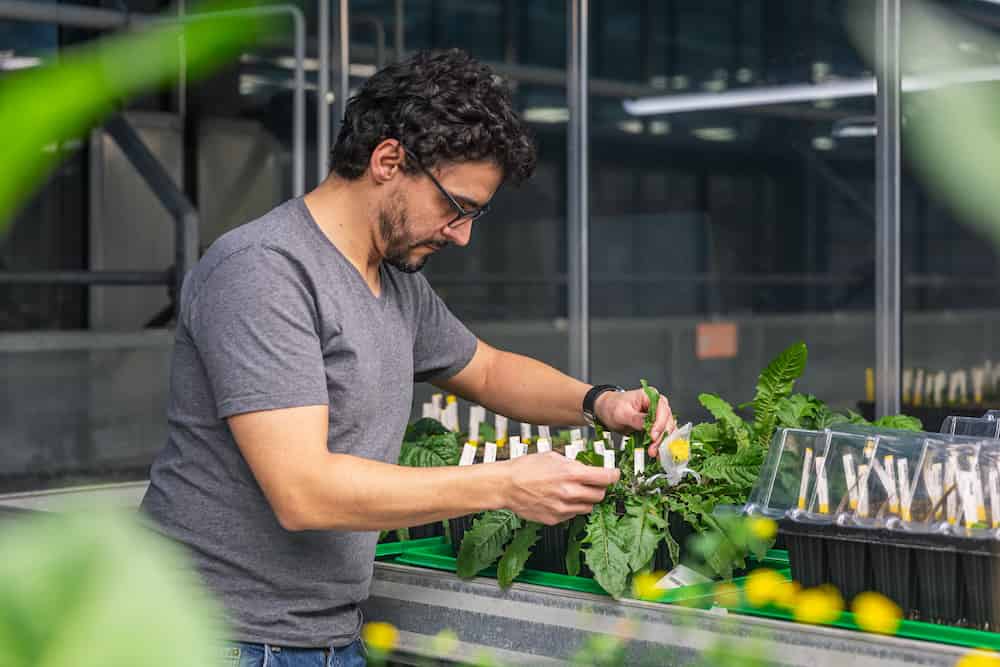
I also think that it’s generally enjoyable to work with plants. Yes, sometimes they get eaten by pests. And yes, sometimes we forget to water them, and they die. But for the most part, they are pleasant to deal with. Although I mostly do computer work at this point, I still like visiting the growth chambers and greenhouses on a regular basis. It’s nice to get away from the screens for a few minutes, but also being surrounded by the plants is somehow therapeutic, I guess.
Are any specific plants or species that have intrigued or inspired your research? If so, what are they and why?
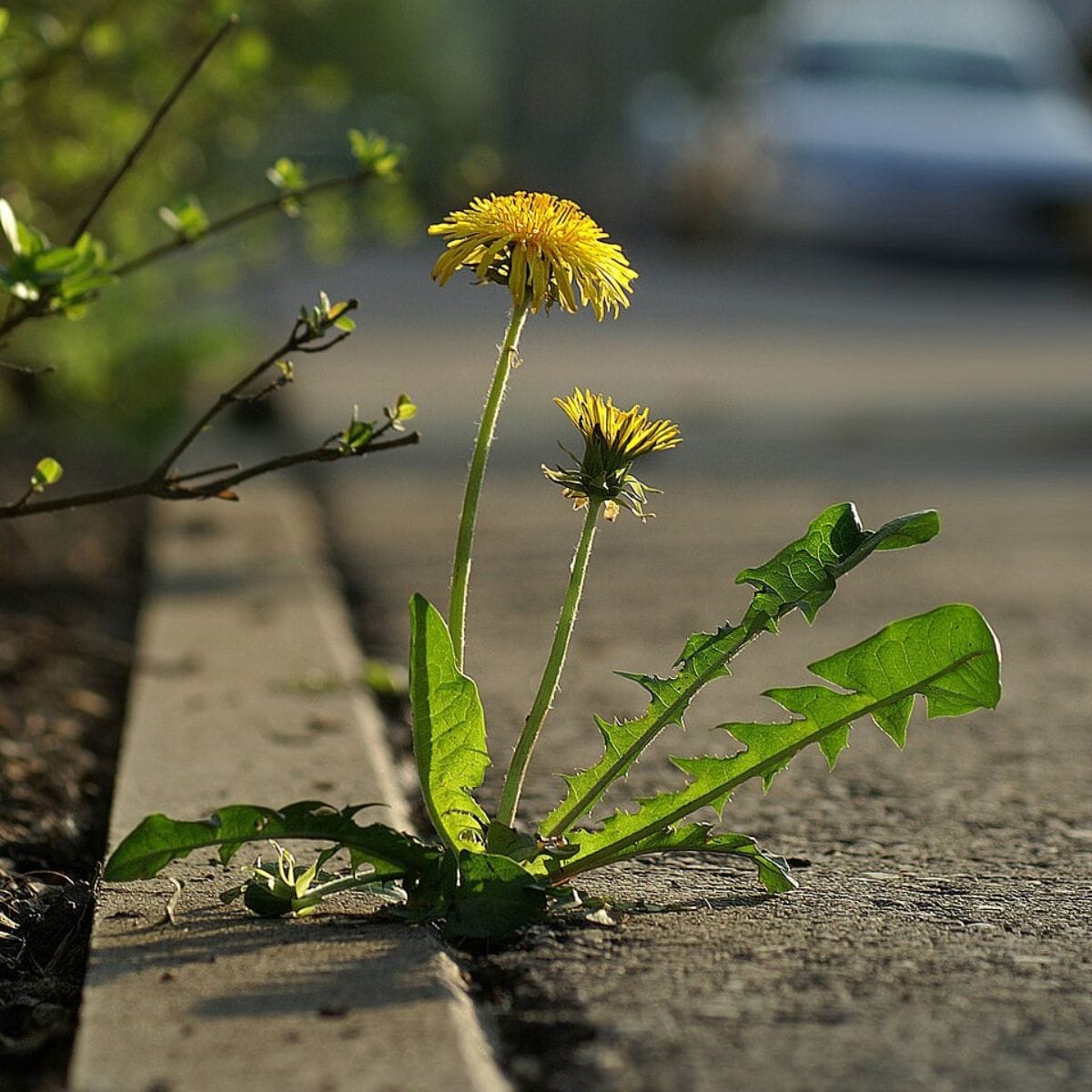
Yes, definitely. We still do most of our research in Arabidopsis, because it’s much easier and faster. But we have in recent years expanded into different species, which we now grow in the lab. One of our main objectives is to understand why pollen is needed for seed formation in most plant species. We want to know what mechanisms are triggered when the ovules are fertilized. However, there are species that do not need pollen in order to make seeds. They are called apomicts. One obvious example is the common dandelion. Most dandelions we encounter in the wild make seeds without needing pollen. But we still don’t fully understand how these species actually do this. Why do they not require pollen or fertilization? So we are currently putting a lot of effort into studying such natural apomicts, to try and figure this out.
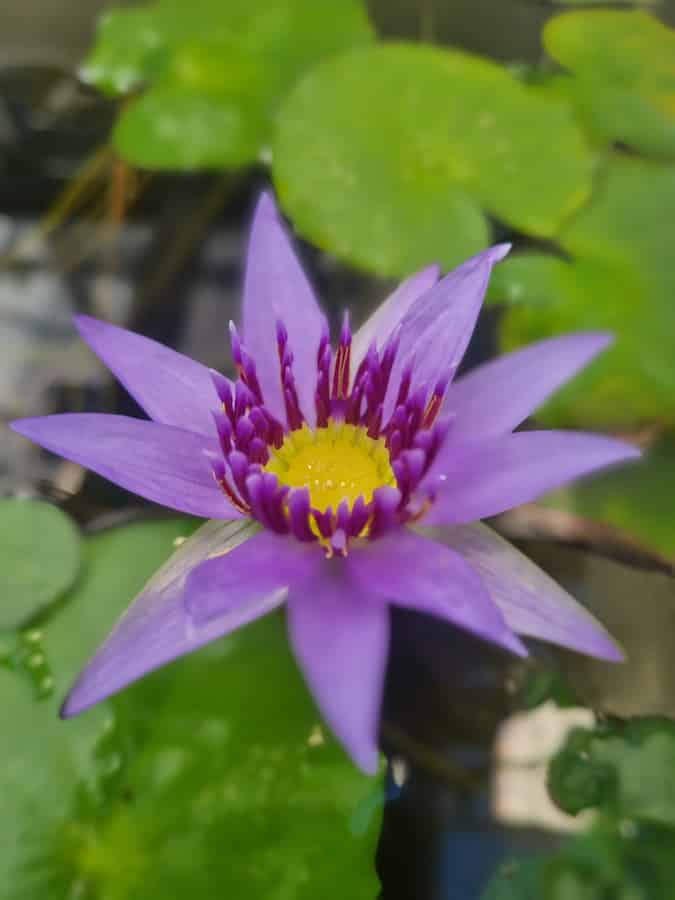
In addition to this, we also study early diverging angiosperms, like water lilies. Most plant biology is done in eudicots and in monocots, but water lilies belong to a clade which have diverged from those species over 100 M years ago. So we have been using those plants to test the evolutionary conservation of seed initiation mechanisms. They are not easy model systems, but it’s hard to come up with nicer plants to have in a greenhouse.
Could you share an experience or anecdote from your work that has marked your career and reaffirmed your fascination with plants?
Well, going back to dandelion, most people hate these plants. Especially people who have gardens. It’s very hard to get rid of dandelions because the taproots survive deep in the soil and sprout new shoots every year. And, because of their clonal seed production, dandelions are very efficient at spreading progeny. So I am a bit of an exception because I actively grow dandelion plants in pots in my garden. Particularly some ecotypes that have interesting phenotypes. I sometimes get questions from neighbours, asking if that’s really weeds that I am growing. I try to explain that we use those weeds for useful research. But I don’t know if the neighbours are very convinced by my arguments!
Also, in fact, the idea of testing the evolutionary conservation of seed initiation mechanisms came up because I decided to do some preliminary experiments on some plants I had growing at home. Since the results were similar to what I had obtained in Arabidopsis in the lab, I started thinking about testing for evolutionary conservation of certain molecular traits.
So, having a place to grow plants at home has actually helped my research a lot!
What advice would you give young scientists considering a career in plant biology?
Find good mentors and people who will support your development. That is of course true not just for plant biology, but for life in general. Search for people who do things you find interesting and then try to find out if they are good supervisors. Not every great scientist is a great mentor. Nor a great educator. And that’s ok. Also because not everyone needs the same level of supervision or mentoring. So you’ll have to find your sweet spot, and a supervisor who fits those needs. Talk to the people in that lab, if you can. See where the previous lab members have ended up. Ask for opinions. And read the papers, of course! If you don’t find the research questions and approaches motivating, then probably you should look elsewhere. There are lots of people doing cool stuff, so find something and someone that speaks to you.
What do people usually get wrong about plants?
I think many people still think that we cannot do state-of-the-art work in plant systems. This was kind of my mentality when I was a university student. I think plant biology just sounds less “fancy”, I don’t know… People kind of ignore that many advances in basic biology were done in plant systems. And you see this even in colleagues from other fields, who are often surprised with the things we can do. There is a widespread ignorance about what can be achieved in plants, and why this kind of work is important for our society. I think we just have to be more efficient in spreading this message.
Carlos A. Ordóñez-Parra
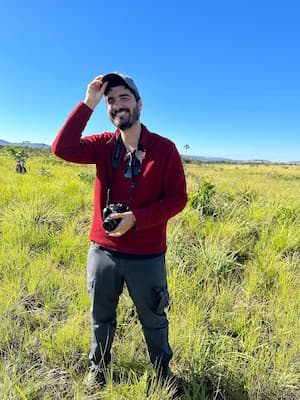
Carlos (he/him) is a Colombian seed ecologist currently doing his PhD at Universidade Federal de Minas Gerais (Belo Horizonte, Brazil) and working as a Science Editor at Botany One and a Communications Officer at the International Society for Seed Science. You can follow him on BlueSky at @caordonezparra.