
Plants are incredibly diverse, and so are botanists! In its mission to spread fascinating stories about the plant world, Botany One also introduces you to the scientists behind these great stories.
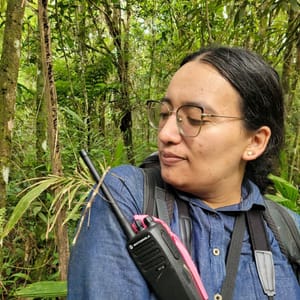
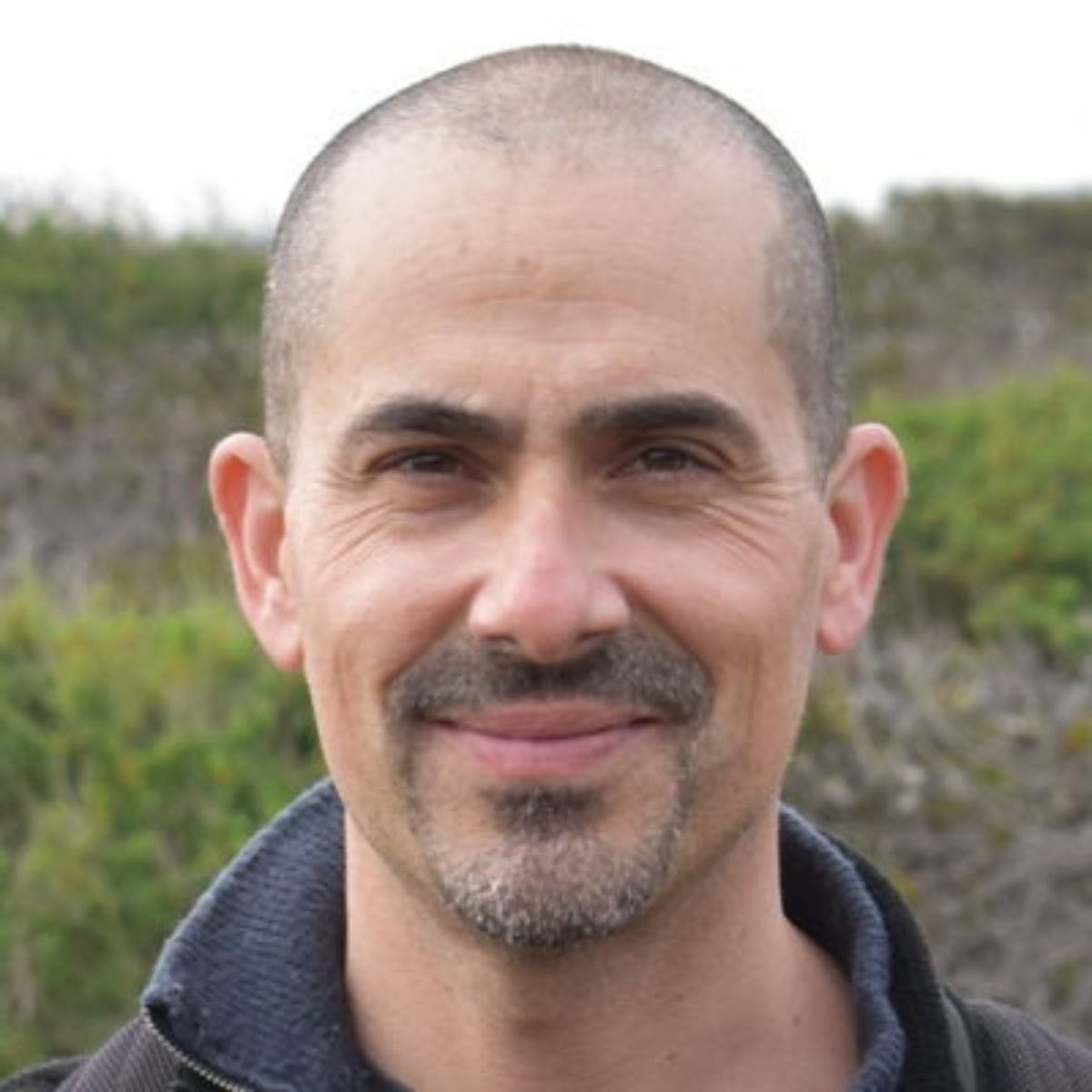
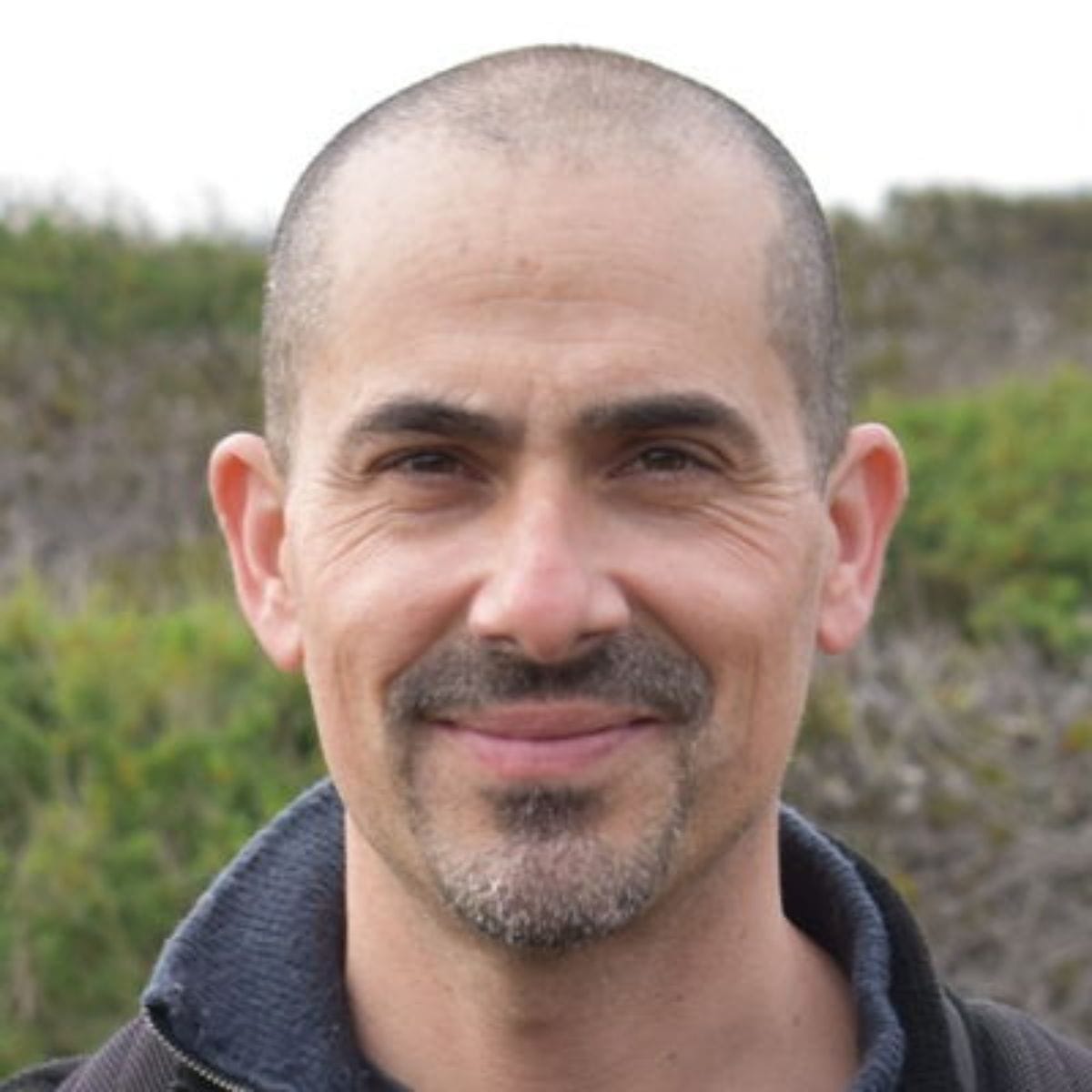
Today, we have Dr Cristian Atala, a botany professor at Pontificia Universidad Católica de Valparaíso (Chile). He holds a PhD in Botany from Universidad de Concepción (Chile) and leads the Functional Plant Anatomy and Ecology Lab, and he is interested in plant functional anatomy, plant functional ecology, and plant-fungi interaction, especially orchids-fungi interactions. Moreover, Atala is also interested in science communication and education, having produced different kinds of materials including a children’s book.
What made you become interested in plants?
Since I was a child, I always loved nature, forests, and both animals and plants. We used to go on holidays to natural areas in the south of Chile, camping in temperate forests. Later, I started growing plants on my balcony, loving flowers and succulent plants. However, when I took my first botany course at the university as an undergrad, Plant Anatomy, I fell in love with plants. After that, I was an assistant to all botany courses and went to Universidad de Concepción for my PhD in botany. I’ve always loved teaching botany as well, and went from lab assistant in the botany courses to botany professor.
What motivated you to pursue your current area of research?
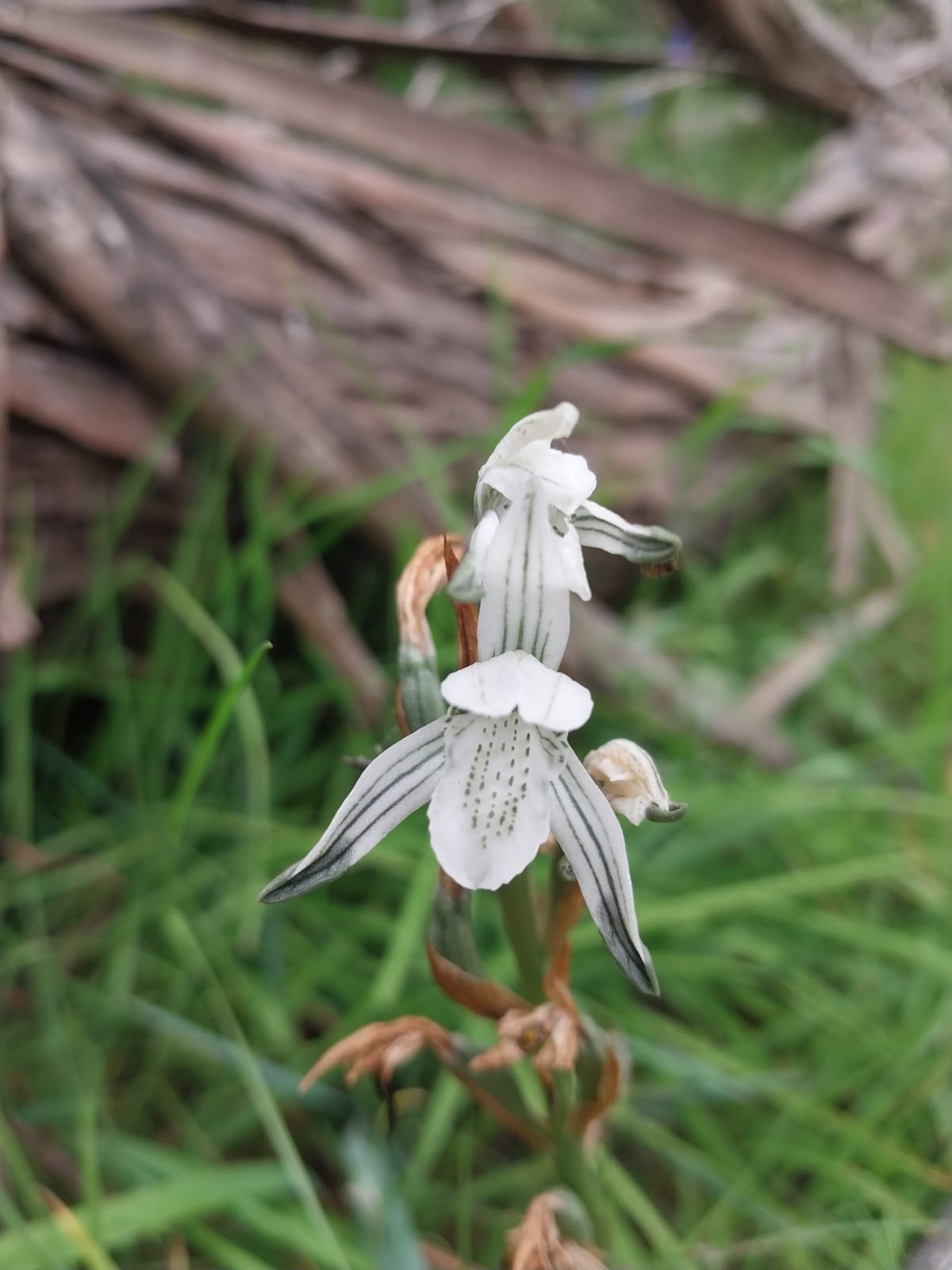
I was doing tenure at Universidad de Concepción after my PhD and one student was interested in native orchids, mainly taxonomy and systematics. In collaboration with Dr. Guillermo Pereira, we started, along with that student, to study orchid biology, including their fungal partners, seed germination, and ecology. I discovered that much of the Chilean orchid biology was unknown and that gave me motivation to uncover their fungal partners, pollinators, and ecological interactions. Some of the Chilean species are threatened, and I also wanted to study ways to protect those species. Besides, they produce beautiful flowers and I believe that they have potential as ornamental plants.
What is your favourite part of your work related to plants?
The absolute best is that, sometimes, my “office” is a natural landscape. I love the fieldwork, and being in different ecosystems. Nowadays, we work a lot in the Mediterranean part of the country, taking soil and root samples in low hills by the sea. In the spring, the diversity of colour and form of the different flowers is really amazing to see. I also work in outreach, and I love to tell fun stories about plants to kids. It is especially great to see their faces when you tell them fun stuff like that plants can move (like moss sperms) or that some can communicate to neighbours.
Are any specific plants or species that have intrigued or inspired your research? If so, what are they and why?
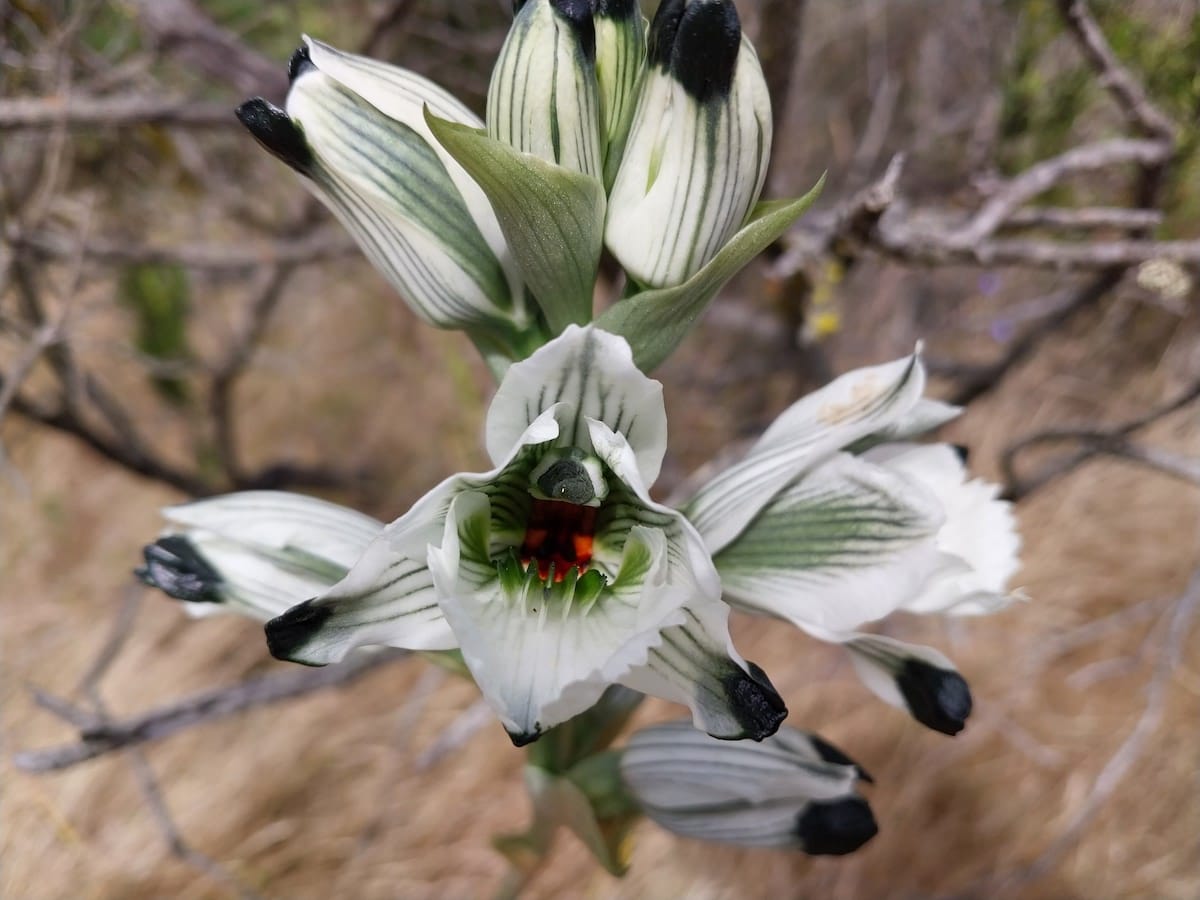
I think there are definitively two groups that intrigue me the most. One is native orchids. In Chile, they are all terrestrial and temperate orchids are far less studied than tropical orchids, especially from the Southern Hemisphere. To be able to contribute a little to their biology is very rewarding. The other group is Bryophytes. They are a largely neglected plant group, likely because they are really difficult to identify, and functional studies are somewhat fewer compared to functional studies on vascular plants. They interest me because the dominant phase is the gametophyte, and thus they are not homologous to vascular plants. For that, they make a great model to study evolutionary convergences and functional constrains.
Could you share an experience or anecdote from your work that has marked your career and reaffirmed your fascination with plants?
Working as an undergrad with Dr. Teresa Torres at University of Chile, I had the opportunity to visit Antarctica. I felt really lucky to have being given the chance to be there. If not for my career, it is unlikely that I would have being able to go there and experience such amazing ecosystem. We were studying fossil plants from the Cretaceous period, mainly fossil woods, which were all over the place. The Antarctic landscape was very different to all I knew, full of lichens and bryophytes. The animals were not afraid of humans and to be able to see penguins, seals in the wild was really amazing.
What advice would you give young scientists considering a career in plant biology?
Love what you do and work hard. That’s it. Science is sometimes difficult and competitive, but is a career full of unique opportunities to travel to different places and meet amazing people. I really believe that this must be both your job and your hobby. Plant biology gives you an opportunity to work outside, in the field. For some people, me included, that’s the best.
We are facing difficult times, and we are going to need people invested in studying plants. We are currently losing experts in several plant groups, and we need new people pushing for plant systematic, conservation and functional studies in all plant groups, especially those less conspicuous.
What do people usually get wrong about plants?
Best question ever! There are a lot of nature-related TV shows. Almost all of them are focused on animals. I think that people usually think (wrongly) that plants are boring or less complex than animals. I believe that this is due to a bias in early formation (schools) that focus mainly on human and animal biology. Two examples. First, plants can display complex responses and interactions; there are parasitic plants that use mycorrhizal networks to “steal” resources from other plants. There are mimetic plants that can imitate the leaves of other to hide from herbivores. There are plants that can “resurrect” after being physiologically dead. They are far from boring!
Second, plant cells. Biology textbooks usually show a single plant cell type, corresponding to photosynthetic parenchyma. However, in a tree, most cells do not have chloroplasts and do not look like the book plant cell at all! This complexity if often neglected.
Carlos A. Ordóñez-Parra
Carlos (he/him) is a Colombian seed ecologist currently doing his PhD at Universidade Federal de Minas Gerais (Belo Horizonte, Brazil) and working as a Science Editor at Botany One and a Communications Officer at the International Society for Seed Science. You can follow him on BlueSky at @caordonezparra.