


The second Student Botany Festival started with the semi-finals and finals of Botanical University Challenge, or BUC as it’s affectionately known. This year’s competition for next-generation botanists and plant-aware students was the largest to date with twenty-eight teams from the UK and Ireland. The first BUC was between five teams in 2016 at Kew. It has since been competed for a further six times and gained a careers-oriented event to go with it. It’s a big step from its origins. As the semi-finals were introduced, one of the original organisers, Jonathan Mitchley, said “I can hardly believe we’re here.”
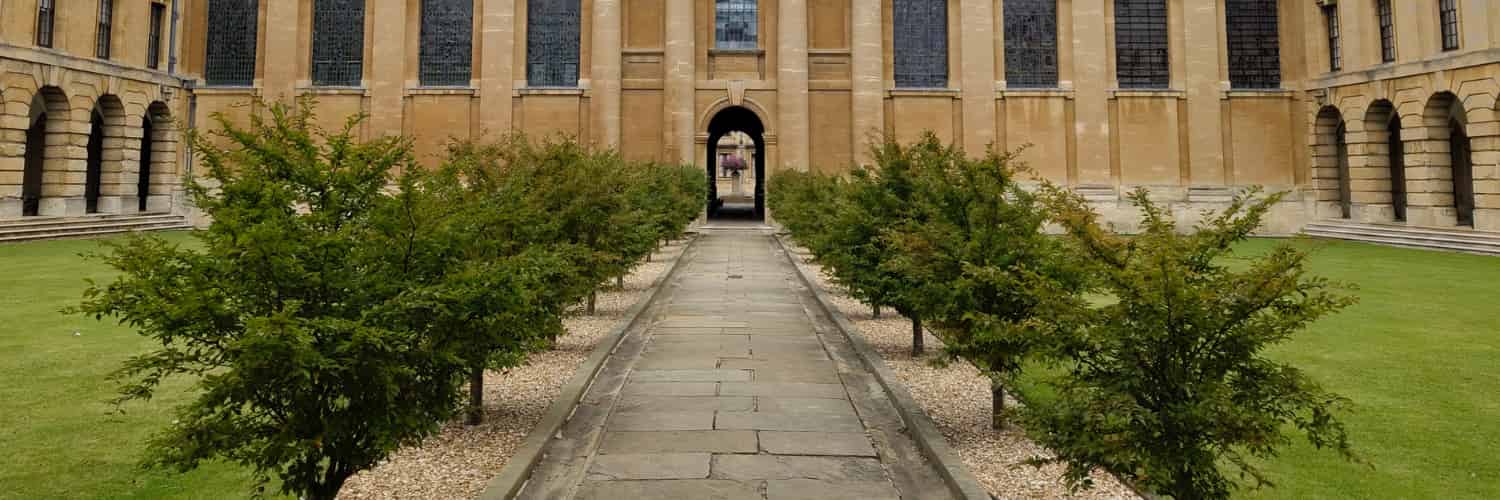
Here, for 2024, was Oxford following the victory by the Oxford team in Nottingham. A crammed Shulman Auditorium watched teams from Cambridge, Kew, Reading, and York compete for a place in the final.
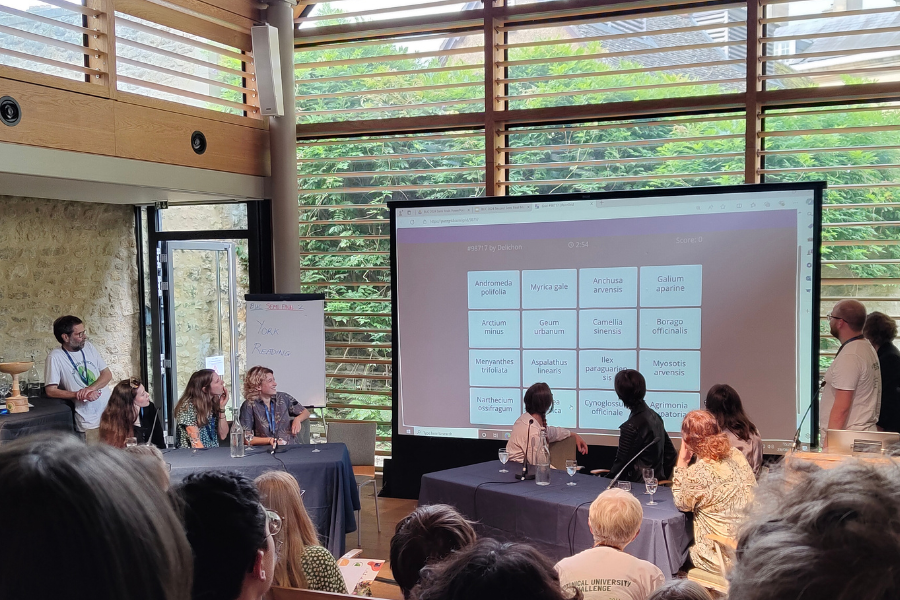
The semi-finals had six rounds. From my non-botanist perspective, they appeared to alternate between themed and general rounds. Round one was the Wall, a homage to Only Connect. For round three was a round where the teams were given a plant to examine and answer questions on and in round five they identified plants on the PowerPoint screen.
It worked well, except for the order of the rounds. Round one had ten points, while the other rounds were four each, meaning the jeopardy was front-loaded. Another problem is that the walls were the most daunting rounds, knocking the confidence of more than one team right at the start of the competition. Fortunately, the organisers saw the problem and so, for the final, Round one was the last round, meaning that we didn’t know who was likely to win the final.
The atmosphere was unlike other botanical events I’ve been to. My notes say The audience is the loudest that I’ve heard for a botanical event. Another BUC founder, John Warren, said that the event was about fun, and I think the audience was a big part of making that happen.
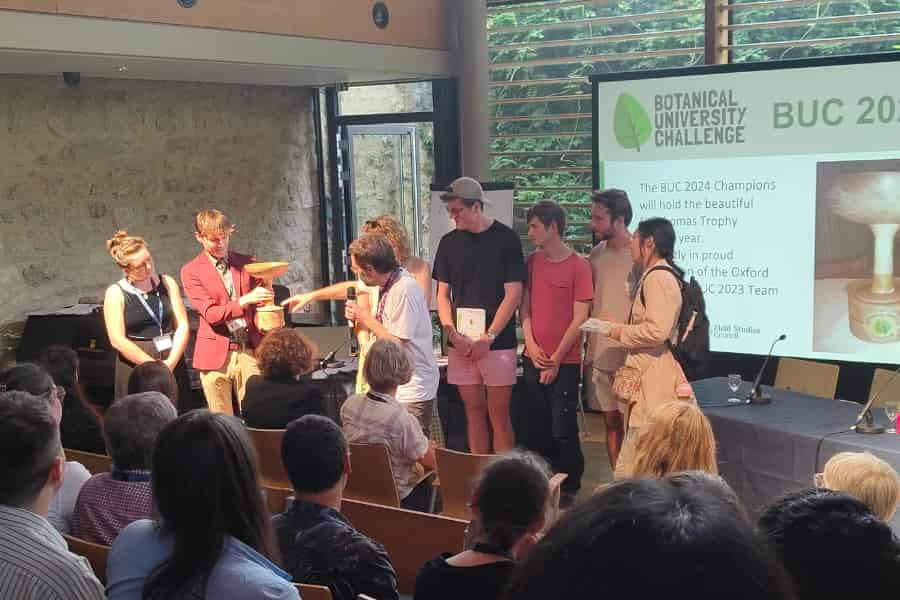
Cambridge went out winners, picking up Sid Thomas trophy. This wooden cup, created by Michael Warren, was crafted from nine different tree species and awarded in honour of the late Professor Howard (Sid) Thomas, who was the Emeritus Professor of Biology at the University of Aberystwyth.
The spirit of fun came up in the prizes, where along with the quiz winners, there were also prizes for the best team name as well as prizes for botanical art. Along with photography, there was textile art, and the embroiderers did well this year.
However, while Cambridge deserve congratulations for their win, I’ll go with the cliche and say Botany was the real winner. The reason is what happened after the prizes.
The students gave flash, 60-second, presentations with just one PowerPoint slide. For me, this was the highlight. Against all statistical sense, all the talks were above average. The presentations worked as a great way for students to introduce themselves to the rest of the cohort but also highlighted the – John Warren was right – fun that students were having with their studies.