
Plants are incredibly diverse, and so are botanists! In its mission to spread fascinating stories about the plant world, Botany One also introduces you to the scientists behind these great stories.
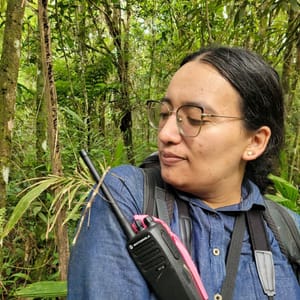
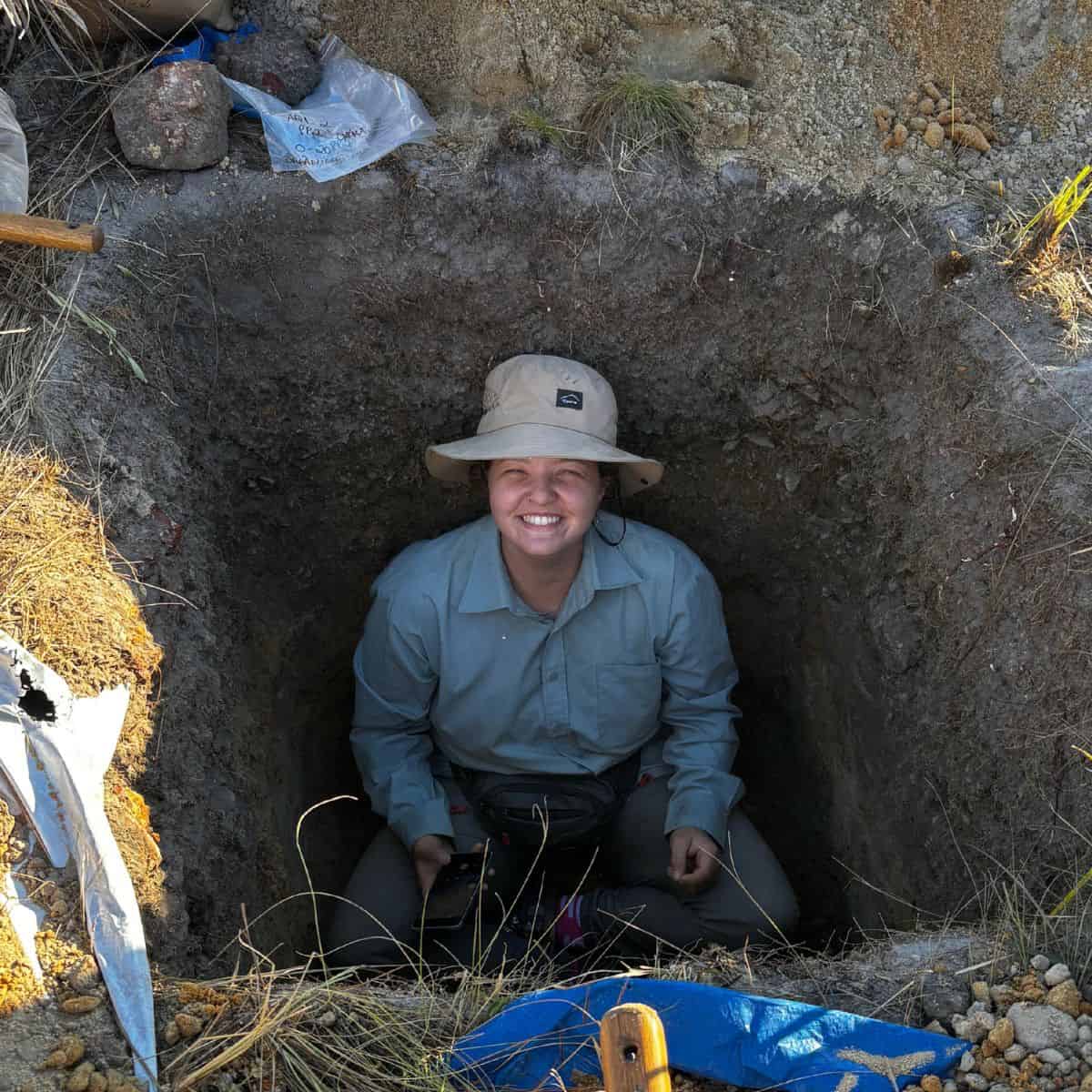
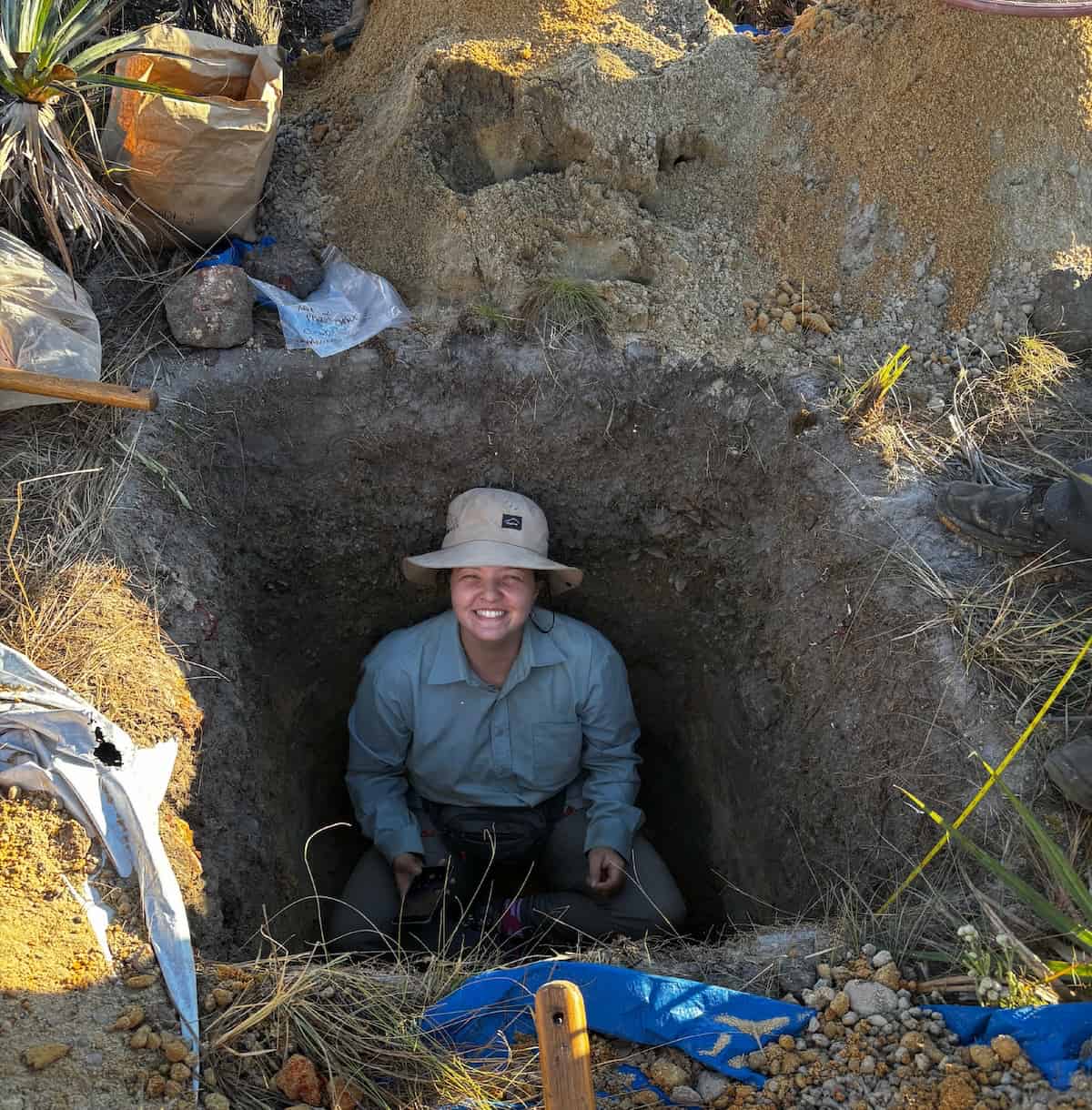
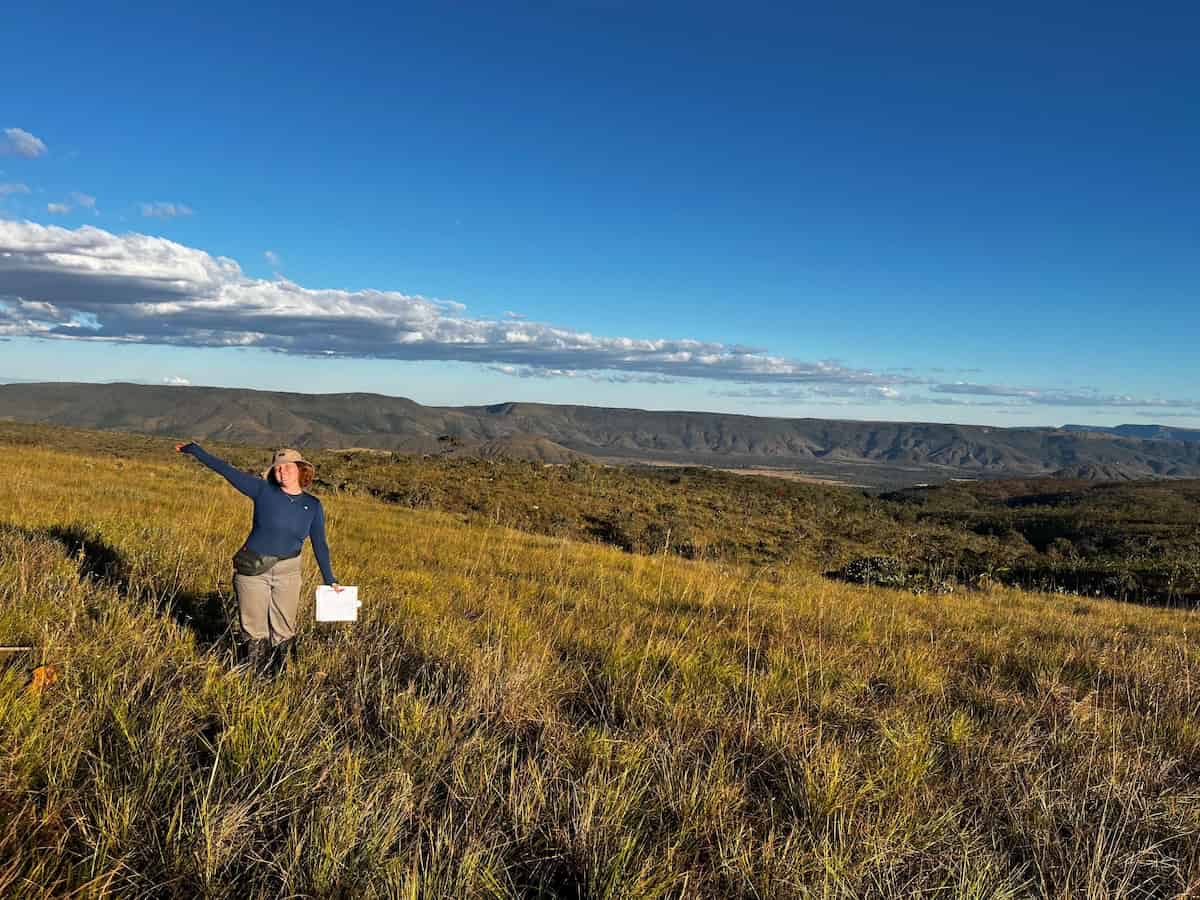
Today we have Bethina Stein, a second year PhD in Plant Biology at Universidade Estadual de Campinas (UNICAMP, Brazil). Her research aims to quantify carbon stocks and biodiversity, both above and below ground, across different Cerrado physiognomies. Stein also investigates how soil characteristics relate to vegetation structure. In parallel, she collaborates on projects developed by the research group I am part of Center for Integrative Ecology, such as developing new methods for propagating grassland and savanna species and disseminating knowledge about these physiognomies and their role in providing ecosystem services. You can learn more about “Campos do Cerrado”, one of the projects she participates at the following link: https://goias.gov.br/camposdocerrado/
What made you become interested in plants?
My parents were raised in the countryside, and from an early age, I grew up with the conviction that there is no possible path without hands in the soil and direct contact with plants. Watching my relatives tending to gardens or working on the farm always gave me the certainty that, somehow, I wanted to follow that same path. However, I wanted to walk it through a route they didn’t have the opportunity to choose, but thanks to them, I was able to access.
In addition, my mother, an early childhood teacher, always involved me in activities and events that highlighted the importance of nature and its conservation. That influence was fundamental in shaping my environmental awareness from childhood. The definitive decision came during my undergraduate studies, around the second year, when we participated in the creation of a living museum in the course on Biology and Taxonomy of Cryptogams. That was when I found myself completely immersed in the world of plants. From that experience, I began my scientific journey with an undergraduate research project in Plant Ecology, and since then, I’ve remained in this area.
What motivated you to pursue your current area of research?
Through an opportunity presented by a dear friend and driven by the desire to explore something new, I concluded my research in the Atlantic Forest, the biome where I grew up and completed my undergraduate degree in 2019. In 2021, I started a technical position at the Institute of Biology at the State University of Campinas, which became a turning point in my career. During that time, I had direct contact with PhD students, postdocs, and professors engaged in research in the Cerrado. Assisting in these projects sparked a deep interest in the biome and reinforced my passion for Applied Ecology. From then on, I entered the master’s program and deepened my work with savanna and grassland species, exploring their underground structures as well. It was immediate fascination. The diversity revealed both above and below ground is amazing! Even in the face of such vast challenges, I remain committed to highlighting the importance of conserving this fascinating and neglected system.
What is your favourite part of your work related to plants?
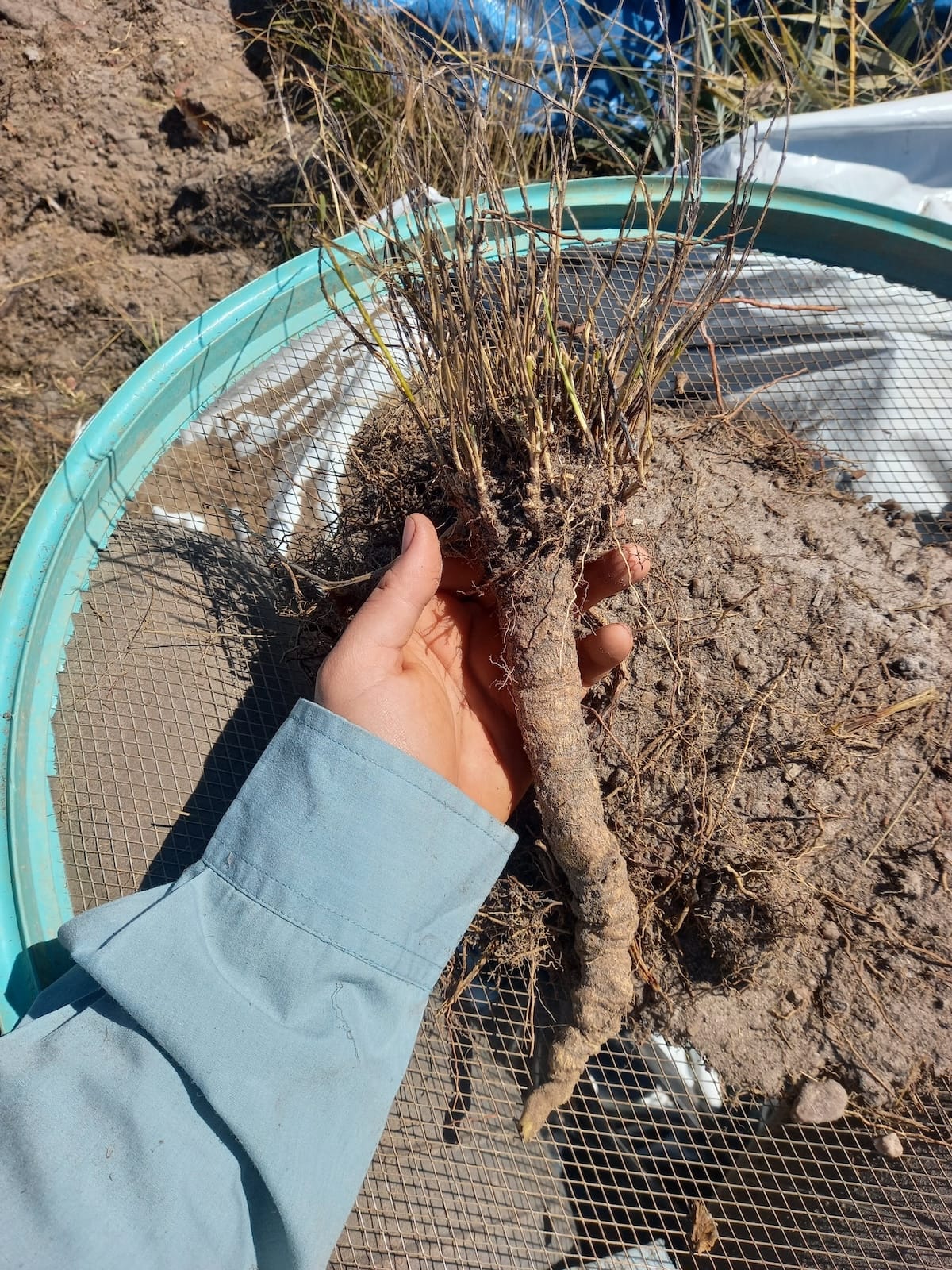
Over the years, this answer will probably have been different, and in the future, it likely will be again. But today, what captivates me most is investigating the diversity that hides and reveals itself in grassland and savanna physiognomies, especially in underground structures. These systems offer a universe of possibilities: it’s possible to quantify carbon storage, estimate the age of underground organs, identify distribution patterns, and at the same time, recognize how much we still don’t know. It’s in that space between mystery and discovery that my enthusiasm resides. I enjoy the challenge of brainstorming with colleagues, discussing hypotheses, testing approaches, and seeking solutions. Each phase of this journey has its favorite part, marked by new learnings and obstacles. And it’s precisely this constant transformation that makes the journey so rich and stimulating.
Are any specific plants or species that have intrigued or inspired your research? If so, what are they and why?
Can I say, “all of them”? Just kidding, but in a way, I’m not too far off. I have a special appreciation for Community and Ecosystem Ecology, and in that context, some groups of savanna and grassland species, especially those in the herbaceous-shrub layer, have deeply inspired me. They are small plants with slow growth, but with surprising survival strategies. Many have developed mechanisms that allow rapid regrowth after disturbances and colonization through vegetative propagation. Some even bloom during the dry season, when everything seems more hostile. Understanding how these species interact with their environment and how they can be incorporated into ecological restoration strategies is a fascinating challenge.
Could you share an experience or anecdote from your work that has marked your career and reaffirmed your fascination with plants?
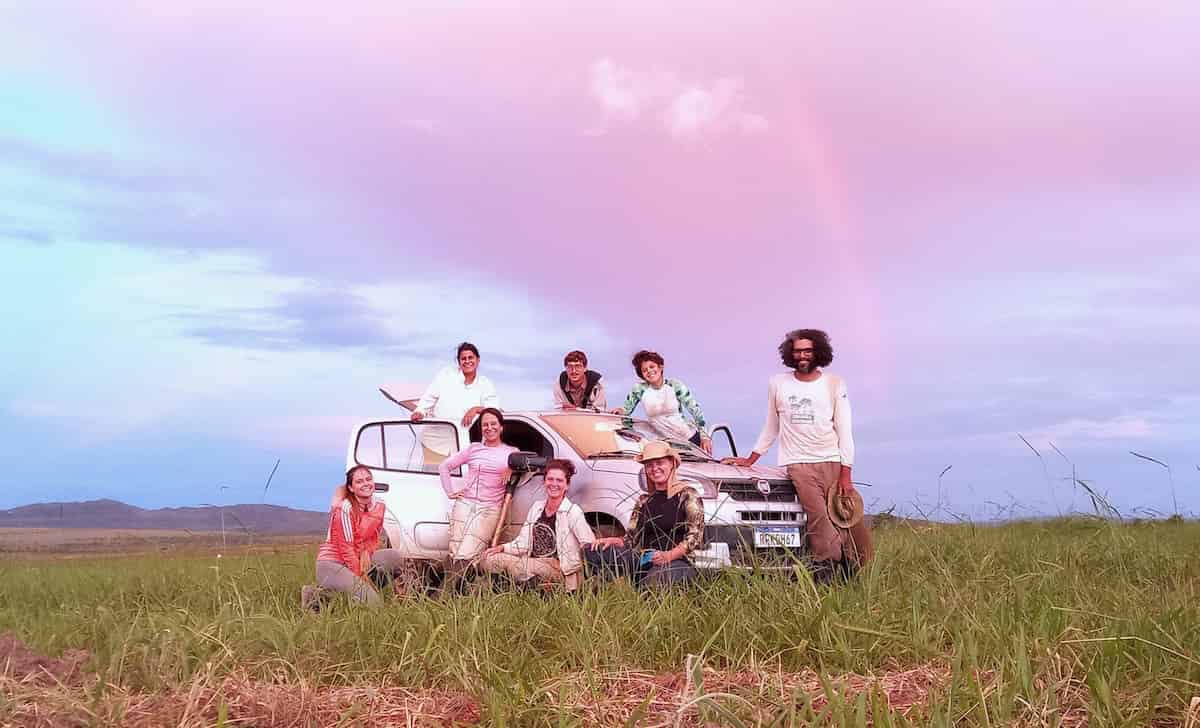
Maybe not directly tied to my fascination with plants, but certainly to my passion for research. During my master’s, we transplanted 100 nucleis (small patches of vegetation with soil, roots, and plants) from a conserved area to a degraded one, where I set up my experiment. We did everything in a single day, using a regular car, lots of determination, and the support of incredible people who joined me in this “madness.” That experience reinforced one of the most valuable lessons in academic life: no one does science alone. Collaboration, mutual support, and collective construction are just as essential as data and results.
What advice would you give young scientists considering a career in plant biology?
This question is challenging, especially because I’m still building my path as a young researcher. But what I dare to say is the importance of paying attention to opportunities and your heart, equally. Being loyal to yourself and to those who supported you is fundamental!
Sometimes, the journey doesn’t need to start directly with postgraduate studies. In my case, exploring other possibilities, like finishing my undergraduate degree and working as a technician on two different projects before pursuing a master’s, was essential to understanding which path I wanted to follow and what truly drove me in research.
What do people usually get wrong about plants?
The idea that plants are passive beings, with no impact on the environment, is a major misconception. Observing a plant means seeing the complexity of interactions it establishes with the air, soil, roots, water, and animals (human and non-human). Another mistake is thinking that size is directly proportional to importance. Each biome is unique, and every species within it plays a fundamental role, none should be overlooked. And perhaps the most dangerous myth: believing that the effects of degradation are confined to the location where they occur. The truth is that biomes are interconnected. When one system is compromised, a chain reaction unfolds that reverberates far beyond that territory.
Carlos A. Ordóñez-Parra
Carlos (he/him) is a Colombian seed ecologist currently doing his PhD at Universidade Federal de Minas Gerais (Belo Horizonte, Brazil) and working as a Science Editor at Botany One and a Communications Officer at the International Society for Seed Science. You can follow him on BlueSky at @caordonezparra.