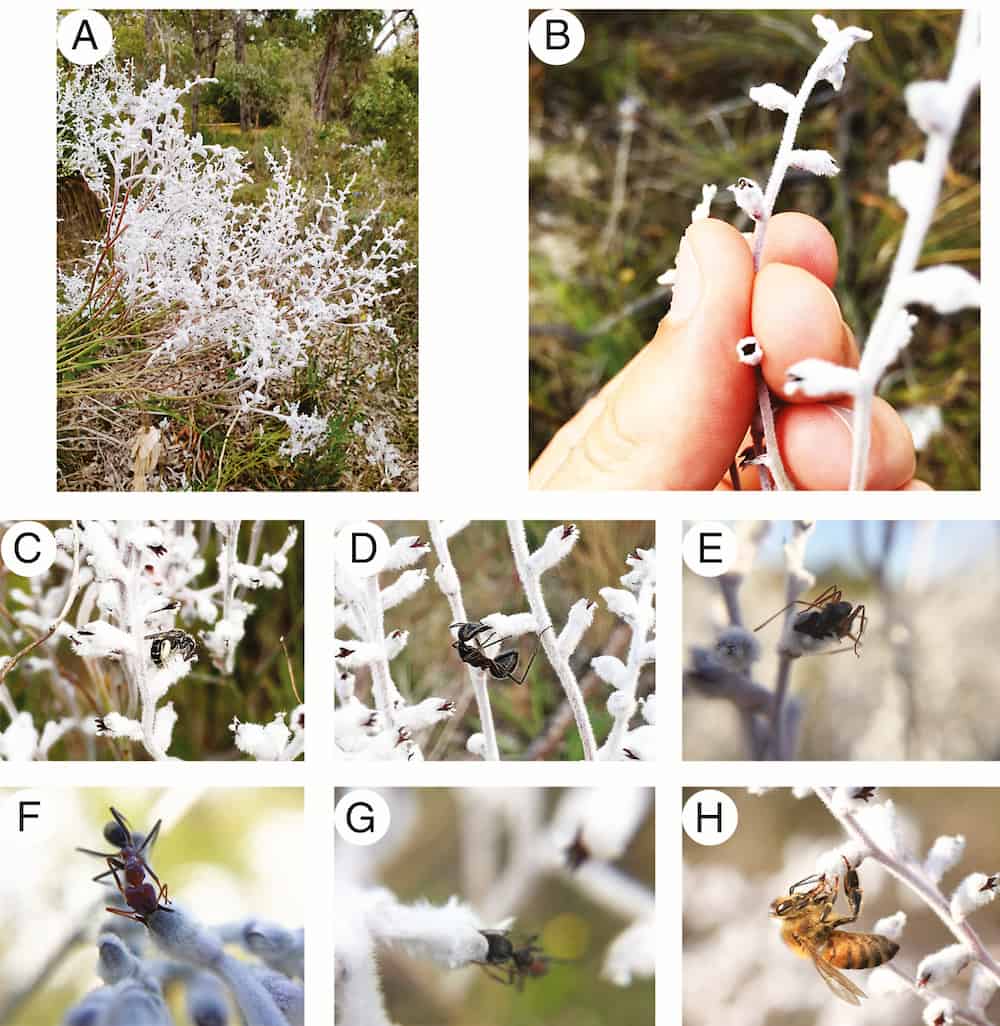
Close Encounters Ants a principal pollinator for a threatened member of the Proteaceae The plant is impervious to the pollen damage ants usually cause. Erin Zimmerman 07 Jul 2020
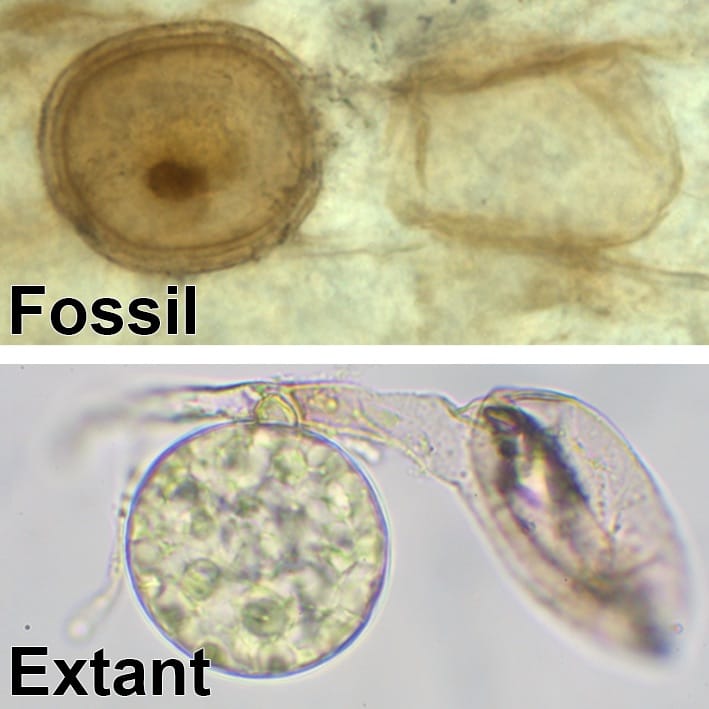
Taxonomy & Evolution New genus and species of probable arbuscular mycorrhizal fungi uncovered in the Rhynie chert The new species bears a strong similarity to modern-day Archaeospora. Erin Zimmerman 29 Jun 2020
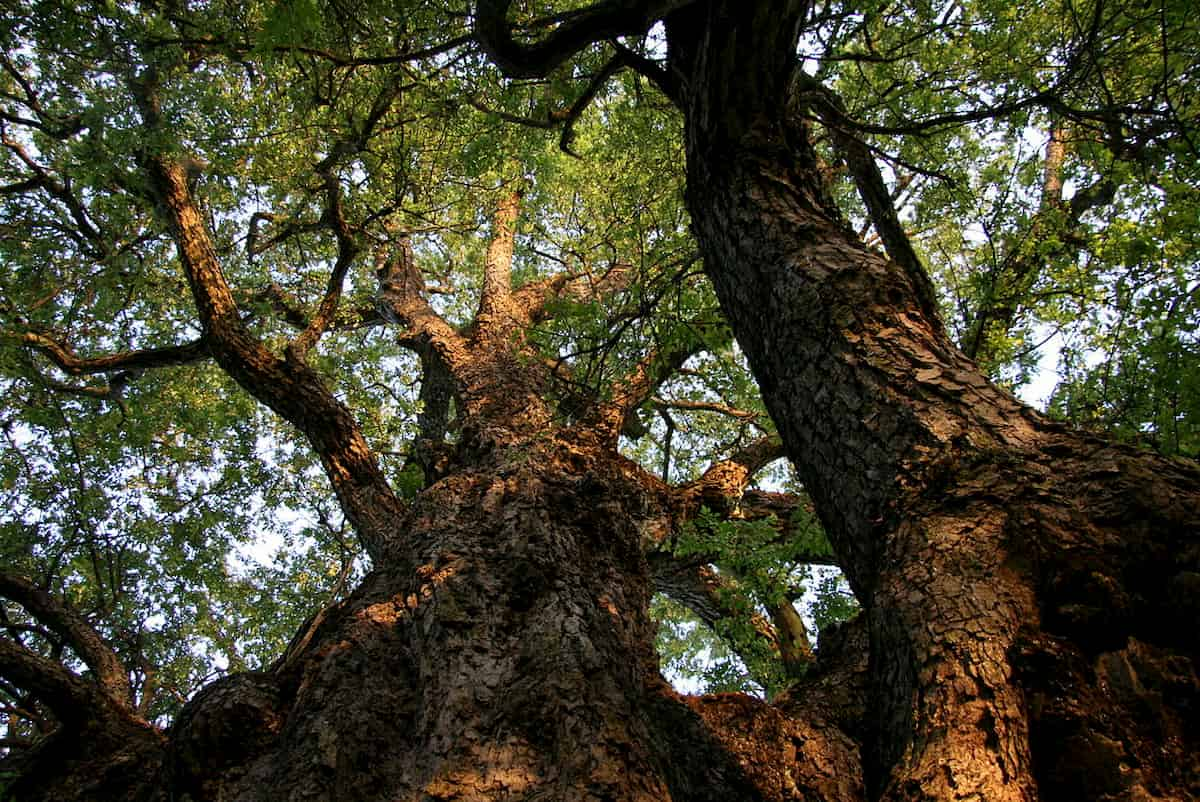
Taxonomy & Evolution Nothofagus macrocarpa populations represent relics of a once-greater range Today’s remaining isolated populations are highly genetically diverse and extensively hybridized. Erin Zimmerman 26 Jun 2020
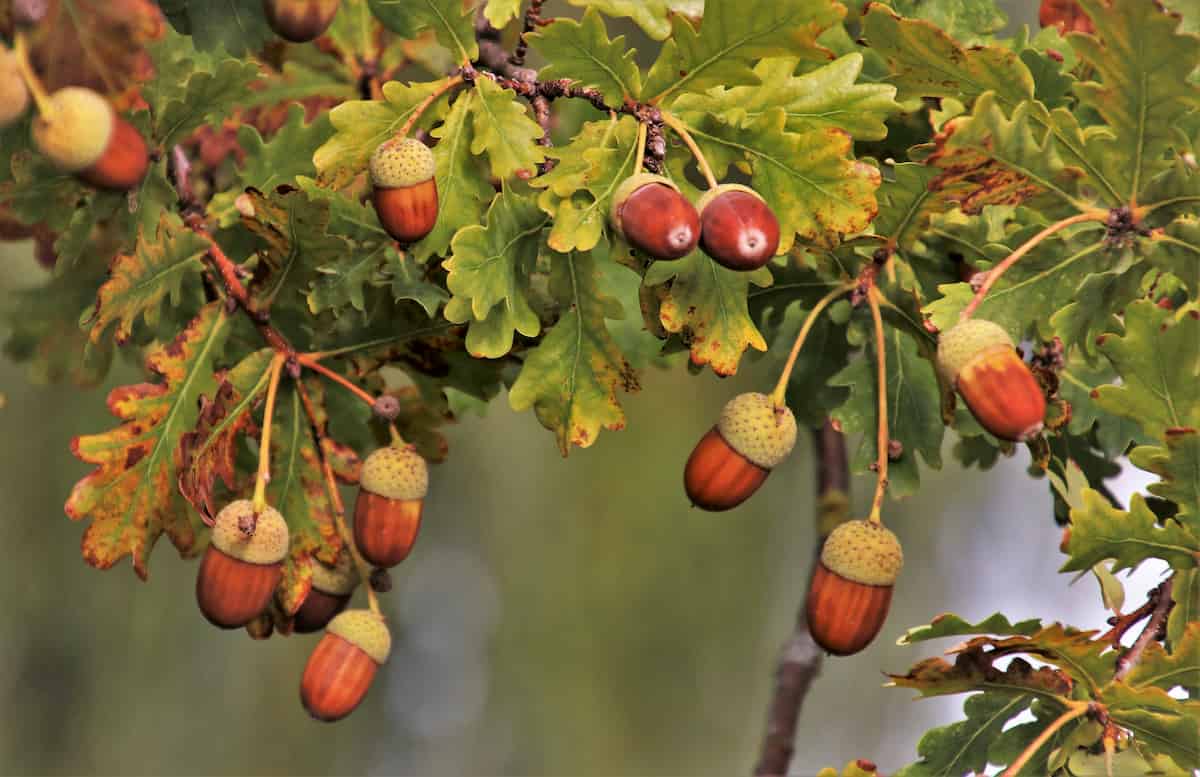
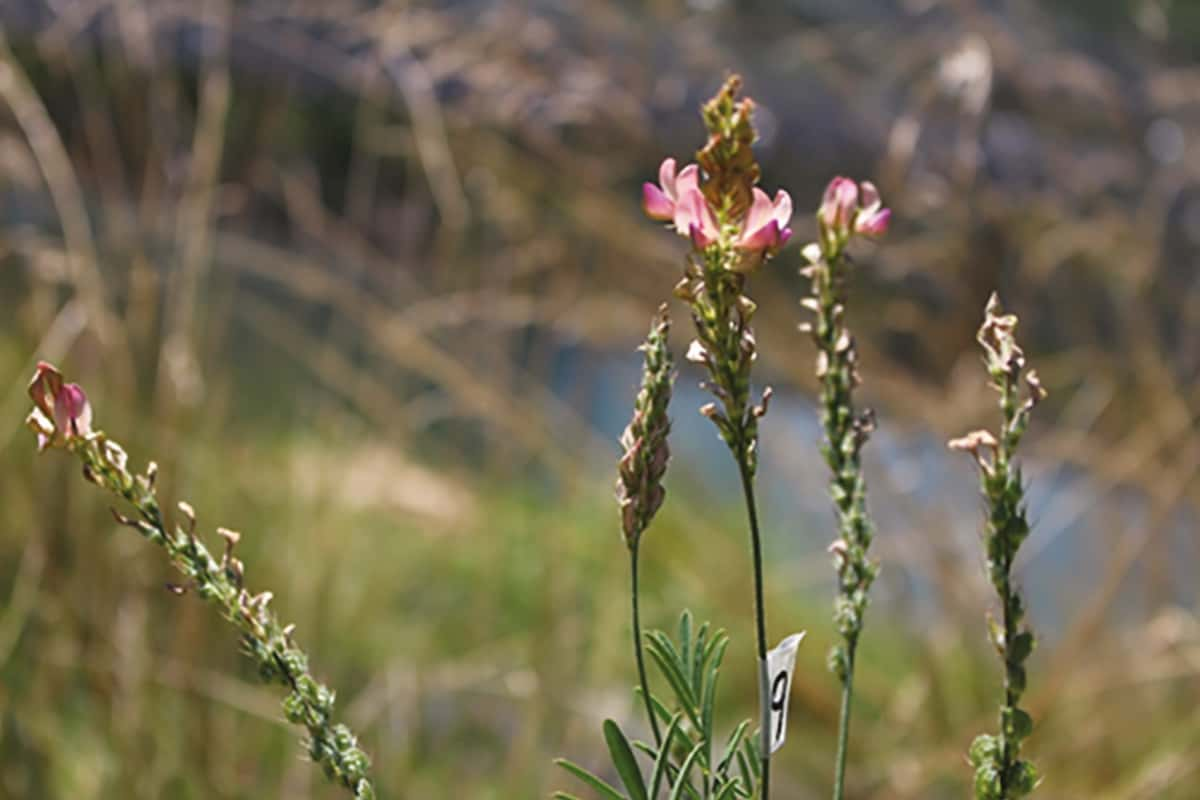
Growth & Development Under-producers have a greater effect than super-producers on fruiting patterns in masting trees Smaller plants are the main drag on both seed production and synchrony in their populations. Erin Zimmerman 24 Jun 2020
Ecosystems Citizen science data can complement collections well for some applications The range and occurrence of anther smut shows very similar patterns in both collections and iNaturalist data. Erin Zimmerman 23 Jun 2020
Growth & Development When weather becomes less predictable, so do reproductive traits Both within a plant and within a population, trait variability increases with unpredictable precipitation. Erin Zimmerman 17 Jun 2020
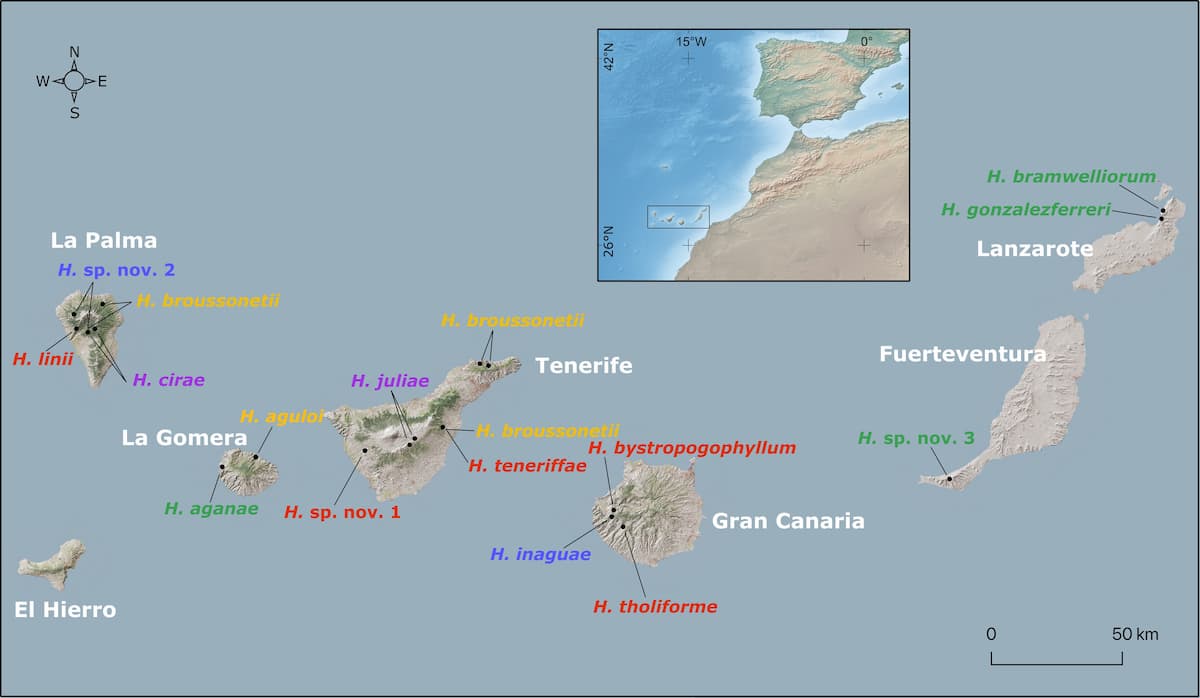
Taxonomy & Evolution Niche conservatism characterizes the spread of Helianthemum in the Canary Islands In nearly all cases, each species’ closest relatives occur in a similar niche on a different island Erin Zimmerman 09 Jun 2020
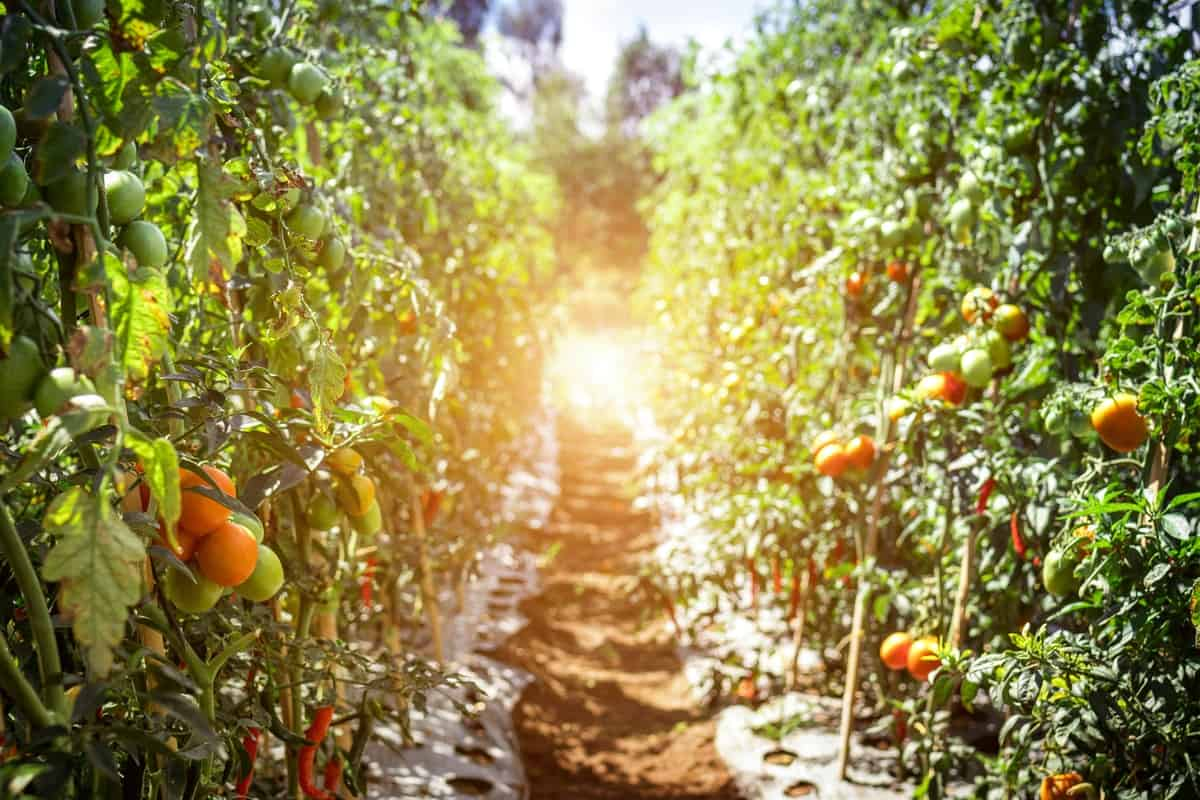
Cells, Genes & Molecules Higher cytokinin levels give Dutch tomatoes an edge Greater secondary xylem development in Dutch cultivars may be the source of their lead over Japanese cultivars in fresh fruit weight. Erin Zimmerman 08 Jun 2020
Plants & People Ex Situ Collections Not Reaching Genetic Diversity Goals More efficient sampling could capture greater diversity without overwhelming space constraints. Erin Zimmerman 02 Jun 2020
Cells, Genes & Molecules Short- and long-term responses to elevated carbon dioxide use the same genetic controls Manipulating stomatal traits could produce more crops for dry regions. Erin Zimmerman 01 Jun 2020