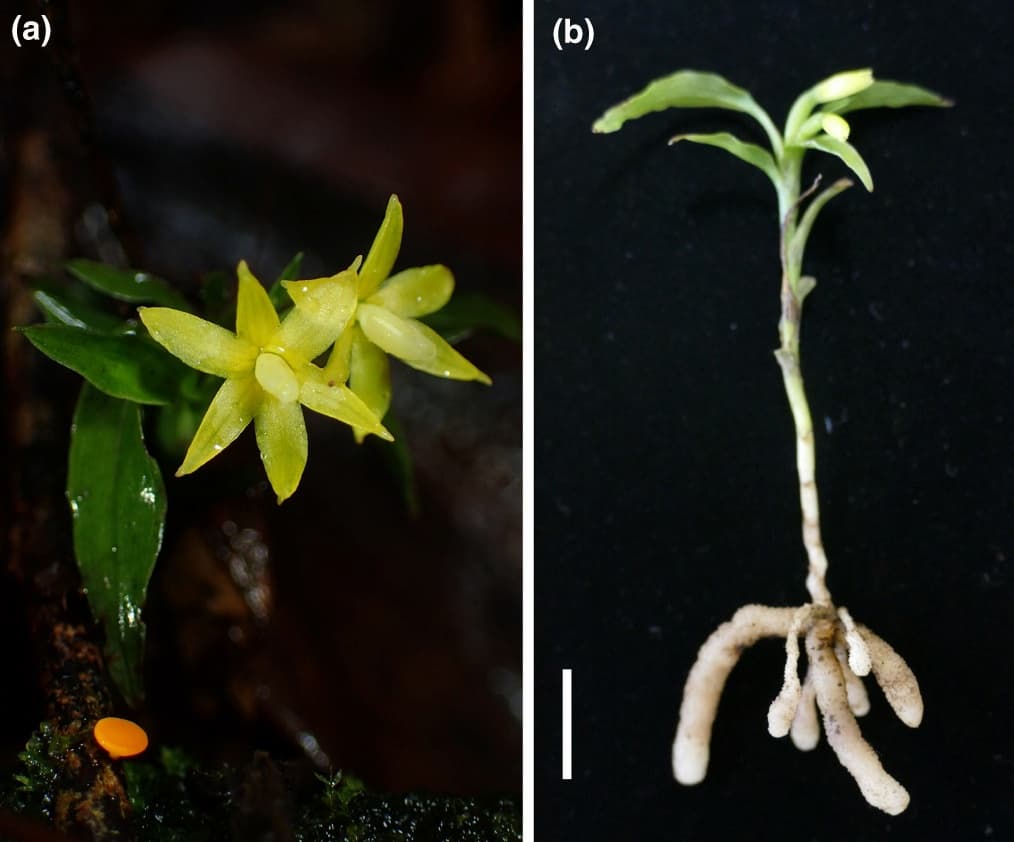
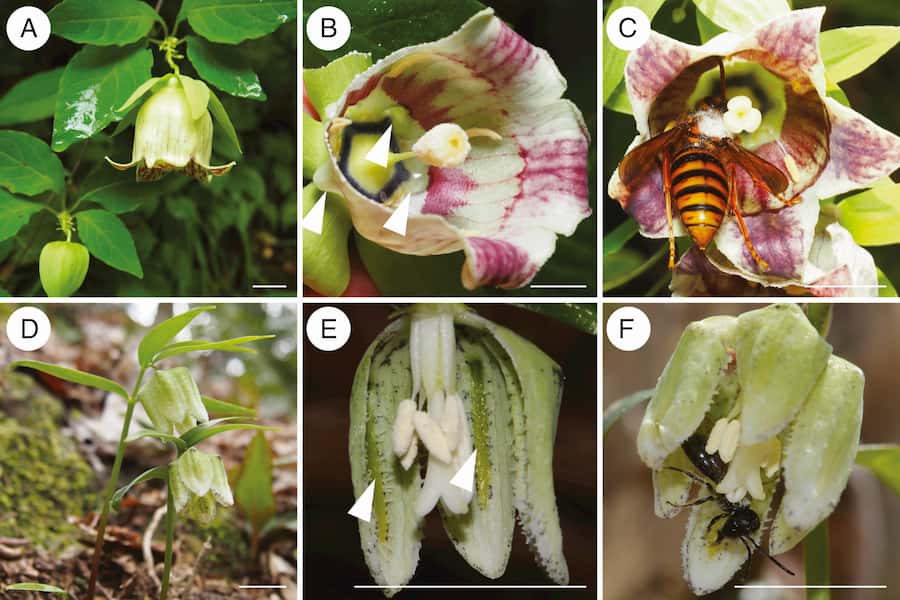
Close Encounters Basal orchid cheats on its fungal partner Apostasia nipponica is the first member of the early-diverging orchid clade found to be using this strategy. Erin Zimmerman 10 Feb 2021
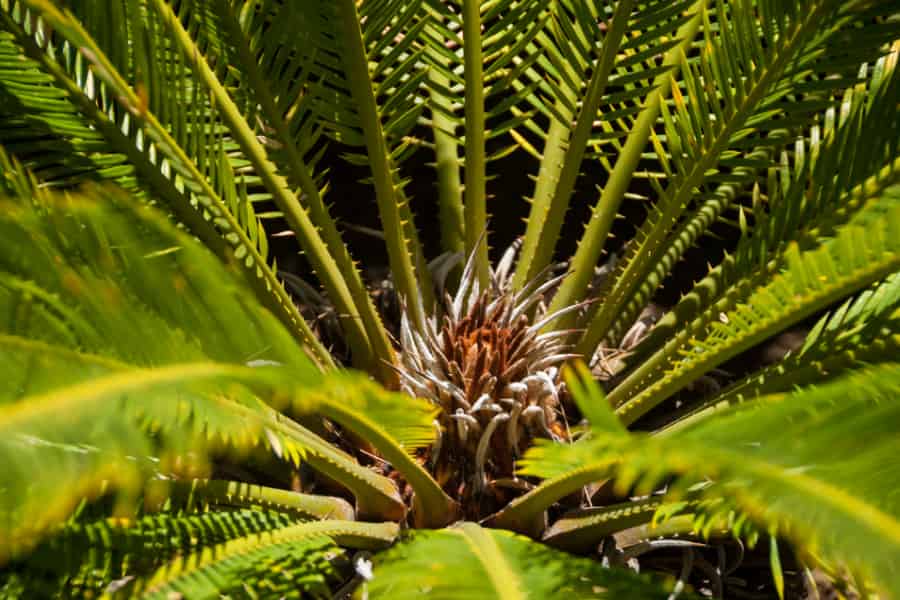
Cells, Genes & Molecules Population genetics may unlock the origins of living cycad specimens The strategy may pave the way for reintroduction work in the future. Erin Zimmerman 07 Feb 2021
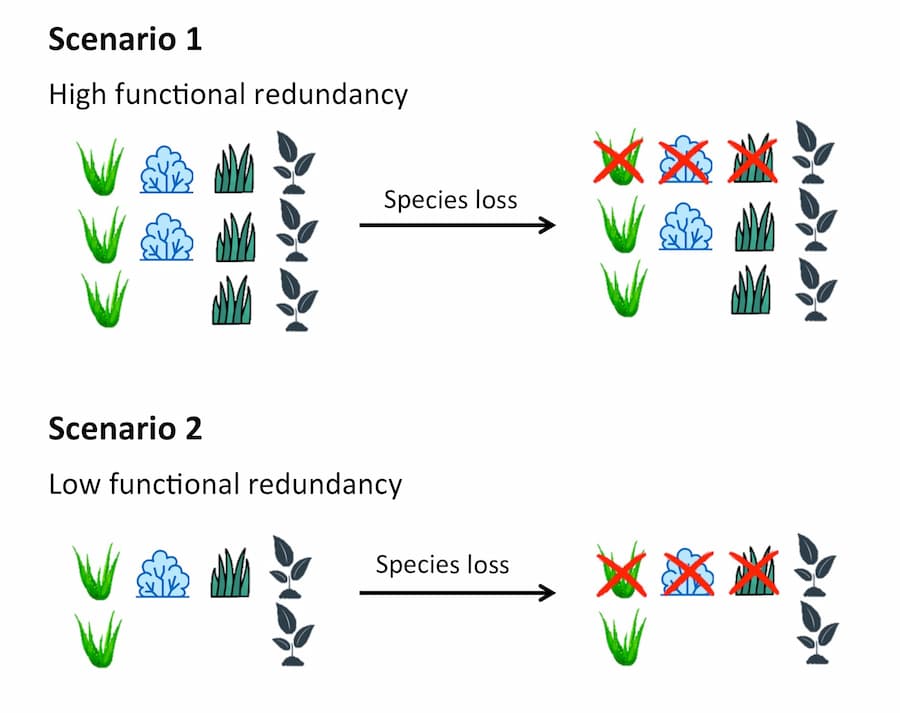
Ecosystems Lomas microrefugia subject to random, but not function-based losses due to lowered rainfall The finding bodes well for the survival of Lomas communities in the Atacama Desert under future climate change. Erin Zimmerman 06 Feb 2021
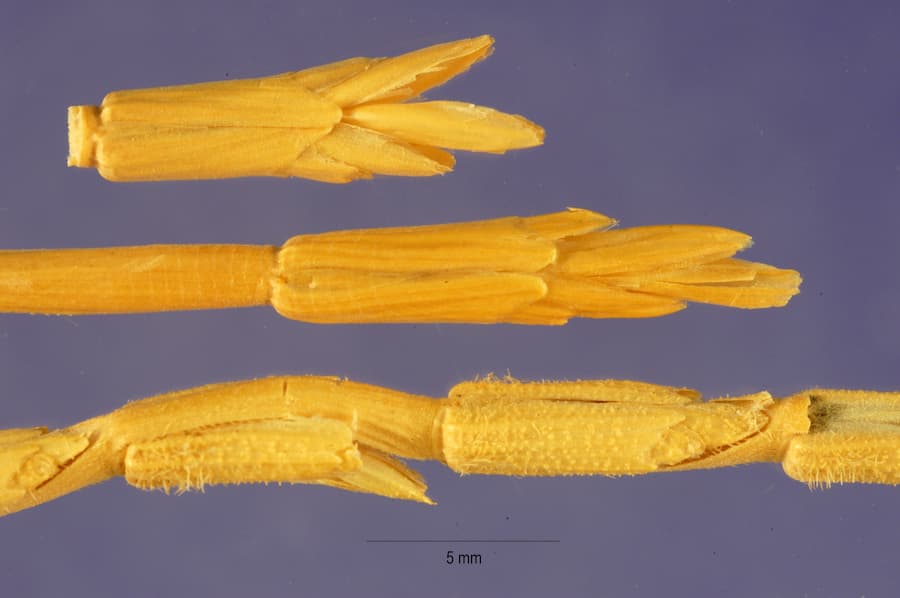
Cells, Genes & Molecules Is shattering in Aegilops longissima controlled by overlapping gene expression? Study authors argue that suppression of one or both genes in different regions of the rachis prevented disarticulation. Erin Zimmerman 03 Feb 2021
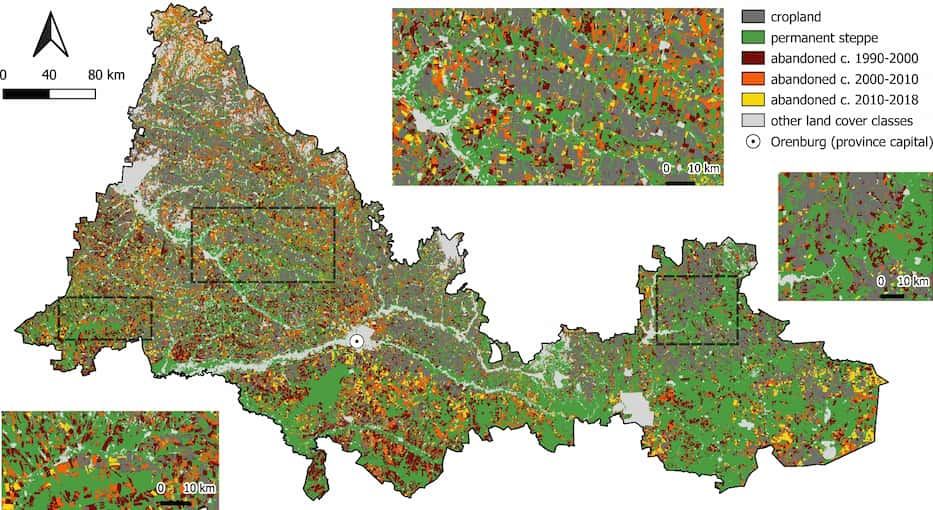
Ecosystems Post-soviet land use change in Russia a driver of restored steppes More connectivity between steppe areas provide corridors for the reintroduction of flora and fauna. Erin Zimmerman 27 Jan 2021
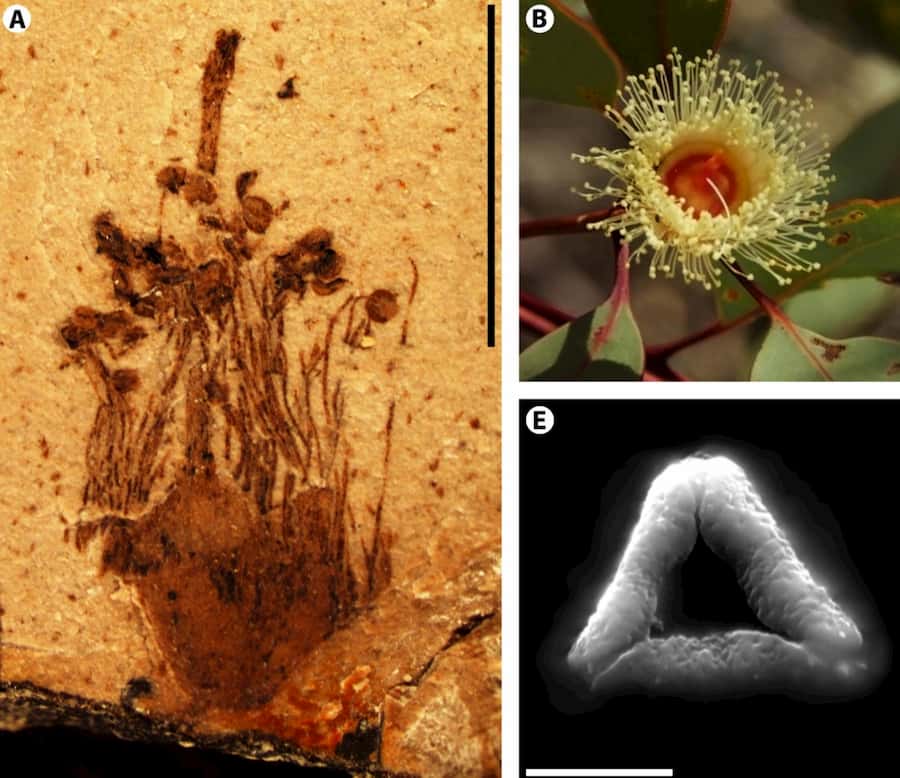
Taxonomy & Evolution Fossil eucalypt species older and more broadly distributed than previously thought This is the first confirmed finding of Myrtaceidites eucalyptoides outside Australia. Erin Zimmerman 20 Jan 2021
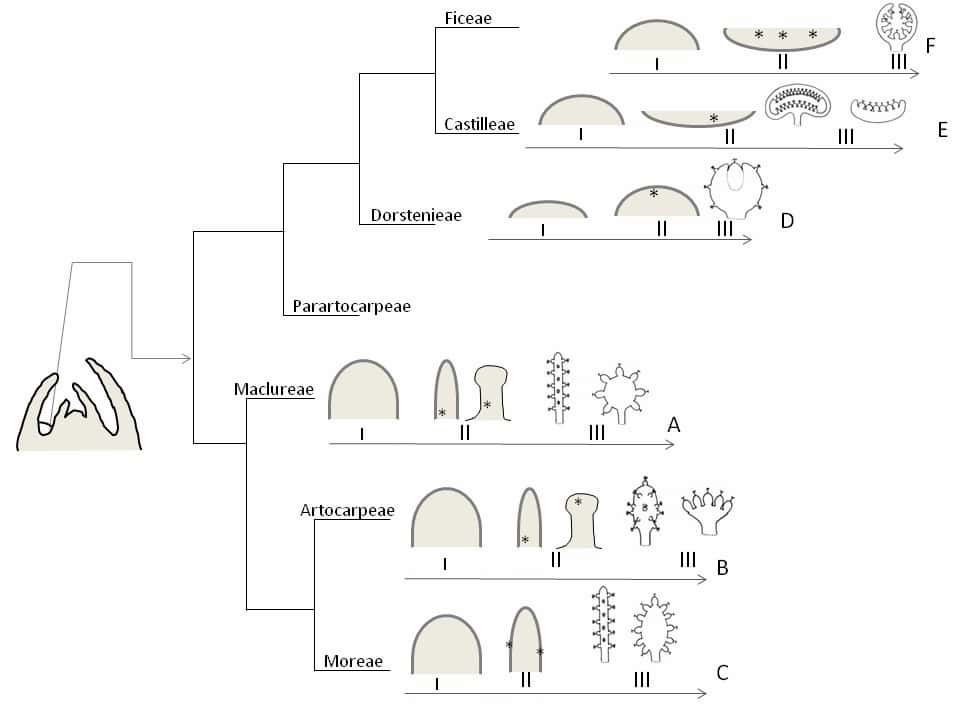
Growth & Development Moraceae inflorescence development highly variable even for similar pollination modes Transitional stages in fig relatives show increasingly enclosed flowers. Erin Zimmerman 19 Jan 2021
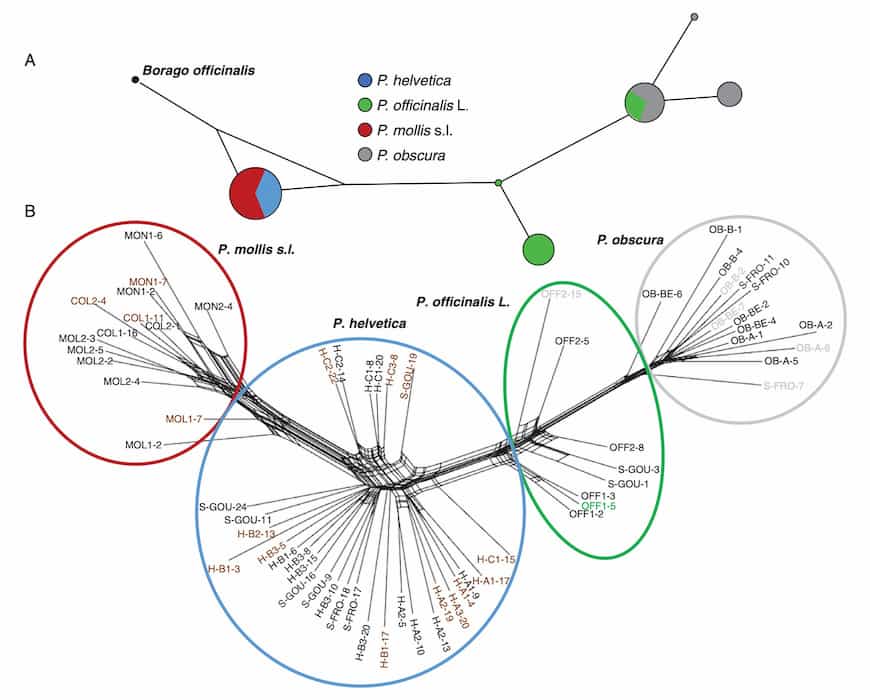
Cells, Genes & Molecules Chromosomal changes more important than niche differentiation in a Pulmonaria hybrid The locally abundant hybrid species is well-defined, but shows weak niche differentiation from its progenitors. Erin Zimmerman 13 Jan 2021
Close Encounters Slippery flowers help deter nectar-stealing ants A wax crystal coating causes ants to slip off, while hornet and bee pollinators can fly right in. Erin Zimmerman 12 Jan 2021
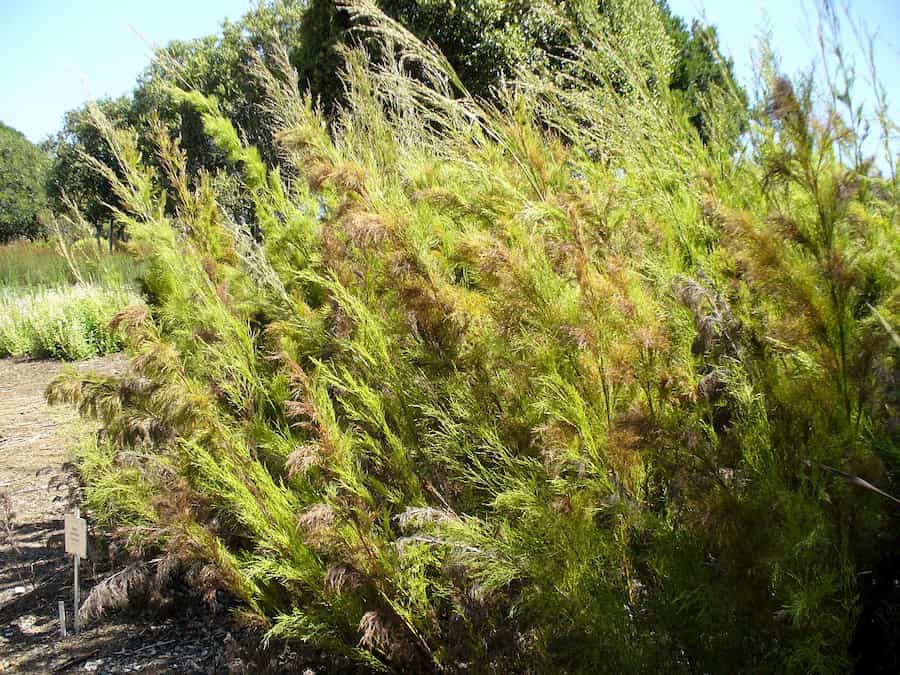
Taxonomy & Evolution Flowering time likely an important driver of speciation in South African Restionaceae Allochrony is one of few ways for wind-pollinated species to achieve reproductive isolation. Erin Zimmerman 07 Jan 2021