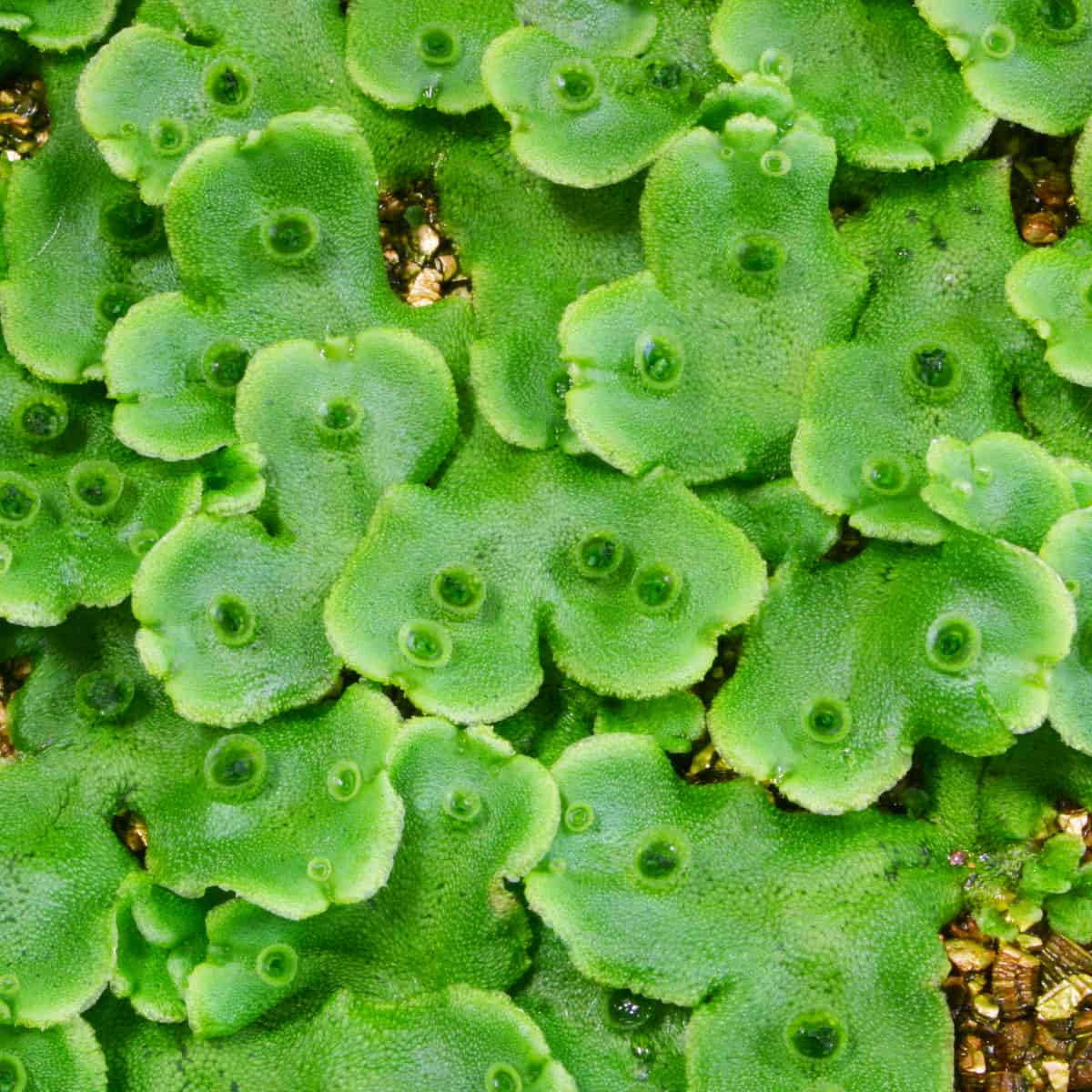
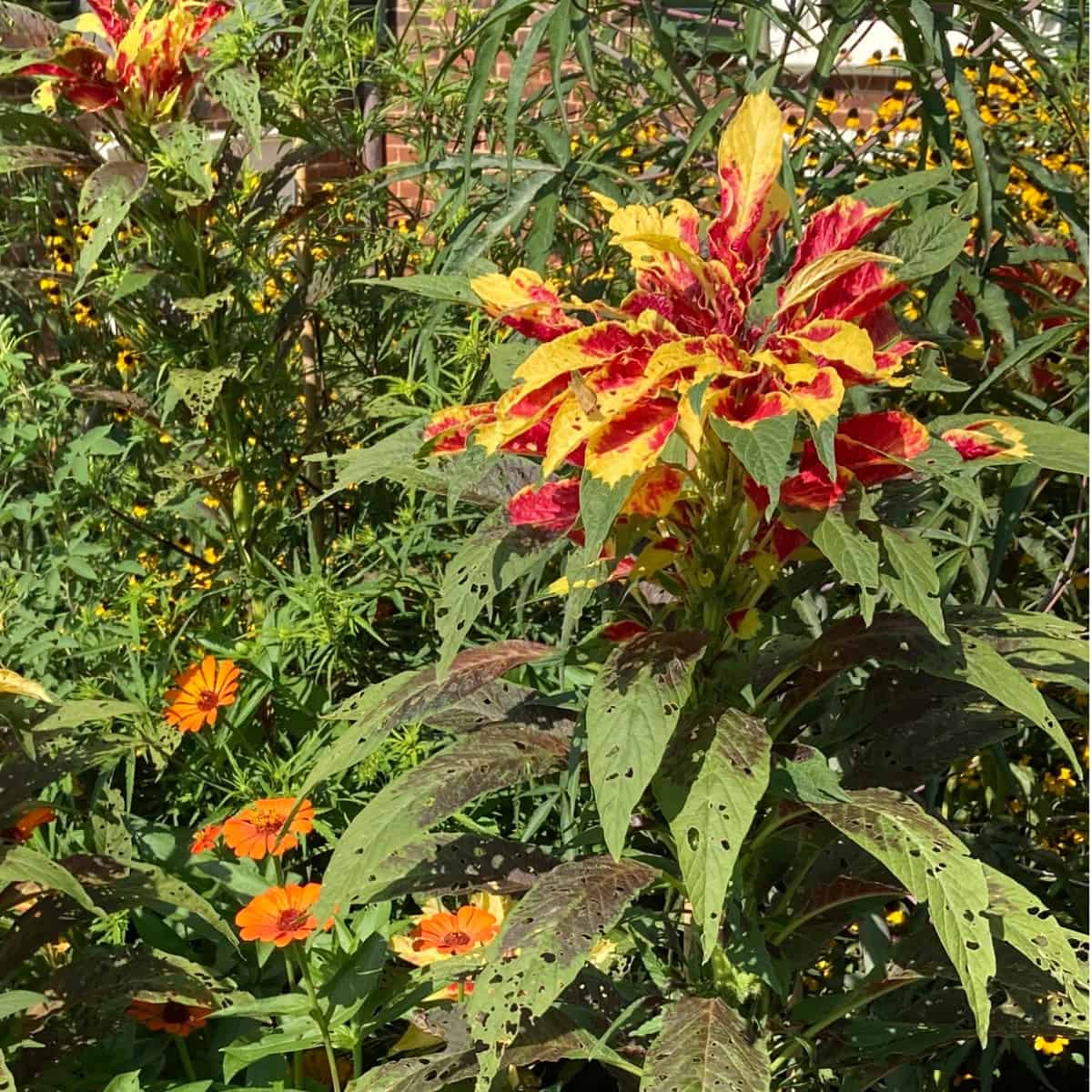
Scientists cracked how plants reproduce without sex. The finding could improve crops and on Earth and beyond. But the key to this discovery comes from a plant that annoys many gardeners.
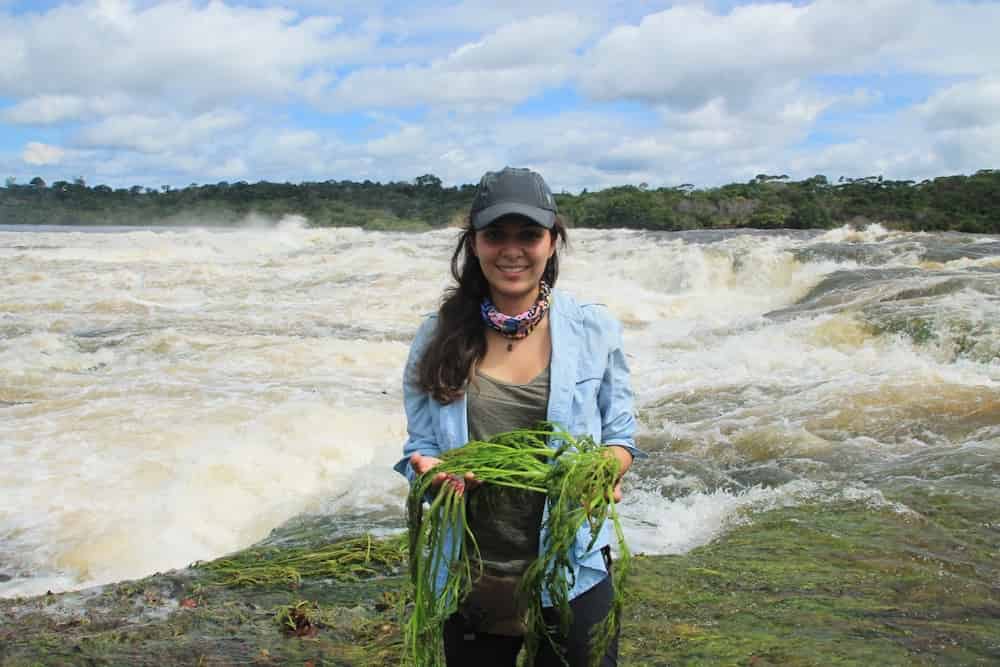
This week we have a project to spotlight women’s role in botany, an interview with Ana Bedoya and her work on aquatic plants, and why flowers are about more than pollinators.
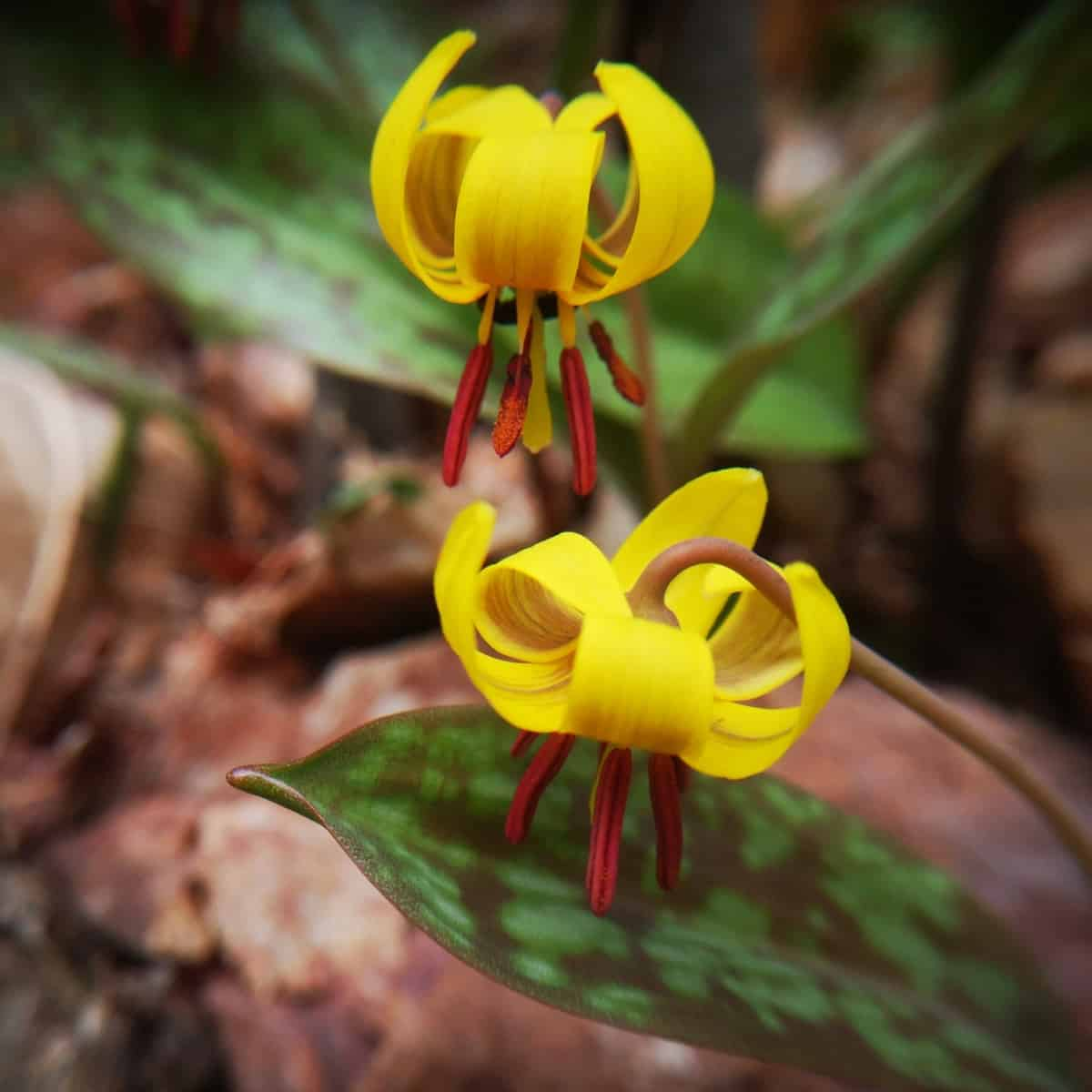
In the forest understorey, Spring fires the starting gun on a race to catch sunlight before the forest canopy fills. But changing climates means different plants now start at different times.
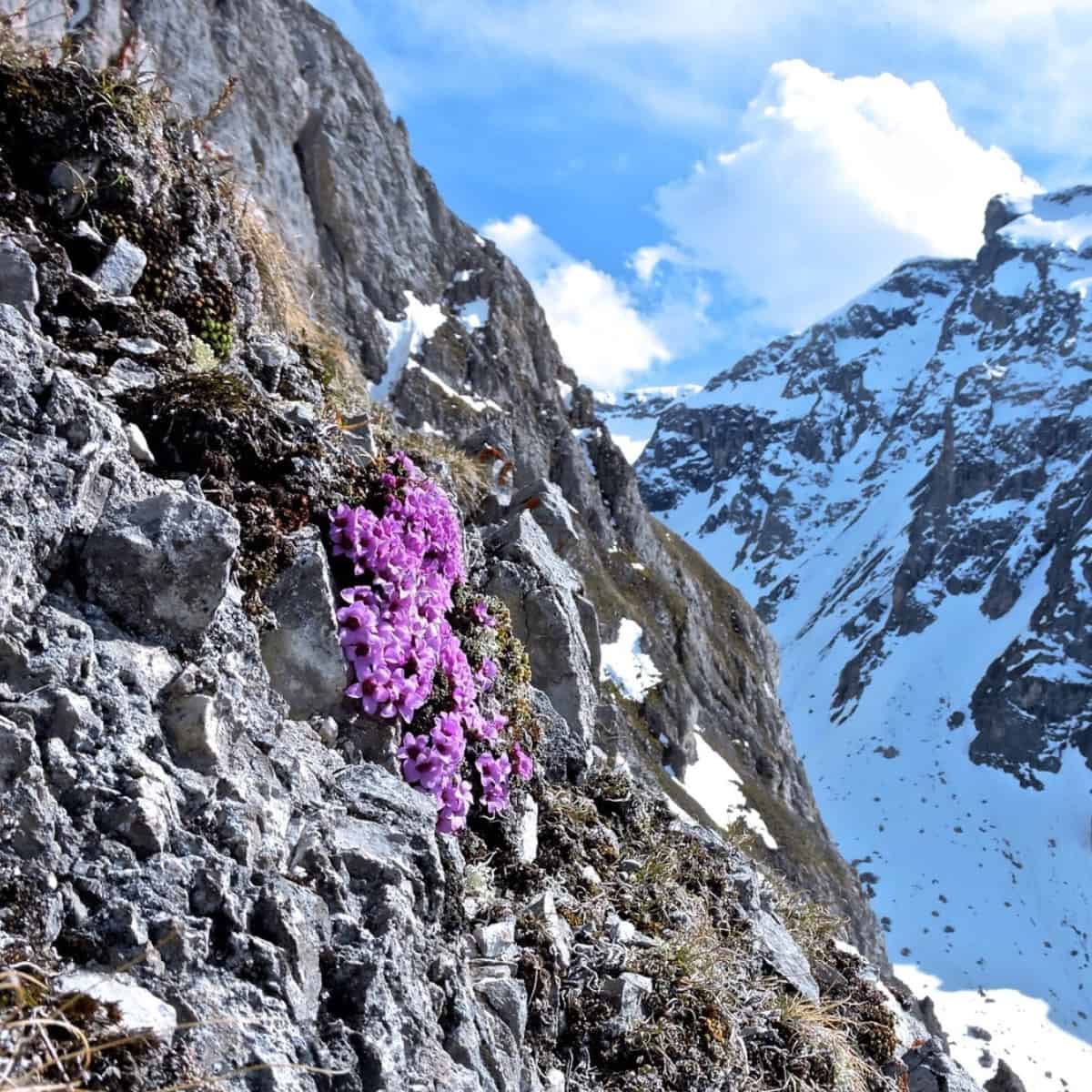
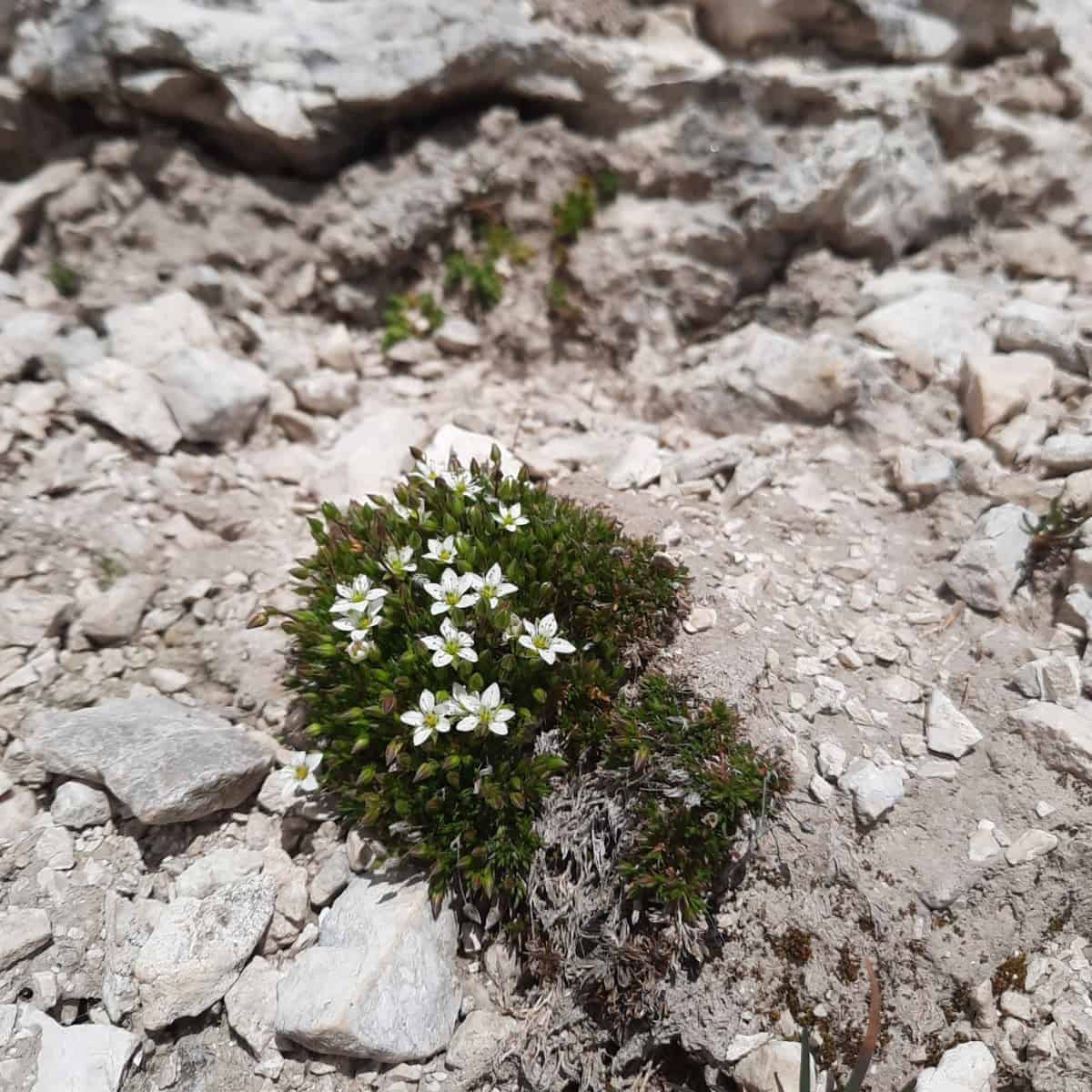
How can isolated trees survive rising heat? Botanists have been looking for microrefugia, small locations with favorable conditions for stressed plants.
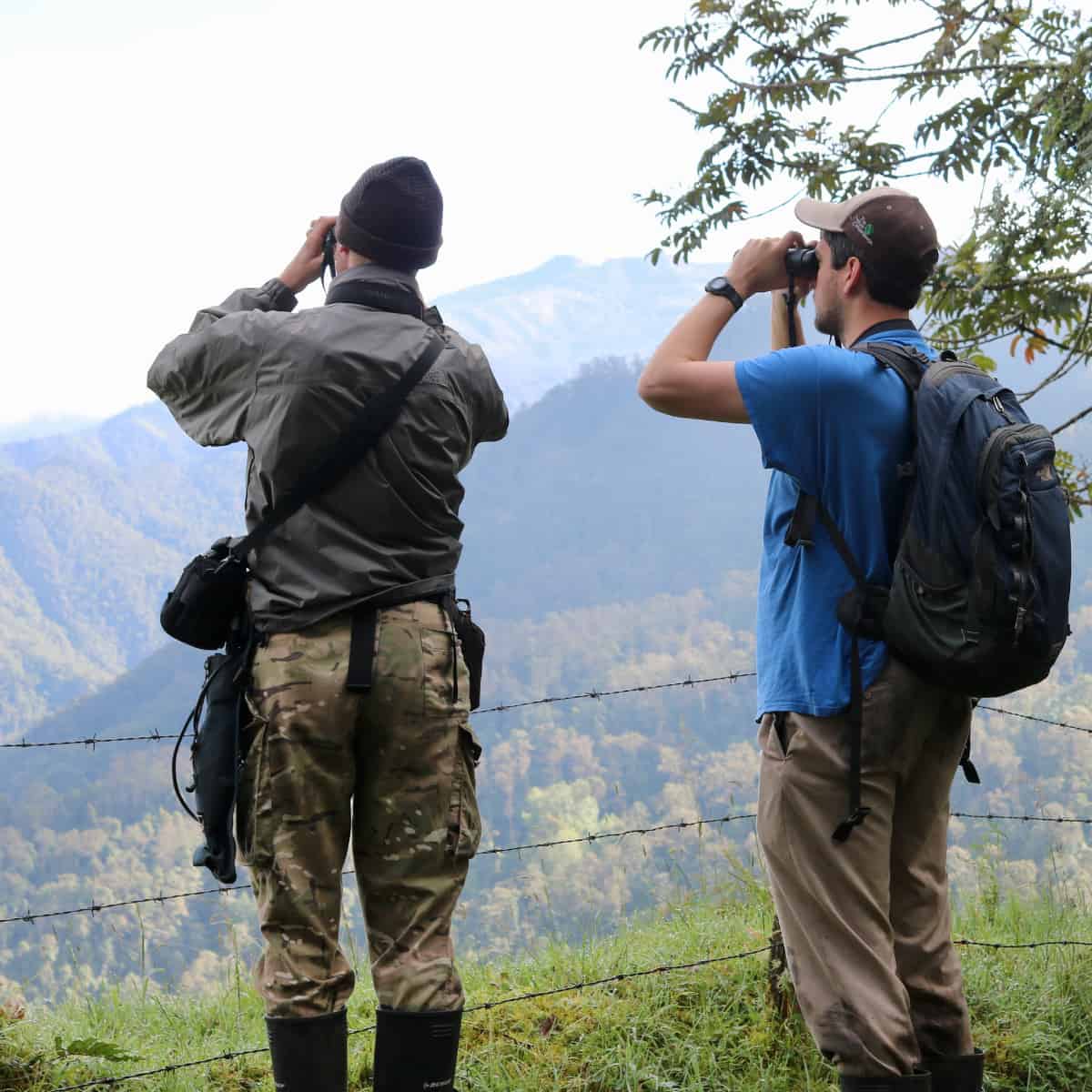
Botanists are hearing an alarm call alerting the world to habitat loss in Colombia, but it’s not a noise that they hear, it’s silence caused by vanishing bird calls marking lost ecosystems.
This week we have gossip from the rhizosphere, why eating melons takes a lot of aardvark, a plant that caters to different pollinators at different times, and more.
The brief Arctic summer is getting briefer. Research using herbaria shows that flowering times are shifting. Not all plants are responding the same way & that’s a problem.
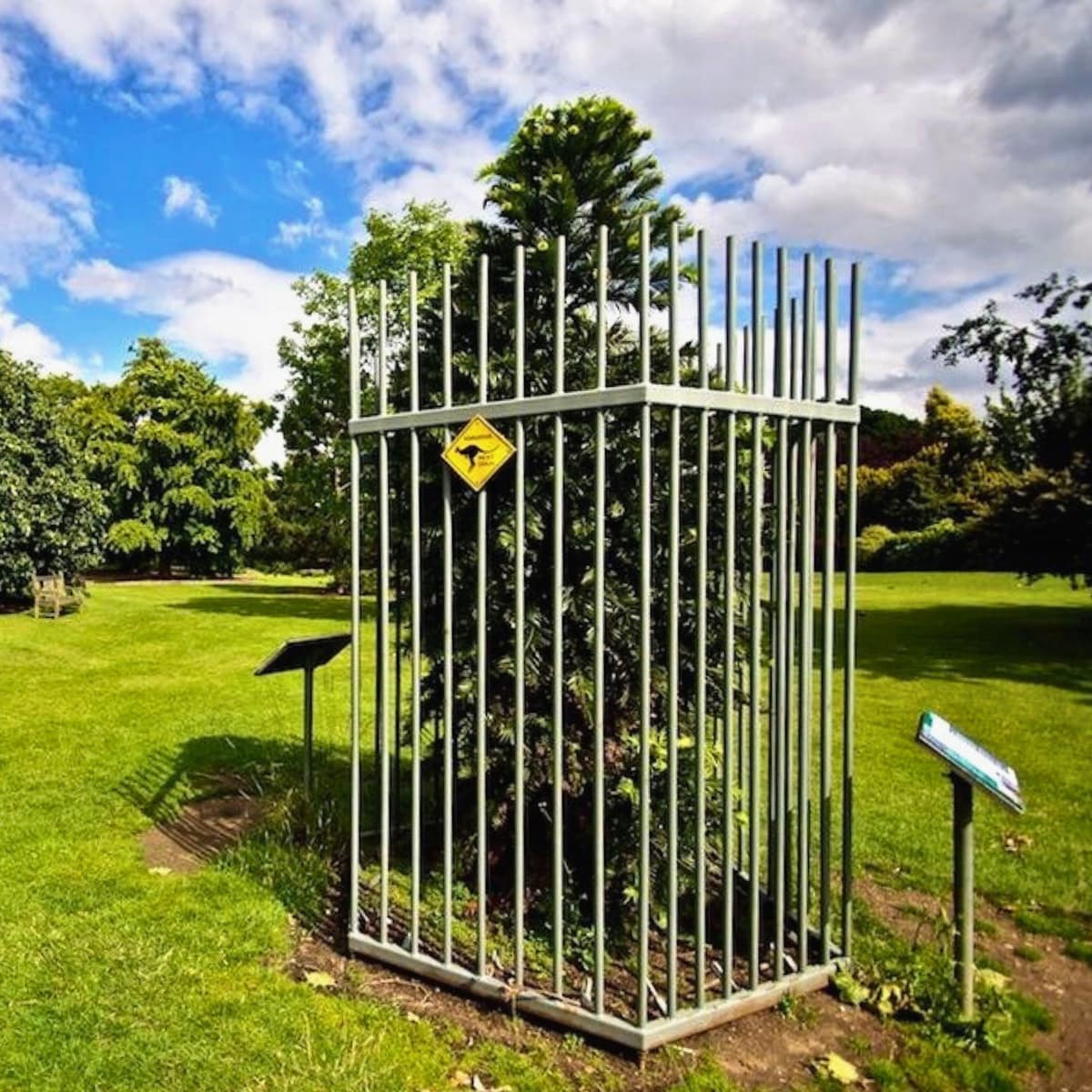
Insurance data suggests plant theft is increasing, spanning local garden crime to international poaching networks threatening conservation efforts and botanic gardens.