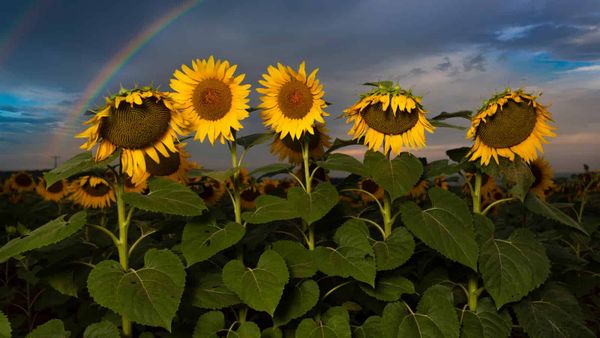
Cells, Genes & Molecules
Photosynthesis on the far side of the rainbow
Light you cannot see, in the infrared part of the spectrum, is surprisingly important for plant photosynthesis.



Writer
Alun (he/him) is the Producer for Botany One. It's his job to keep the server running.
Cells, Genes & Molecules
Light you cannot see, in the infrared part of the spectrum, is surprisingly important for plant photosynthesis.
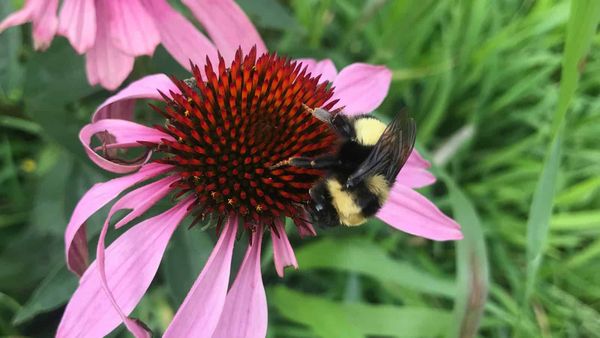
Close Encounters
Guides suggest some species are better than others for pollinators, but when you get to the plant nursery you’re confronted by half a dozen cultivars of the same species. How do you pick between them?
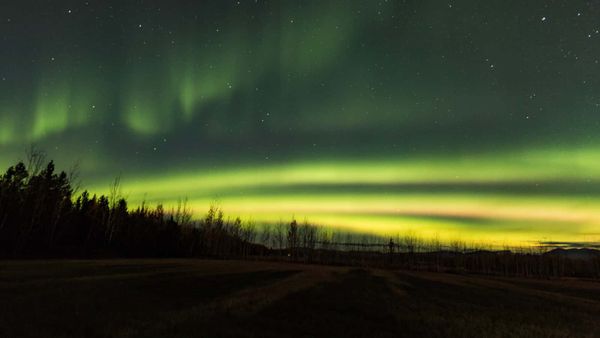
Ecosystems
Fire-adapted trees should be able to take advantage of wildfires, but on the boundary between the boreal forest and the tundra, something odd is happening.
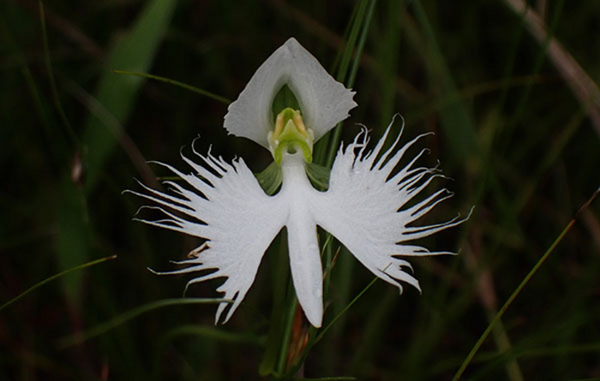
News in Brief
Botanists uncover the reason for an orchid’s delicate shape, deforestation is probably worse than you thought, and a test of killing weeds without herbicide.
Plants & People
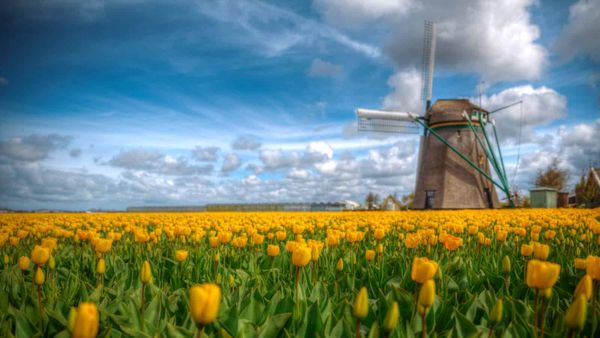
Instead of complaining about the limits of volunteer work, some Dutch botanists have found how to improve their understanding of data from citizen scientists.
News in Brief
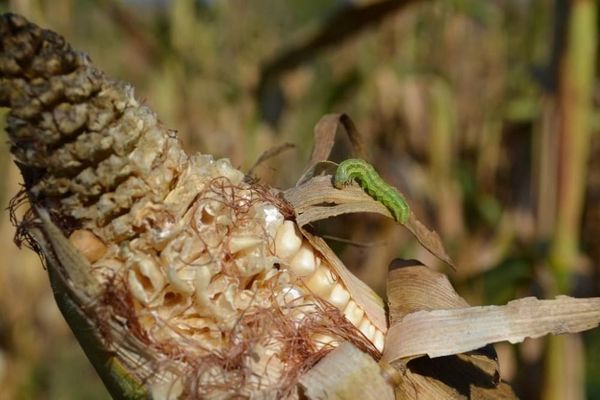
Scientists take different approaches to tackle crop pests, and a well-known plant produces a protein that inhibits tumour growth in mammals.
Ecosystems
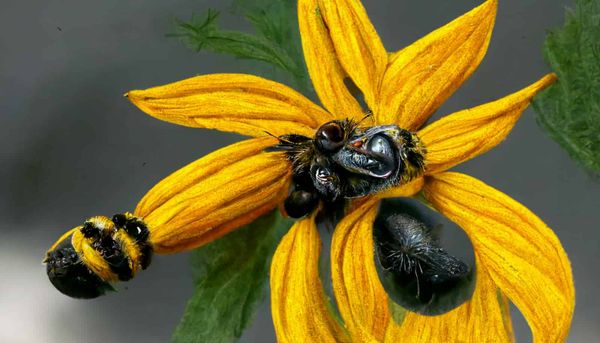
Invasive plants change the opportunities for pollinators, helping some but harming others.
Close Encounters
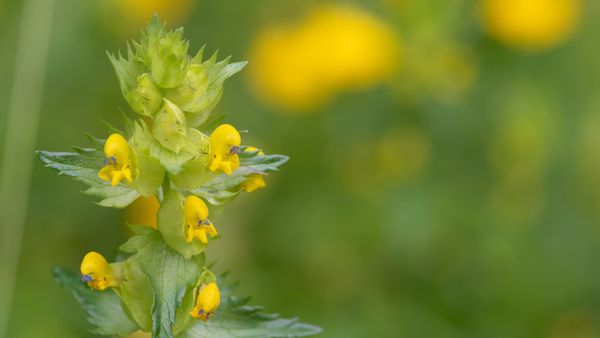
A parasitic plant’s ability to steal carbon rests in their haustoria, specialised organs they use to tap into a host plant.
Ecosystems
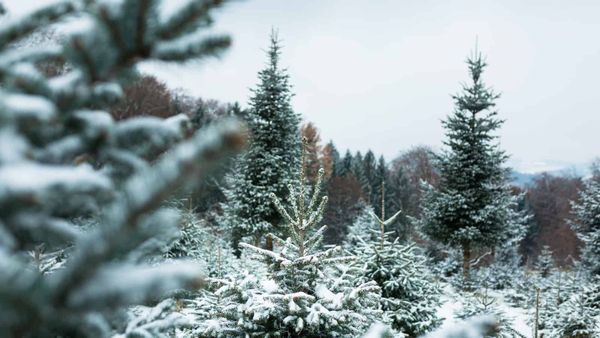
Novel agriculture provides a refuge for some birds driven out of traditional farmland.
Cells, Genes & Molecules
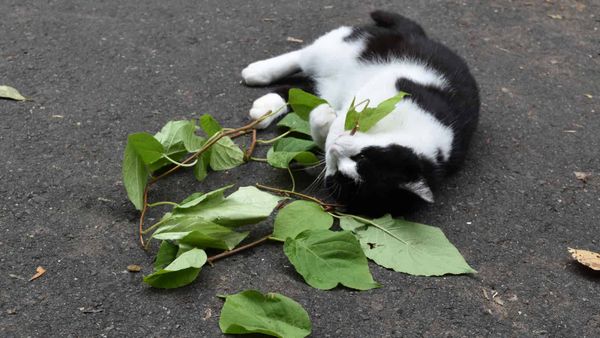
It’s not food, so why would cats chew on catnip and silver vine? Scientists have found cats are improving the plants’ mosquito repellent by damaging the leaves in a specific way.
Growth & Development
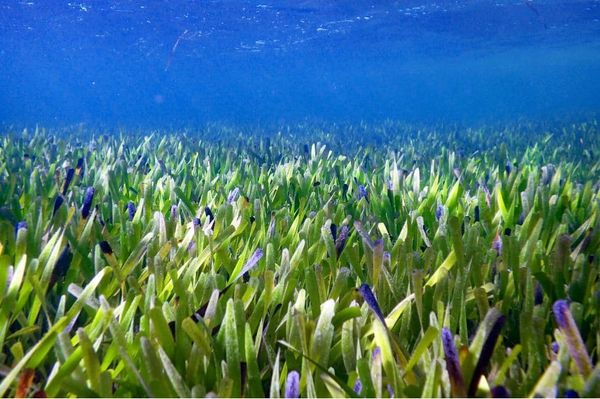
Botanists have discovered the world’s largest plant in Shark Bay, but Shark Bay is unusually salty – so how could a plant thrive there?
Plants & People
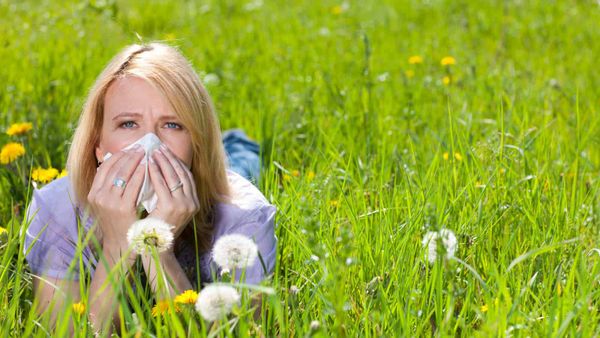
It’s not just the quantity of pollen that’s a problem. It can also be the diversity – and that isn’t helped by invasive species.