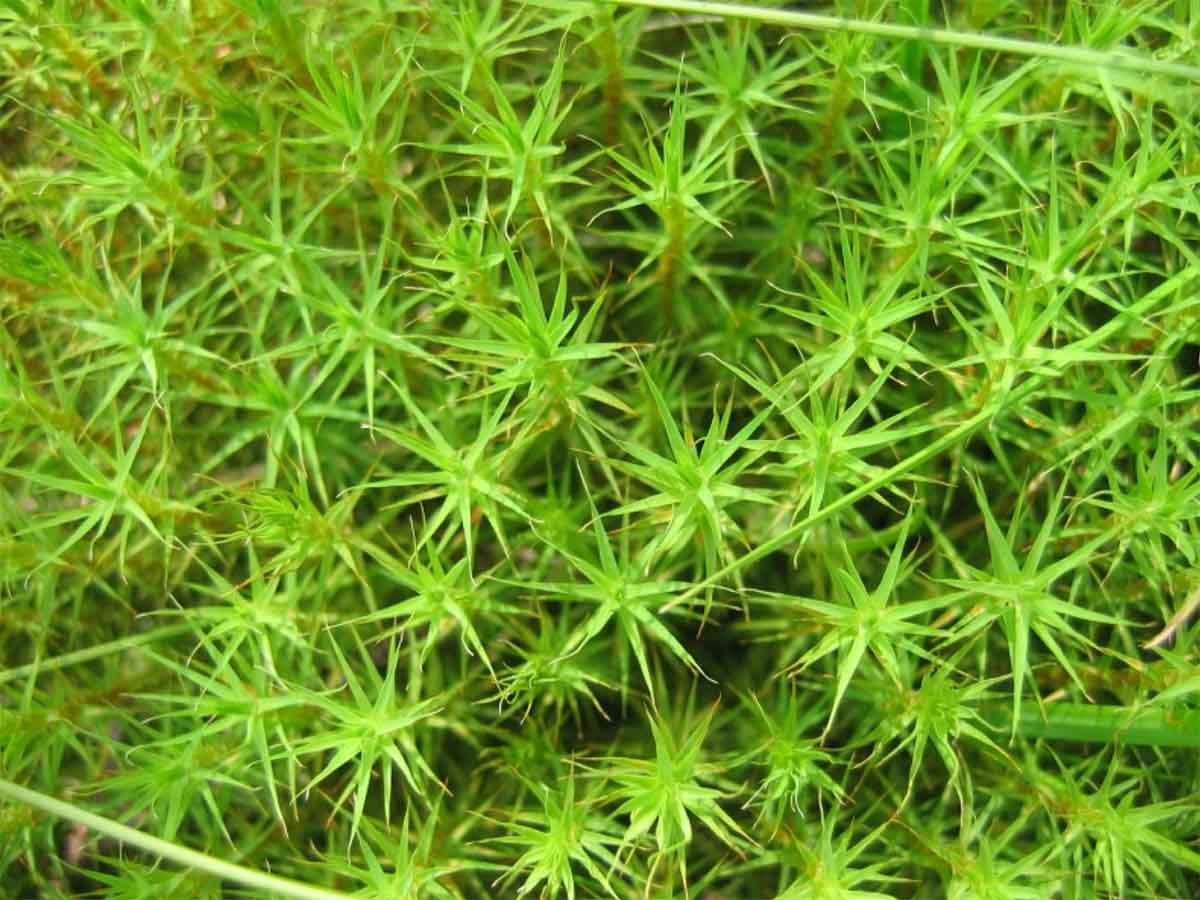

In vascular plants, water and carbon economics are closely coupled. In mosses, this relationship has been little studied but a strong coupling is expected because photosynthesis depends heavily on water content in these plants, i.e. photosynthetic rates are impaired when mosses dry out but also when they get too wet. In a recent study published in AoB PLANTS, Wang & Bader hypothesized that two strategies prevail among mosses; (1) they stay wet and maintain consistent but slow photosynthetic rates, or (2) they dry out quickly to allow short and fast bursts of photosynthesis.
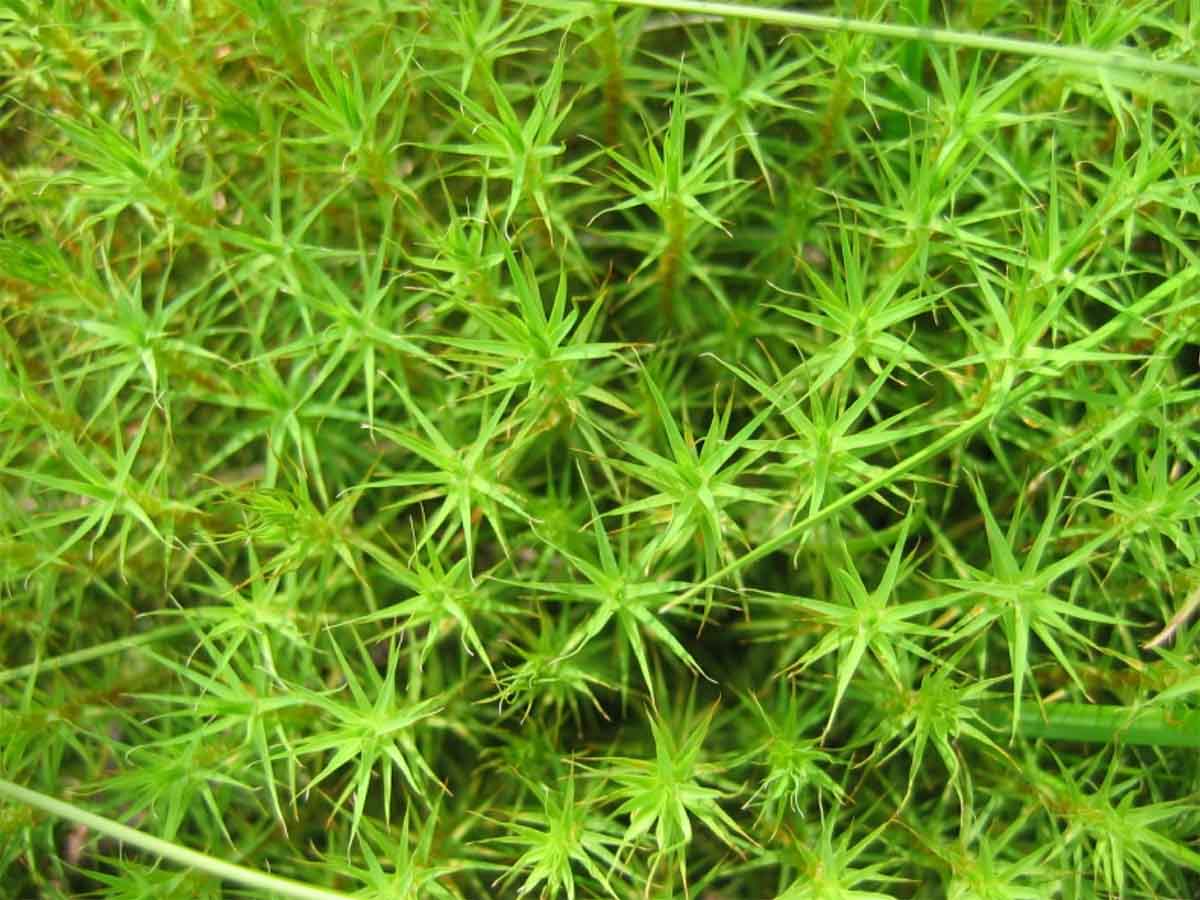
The study investigated the water relations (water holding and retention capcities), photosynthetic water- and light-response curves of shoots of 12 moss species, and explored the associations between these traits and their distributions among the studied species. Water relations and photosynthetic responses to water content were indeed related to each-other, but not to photosynthetic capacities, which were specific to taxonomic groups. The positive relationships between water-holding, water-retention and photosynthetic water-use capacities suggest there are indeed two contrasting adaptations to avoid damage during dehydration: taking more time to ‘prepare’ or quick photosynthetic adjustment. However, the spectrum hypothesized cannot be generalized for all mosses and defining a broader spectrum will require the extension of this study to a much larger number of species and including stand-level measurements of water loss and photosynthesis. Further tests of these and other trait relationships in mosses promise an exciting new view on plant strategies for coordinating water and carbon relations.