


Scientists found proof of sweet potato (kūmara) growing alongside other Pacific crops at an ancient Maori garden site in Aotearoa / New Zealand’s South Island. The study, by Barber & Waikuini Benham, shows that early Maori grew sweet potato, taro, and yam together in the 1300s. This shows sweet potato reached Aotearoa / New Zealand much earlier than previously thought.
Back in the distant past when I was studying archaeology, sweet potato could be guaranteed to annoy a certain type of archaeologist. There is a belief that the only transatlantic contact that really counts, started with Columbus. People grudgingly accepted that the Vikings went to America, but the idea of pre-Columbian contact with non-Europeans has been controversial. However, sweet potatoes (and chicken) show there must have been some pre-Columbian contact between Polynesia and the Americas.
American Sweet Potato, Ipomoea batatas, sticks out in Polynesia as most vegetables used by Polynesians were distinctly Asia-Pacific in origin. It first appears in eastern Polynesia around 900 CE and spreads from there. How it got to eastern Polynesia has been debated, with some people talking about seed resistance to salinity, to argue it arrived naturally. Against this, Ipomoea batatas appears to have a different spread to other Ipomoea species, which is consistent with human transport. Also, if you accept there is human transport of Ipomoea batatas, then you have a much easier time explaining how Bottle Gourd, Lagenaria siceraria, arrived in Polynesia too.
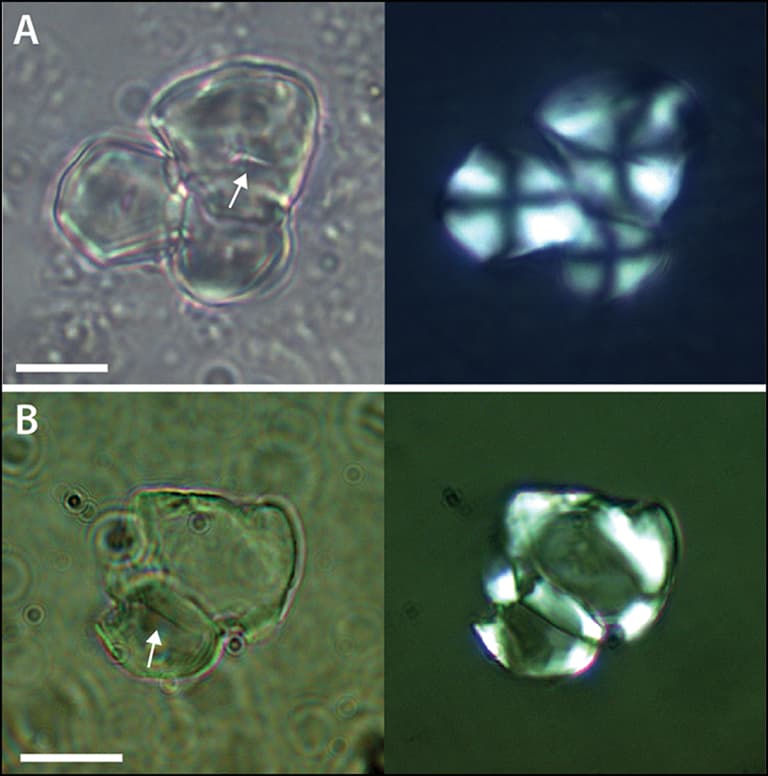
Barber & Waikuini Benham studied a site at Te Tau Ihu, northern Te Waipounamu / South Island. Here they investigated planting pits. What they were looking for were microscopic starch grains preserved in the soil from ancient garden plots which they put under the microscope. They also looked at the shape and depth of the planting holes, almost like looking at the archaeological shadow cast by agriculture. Dating was done by radiocarbon dating preserved wood fragments found in the garden layers.
Dating shows this garden was actively used between 1310-1390 CE, right when the first Maori settlements were being established. In the earliest days of occupation, the site had produced a mix of foods, including taro and yam as well as sweet potato. However, as the conditions changed, so did the produce. When the climate turned colder and wetter after 1650, it was only the hardier sweet potato that continued to be cultivated.
The findings show how skilled these first Maori settlers were at adapting their agricultural knowledge to new conditions. Aotearoa was unlike other islands the Polynesians had settled, being further away from the tropics. The site shows evidence of careful experimentation, with farmers creating different types of planting areas to suit each crop’s needs – a sophisticated approach to establishing which plants would work best in this new southern environment.
Existing views have assumed the first settlers turned instead to forage for the flightless moa, other birds and marine animals, with kūmara only becoming important later, especially in warmer areas central to northern Aotearoa New Zealand. However, as Prof. Ian Barber says in a press release. “The Otago research now challenges standard archaeological assumptions that the first Polynesian settlers of Aotearoa, and Te Waipounamu especially, abandoned tropical horticulture largely if not entirely. In short, kūmara was not a colonisation after-thought in Aotearoa.”
While the study is about the past of Aotearoa, the findings could say a lot about the future. Currently sweet potato is the world’s fifth most important edible crop but is under threat of climate and other environmental change in many parts of the world, Professor Barber says. “New knowledge from the past as well as the present may yet support food security science targeting sweet potato production. Archaeological knowledge of these ancient technologies might yet inform modern efforts to improve natural hardiness and nutrition in sweet potato.”
Barber, I.G., & Benham, R.W. 2024. American sweet potato and Asia-Pacific crop experimentation during early colonisation of temperate-climate Aotearoa/New Zealand. Antiquity 98(401): 1376-1394. https://doi.org/10.15184/aqy.2024.143 (OA)