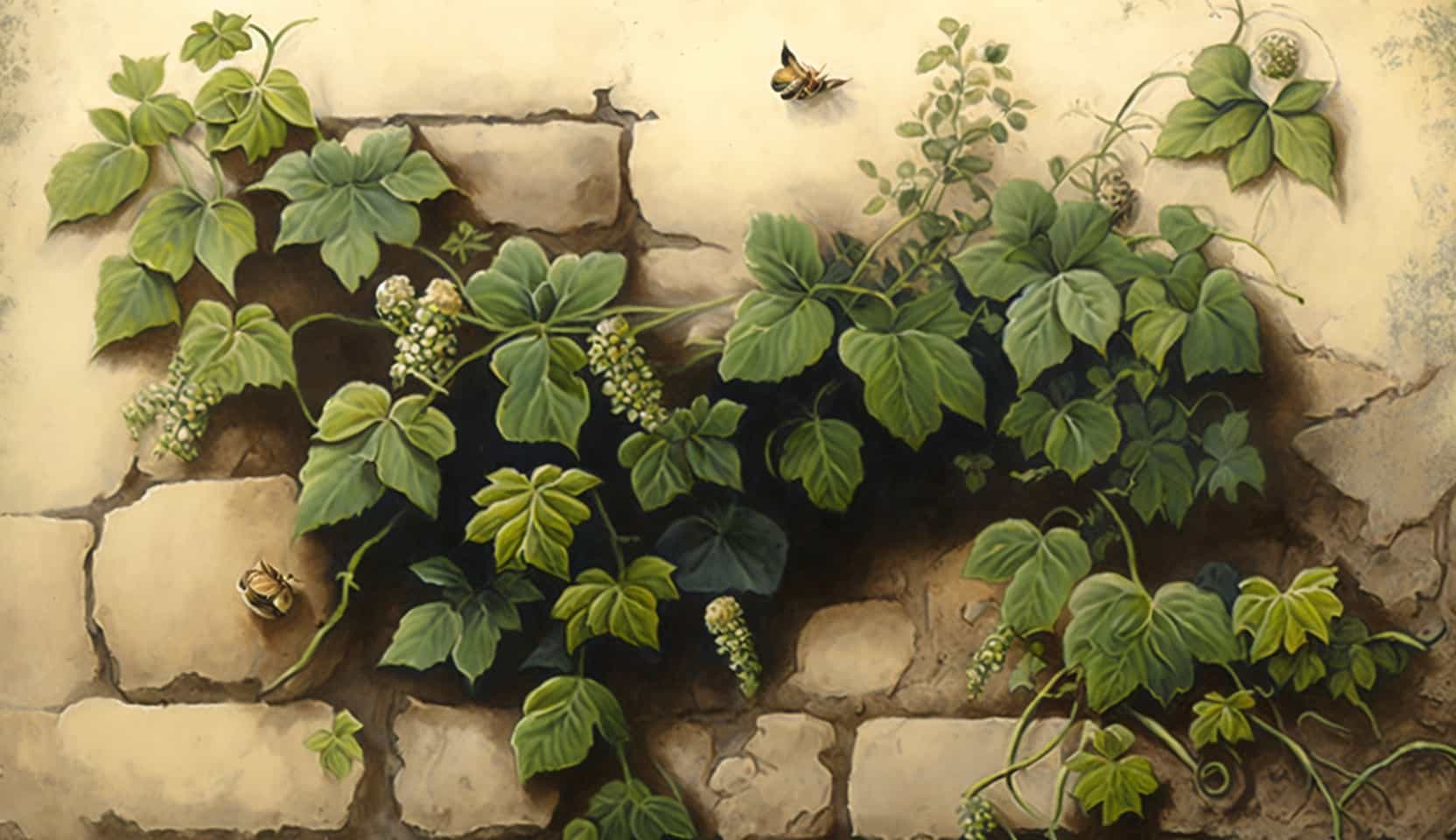



A recent study published in Ecological Entomology by Harris and colleagues sheds new light on the complex relationship between pollinators and their floral resources. While it is widely known that declining nectar and pollen availability contributes to pollinator decline, this research suggests that a significant proportion of floral resources go uncollected during autumn, particularly from ivy (Hedera helix), a common native plant in Britain.
Ivy plays a crucial role in the ecosystem as the primary source of nectar and pollen for pollinators during autumn when other food sources are scarce. The researchers set out to quantify the amount of wasted floral resources, mainly nectar and pollen, produced by ivy during this period. Surprisingly, 59% of nectar and 44% of pollen were left uncollected by the flower-visiting insect community in autumn.
This study is the first to directly measure the proportion of uncollected floral resources during a season. The researchers compared the mass of nectar sugar in insect-accessible versus inaccessible ivy flowers and surveyed the presence of wasted, crystallized nectar on flowers. Pollen wastage was assessed by comparing pollen counts on anthers at the start of anthesis, the period when a flower is fully open and functional, versus anthers dropped from ivy flowers.
These results indicate that a significant proportion of all floral resources in autumn are wasted, raising new questions about the conservation of bees and other flower-visiting insects. The findings highlight the importance of considering seasonal variations in floral resources when devising strategies for pollinator conservation.
The reasons behind this surplus of unused resources remain unclear. Harris and colleagues write:
In Britain, spring (March–May) and autumn (September–November) generally have lower levels of resource competition due to highly abundant food sources including mass-flowering crops in spring (Westphal et al., 2009), and fewer insects on the wing (Balfour et al., 2018). Models of landscape-scale nectar supply and demand have estimated a net oversupply of nectar during spring, and a deficit during summer (Timberlake et al., 2019). Autumn is also suggested to have increased per capita resource supply, given that decoded honeybee waggle dance distances indicate a decline in mean foraging distances from summer (c.2 km, July–August) to autumn (c.1 km, September–October), indicating relatively better foraging conditions in autumn (Couvillon, Schürch, & Ratnieks, 2014b). This change is due mainly to the flowering of ivy, Hedera helix (Couvillon, Schürch, & Ratnieks, 2014b), a widespread plant common in both urban and rural landscapes and is the primary pollen and nectar source during autumn (Garbuzov & Ratnieks, 2014b; Timberlake et al., 2019). Due to increased resource supply and reduced demand during spring and autumn (Couvillon, Schürch, & Ratnieks, 2014b; Timberlake et al., 2019; Wignall, Campbell Harry, et al., 2020b), a large proportion of floral resources produced by ivy may be uncollected by the flower-visiting insect community and be ‘wasted’.
Harris et al. 2023
Regardless of the causes, the study’s findings have important implications for pollinator conservation efforts. If a significant proportion of floral resources remains uncollected in autumn, then efforts to increase the availability of nectar and pollen during this season may not be as effective as previously thought. Conservationists may need to focus on other factors, such as habitat restoration, to support pollinator populations.
The study by Harris and colleagues is a step in understanding the complex dynamics of pollinator-resource interactions during different seasons. The discovery of a significant surplus of wasted nectar and pollen during autumn challenges conventional wisdom about pollinator conservation and underscores the need for a more nuanced understanding of pollinator-resource dynamics throughout the year.
READ THE ARTICLE
Harris, C., Ferguson, H., Millward, E., Ney, P., Sheikh, N. and Ratnieks, F.L.W. (2023) “Phenological imbalance in the supply and demand of floral resources: Half the pollen and nectar produced by the main autumn food source, Hedera helix, is uncollected by insects,” Ecological Entomology. Available at: https://doi.org/10.1111/een.13231.