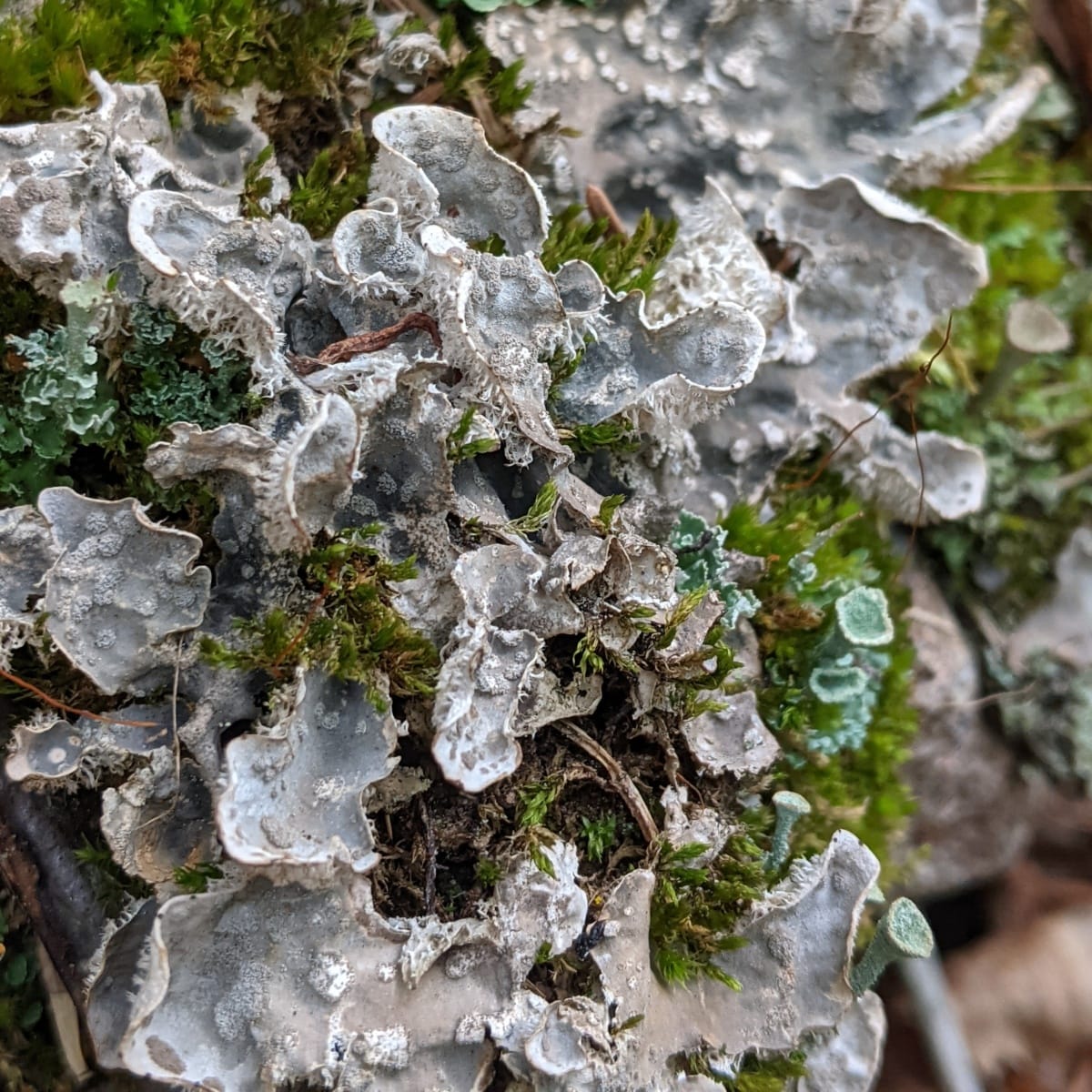



A recent study conducted by Miller and colleagues in Mount Rainier National Park (Washington, United States) revealed that the presence and intense use of trails are associated with a sharp decline in the diversity of lichens and bryophytes —a group of non-vascular plants that includes mosses, liverworts and hornworts— which are often overlooked despite their fundamental role in ecosystem functioning. By investigating these communities in different environments of the park, the researchers observed that diversity decreases drastically in the vicinity of trails and that rare species may disappear completely in areas subject to trampling by visitors.
The study was carried out in four widely visited areas of the park where researchers established transects perpendicular to trails and camping areas, extending up to 40 meters from them. In addition, random surveys and targeted searches were conducted to detect rare species.
In total, 475 taxa were recorded, including 203 lichens, 195 mosses and 77 liverworts. Among these, 24 species were considered potential targets for conservation, some known from fewer than six records worldwide.
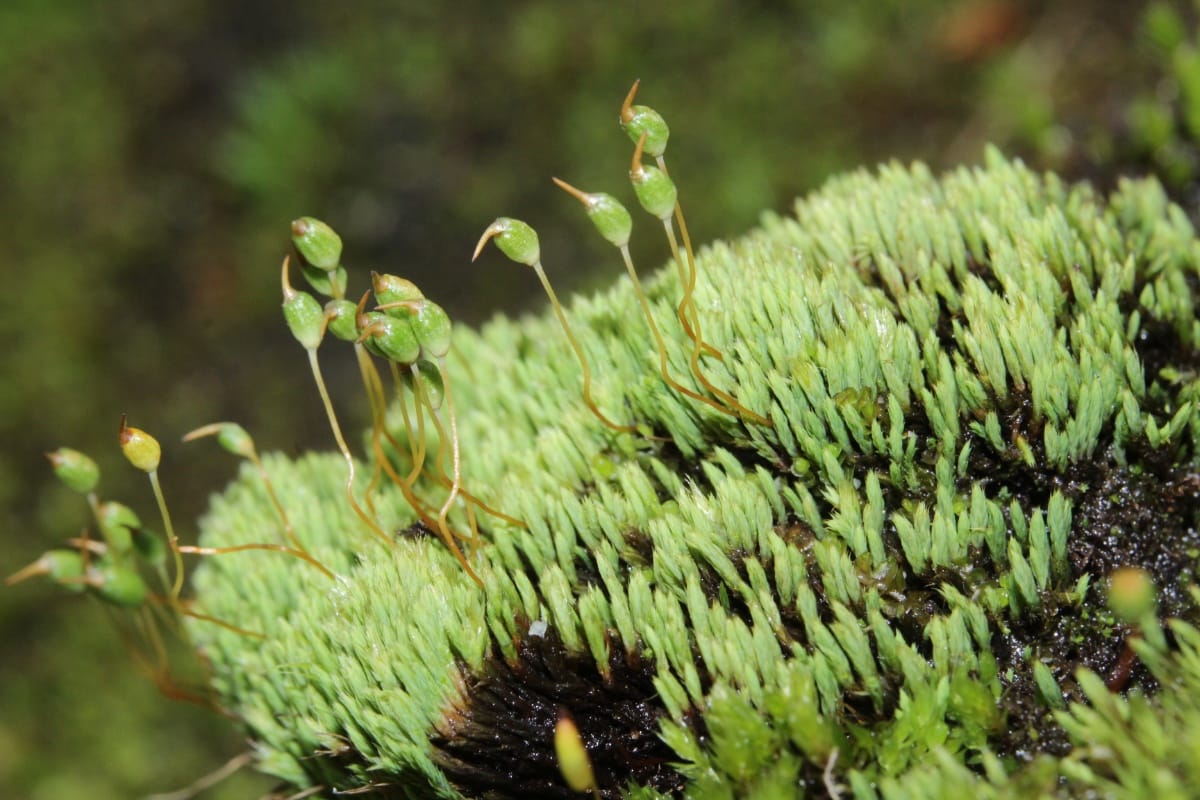
The results revealed a clear pattern: species richness gradually increases with distance from trails, and this effect can be detected even tens of meters away. In alpine areas, lichens and mosses were the groups most affected in the vicinity of trails, while liverworts showed more modest reductions. In forest areas, the trend was similar, although less pronounced. The degree of trampling also had a strong influence, as locations more frequently used by visitors showed communities significantly poorer in species.
In addition to distance from trails, environmental factors also helped explain the distribution of these communities. Wetter, steeper and colder slopes with greater rocky cover concentrated higher diversity and a greater occurrence of rare species, especially in alpine environments. Community composition varied predictably in relation to variables such as hydrology, slope, heat load and vegetation cover. Even so, these factors explained only part of the observed variation, suggesting that many of these organisms occupy extremely specific ecological niches that are difficult to capture in large-scale surveys.
The results have important implications for the management of protected areas. Impacts were particularly intense in alpine environments, where the slow growth of cryptogams makes recovery after disturbance an extremely slow process. Rare species tend to occur in little-disturbed microhabitats, suggesting that measures such as rerouting trails or installing raised boardwalks could help reduce damage.
What appears to be a narrow strip of disturbed ground can ripple outwards, reshaping entire communities of overlooked organisms. As visitation continues to rise, the challenge is no longer simply protecting landscapes, but managing the subtle pressures we place on them. Protecting these communities will depend not only on preserving large areas, but on managing where and how we walk within them
READ THE ARTICLE:
Miller JED, Villella J, Kofranek D, Clark J. 2026. Recreational trails reduce lichen and bryophyte diversity and the occurrence of rare species. Journal of Applied Ecology 63. https://doi.org/10.1111/1365-2664.70298
Portuguese translation by Pablo O. Santos.
Cover picture: Peltigera extenuata by Benoit Renaud (Wikicommons).