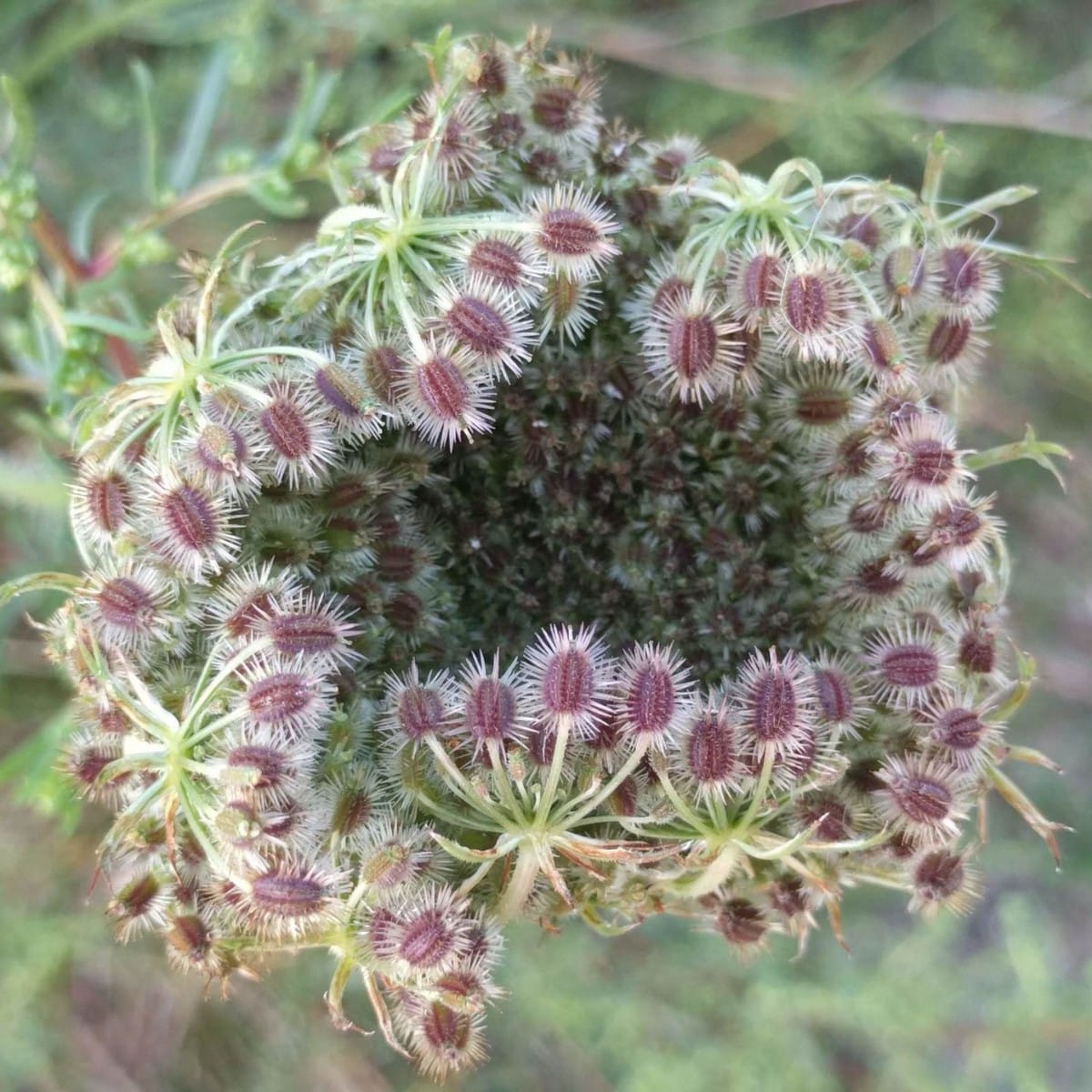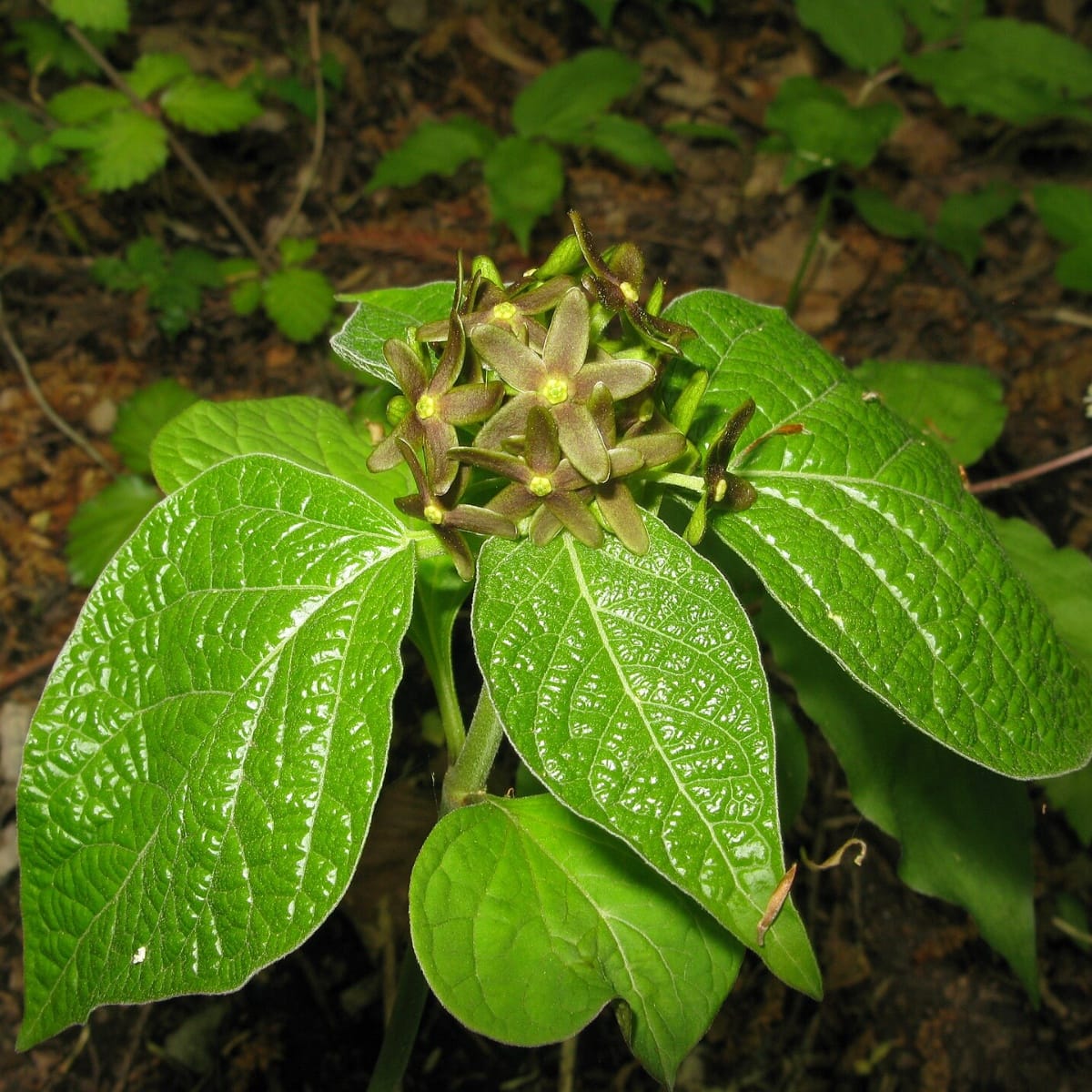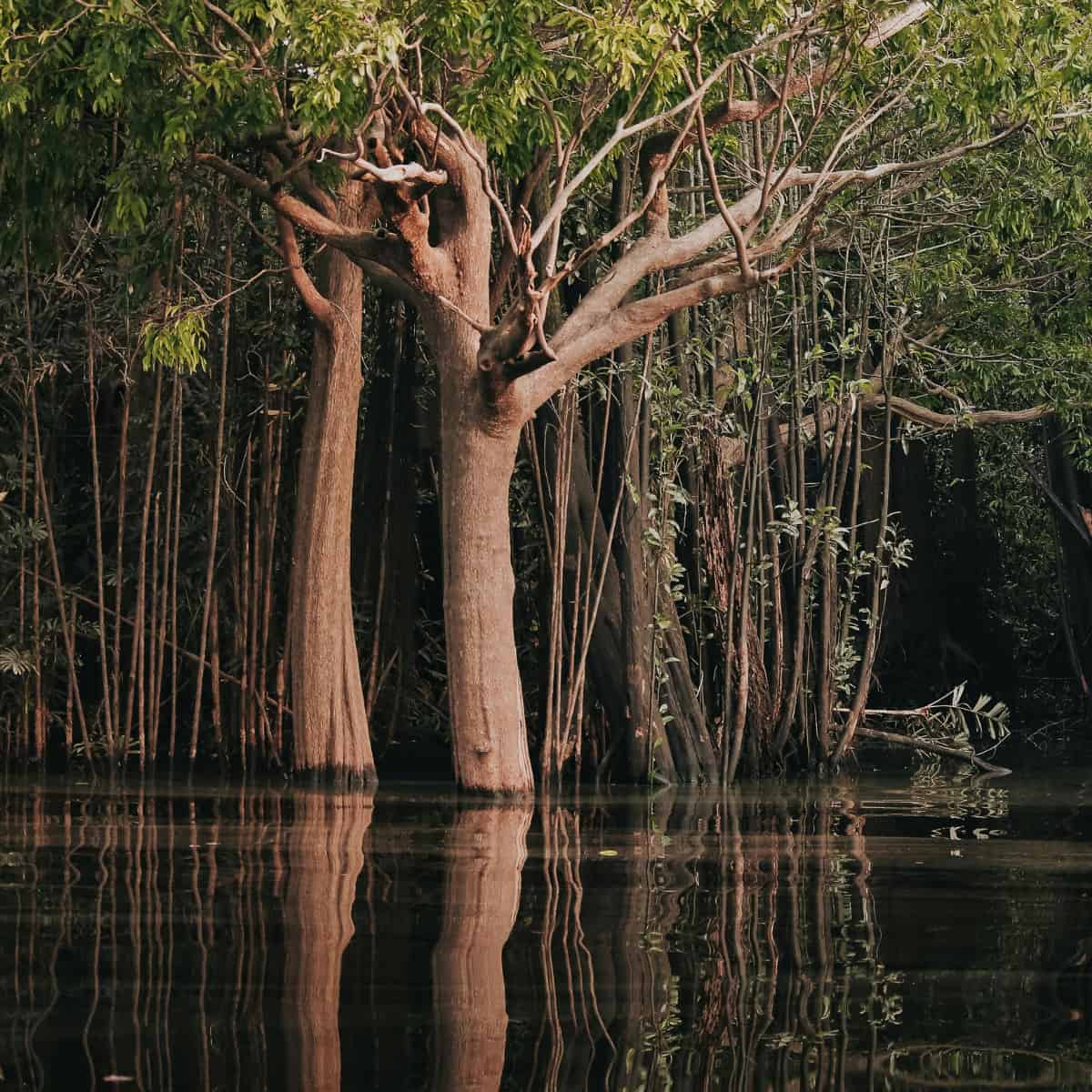



Cintra and colleagues have found that changes in climate aren’t making the Amazon wetter or drier, but both, according to whether it’s the wet or dry season. Their study is based on 30 years of natural climate records locked in tree rings of Cedrela odorata and Macrolobium acaciifolium.
The findings have relevance beyond weather patterns across South America. In a press release the authors state: “The Amazon rainforest plays a critical role in global climate regulation… Observed changes in the rainfall cycle could have far-reaching effects on global climate stability.”
The research was based on studying oxygen isotope ratios in cores extracted from trees. The rings grow with oxygen from that year’s rainwater locked in the ring. From the tree’s point of view, the isotopes in the water don’t matter, but these isotopes reveal how the rain travelled there. Oxygen-16 and Oxygen-18 get picked up as water evaporates from the ocean to make clouds. Rain falls, gets processed through trees and rises again, to form new clouds to rain further inland. But each time water passes through the process, it’s the lighter Oxygen-16 that’s favoured. So if there are more rainfall events on the way inland, meaning wetter weather, the ratio of Oxygen-16 to Oxygen-18 increases. If there are fewer rainfall events, then the rain is richer in Oxygen-18. Changes in this ratio told Cintra and colleagues how climate had changed since 1980.
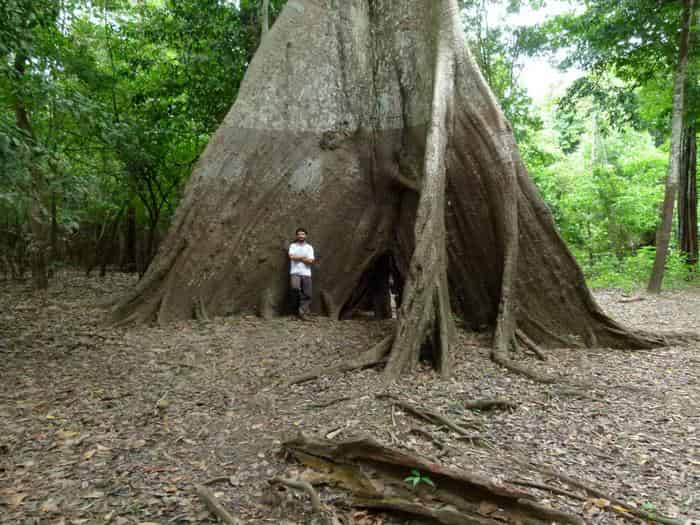
But Cintra and colleagues were able to see beyond yearly averages by comparing two trees. Cedrela odorata grows in the wet season, while Macrolobium acaciifolium, in the floodplains, grows in the dry season. So their isotopes in their tree rings will relate to rainfall in different seasons. The authors write that, in the wet season, the ratio of Oxygen-18 fell by 0.90‰, almost one part in a thousand, indicating an increase in rainfall of 15%-22%. But in the dry season Oxygen-18 ratio increased by 1.14‰, meaning the dry season was 8%-13% drier.
The botanists believe that a warming Atlantic is changing how and when rainfall arrives in the Amazon basin. This increasing variability will lead to increased flooding and droughts for for the Amazon and beyond, as far south as Buenos Aires. Preparations for the future appear urgent.
Cintra, B.B.L., Gloor, E., Baker, J.C.A., Boom, A., Schöngart, J., Clerici, S., Pattnayak, K. and Brienen, R.J.W. (2025) “Tree ring isotopes reveal an intensification of the hydrological cycle in the Amazon,” Communications Earth & Environment, 6(1), pp. 1–12. https://doi.org/pr26
Cross-posted to Bluesky & Mastodon.
Image: Serene Amazon rainforest with lush greenery reflected in river Jean Gc / Pexels.