I didn't get all the weekend off, but I did get close. Some of my time was spent adding Welsh names for species to iNaturalist for a project I'm working on. Because I'm not fourteen any more, I made sure the names were genuine rather than adding some imaginative names.
There's also work on tools for here. I haven't had chance to make everything I'm working on public yet. But you can see some of what I've been doing on the Tools page. It's things we use to help with blogging so, if you have your own site, you might find them useful. For example, if you want to format citations on an occasional basis, we have a tool you can use.
I can see in the system that everyone else has been busy, so we should have things coming out every day for the next couple of weeks. There'll certainly be another email of the papers and the news stories you’re sharing on Mastodon and Bluesky at the usual time next week. Until next time, take care.
Bogotá Through Butterfly Eyes By tracking butterflies across urban parks, scientists uncover how city planning decisions influence not only which species survive, but how they live.
Lights, Camera, Bloom! Flowers may seem still, but time-lapse videos reveal their hidden movements, offering a powerful way to document plants and spark public interest in botany.
Eucalypt of the year celebrates the beauty and importance of Australia’s iconic eucalypts. This annual event highlights the incredible diversity of these trees and their significance to our landscapes, biodiversity and heritage.
Insect taxonomist Art Borkent has described and named more than 300 species of midges but fears his field of science is dying out, despite millions of insects, fungi and other organisms waiting to be discovered. About insect taxonomists, but I imagine plant taxonomists will recognise a lot of the same issues.
Are you a postdoctoral researcher working in a plant-related field and preparing for a career in academia or industry? Inspired by the fantastic Future PI Slack, Plant Postdoc Slack is home for plant postdocs to discuss, explore, and support each other prepare for our future career path, both in academia and industry.
A new publication from ENSA researchers and international collaborators has uncovered role of SYFO2 protein that helps plants initiate partnerships with beneficial soil microbes.
A study of over 275 violins suggests that Antonio Stradivari used wood from high-altitude forests in northern Italy to craft some of his most renowned instruments.
Kopi luwak is a speciality coffee with a unique flacvour, made from ‘beans’ ingested and excreted by the Asian palm civet. Research by Mitra et al. (2025) suggests a possibility of producing Kopi luwak with less animal cruelty.
More than 1,600 plants and animals are protected under the U.S. Endangered Species Act, but out of all of those, only one is a moss. A new effort seeks to protect these often overlooked plants.
Yating Feng, Yuanyuan Tang, Assane Hamidou Abdoulaye, Yijie Zhang, Wenlong Wen, Honggang Wang et al.
“Rhizosphere microorganisms, often referred to as the “second genome of plants”, interact with plants through complex and multifaceted mechanisms, significantly influencing plant health and productivity. Plant root exudates act as key drivers in chemically transforming this soil compartment, creating a dynamic ecosystem that shapes microbial community structure and functional processes within the root adjacent zone, shaping a stress-responsive microbial community capable of enhancing plant resilience. We focus on three interconnected functions—growth promotion, nutrient acquisition, and disease suppression—reconceptualizing them as integrated components of a plant stress-response system.”
“Large-scale biodiversity databases encompass three main types of data for plants, namely single species point occurrences, co-occurrences in vegetation plots, and checklists for specific areas. Evidence shows that such data types exhibit specific biases, reporting different species assemblages at local scales. We used the Mediterranean Basin, a global biodiversity hotspot with more than 2200 islands larger than 0.01 km2, to compare island vascular plant diversity patterns emerging from occurrence data (Global Biodiversity Information Facility; GBIF), vegetation plots (European Vegetation Archive; EVA), and species checklists (Global Inventory of Flora and Traits; GIFT).”
“Protein function is intimately connected to subcellular localization, and experimental determination of protein localization is a key element of understanding biological roles. However, even in the best-studied model plants, such as Arabidopsis thaliana, a minority of proteins has an experimentally defined subcellular localization. We present an experimental strategy to globally map plant subcellular proteomes by mass spectrometry. We annotated subcellular localization of 7815 proteins in Arabidopsis roots, 4672 in Arabidopsis seedlings, and 2782 in the liverwort Marchantia polymorpha. By independent validation, we find that these annotations are highly predictive and can be integrated with other proteomics datasets. Cross-species comparisons reveal substantial global conservation of subcellular localization. Furthermore, we demonstrate that the same approach can be used to identify dynamically translocating proteins upon treatment or in a mutant. This work shows the power of global spatial proteome mapping in plants and offers an extensive resource for protein subcellular localization in plants.”
“Amazon rainforests face intensifying water stress due to increases in vapour pressure deficit and changing hydrological regimes. Embolism resistance (Ψ 50 ) is a critical metric of tree survival under drought conditions, it is defined as a plant’s capacity to resist disruption of xylem water flow due to air bubble formation from water stress. However, measurements of Ψ 50 are only available for a limited number of Amazon locations and species. Conversely, data on forest taxonomic composition are abundant across Amazonia, and if Ψ 50 is conserved phylogenetically, these data could provide a way to scale-up drought resistance patterns. Here we evaluate Ψ 50 measurements across non-flooded Amazonian tree taxa and reveal a moderate phylogenetic signal, with phylogenetic conservatism evident at the family-level. Notably, Fabaceae is amongst the most embolism-resistant tree families in Amazonia. Leveraging the phylogenetic signal we use species composition and tree size data from 448 forest plots across Amazonia to produce a macroecological assessment of Amazonian vulnerability to embolism. The resulting estimate spatial pattern reveals that forests in the Brazilian and Guiana Shield regions, where Fabaceae abundance is high, show strong resistance to embolism. In contrast, tree communities in Western Amazonia appear more vulnerable to embolism, suggesting a reduced capacity to withstand future drought conditions.”
“DELLA proteins play diverse roles in development, plant-microbe interactions and stress responses, and are regulated by the hormone gibberellic acid (GA) in flowering plants. Here, we investigated the evolutionary conservation of functions of the single DELLA ortholog in the non-vascular model liverwort Marchantia paleacea, which lacks genes for perception and biosynthesis of bioactive GA. We found that GA-independent developmental phenotypes are conserved in M. paleacea, while neither DELLA, nor its close paralog GRAS13 are involved in establishment of arbuscular mycorrhizal symbiosis.”
“Mitochondria are inherited maternally in the vast majority of eukaryotes. Occasional transmission of paternal mitochondria (paternal leakage) can lead to heterochondriomy and recombination between maternal and paternal mitochondrial genomes. Despite its potential physiological and evolutionary consequences, the extent of paternal leakage and the cellular processes governing mitochondrial inheritance remain largely unknown. Here we have established a robust genetic screen to detect paternal mitochondrial inheritance in tobacco ( Nicotiana tabacum ).”
“Climate change poses a major threat to humanity by driving biodiversity loss and reducing crop yields. To understand the molecular and developmental impacts of rising temperatures, plant science has relied heavily on the model organism Arabidopsis thaliana . Despite decades of research, its development under fully natural conditions remains poorly understood, and only ~30% of genes have experimental functional annotations, largely because many functions are subtle or manifest only in specific laboratory or ecological contexts. Here, we address this gap with a landscape transcriptomic approach that integrates intensive phenotyping and transcriptomic profiling of naturally occurring plants in their native habitats.”
“Marchantia polymorpha oil bodies (OBs) are specialized cell structures housing a diverse array of C15-terpenes, called sesquiterpenes. These compounds act as herbivore repellents, yet the enzymes responsible for the biosynthesis of their precursors remain poorly characterized. We investigated the localization of isoprenoid biosynthetic enzymes using translational and transcriptional reporters, coupled with confocal microscopy.”
“Monarda mexicana, a taxon from the high-elevation Sierra Madre Occidental of Durango, Mexico, is rediscovered based on a recent observation from the community science platform iNaturalist. This observation led to targeted fieldwork, herbarium study, and cultivation. Two present-day, geographically isolated, high-elevation populations are documented, including a new specimen and two previously unrecognized historical collections.”
“Here, we show that hornworts, the only land plants with pyrenoids, have an unusual Rubisco small subunit, RbcS-STAR, the C-terminal coiled-coil domain of which oligomerizes to mediate Rubisco condensation. RbcS-STAR is incorporated into the Rubisco holoenzyme and thus acts as an “innate” Rubisco linker. Expression of RbcS-STAR in pyrenoid-lacking species, including Arabidopsis, is sufficient to induce pyrenoid-like condensates. Our findings reveal a mechanism for Rubisco condensation and a potential route to introduce pyrenoids into crop plants.”
“In this systematic literature review, we synthesize evidence derived from 107 empirical studies on 226 vascular plant species occurring beyond elevational and latitudinal treelines. We find a persistent research focus on the upper elevational range limit (73% of the studies) and on the role of abiotic factors (54% of the studies), particularly temperature (36% of the studies), whereas research on inter- and intraspecific factors (40% and 25%, respectively), such as herbivory or phenology, remained comparatively rare. While temperature was clearly identified as a major factor influencing the upper range limit (29% of the studies), water availability (15% of the studies) was most commonly studied at the lower range limit. Even though a broad set of factors has been investigated, many potentially important factors remain poorly researched, such as the influence of gene flow and connectivity between populations, phenology and light (each only one or two studies).”
This is an exciting opportunity to help found the laboratory of Professor Gail Taylor, with one other post-doctoral research fellow and a PhD student, following her move from the University of California and appointment as Dean of Life Sciences and Quain Professor of Botany. The successful applicant will become a member of the Genetics, Evolution and Environment Department and join both ‘Centre for Biodiversity and Environment Research’ at Bloomsbury and ‘People and Nature lab’ at UCL East. The majority of time will be spent in the analysis of molecular genetic, phenotyping and microbiome data related to on-going research on lettuce, watercress and poplar.
An opportunity has arisen for a Postdoctoral Researcher to join the newly appointed group of Dr Hassan Salem at the John Innes Centre in the Department of Molecular Microbiology. The Salem Group studies the evolution, function, and adaptive consequences of herbivore–microbe symbioses. Our research focuses on how extracellular bacterial symbionts upgrade host digestive physiology, enable dietary specialization, thereby facilitating herbivory.
The Department of Biochemistry is recruiting an Associate Professor (APTF) working in the broad area of molecular cell biology, whose research focuses on dissecting molecular mechanisms involved in fundamental cellular processes in either prokaryotes or eukaryotes.
We are seeking a highly motivated individual who will lead research and teaching activity in fundamental and/or translational plant science, contributing to and enhancing our research strengths in crop science, plant genetics, plant development, plant pathology, plant symbioses or plant-soil interactions within the School of Biology. You will play a key role in advancing our vision for crop science at Leeds, working at the interface of fundamental and applied plant science to support the sustainable intensification of agriculture.
At RHS Garden Wisley we are looking to recruit a dynamic horticulturist to join the Glasshouse Team. The role will be based in the Temperate section of the Glasshouse and will involve the care and maintenance of display beds and plant collections behind the scenes, including tree ferns, palms and other tender plants A passion for glasshouse plants is essential, as well as a keen eye for detail and creative flair, to help deliver inspirational horticultural displays. A good working knowledge of protected plant cultivation, nursery practices, propagation techniques and integrated pest management is also desirable.
VIP3 is a postdoctoral fellowship program at the Vienna BioCenter offering three – year fellowships that are open to candidates with backgrounds in life sciences, chemistry, physics, medicine, engineering, computer science, and bioinformatics.
The technician will be responsible for preparing sediment samples from a lacustrine context for geochemical, palynological, and fire signal analyses, and will participate in micro-charcoal counting under the supervision of subject specialists. They will be based at the CEPAM laboratory in Nice (France), working in close collaboration with the postdoctoral researcher hired for the project, with the CEPAM “FORÊTS” team, and with our partners at the Climate and Environmental Sciences Laboratory (LSCE), Chrono-Environnement, Edytem, and the Missouri University of Science and Technology.
Our newly established research group investigates how plant immune receptors cooperate to trigger an immune response and how to leverage this knowledge to develop strategies for sustainable disease resistance in crops. Your tasks: Phylogenetic analyses; Routine molecular biology work; Protein biochemistry; Immune response assays in plants and protoplasts; Documentation and presentation of results, drafting publications; Lab supervision of students, support of guest scientists.
Join the Theoretical Ecology Group (externer Link, öffnet neues Fenster) at the University of Regensburg (externer Link, öffnet neues Fenster) - we are currently looking for candidates to fill a PhD Position (1+2.5 years, 75% E13) on Ecological Machine Learning, as part of the BaySenseAI project. The goal of this project is to build a multi-modal AI system that integrates a wide range of traditional and novel biodiversity data and sensors (e.g. surveys, eDNA, acoustic sensors) and predicts species composition at any point in space and time at as broad as possible taxonomic breath.
Tasks include: Performing single cell combinatorial indexing (e.g. sci-RNA-seq, sci-ATAC-seq) experiments (no previous experience required); Molecular biology work (including RNA/DNA/protein extraction, PCR, electrophoresis); Tissue dissociations and sample preparation from different organismal material and predominantly plant material; Programming and operation of automated liquid handling devices.
We are seeking 2 skilled and innovative Senior Research Technicians to support the Australian Plant Phenomics Network (APPN) UQ node, combining practical field and control environment expertise with advanced technology. In this role, you will operate farm and glasshouse machinery, UAVs, and field-based phenotyping platforms across field sites, glasshouses, and controlled environments, contributing to nationally significant research that advances Australian agriculture. The ideal candidate will have a background in agronomy and/or horticulture knowledge of weed management and precision agriculture, and a strong interest in applying emerging technologies to deliver high-quality, impactful research outcomes.
In this role you will undertake research to examine eco-evo processes in a laboratory Drosophila-parasitoid system and in existing host-parasitoid and plant-pathogen networks. Specifically, you will use experiments to ascertain mechanisms, and test for signals of those mechanisms in large existing datasets. You will have completed a PhD in ecology, entomology or related subject (though the degree may not yet have been awarded if applying for Research Associate).
The Crop Development Centre (CDC), Department of Plant Sciences at the University of Saskatchewan (USask) invites applications for a pulse crop plant breeder to work on field pea. This position is considered continuing status (tenure-track-equivalent) and will be hired at either the assistant or associate professor level, depending on qualifications and experiences. The successful candidate will assume and maintain a well established and productive breeding program involving field pea. The plant breeder will develop and release improved varieties to serve the needs of western Canadian agriculture, teach at the undergraduate and/or graduate level in the Department of Plant Sciences and will be required to supervise M.Sc. and Ph.D. students and mentor post-graduate fellows.
The Crop Development Centre (CDC), Department of Plant Sciences at the University of Saskatchewan (USask) invites applications for a crop pathologist to work on small grain cereal (wheat species, barley, oat, canary seed; 85% activity) and flax (15% of activity). This position is considered continuing status (tenure-track-equivalent) and will be hired at either the assistant or associate professor level, depending on qualifications and experiences. The successful candidate will assume a well established and productive cereal and flax pathology program. They will develop a world-class, externally funded field-based research program with focus on cereal and flax pathology. The position will integrate applied research (e.g., identification and deployment of host resistance) with fundamental research (e.g., the biology of fungal and bacterial pathogens and their interactions with host plants) to advance breeding and disease‑management strategies for cereal and flax crops.The appointee will be expected to teach at the undergraduate and/or graduate level in the Department of Plant Sciences and will be required to supervise M.Sc. and Ph.D. students and mentor post-graduate fellows.
University of Saskatchewan
Cover image: Neanderthals in a sagebrush and grass valley by Gabriela Amorós.




 Sarah Covshoff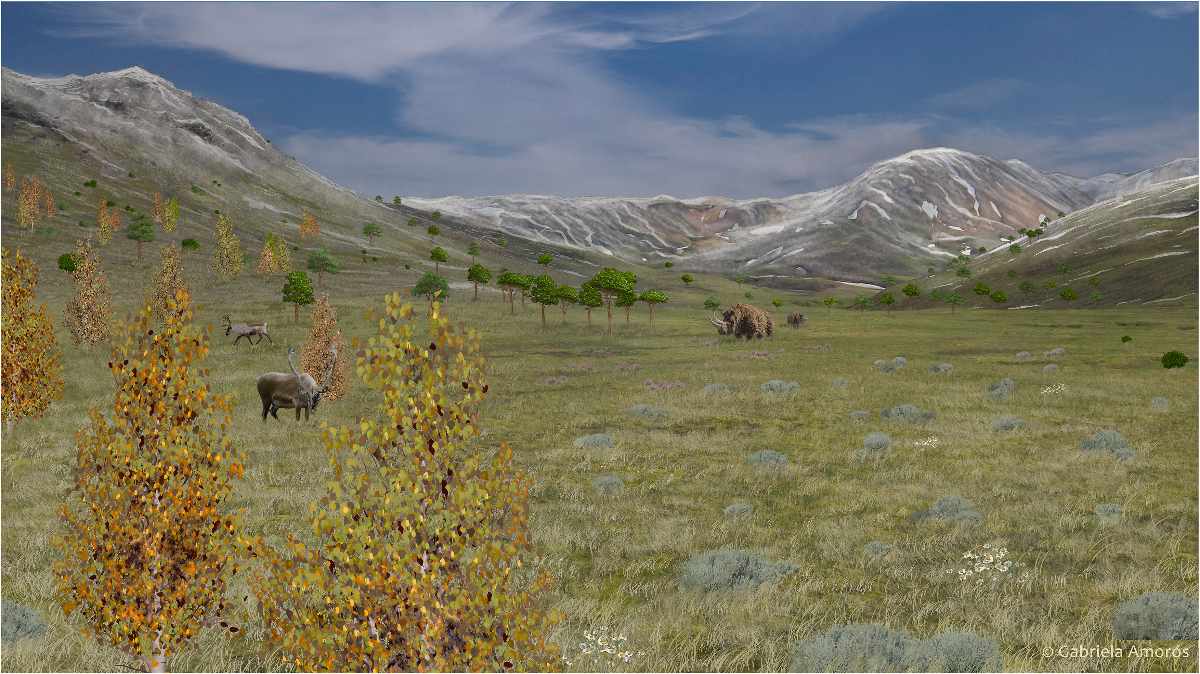
 Eucalypt Australia
 The Guardian
 Universität Wien
 The New York Times
 Plant Postdocs
 ENSA
ENSA Plant Cuttings
 Nebraska Public Media
 Popular Science
 UCL
UCL Vienna BioCenter
 CNRS
CNRS Leibniz Institute of Plant Biochemistry
 University of Queensland
 University of Canterbury
 University of Saskatchewan