

Hello TWiB subscribers! Sarah here. This week, we're doing a little experiment at Botany One – can someone other than Alun send out the newsletter? I'm hopeful that the answer is yes and this email is in your inbox.
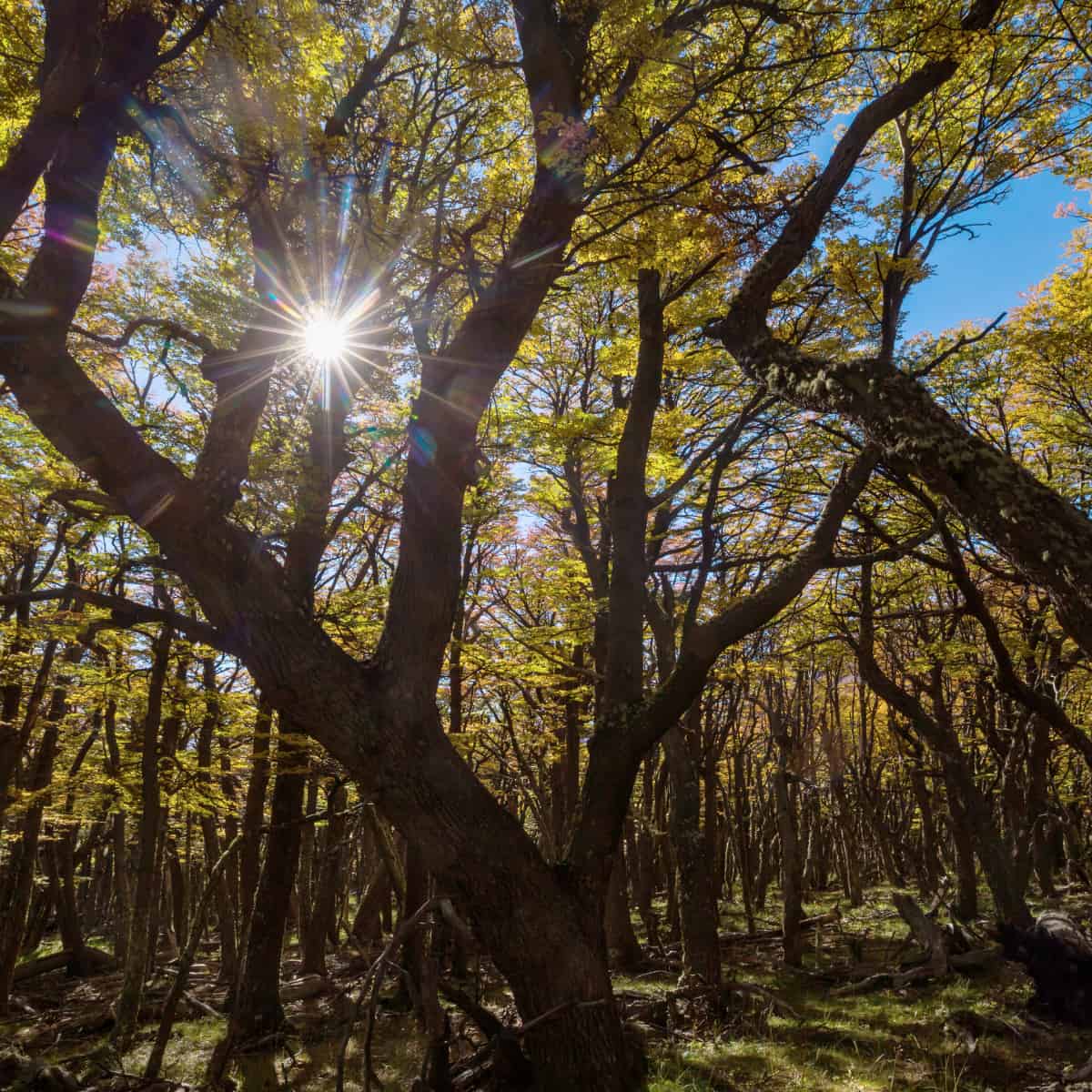
Not too long ago, I wrote about the joys of the Argentinian spring and the beautiful pink flowered lapacho trees that grow there. Now, in eastern North America, we're experiencing our own pink bloom, with the flowering of the cherry blossoms. The magnolias should be ready soon too. A welcome sight after a snowy winter.
If you're curious to know what might soon be blooming in your neighbourhood, Alun is cooking up a new tool that uses posted observations to predict what plants will likely be seen in a given location. We'll announce the tool – 'Hot Botany' – in the near future. Until then, a walk outside to enjoy the spring or autumn air can lead to your own discoveries.
But if the weather isn't good, then you might want to tuck in with your computer and go on an expedition to the Royal Ontario Museum's 'living library', a collection of 1.2 million specimens of vascular plants, bryophytes, algae, lichens and fungi. They are seeking the public's help in digitizing their collection, starting with plants, at Notes From Nature - Natural History at ROM Revealed.
Next week, it might be Alun assembling the posts you're sharing on Mastodon and Bluesky, or perhaps Carlos will step in. Either way, another email should arrive at the same time next week.
Sarah (webmaster@botany.one)
On Botany One
Secrets of the Living Library
You can be the key to unlocking natural history. Help the Royal Ontario Museum of Canada digitize their botanical specimen collection.
Sowing for a Warmer Britain: Are Wildflower Seeds Climate-Ready?
A new study reveals that most UK wildflower seeds can handle rising temperatures, but a few key species may struggle to germinate in the Britain of tomorrow.
Earthworms: The Invisible Gardeners of Tropical Bryophytes
A new study shows that earthworms can carry viable bryophyte propagules through their guts, helping mosses and liverworts spread across tropical soils.
Christopher Levine: "Plant Research is Rarely Straightforward"
Botany One interviews Christopher Levine, a researcher working on the effects of light on plant production in controlled environments.
Tracking and Conserving an Endangered Plant from Brazil’s Rocky Outcrops
A multidisciplinary hunt uncovers new populations of an endemic plant, while exposing the fragile balance that keeps it from disappearing.
Eau De Fourmi Mourante: A Bizarre Floral Fragrance To Attract the Right Lover
When it comes to flower scents, it’s not always roses and rainbows. It can be anything from sweaty feet to the chemical cries of suffering bugs, as recently shown by science.
The puzzles this week are, Sudoku Garden, marking the equinox, and Plant Hunt, which this week looks around Singapore.
We have a plant of the week this week, with a celebration of Symplocarpus foetidus's impatience.
There was also last week's Week in Botany, with plant factories, how sunbirds help plants reproduce after fires, canelas-de-ema diversity, climate change threats to alpine plants, tropical moss, and more.
News & Views
 Nature
 Conservation news
 Colossalnature.com
 NPR
NPR ScienceNews
This Week in Botany
5 Years Ago: Nurse cushion plants show independent trait adaptation to differing habitats
10 Years Ago: Leaf mechanical traits in insect herbivory
15 Years Ago: C4 photosynthesis in genus Cleome
Scientific Papers
In AoBC Publications
- Fire-stimulated flowering enhances multiple plant fitness components 🆓
- Soil microbiota promote the success of the perennial legume Lupinus polyphyllus more strongly in invasive than in native populations 🆓
- Integration of structural variation enhances the resolution of population structure and helps delineate conservation units 🆓
- Specific leaf area modulates but does not explain the association between abiotic stress tolerance and insect feeding guild prevalence in Northern Hemisphere woody plants 🆓
- A functional–structural plant model for dwarf tomato ideotype identification in vertical farming 🆓
- Red pericarp trait, common to weedy rice, contributes to freezing tolerance of seeds and their ability to overwinter in soil 🆓
- Phenotypic selection in weedy radish and its bidirectional crop–weed hybrids across two contrasting environments 🆓
Careers
 Okinawa Institute of Science and Technology OIST
 Boku University
 University of Fribourg
 The Company of Biologists Brighton & Hove Museums
Cover image: A cherry blossom tree in bloom. Photo by Sarah Covshoff.