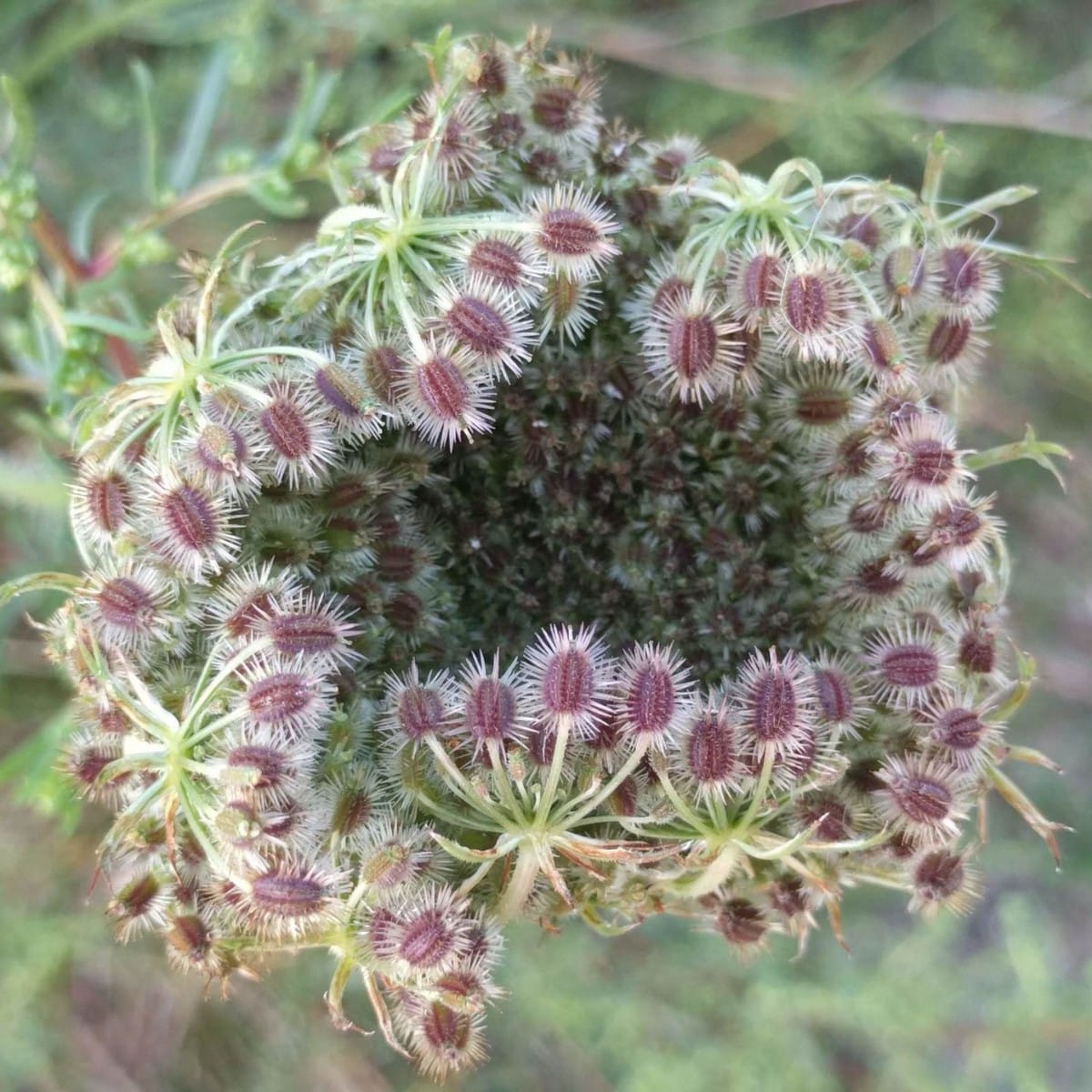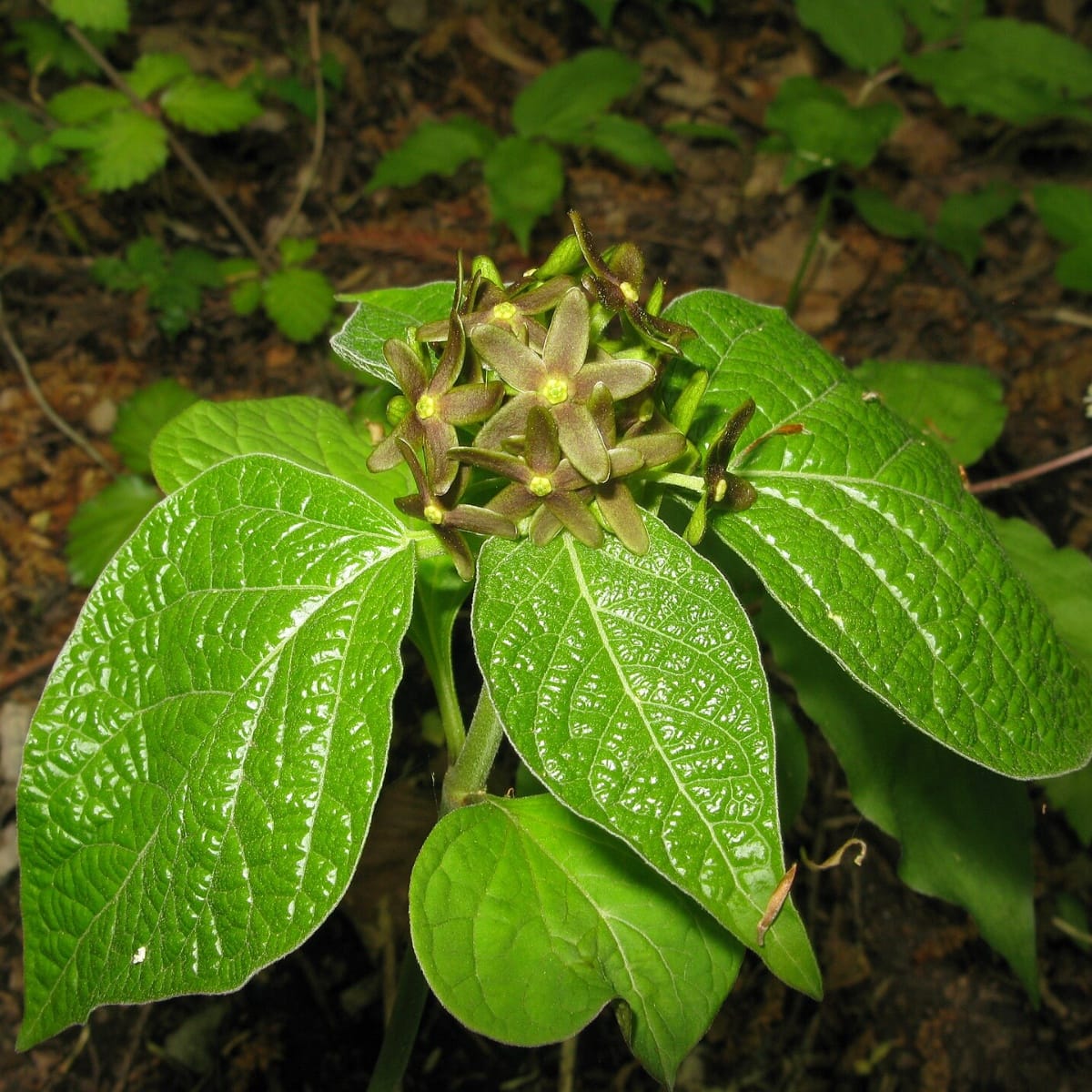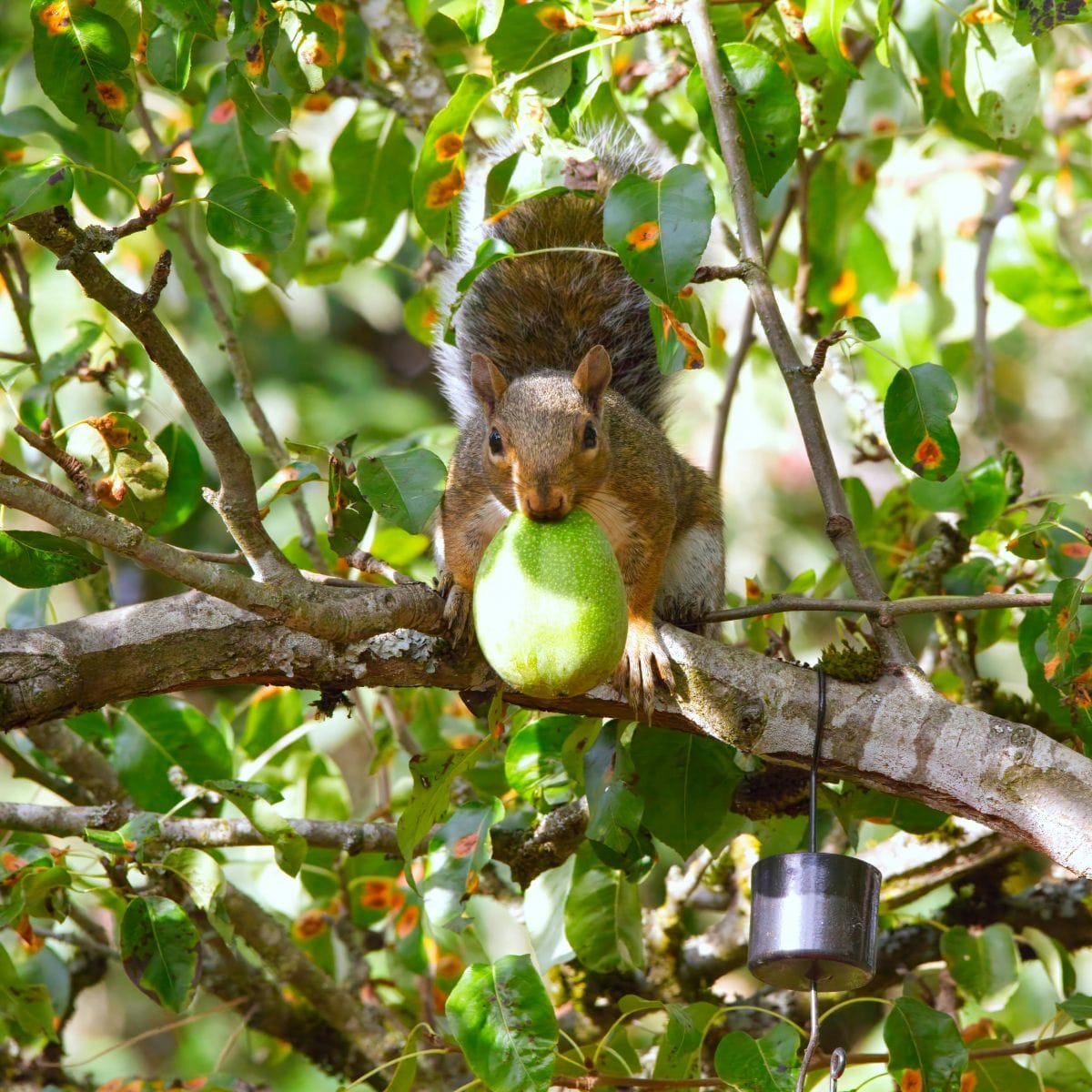


We often hear about species populations declining. But what about the services that those species provide? One of the most remarkable is seed dispersal. Last year, Mendes and colleagues published an article in Science shedding light on the conservation status of seed dispersal in Europe.
Seed dispersal is key for plants for various reasons. First, it allows seeds with different genes to establish new populations or connect existing ones, keeping gene flow alive. Second, dispersal allows seeds to thrive away from the mother plant, avoiding competition for the same resources. Finally, seed dispersal becomes even more critical in the context of climate change, as living beings now need more than ever to find new places where they can survive under shifting weather conditions.
However, seeds can’t move on their own-they need external help, either from wind, water, or from animals. Unfortunately, with the current loss in animal species and populations, a trend known as defaunation, seed dispersal by animals is increasingly at risk. This is especially concerning in Europe, where nearly a quarter of plants rely on animals for dispersal. Yet, little is known about seed dispersal conservation status, as research usually focuses on species, rather than the interactions that keep ecosystems functioning, even though these interactions often disappear before the species themselves.
To evaluate seed dispersal conservation status in Europe, Mendes and collaborators did a systematic literature review in 26 different languages to gather all records of seed dispersal interactions involving vertebrates and invertebrates in European native plants. To determine the seed dispersal conservation status, they defined 4 categories based on the conservation status of both plants and dispersers’ species: Very High Concern, High Concern, Not Evaluated and Low Concern.
The team discovered that all European biomes have High Concern interactions: from 25% in the Mediterranean to 81% in the Black Sea biomes. The high percentage of High Concern interactions in understudied, restricted and degraded biomes such as the Black Sea one, demonstrates the urgency of knowing and conserving the networks that sustain such distinctive communities.
Another big result of this study was finding that the conservation status of dispersal service is a “more sensitive and comprehensive indicator of community health than the conservation status species alone”. While 17% of plant species were classified as High Concern, 31% of the interactions they hold with animals fell into the High or Very High Concern categories. This result confirms that interactions-and the services they provide might extinct before the species does.
Furthermore, by estimating the sample coverage of their dataset, the researchers found that only 26% of the 2,248 European plant species with traits for zoochory, seed dispersal by animals, have data about seed dispersal. They also uncovered major gaps in conservation assessments: 67% of plants with traits for zoochory and 85% of invertebrate seed dispersers have not been evaluated by the IUCN. These gaps limit our understanding of seed dispersal and may be hiding far greater losses of species and the services they provide.
Mendes and her team not only uncovered a seed dispersal crisis in Europe, but also provided a tool to better guide conservation efforts. Additionally, this paper is a call for more research on overlooked plant and invertebrate species, as these knowledge gaps may be hiding major cases of functional extinction. This is a reminder that to conserve nature, we need to look beyond species and protect the interactions that hold ecosystems alive.
READ THE ARTICLE
Mendes, S. B., Olesen, J. M., Memmott, J., Costa, J. M., Timóteo, S., Dengucho, A. L., … & Heleno, R. (2024). Evidence of a European seed dispersal crisis. Science, 386(6718), 206-211.
Paula Erazo
Paula is an enthusiastic biologist with a deep curiosity about life and everything around her. With a Master’s in Science Communication, she loves sharing the wonders of the natural world. Follow her and her science communication team on Instagram at @cienciatropical
Spanish translation by Paula Erazo.