

Last year, we explored the scary side of Botany by knowing more about 10 species with frightening properties: poisonous, stinky, witchy, voracious plants. In this blog post, we explore the stunning features of 5 angiosperms with a “bloody” flair … a surprising trait in the natural world, given that plants appear largely green to the human eye due to the great amount of photosynthetic pigments in their leaves. Curiously, some green organisms can produce bright red fluids because of accumulation of peculiar molecules that serve various purposes, from plant defence to communication with the environment. Beware: “bleeding” plants can be super healthy or super toxic!
Red-blood juice from fruits and roots: Opuntia and Beta species
Opuntia spp., a genus belonging to the Cactaceae family.
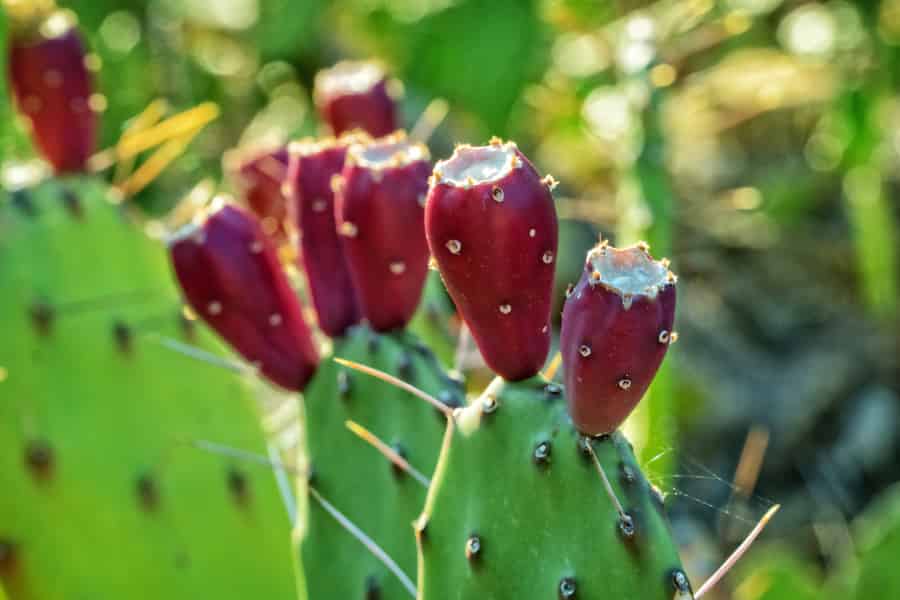
Commonly known as prickly pear cactus, one can easily recognise this plant because of its peculiar stems called nopales (or pads). Native to Mexico, the evolutionary history of this genus is intertwined with Aztec legends as well as traditional practice of central American folks (e.g., ethnobotanical use in the treatment of wounds). Since the 16th century, Opuntia plants rapidly spread around the globe and adapted to semi-arid areas such as the Mediterranean region and even Australia – where it was declared invasive plant in the 20th century!
From an economic point of view, Opuntia species have played a crucial role in the production of bright red dyes: indeed, the cactus sap feeds an insect – Dactylopius coccus – able to produce carminic acid, the essential component of carmine.
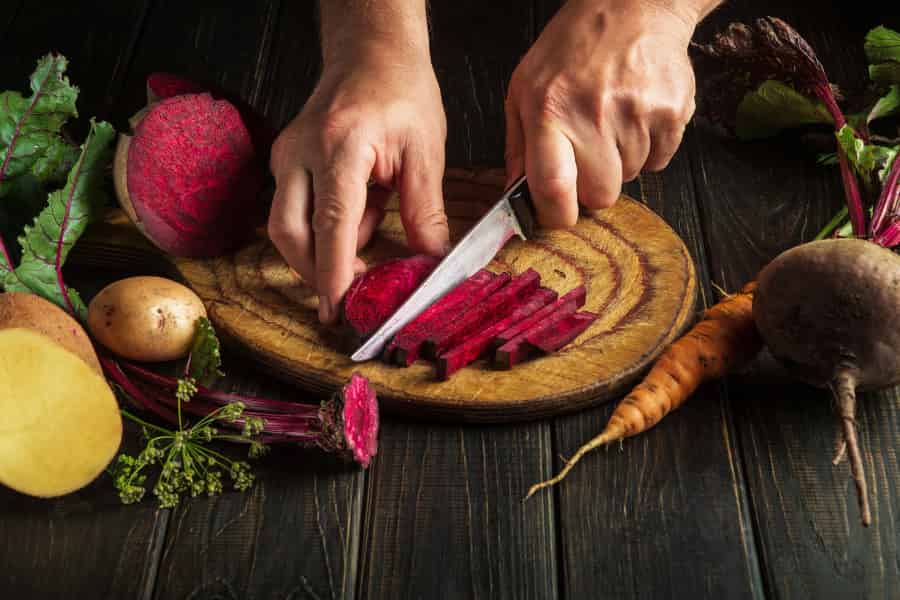
Among others, Opuntia ficus-indica (indica for Native Americans), the most famous edible species of this genus, produces a delicious fruit (called tuna) that must be peeled because of the spines protecting the fleshy part. Another reddish dye, popularly used as food additive (E162), can be directly extracted from Opuntia fruits, which have a typical orange to red pigmentation due to the accumulation of Betanin, a glycosidic molecule also found in the juice of beet (below).
Beta vulgaris, a species belonging to the Amaranthaceae family.

The term “cultivated beets” encompasses several crop types, each with a specific use: sugar beet, table beet, fodder beet, etc.
Likely originated from the wild progenitor “sea beet” in the Near East, beet cultivation later expanded to Europe and other regions with temperate climates. Initially consumed as leafy crop, beet varieties showing expanded roots were selected as potential alternative to sugarcane for the sucrose industry in the XVIII century: in the last 200 years, breeding efforts resulted in a huge increase in sucrose accumulation in storage organs, and nowadays sugar beet accounts for 1/3 of the sugar production globally.
Besides sugar, table beet represents a good source of micronutrients, such as vitamins A and C, that are essential for human health. This root crop comes in different varieties with roots that range in colour from whitish to orange and even reddish. The latter pigmentation correlates with the accumulation of betalains, a group of water-soluble pigments derived from the amino acid Tyrosine that can function as antioxidants and anti-inflammatory molecules.
Opuntia and Beta genera belong to the Caryophylalles order, which also includes the scary carnivorous plants Nepenthes (pitcher plants) and Drosera (sundew).
Red-blood sap from stems and flowers: Sanguinaria, Dracaena and Hypericum
Sanguinaria canadensis, a species belonging to the Papaveraceae family
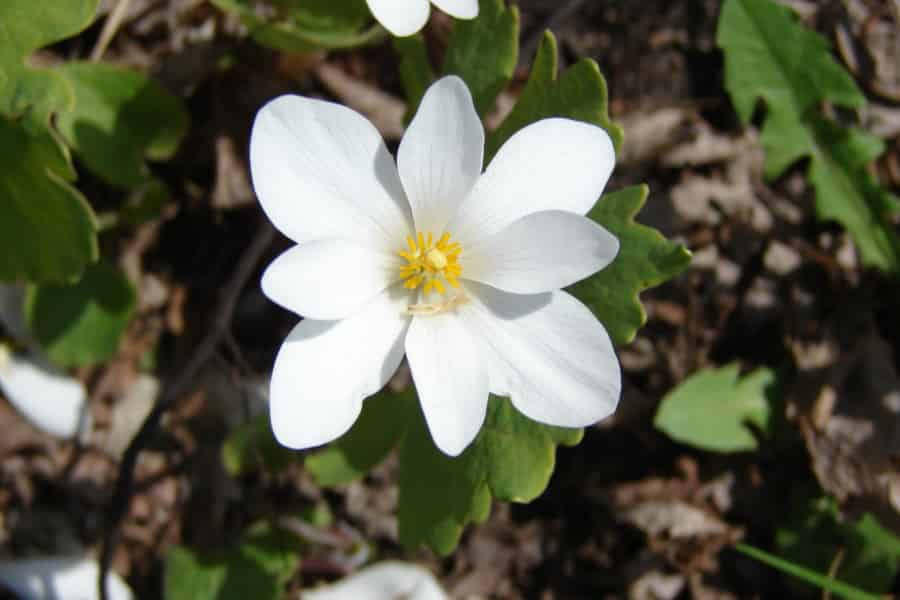
Native to North America, this perennial plant produces white delicate flowers that last only a few days. However, its rhizomes – a modified organ growing underground – produce a blood-red juice … thus explaining its scientific name, derived from Latin term “sanguis” (blood).
Commonly known as bloodroot, traditional practitioners used its extracts to treat pathological conditions of the respiratory tract. However, modern medicine uncovered that some compounds of the fluid provoke skin irritation! Among others, this plant produces a toxic molecule, the benzophenanthridine alkaloid Sanguinarine, with antimicrobial effects. Ongoing research is focussing on the therapeutic potential of this toxin for human health: thanks to its anti-inflammatory activity and anti-angiogenic properties (i.e., inhibition of the growth of new blood vessels), it could be employed to treat chronic diseases like cancer.
Dracaena cinnabari, species belonging to the Asparagaceae family
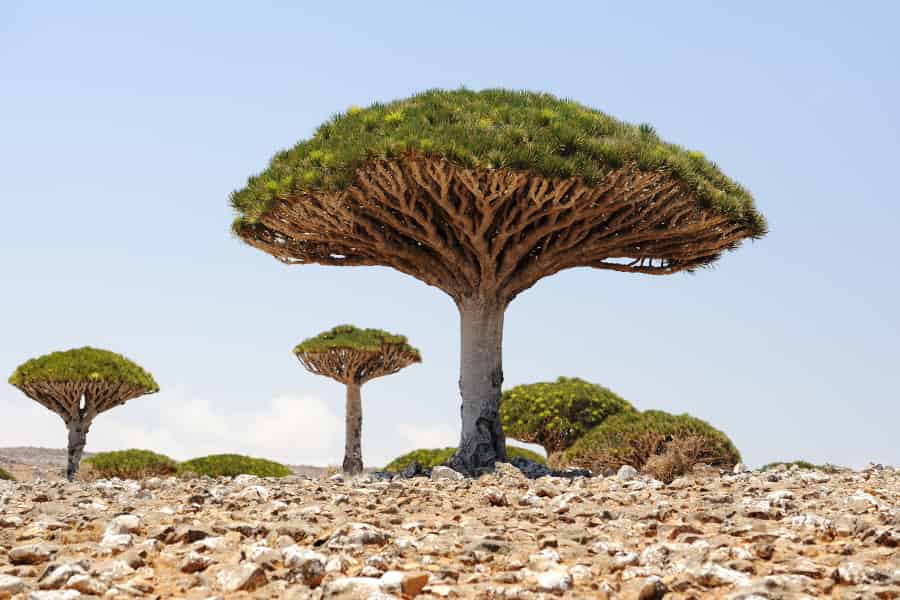
Closely related to the most popular dragon trees (Dracaena draco), D. cinnabari develops a thicker trunk that carries a peculiar hemispherical crown with vertical and stiff leaves.
Native to Socotra, this unique tree thrives in foggy mountain areas and produces a resin that has been used by locals for centuries – in traditional medicine to treat diarrhea, hemorrhage and ulcers, or in the production of a dye with a great economic value.
Commonly known as Dragon’s Blood Tree after the red sap produced, an ancient legend tells that these plants grew from blood drops spilling out from the killing of a hundred-headed dragon.
Hypericum spp, a genus belonging to the Hypericaceae family
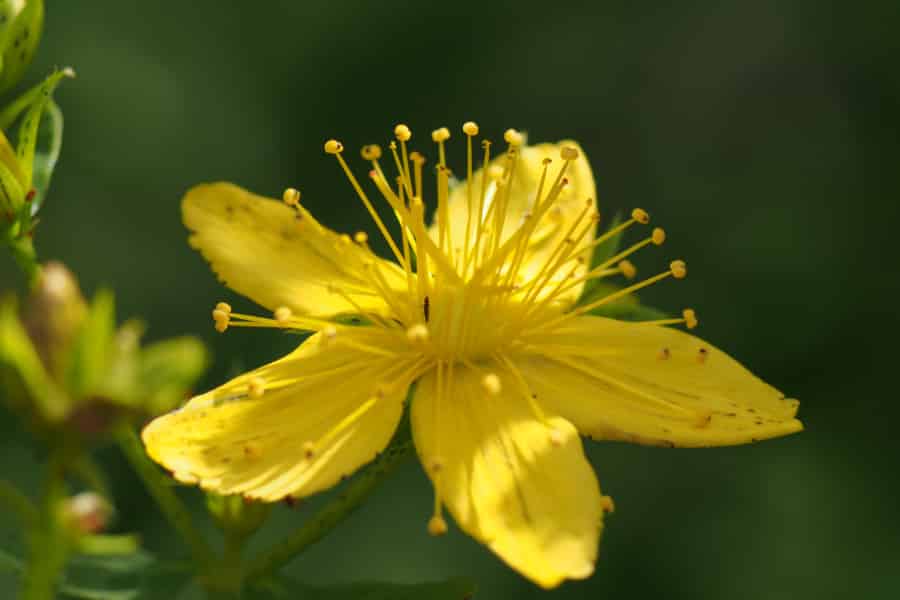
Among several interesting species of this genus, Hypericum perforatum is a small perennial plant known for its bright yellow flower buds, which release a red stain upon squeezing.
Commonly known as St John’s Wort because it’s harvested right after the summer solstice (24th of June), traditional knowledge attributes to this species magical and healing powers – from the superstitious use as “fuga daemonum” to protect houses from evil spirits to medicinal applications as a panacea herbal remedy. For sure, this plant accumulates a wide range of interesting phytochemicals (including hypericin and hyperforin), and current research supports its use to treat mental conditions such as depression.
Native to temperate regions across Eurasia and North Africa, different species of this genus colonized several regions around the globe. As an example, the bushy shrub Hypericum Androsaemum ( “blood-man”) became an invasive species in Oceania because of its rapid propagation through small and uncountable seeds. Commonly known as tutsan or sweet-amber, its leaves carry peculiar structures coloured with red pigment.