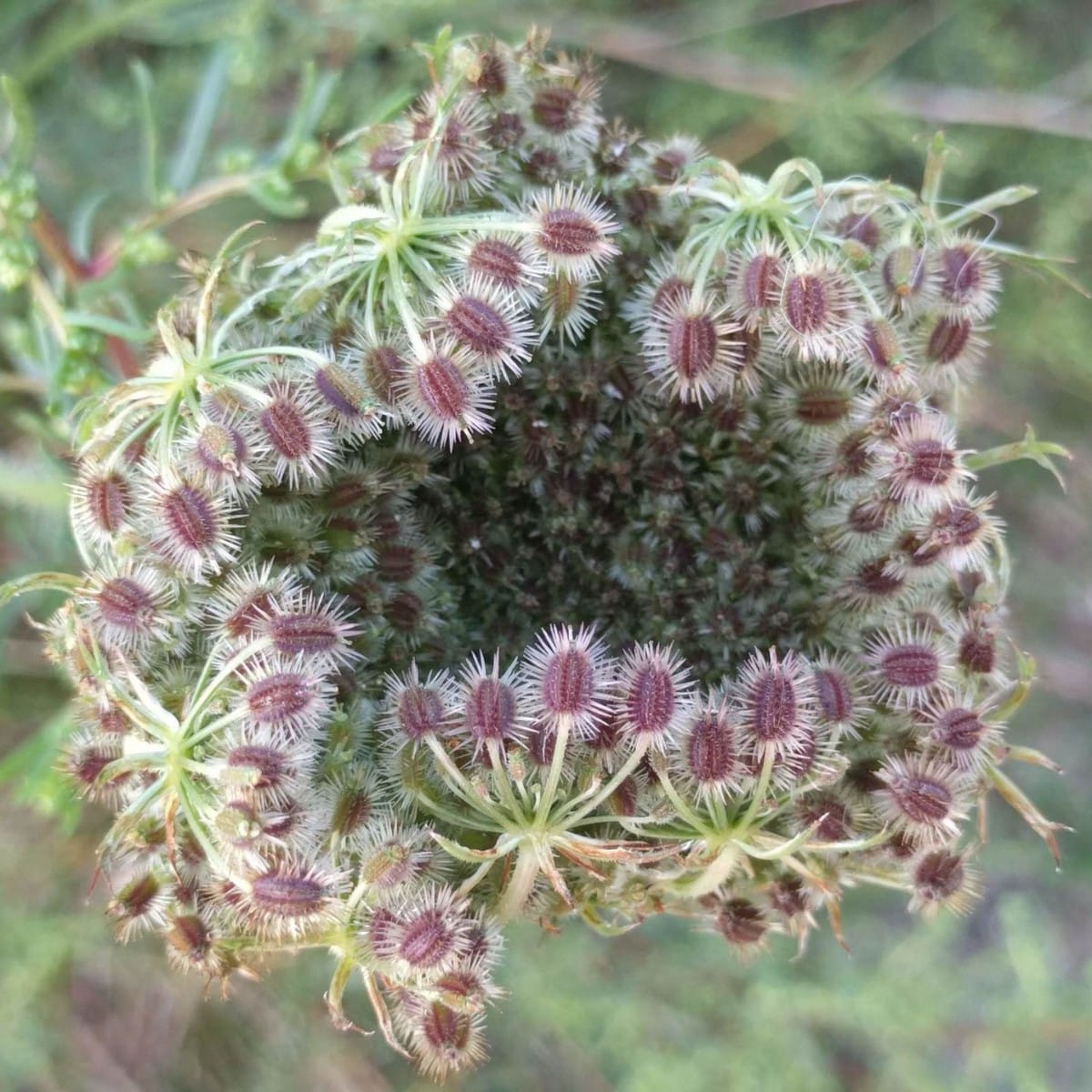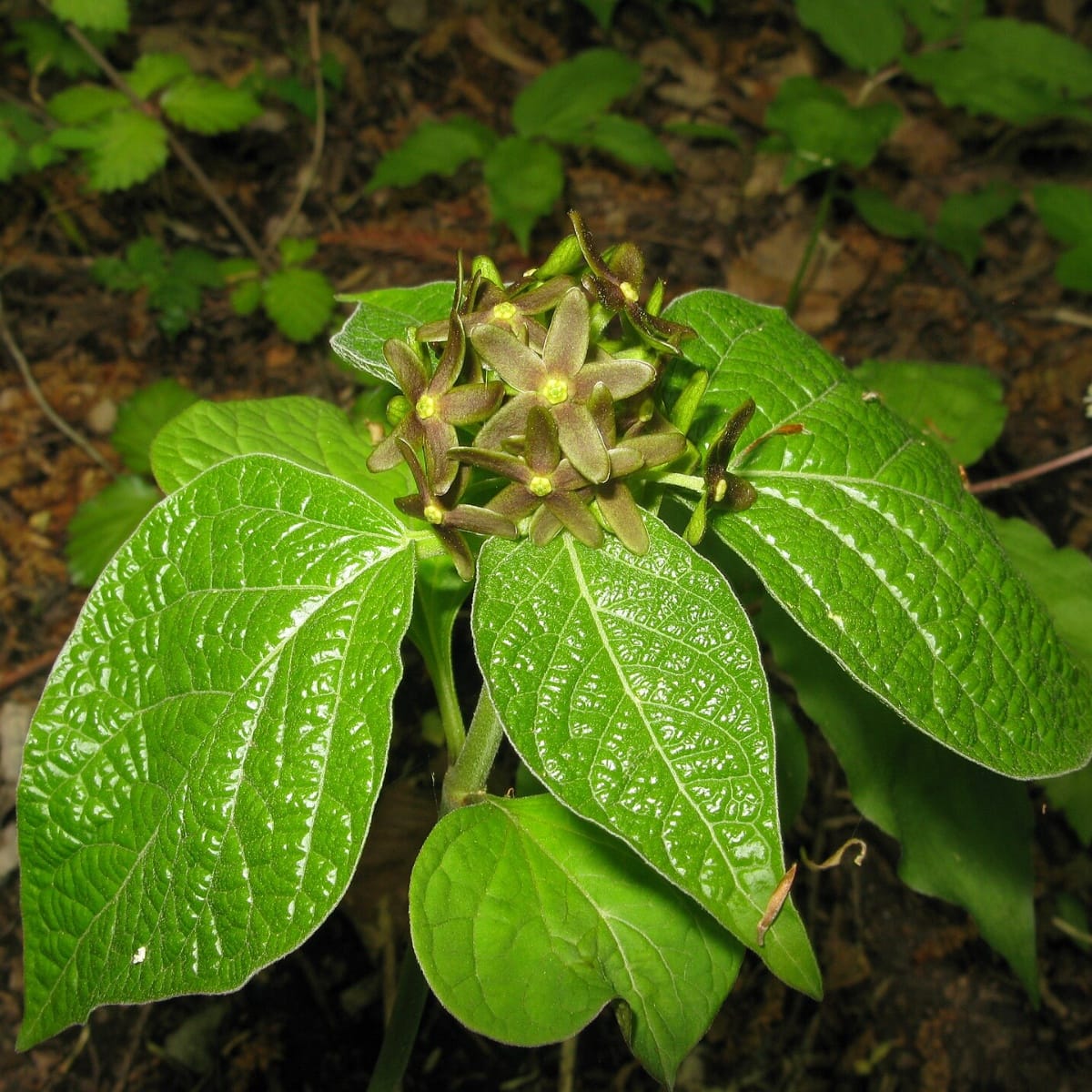



Ornithologists trying to track what birds get up to have turned to a spy for help. Goodenough & Webb report that pollen can reveal a lot of details about bird behaviour, from migration routes and habitat use to feeding habits. Pollen, found in bills, feathers and droppings, acts like a natural tracker, and can be sampled from live birds, the recently dead and even museum specimens.
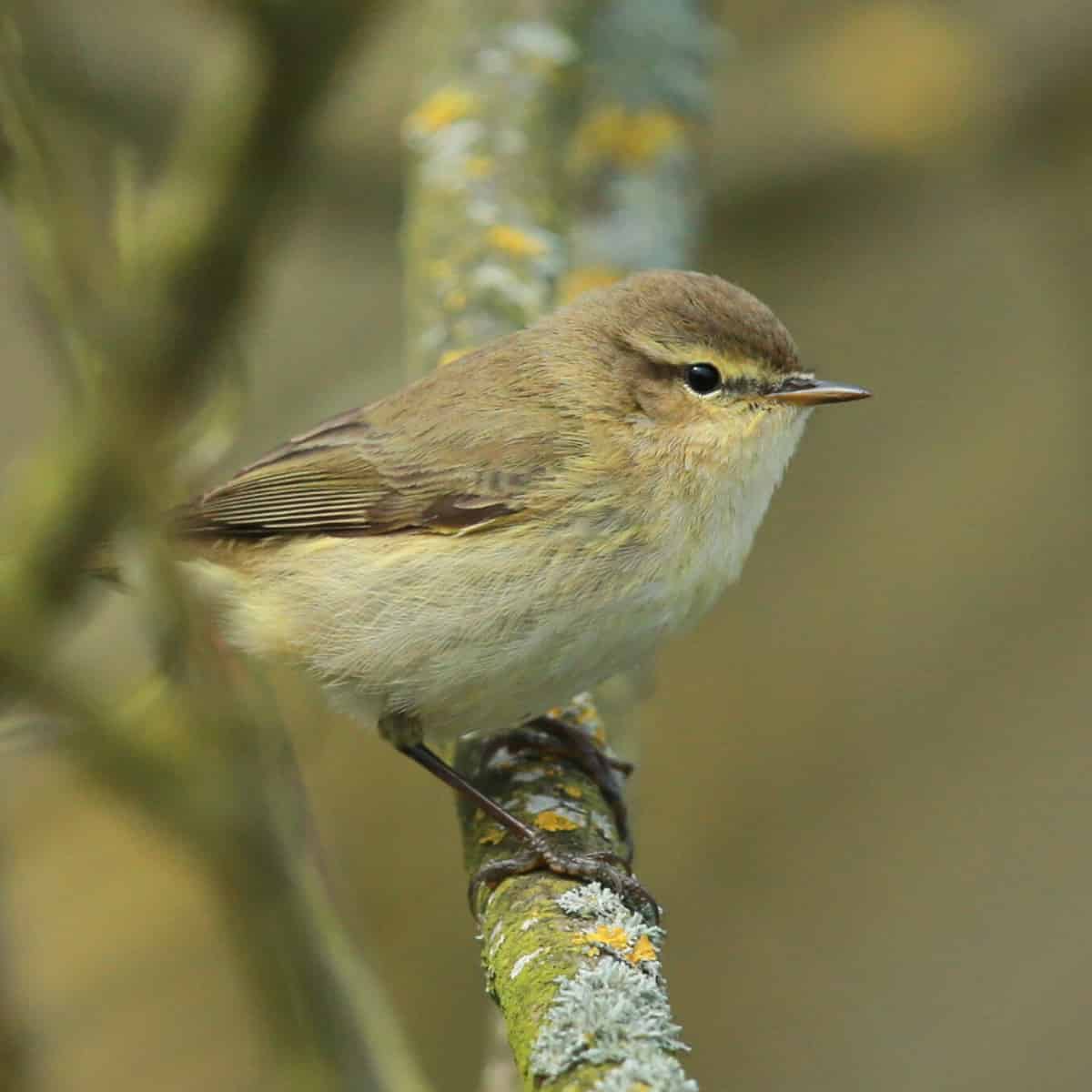
In the case of migration Goodenough & Webb give a couple of examples of the use of pollen. Typically, migration is studied through bird ringing, but recovering this data can be difficult. The authors note there are over a million ringing records of Willow Warbler in the UK, and just 16 from wintering grounds in Africa. Pollen stuck to the birds can be used to identify wintering grounds and potential stopover points on migrations.
Sampling live birds, so they stay alive after sampling requires careful collection of pollen. Suggested methods are sterile swabbing of bills, or clipping small pieces of feather. Goodenough & Webb note that birds are not passive carriers of pollen, and will clean themselves through preening or moulting, leading to a loss of pollen. This suggests that the pollen recovered from birds is likely to be skewed towards more recent locations than older habitats.
The authors also mention the possibility of testing dead birds. Pollen can lodge in feathers, feet and other crevices. In the case of museum specimens this data not only applies to species alive today, but also to species that are now extinct, helpling reconstruct lost habitats. They also point out that much of the past seventy years of study won’t have had the opportunity to exploit current technology.
The potential advances afforded by identifying pollen on birds to species level using DNA metabarcoding are especially exciting, as this would greatly refine the taxonomic resolution of pollen data in relation to use of microscopy. In this way, use of pollen as a proxy for habitat use or to identify migratory routes, or to profile diet, would become much more detailed and more useful in research and applied contexts.
A better understanding of migration routes and habitats gives the opportunity to improve bird conservation. Knowing the variety of places that a species visits allows it to be protected through its range, and not just in the more prominent locations where it’s found.
Goodenough, A.E. & Webb, J.C. 2025. Pollen analysis as a tool to advance avian research and inform conservation strategies. Ibis. https://doi.org/10.1111/ibi.13394 ($)
Cross-posted to Bluesky & Mastodon.
Image: Willow Warbler / Canva.