Uncategorized
The May 2013 issue of Annals of Botany is now free access
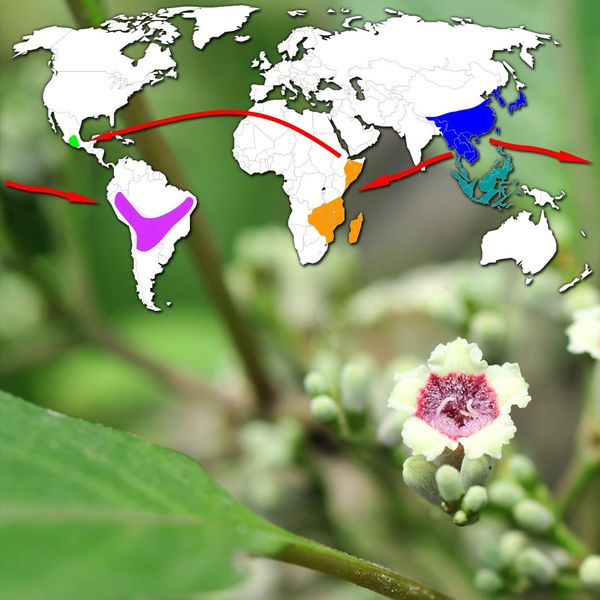
The May 2013 issue of Annals of Botany is now free access. The cover image for this month is a flower that looks quite different, depending

Uncategorized
The May 2013 issue of Annals of Botany is now free access. The cover image for this month is a flower that looks quite different, depending
Uncategorized
The length of the growing season and the resulting amount of growth could respond differently to climate change.
Uncategorized
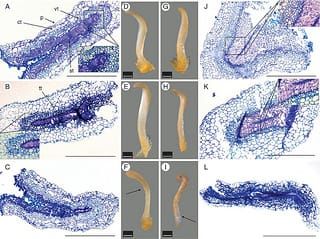
Programmed cell death in kiwifruit stigmatic arms and its relationship to the effective pollination period and the progamic phase Kiwifruit is a crop with a highly
Uncategorized
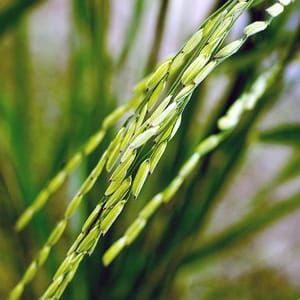
How do you grow more rice? By changing the way it photosynthesises.
Uncategorized
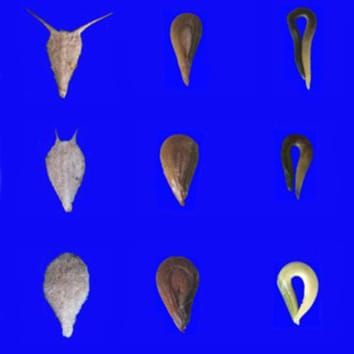
A cold desert tumbleweed trades-off seed dispersal and dormancy.

Uncategorized
At AoB Blog we encourage scientists to blog because we think it’s a good idea for scientists to tell people about their research, including other
Uncategorized
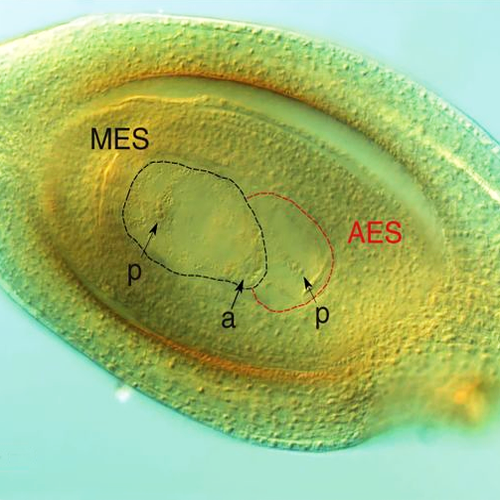
Analysis of variation for apomictic reproduction in diploid Paspalum rufum The diploid cytotype of Paspalum rufum (Poaceae) reproduces sexually and is self-sterile; however, recurrent autopolyploidization
Uncategorized
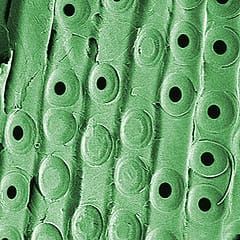
Plant xylem from the sapwood of coniferous trees can remove bacteria from water by simple pressure-driven filtration.

Uncategorized
Humans are social creatures and we love to share gossip, but we share what we like, not necessarily what is true. So are you living in
Uncategorized
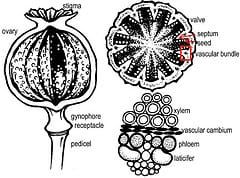
This free review article focuses on two morphologically distinct and evolutionary distant fruits: the capsule of opium poppy, and the grain of cereals.
Uncategorized
A recent free review article in Annals of Botany discusses morphological aspects of lateral branching in roots.
Uncategorized
Anna Tiley, policy and communications intern at the Society of Biology, summarises events from the recent UK PlantSci 2014 conference held at the University of York. This post can also be found on the UK PlantSci blog.