Plant Cuttings
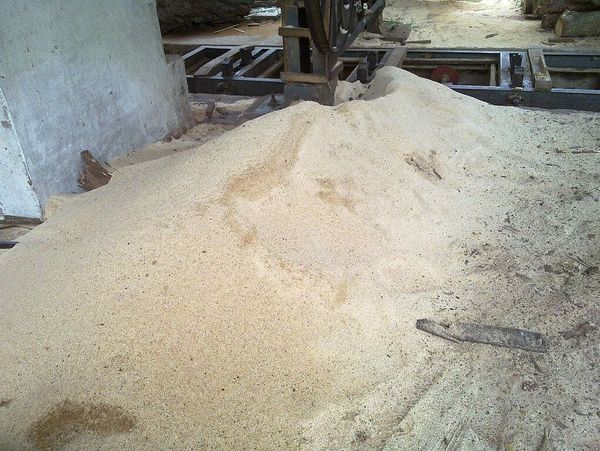
Food that really might taste like sawdust
A common complaint of food, for many reasons, is that it ‘tastes like sawdust’. Although that description is subjective – the food doesn’t contain sawdust even

Plant Cuttings
A common complaint of food, for many reasons, is that it ‘tastes like sawdust’. Although that description is subjective – the food doesn’t contain sawdust even
Plant Cuttings
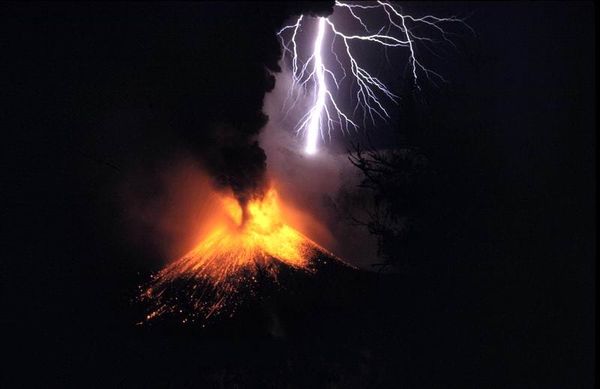
It’s not just microbes that can live under extreme conditions. Some plants thrive in situations many other life forms simply could not tolerate.
Plant Cuttings
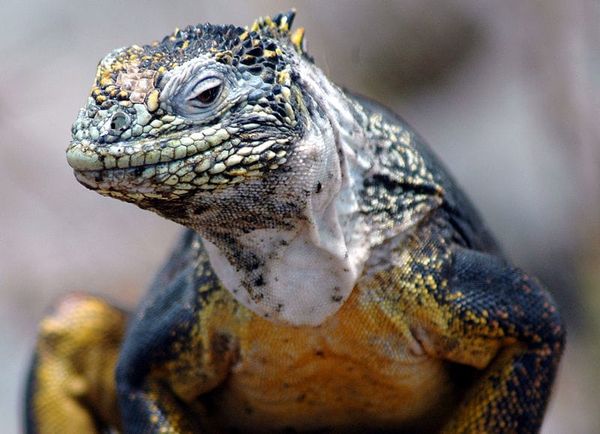
Rather belatedly in our look at animals and seed dispersal, we have our Darwin connection (after all, what biological item would be complete without mention of

Plant Cuttings
Having reached mammals in our meanderings, and the human involvement in global plant dispersal (admirably explored in Michael Pollan’s book The Botany of Desire) notwithstanding,
Plant Cuttings
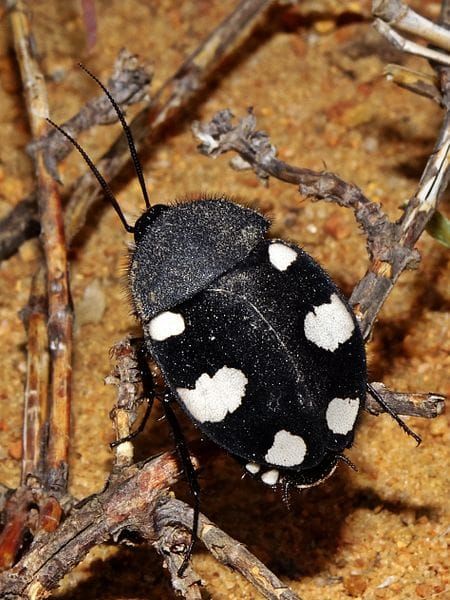
Yasuhiro Uehara and Naoto Sugiura describe a new mutualistic relationship between a cockroach and Monotropastrum humile (Botanical Journal of the Linnean Society 185: 113–118, 2017;

Plant Cuttings
As organisms that are mainly fixed in one place, plants have a problem if they are to extend their range and spread to new areas by
Plant Cuttings
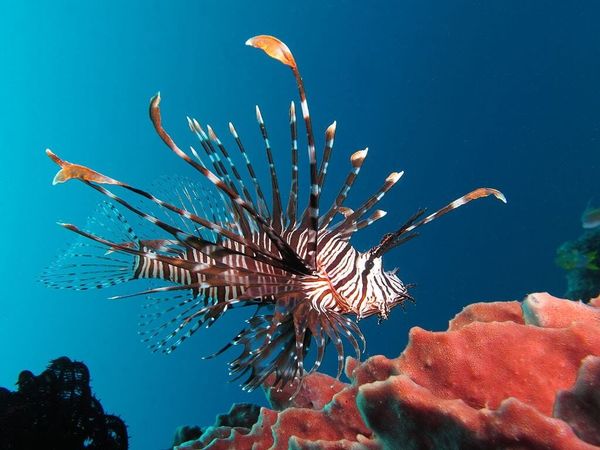
Another kind of experiment that takes place out in the real world is when non-native species are introduced into new areas. Usually, and understandably, this
featured
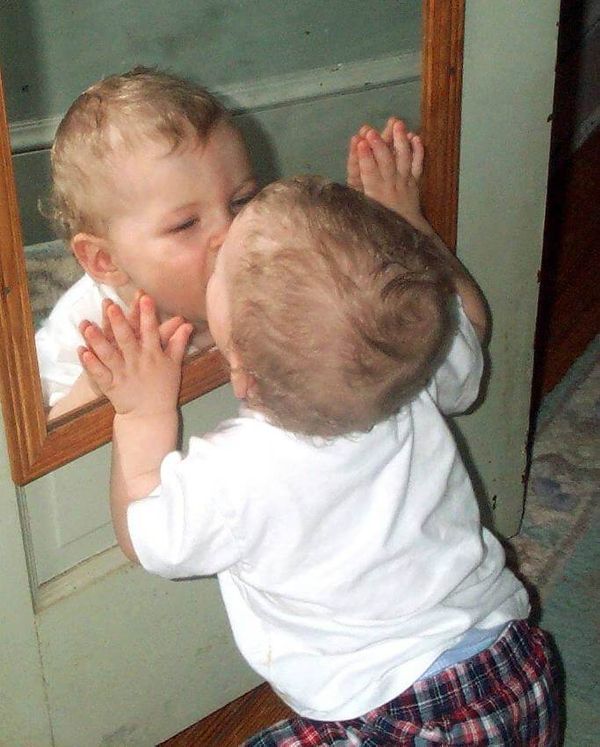
How close are experiments to nature? The answer isn’t clean cut, partly because nature is messy.
Plant Cuttings
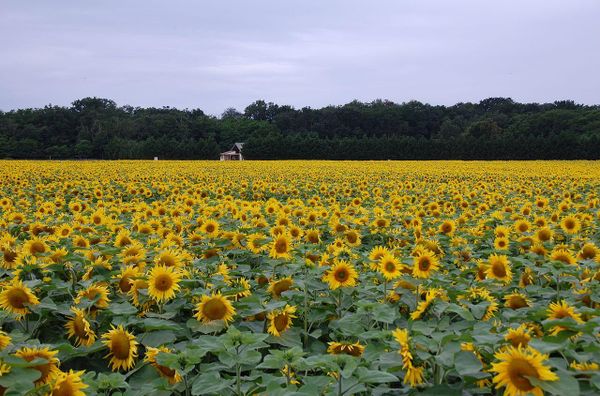
For sunflowers a friend is not someone you can lean on – as Nigel Chaffey finds out.

Plant Cuttings
Mr Cuttings hears of a new journal launched this summer, and is appropriately excited.
Plant Cuttings
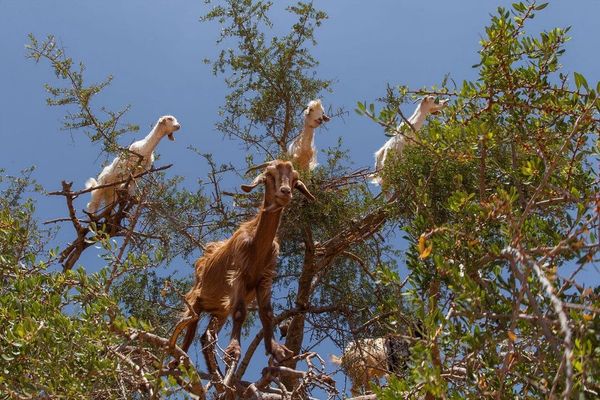
The argan tree doesn’t have to be annoying to really get your goat.

featured
Thanks to a new tool, botanists have the power to observe and operate in even more remote parts of the world than before.