
Growth & Development
421 posts
© 2026 Botany One. Published with Ghost

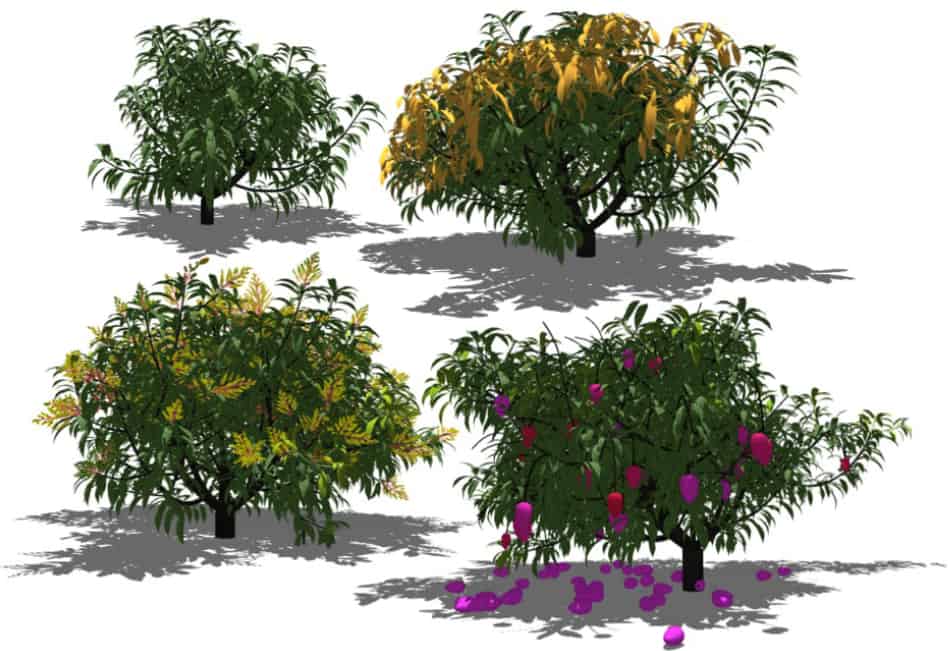
V-Mango model: an intricate 3D simulation of the King of Fruits
The computer-modelled mangoes could identify when their real-life counterparts were most at risk from mango blossom gall midge.

Job-sharing by the barley cuticle
In addition to preventing water loss, plant cuticles must also regulate nutrient loss, leaching. The eceriferum mutants in Hordeum vulgare (barley) potentially influence these functions by altering epicuticular wax structure and composition.

Pattern-oriented modelling a useful tool for FSP models when experimental data is lacking
POM parameter estimation led to a model that converged on manual parameterization.


Hydraulic adjustments are of limited use in bracken fern
Changes in leaf anatomy, more than hydraulics, allowed the ferns to thrive in a high light environment.
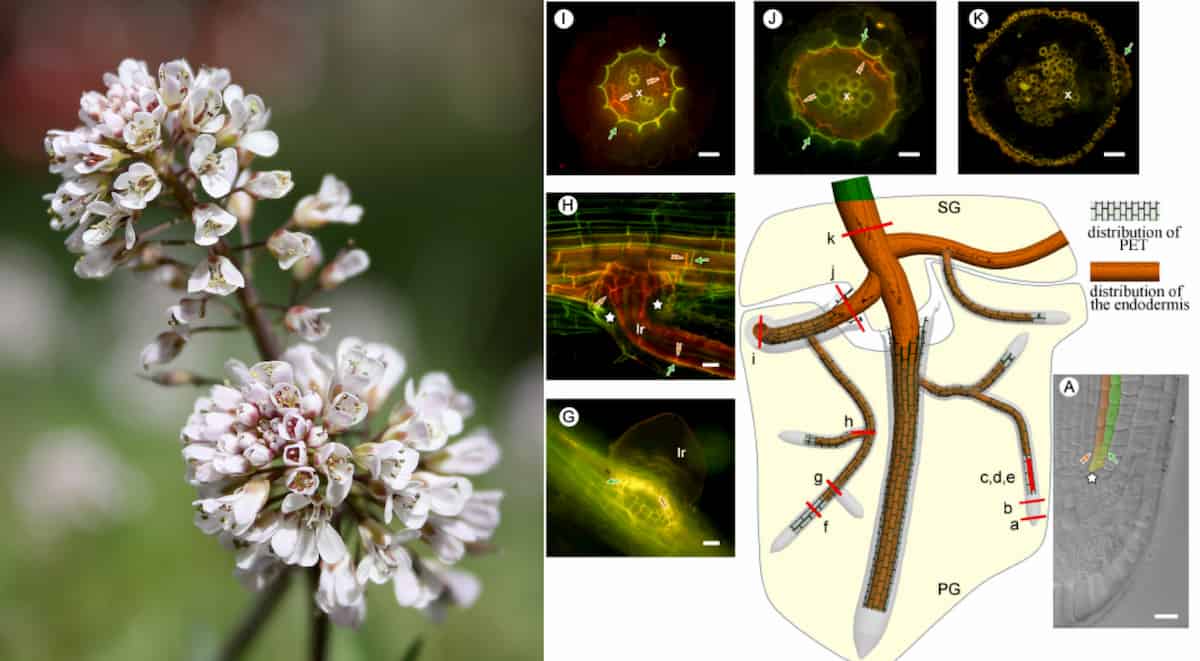
Microscopes and roots: investigating whether cell wall thickenings are phi (Φ) or “C” shaped
Noccaea caerulescens has some tricks that help it cope with heavy metals.
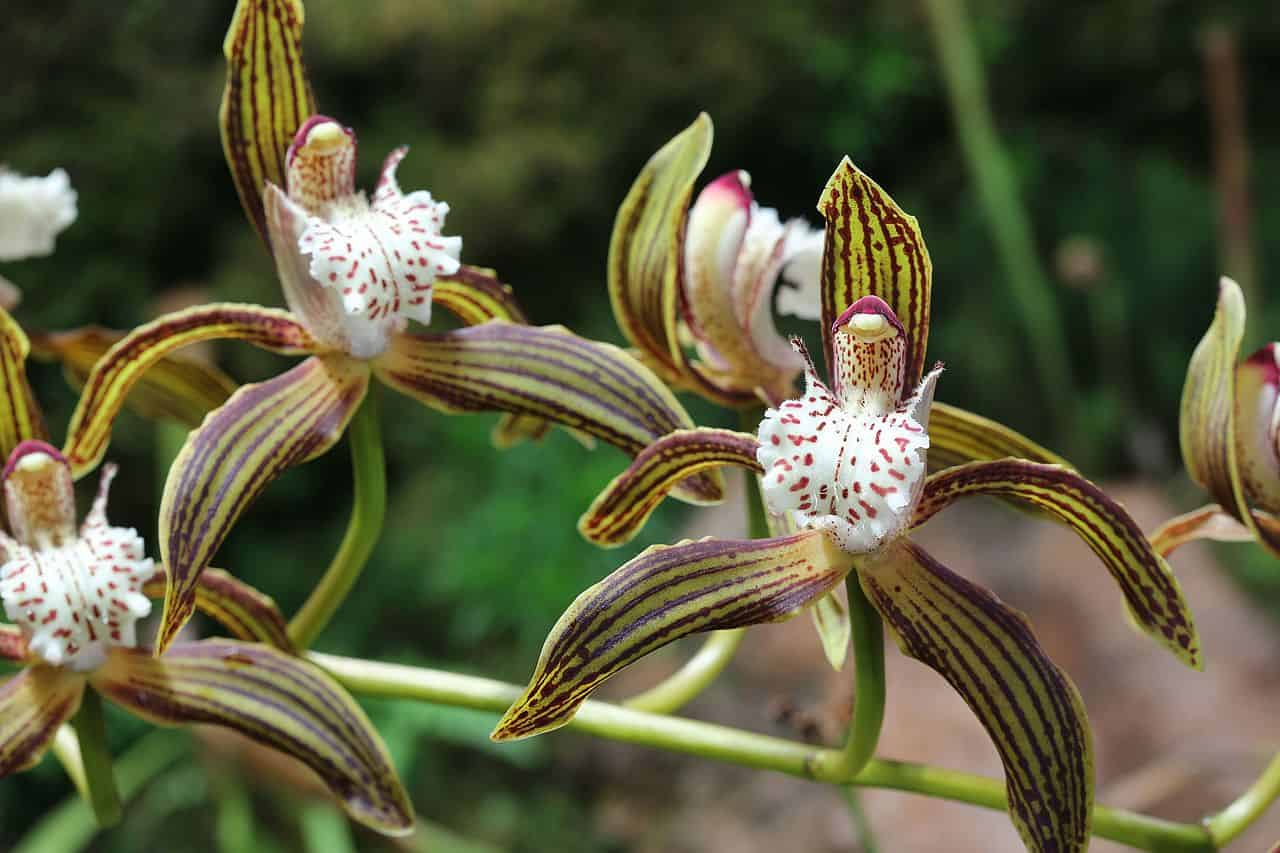
Dying to grow: Programmed Cell Death key to an epiphytic orchid’s root development
Li and colleagues combined the use of transmission electron microscopy, x-ray microtomography, and transcriptome methods to characterize the major anatomical and molecular changes that occur during the development and death of velamen radicum cells of Cymbidium tracyanum, a typical epiphytic orchid.

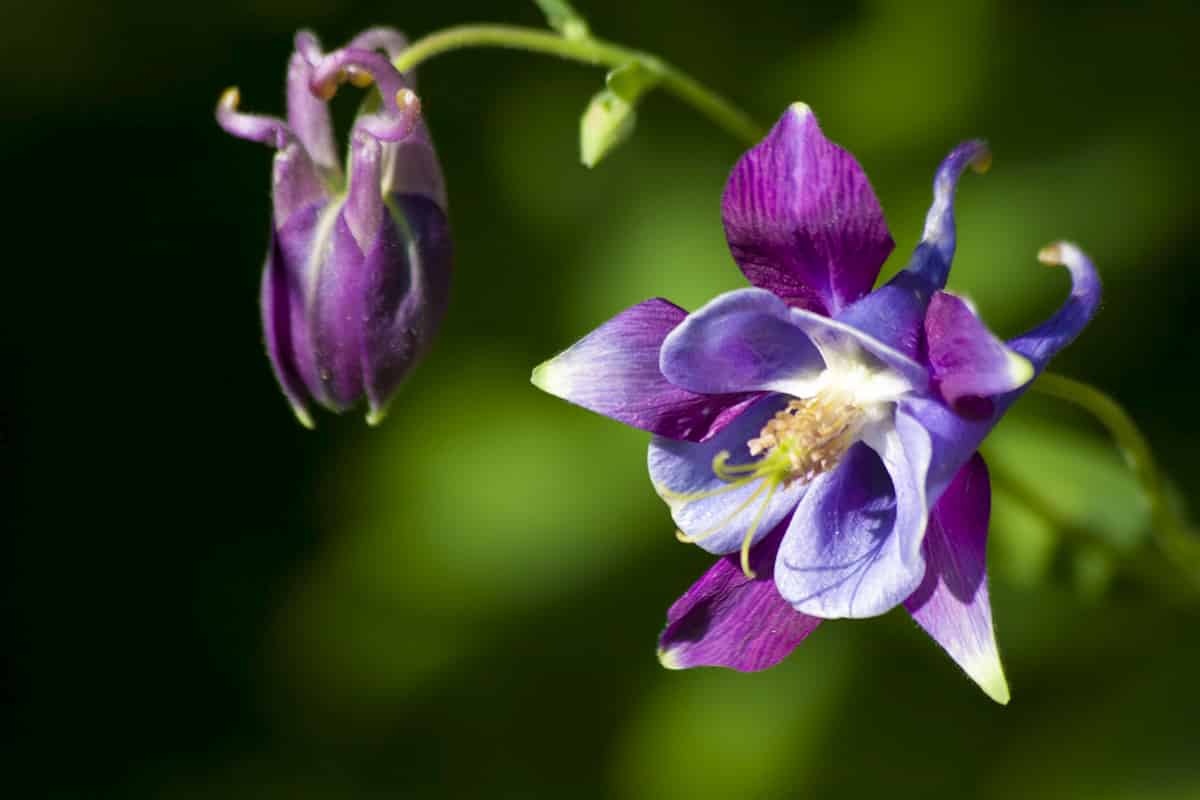
Staminodes of Aquilegia: how an unusual floral organ develops
Why would a flower want sterile stamens. An investigation into their development yields some clues.

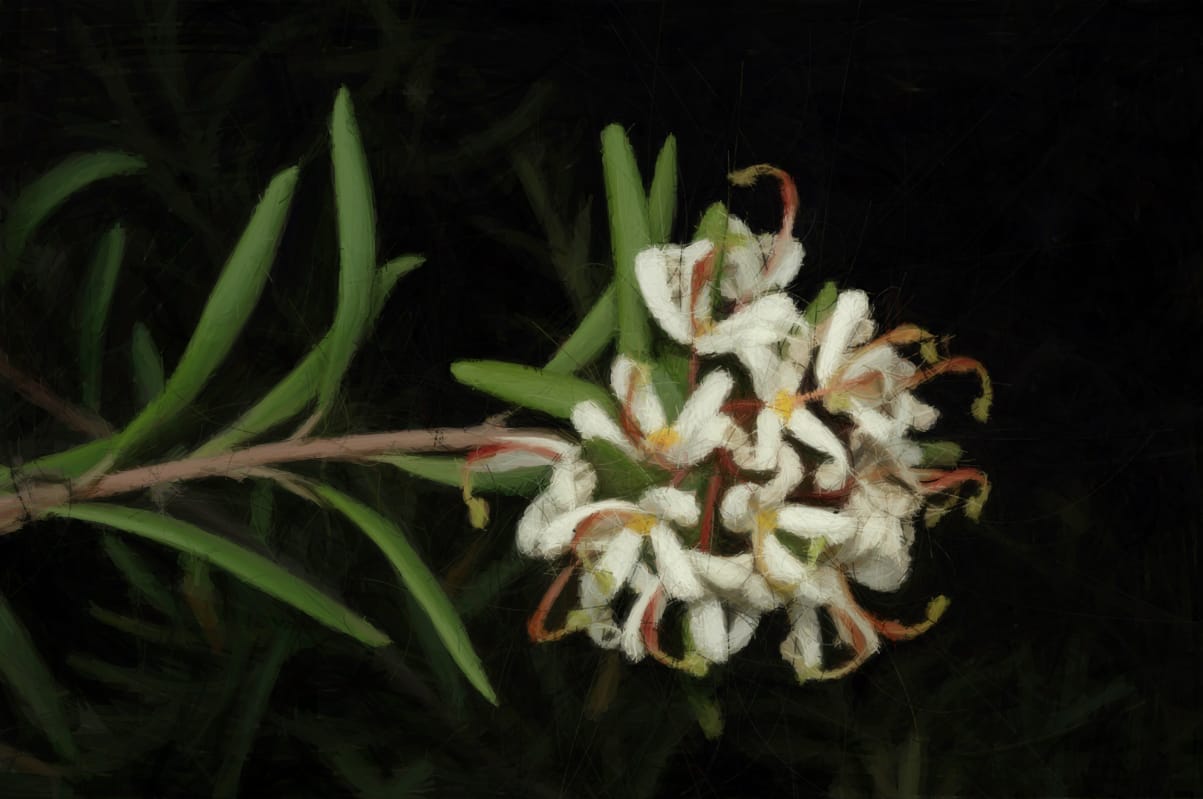
In Lomatia, the pollen is naturally poisoned
Lomatia stores the ingredients for cyanide, somewhere in its flowers.


Stay in the loop.
Sign up to receive updates and the latest news from Botany One.
Your email