Growth & Development
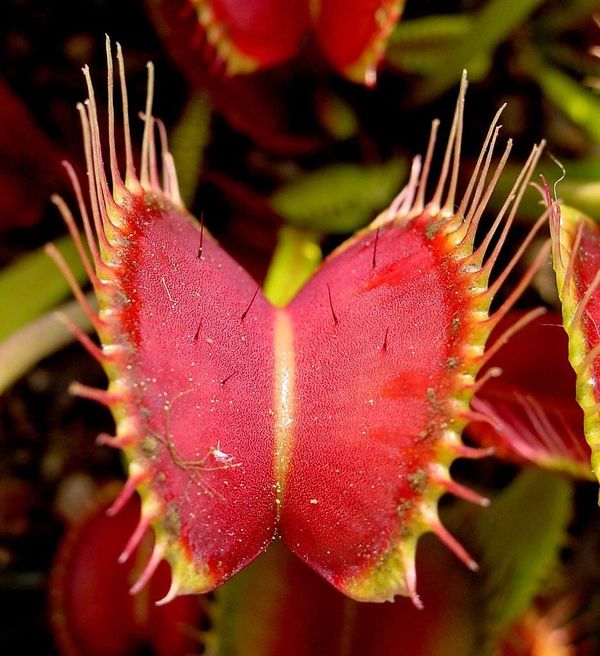
Venus flytraps meet post-capture energy needs with cyclic electron transport
A switch from linear to cyclic electron transport provides the extra boost needed until energy can be taken up from the insect itself.

Growth & Development
A switch from linear to cyclic electron transport provides the extra boost needed until energy can be taken up from the insect itself.
Growth & Development
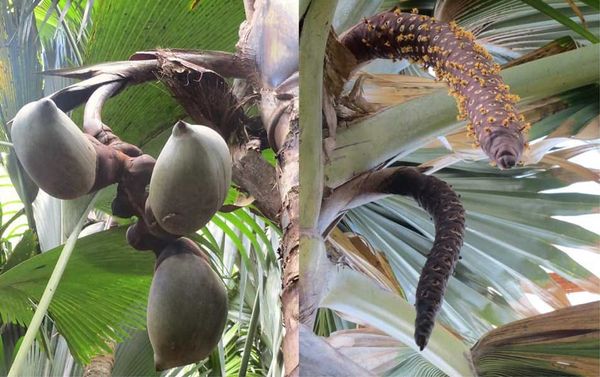
Morgan et al. explores sex ratios in populations of Lodoicea maldivica in the Seychelles.
Growth & Development
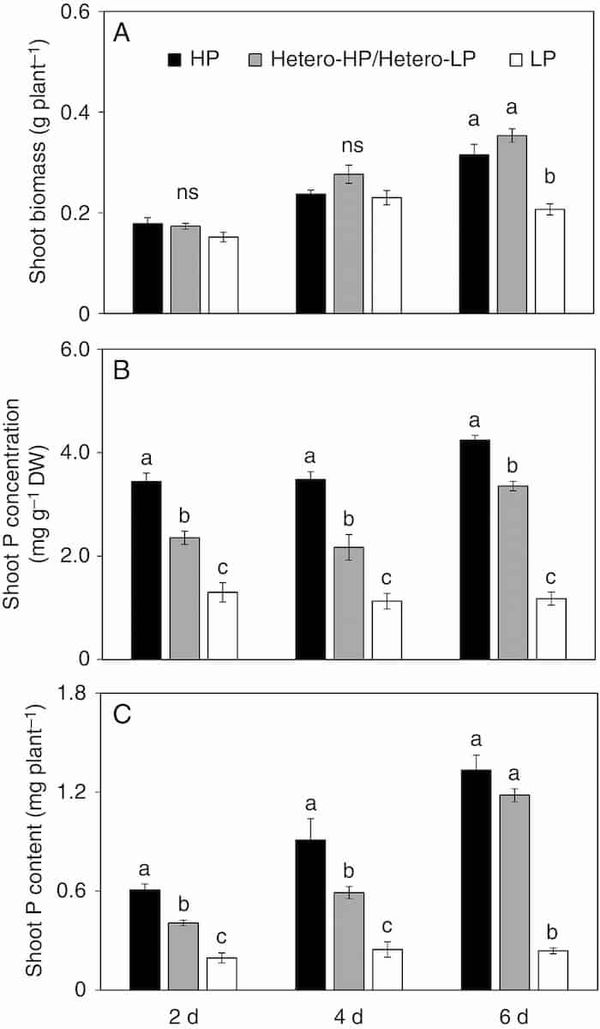
We know that maize roots chase after phosphorus, but how? Xin Wang and colleagues have been investigating what purpose the hormone auxin has in controlling root
Growth & Development
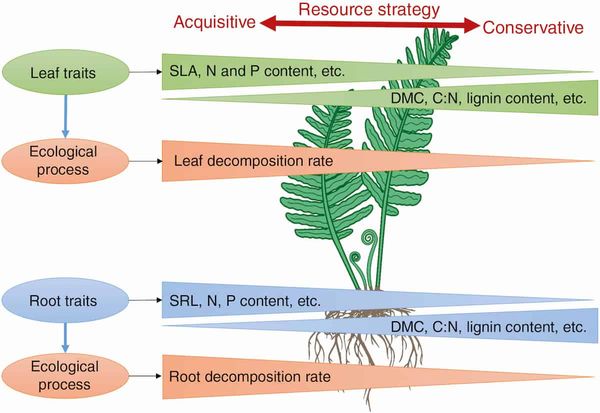
Plants usually have limited resources in one way or another. There is only so much nutrient in the soil. How best to use it? The plant

Growth & Development
Waves lead to greater root biomass and stem flexibility, but lower stress resistance overall.

Cells, Genes & Molecules
It is said that sildenafil citrate can help preserve flowers. Here’s an experiment that you could do at home, but probably shouldn’t, to find out.

Growth & Development
Simulating seawater in the lab is more complicated than just getting the salt concentration right.
Growth & Development
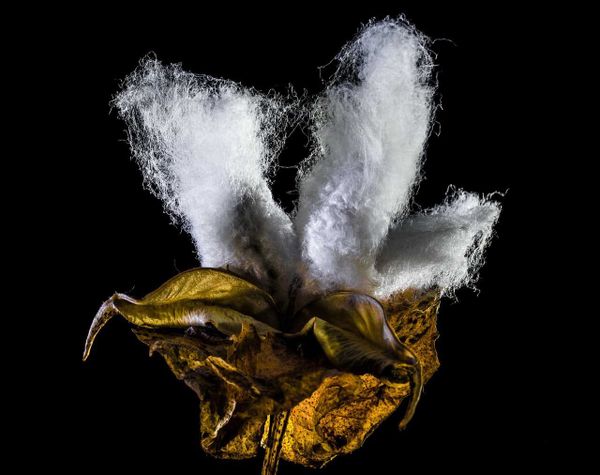
Three aquaporins are reliable tools to identify cotton genotypes tolerant to salt stress, based on expression of qPCR-transcripts

Cells, Genes & Molecules
Roots are critical for plants to find water and nutrients. They can also be expensive to grow, so a plant needs to send them in the
Growth & Development
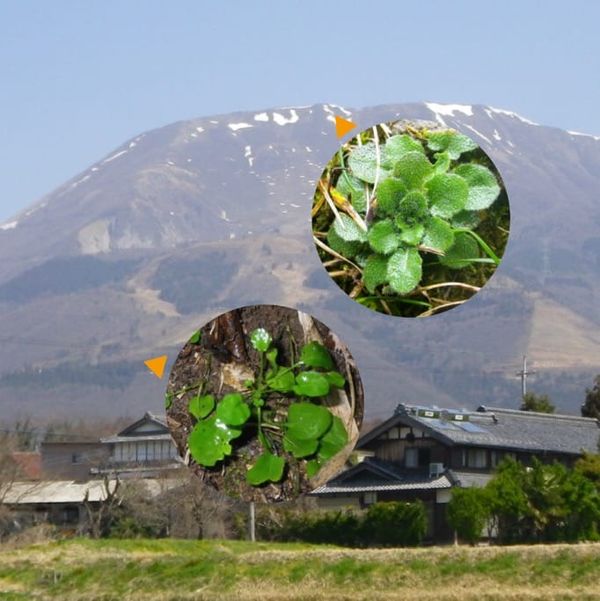
Whilst studies on Arabidopsis thaliana have generally been highly molecular and/or genetic in nature, most studies using A. halleri have addressed adaptation and variation in adaptive traits in the species’ natural habitat.
Computational Models
Plants are able to grow, survive and reproduce under a wide range of temperatures. Examples of plants that thrive in temperature extremes include cushion plants in
Ecosystems
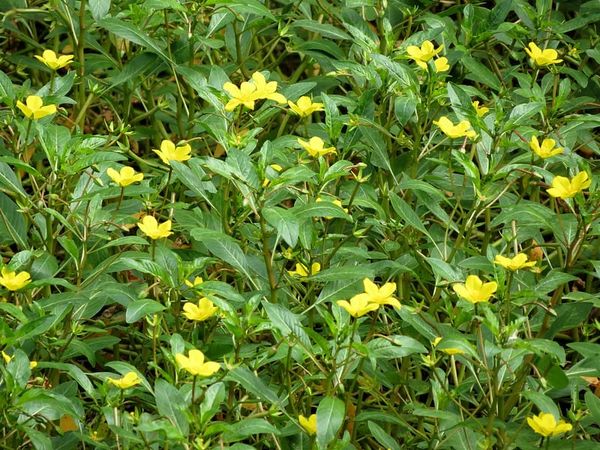
Non-native aquatic Ludwigia species from a polyploid complex are among the world’s most problematic invasive plants. A new paper in AoBP finds out why.