
Computational Models
158 posts
© 2026 Botany One. Published with Ghost

From branches to entire trees and forests: a new laser scanning-based model improves estimations
New laser technology can measure faster and more accurately.

Sub-lethal pesticides might still kill ecosystems
The damage caused by sub-lethal pesticides to pollinators may show up first in plants, not bees.

A more realistic model of sucrose accumulation in sugarcane
Detailed kinetic modelling of sucrose translocation and metabolism captures the spatio-temporal evolution of the advection-diffusion-reaction system.

Man vs machine: Which model is superior at predicting phenology?
A comparison of the performance of knowledge-based models, data-driven machine-learned models, and an ensemble of both.
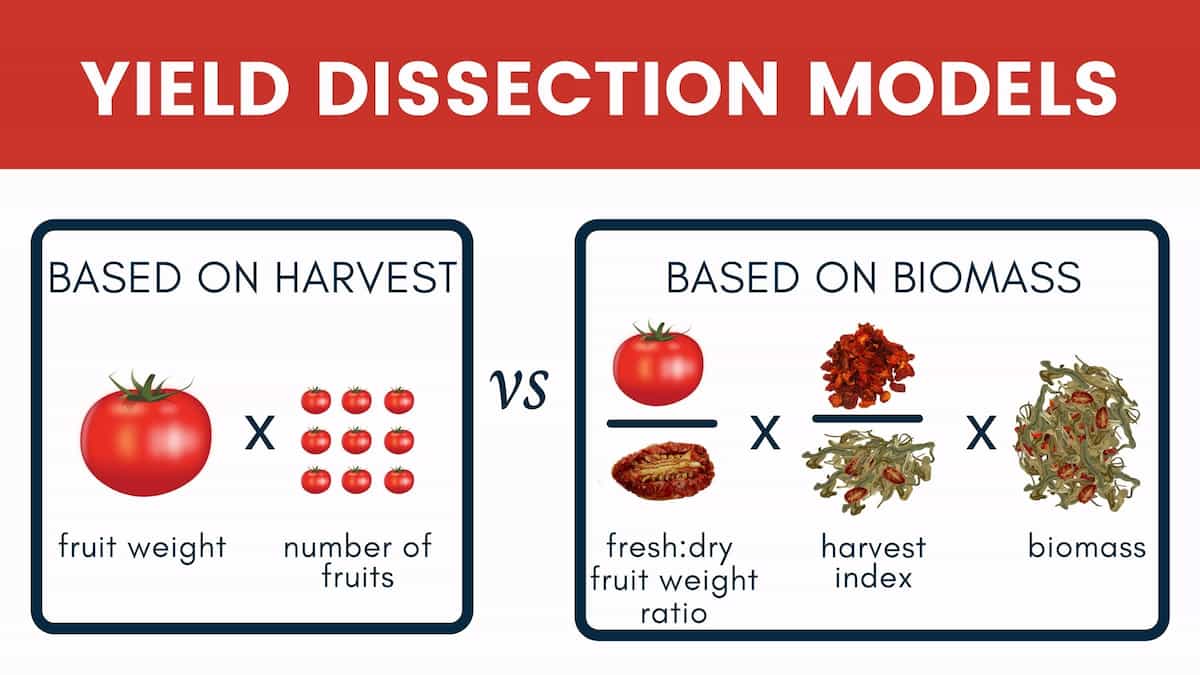
Evaluating yield components leads to yield improvement
Yield dissection models in tomato identify promising yield components and corresponding QTLs.
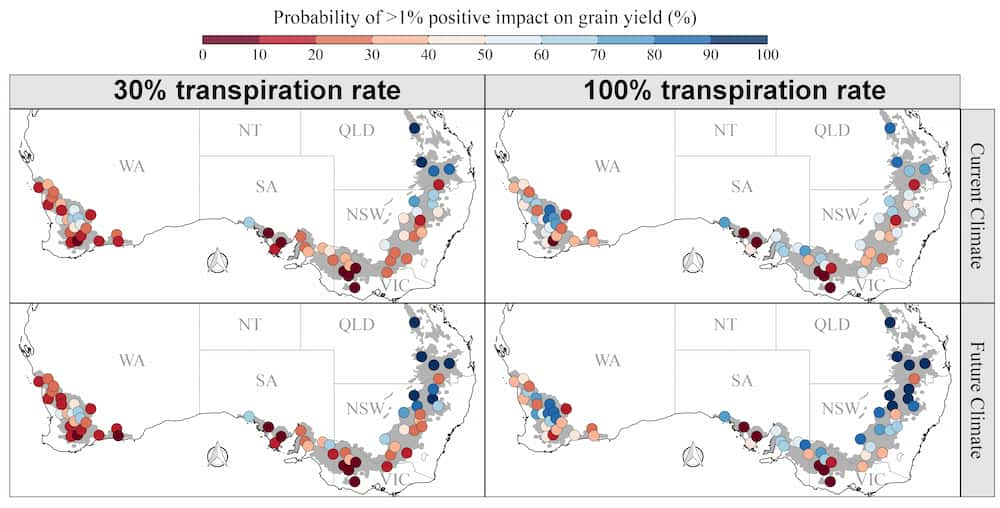
Is there a yield cost for limiting water loss during the hot hours of the day in wheat?
Evaluating how limited transpiration at high evaporative demand affect grain yield across Australia using computer models.
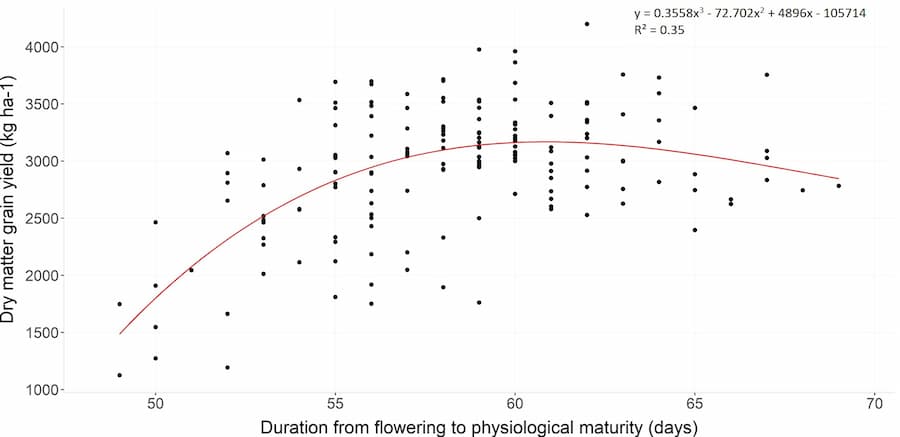
Modelling the potential of soybean cropping in Northern European regions
Soybean is not commonly grown in Northern Europe, but can it be, and how?
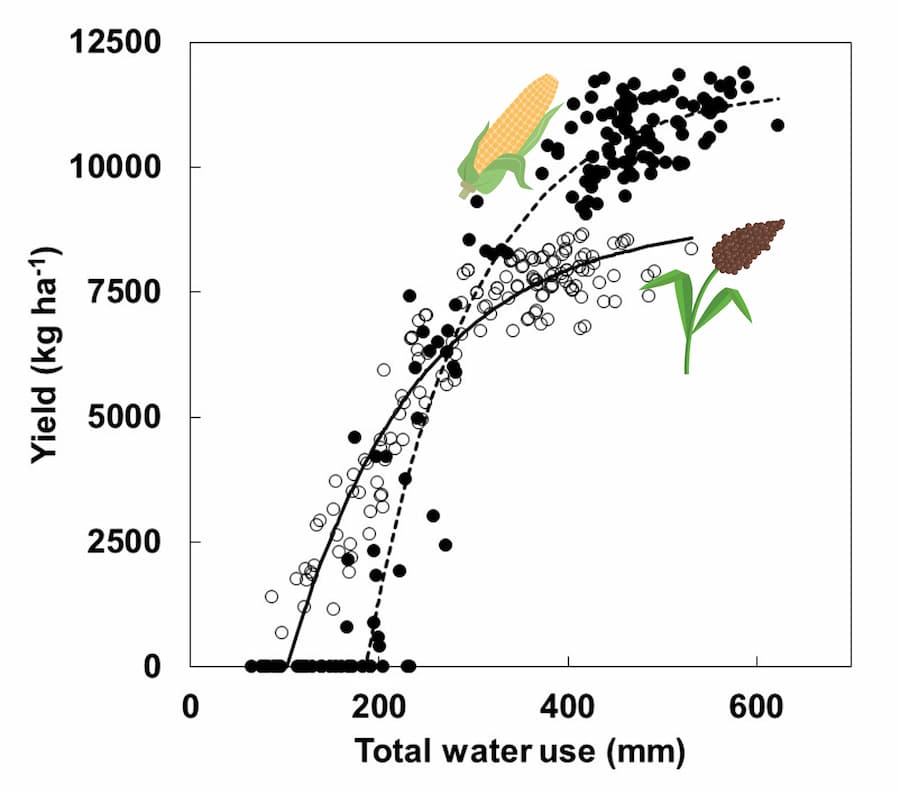
The comparative adaptation to water-limitation of sorghum and maize
A new study unravels why maize has higher yields and sorghum is more drought tolerant using a cropping systems modeling platform.
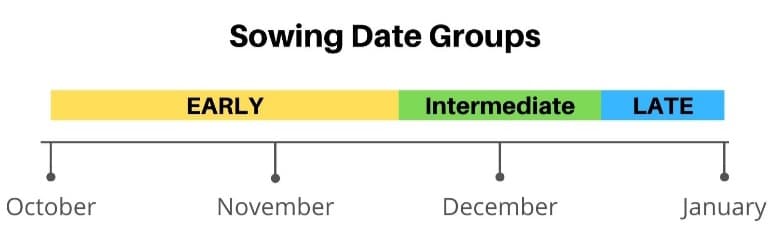
Reducing sorghum water stress during drought
A new study uses drought patterns, sowing date, and genotype phenology to reduce sorghum water stress during critical stages.

Stay in the loop.
Sign up to receive updates and the latest news from Botany One.
Your email