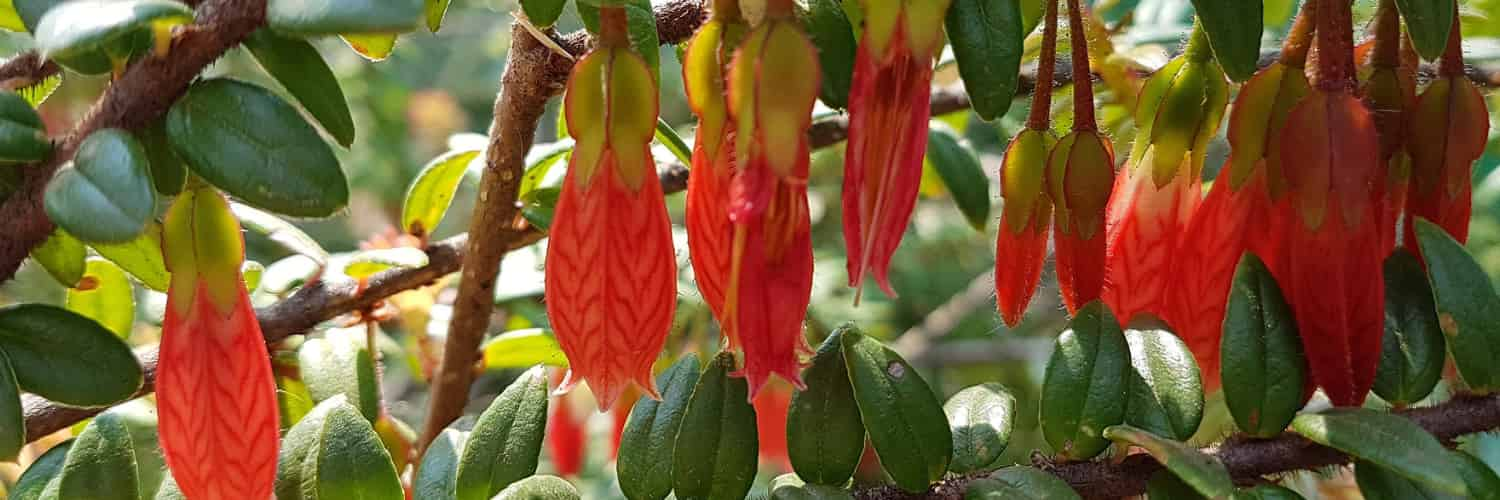
Agapetes species native to the Himalayas exhibit red, tubular, pendulous flowers, characteristic of hummingbird pollination. However, these birds are not found on the Asian continent! Kriebel and colleagues reconstructed the evolutionary history of the family to test the hypothesis that now-extinct
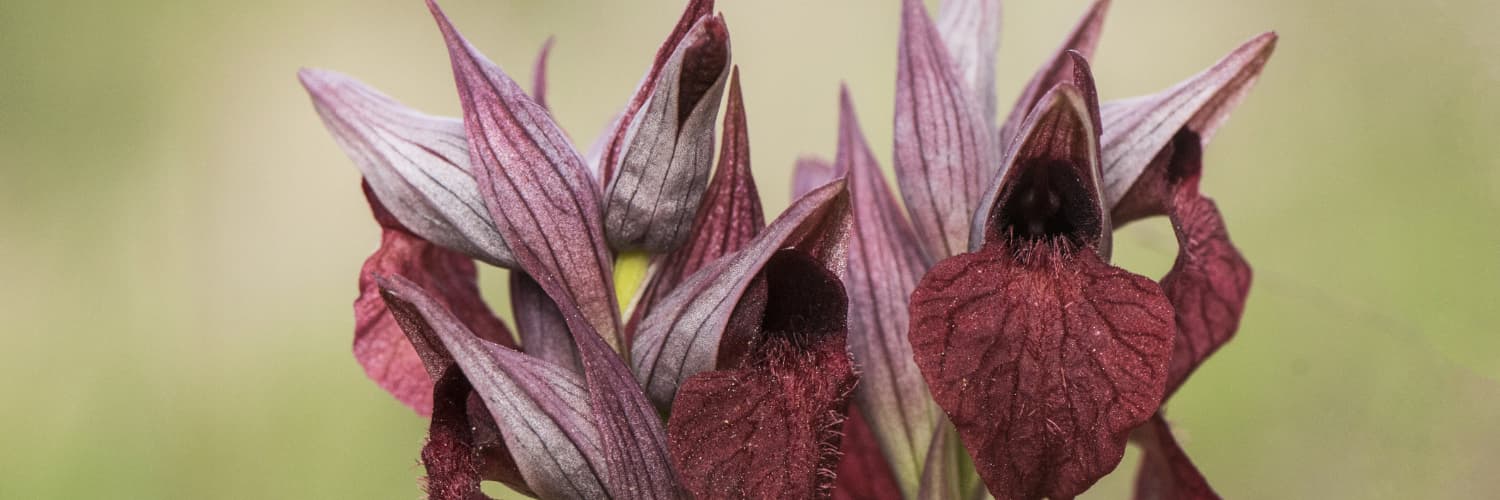
Scientists reveal how Serapias orchids ensure their cross-pollination through a special flower morphology interacting with pollinators in a particular manner, without the need for pollen masses changes as in many other orchids.
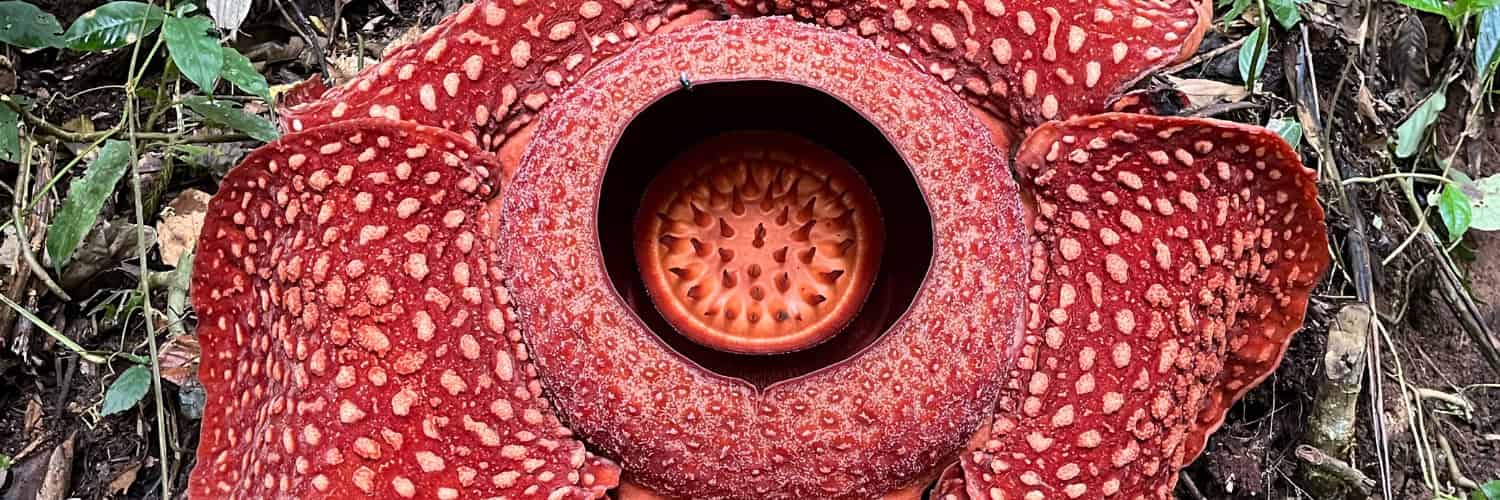
Since germinating Rafflesia seeds has brought so many headaches, Dr Jeanmarie Molina and her team have analysed the genes expressed on its seeds to draw up a roadmap for their propagation and conservation.