Close Encounters
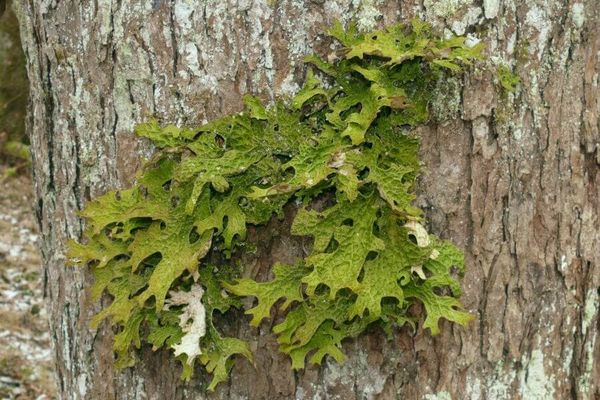
Plectocarpon lichenum: the parasite that makes itself comfortable when it moves into a lichen
What happens when an unwanted visitor infects a lichen? Plectocarpon lichenum makes it harder for its host to eject it.

Close Encounters
What happens when an unwanted visitor infects a lichen? Plectocarpon lichenum makes it harder for its host to eject it.
Close Encounters
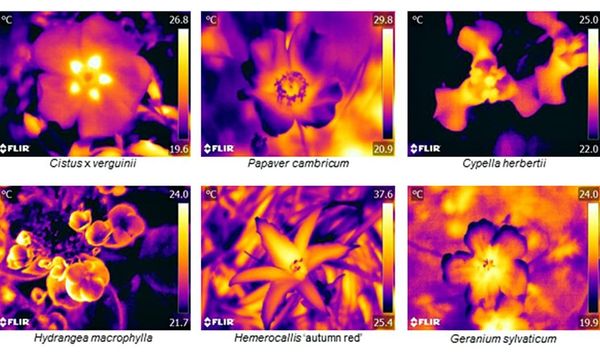
Not only can insects view ultraviolet patterns in flowers, they also seem to be sensitive enough to be able to sense heat patterns in flowers too.
Close Encounters
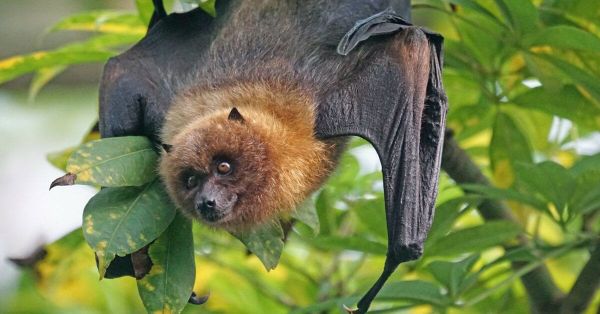
The fruit bat has been persecuted due to the belief it destroyed crops of Durian. Now critically endangered, it seems that it is a key pollinator for the fruit tree.
Close Encounters
The British government has reacted to the spread of Ash dieback by banning Ash imports to the UK. The Food and Environment Research Agency have released

Close Encounters
Thousands of trees are being felled in Somerset to stop the spread of a killer disease. Sudden Oak Death attacks more than 100 varieties of plants and is spreading faster than predicted. The National Trust And The Forestry Commissionare having to cut down trees to stop the infection from spreading.
Close Encounters
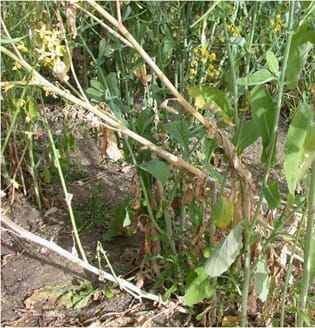
Garg et al. show that resistance to Sclerotinia sclerotiorum in Brassica napus is due to slowed pathogen development
Close Encounters
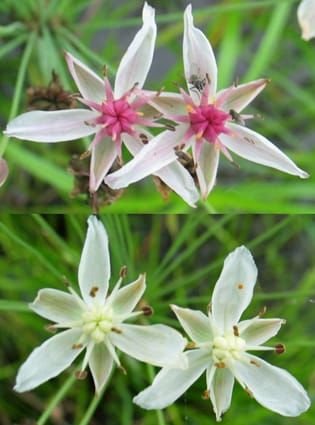
Floral polymorphism and environmental heterogeneity Polymorphism in flower colour may be maintained either by pollinator preferences or by environmental fluctuations. Tang and Huan examine gynoecium colour
Close Encounters
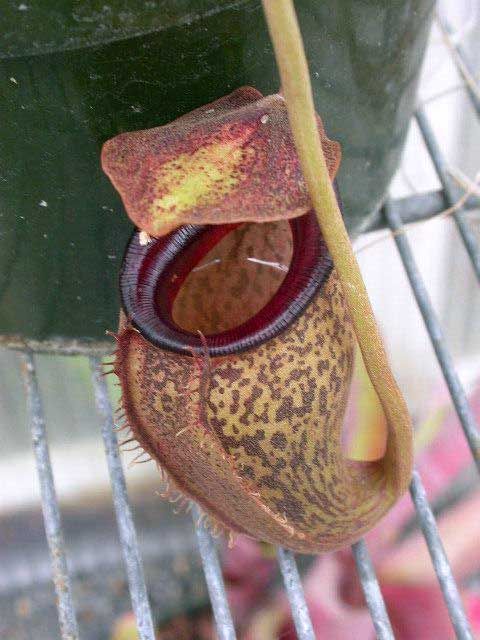
Digesting meat takes energy, and you don’t get that from meat if you’re a plant.
Close Encounters
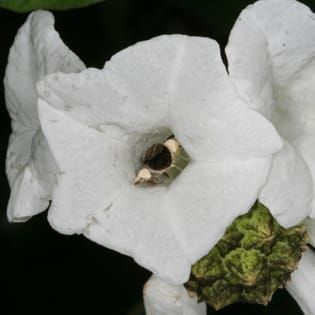
Cordia leucocephala Oligolectic bees and host-plants frequently depend on each other to rear offspring and to set fruit, respectively. Milet-Pinheiro and Schlindwein (pp. 17–